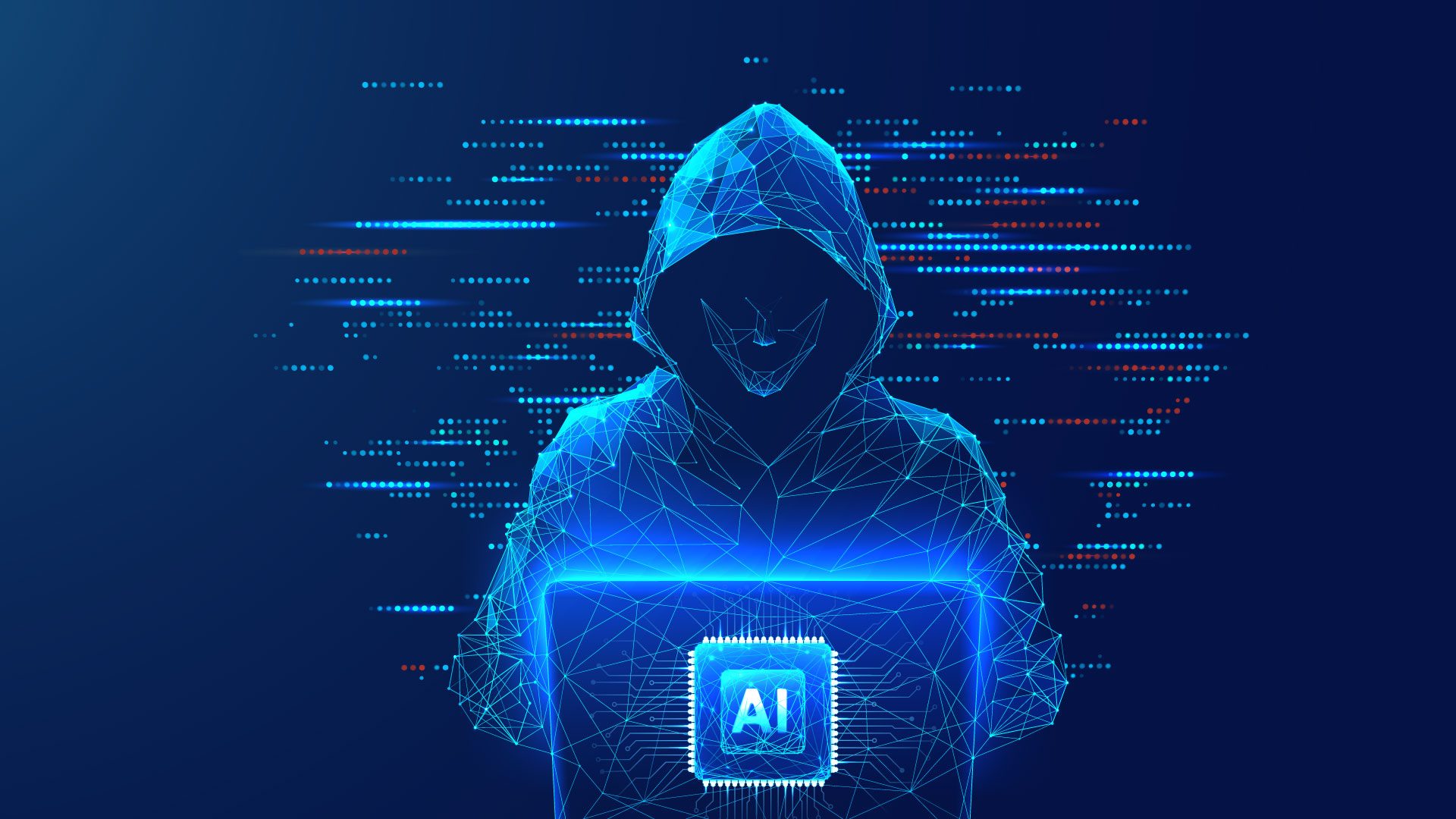

The intersection of artificial intelligence and cybersecurity marks one of the most critical evolutions in modern technology. As digital infrastructures grow increasingly complex, traditional static security measures—such as basic firewalls and legacy rule-based tools—are no longer capable of keeping pace with the velocity and volume of modern cyber threats. Organizations across every sector are exploring how generative AI, machine learning, and advanced behavioral analytics can be harnessed to protect critical data, secure cloud environments, and fortify enterprise resilience.
At the center of these advancements is the shift from reactive mitigation to proactive, automated threat intelligence. Modern AI algorithms continuously analyze massive volumes of network telemetry to establish baseline human and system behaviors. When anomalous activity occurs—such as unauthorized data transfers, suspicious off-hours log-ins, or zero-day malware execution—AI systems flag these threats in real time. This capability drastically reduces detection times from months or weeks down to milliseconds, granting security operational centers the ability to isolate compromised endpoints and neutralize zero-day exploits before widespread damage occurs.

However, the rapid acceleration of AI capabilities creates a dynamic often described as an asymmetric arms race. Cybercriminals are utilizing identical underlying technologies to weaponize offensive tools. AI-powered phishing engines can generate hyper-targeted social engineering attacks free of typical grammatical errors, while automated vulnerability scanners systematically inspect thousands of network configurations concurrently. Deepfake audio and synthetic identity creation further complicate identity and access management, making traditional multi-factor authentication methods vulnerable to novel attack vectors.
To address these emerging risks, security leaders are integrating AI into comprehensive Zero Trust frameworks. In a Zero Trust environment, no user or machine is inherently trusted, regardless of their location inside or outside the network perimeter. AI acts as the continuous evaluation engine within these frameworks, dynamic assessing risk scores, monitoring API interactions, and applying adaptive micro-segmentation to contain potential breaches instantly.

Despite the sophistication of machine learning models, technology alone does not guarantee total protection. Industry leaders emphasize that AI should serve as a force multiplier for human expertise rather than a complete replacement. Algorithms excel at data aggregation, pattern recognition, and routine task automation, but human security analysts remain essential for evaluating broader business context, judging ethical considerations, and managing complex incident responses.
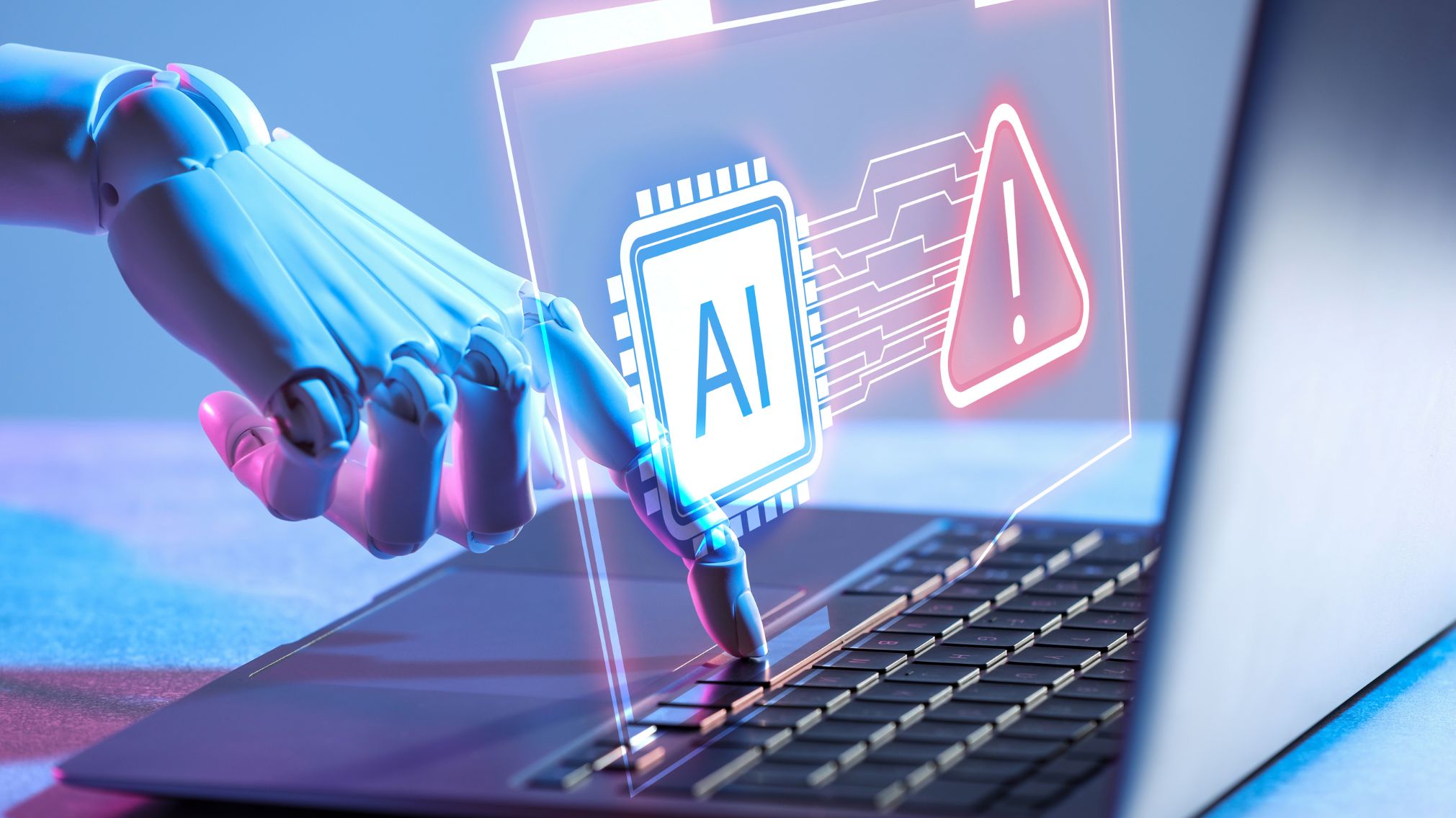
Building a durable defense posture requires organizations to invest in human capital alongside technological upgrades. Upskilling security teams, establishing clear governance policies for internal AI deployment, and cultivating a culture of ongoing security awareness across all enterprise levels are essential strategies. As both cyber threats and defensive tools continue to evolve rapidly, the organizations that successfully balance cutting-edge AI automation with sound human oversight will be best positioned to innovate safely and maintain trust in an interconnected world.
with additional report: https://tribune.net.ph/