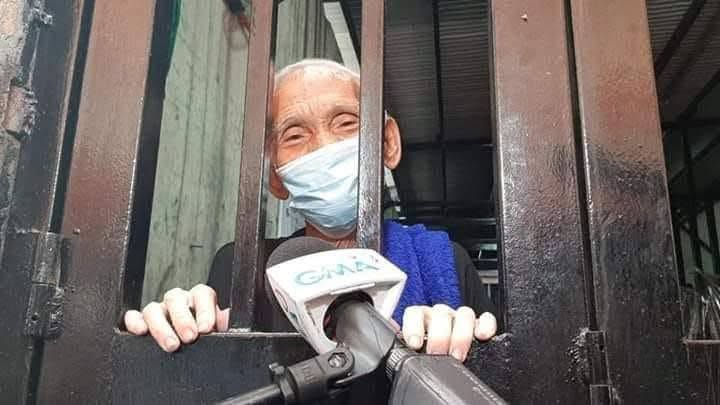

At 78, he was still standing for the rights of ordinary workers. His passing leaves behind not only a legacy of courage but also a difficult question: Why must Filipinos spend their entire lives fighting for a decent living?
MANILA, Philippines — For nearly five decades, Elmer Miralles Cordero, affectionately known as “Tatay Elmer,” spent his days behind the wheel of a jeepney, transporting passengers through the busy streets of Metro Manila. But beyond being a driver, he became a familiar face in the struggle for workers’ rights, a symbol of resilience, and a reminder of the hardships that countless ordinary Filipinos continue to endure.
On October 7, 2026, Tatay Elmer passed away at the age of 78, more than a week after suffering a heart attack while participating in a transport strike in Monumento, Caloocan City, on September 29.
He was rushed to the Caloocan City Medical Center, where he remained in critical condition before his passing.
His death marked the end of a lifetime dedicated not only to earning an honest living but also to fighting for the dignity and livelihood of his fellow jeepney drivers.
Yet his story goes far beyond the transportation sector. In many ways, Tatay Elmer’s life reflects the reality of millions of Filipinos who work tirelessly, endure economic hardships, and continue hoping for a better future.
Behind the Wheel, Beyond the Struggle
For decades, Tatay Elmer navigated the streets of Metro Manila, particularly along the MCU Rotonda–Divisoria and Malanday–Divisoria routes.
On good days, he reportedly earned around ₱400 to ₱500 from driving, an amount that reflected the financial challenges faced by many public utility vehicle drivers.
Despite the demands of his livelihood, he remained an active member of the Pagkakaisa ng mga Samahan ng Tsuper at Operator Nationwide (PISTON), joining demonstrations against rising fuel prices, the proposed phaseout of traditional jeepneys, and policies that transport workers feared would threaten their livelihoods.
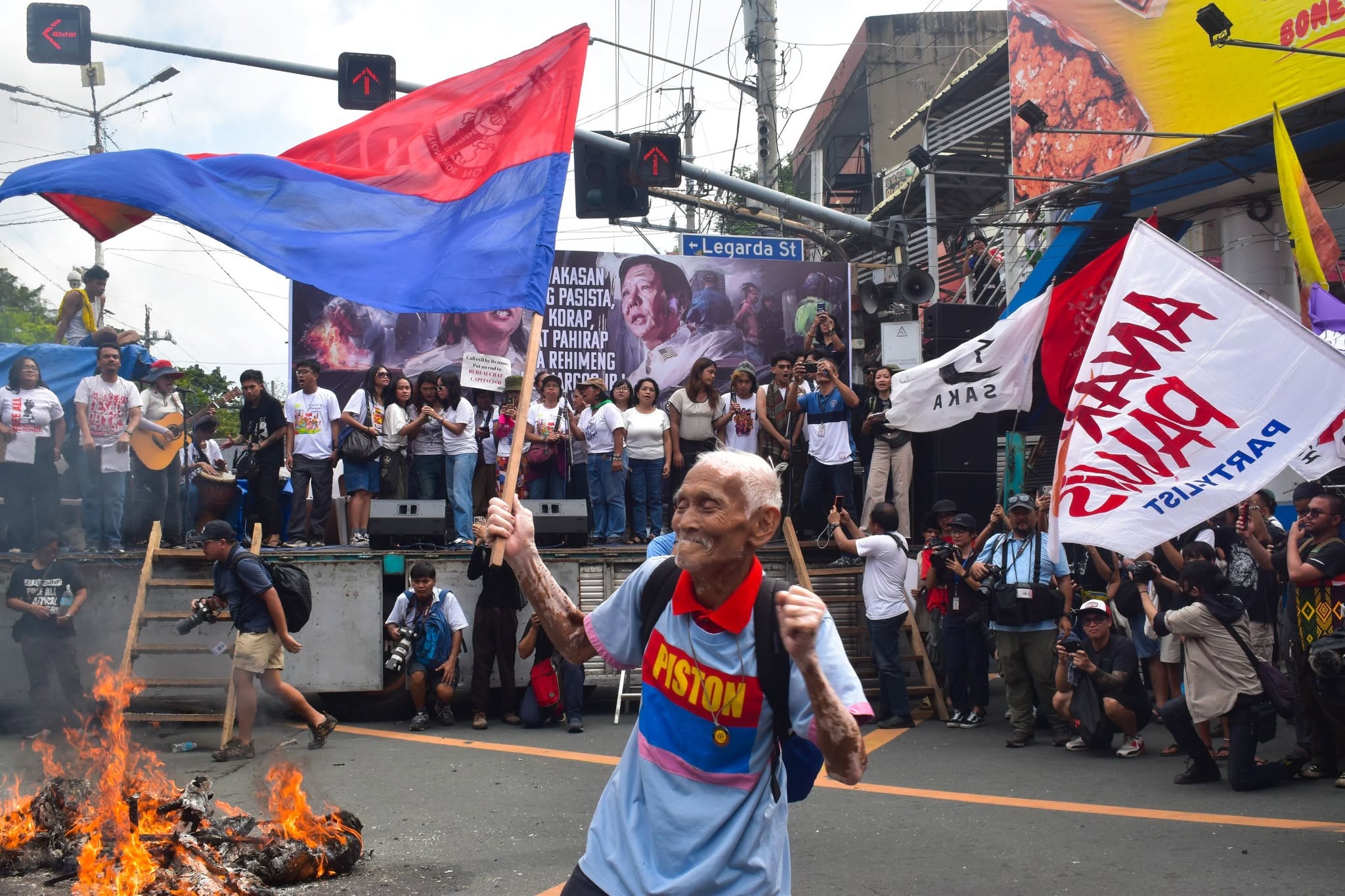
He became widely known during the COVID-19 pandemic in June 2020, when he and five other jeepney drivers were arrested during a protest in Caloocan City.
The group, later known as the “PISTON 6,” was protesting the loss of livelihood experienced by drivers during the pandemic lockdowns.
At 72, Tatay Elmer found himself in detention for participating in a demonstration calling attention to the struggles of transport workers. The charges against the group were eventually dismissed, and they were acquitted in 2024.
His experience became a powerful illustration of the difficulties faced by workers seeking to make their voices heard.
But the arrest did not silence him.
Even in his later years, Tatay Elmer continued joining rallies and demonstrations, standing alongside younger drivers and transport advocates who shared his concerns about the future of their livelihoods.
A Fight That Continued Until His Final Days
On September 29, 2026, Tatay Elmer once again joined his fellow transport workers in a nationwide strike protesting rising fuel prices and calling for relief measures.
It was during this demonstration that he suffered a heart attack. For many Filipinos, the circumstances surrounding his final days are particularly heartbreaking. At 78, an age when many would hope to enjoy retirement, spend time with family, and live peacefully after decades of work, Tatay Elmer was still on the streets, advocating for the same basic concerns that had defined much of his life. His determination reflected his deep commitment to the transport sector and the people whose livelihoods depended on it.
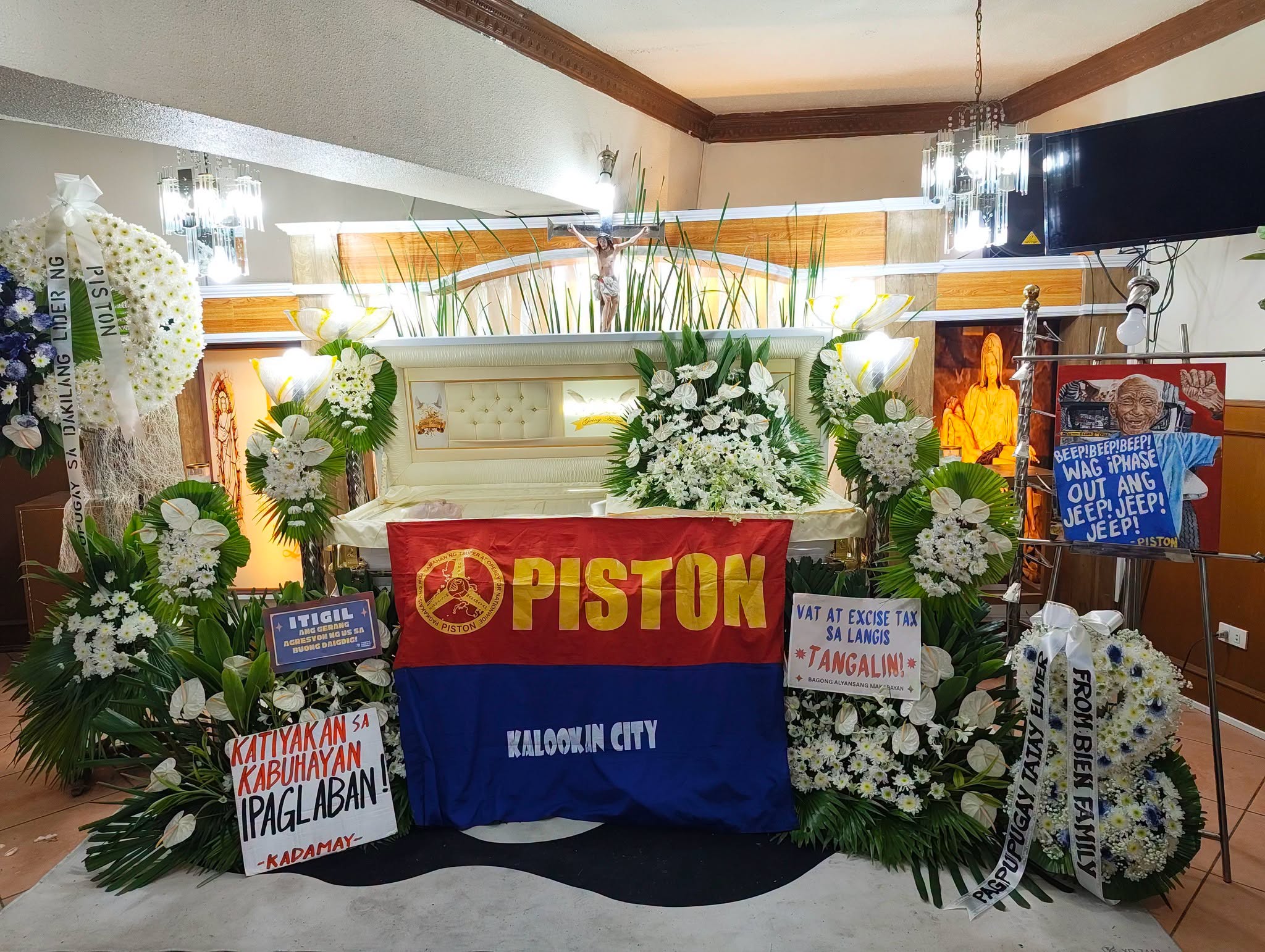
Following his death, PISTON remembered him as a hardworking, cheerful, and compassionate man who was deeply loved by fellow drivers, young people, and communities that supported the transport workers’ movement.
The organization also encouraged jeepney drivers to display black ribbons or cloth on their vehicles as a tribute to his memory.
Tatay Elmer’s Story Is the Story of Many Filipinos
Tatay Elmer’s life is not an isolated story. It is a reflection of countless Filipino workers who wake up before sunrise, spend long hours earning just enough to survive, and return home carrying the same worries about food, transportation, electricity, education, and the future of their families.
It is the story of jeepney drivers struggling with increasing fuel prices, farmers demanding fair compensation, laborers seeking decent wages, and senior citizens who continue working because retirement is a privilege they cannot afford. For many, survival itself has become a daily battle. And perhaps that is what makes Tatay Elmer’s story especially painful.
He fought a good fight until his final days. Even in old age, he refused to turn away from the struggles of the people around him.
His life also raises an uncomfortable question about the government’s responsibility toward ordinary citizens.
If public policies truly protected the livelihoods and welfare of the people, why would workers need to return to the streets repeatedly just to demand fair treatment, affordable living costs, and economic security?
Protests are not simply expressions of opposition. They are often the voices of communities who believe their concerns have not been adequately addressed.
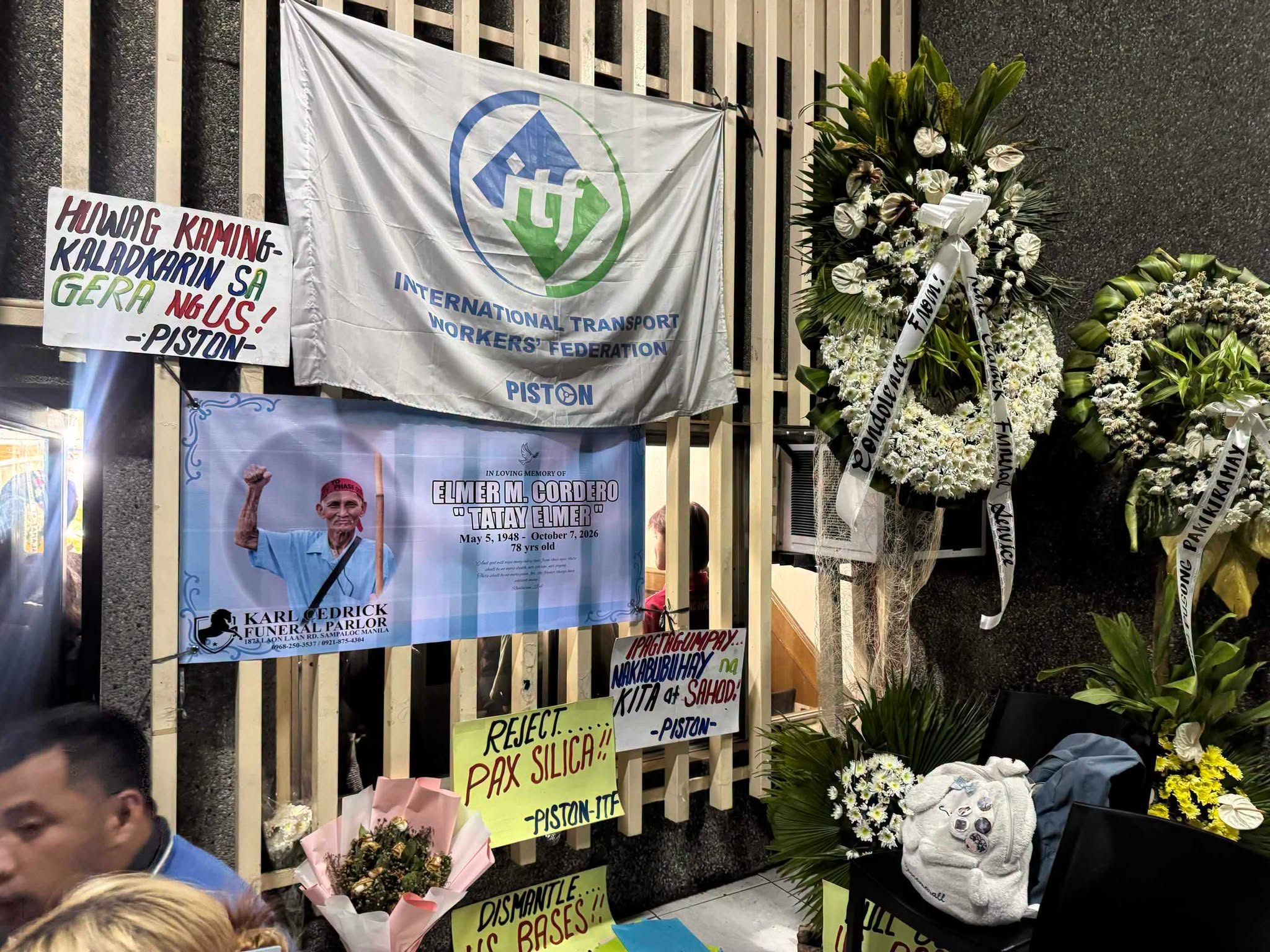
For workers like Tatay Elmer, demonstrations became a means of reminding those in power that behind every policy decision are real people, families, and livelihoods.
His story invites reflection on whether enough has been done to protect the country’s most vulnerable workers, particularly those who have spent their lives contributing to society but remain financially insecure in old age.
A Legacy That Should Not Be Forgotten
The passing of Tatay Elmer is more than the loss of a veteran jeepney driver or a familiar figure in transport demonstrations.
It is the loss of a Filipino who continued standing for what he believed was right, even when age and personal hardship could have given him every reason to stop.
His courage reminds us that the struggle for dignity does not belong to any particular generation. It belongs to every Filipino who believes that honest work deserves fair compensation, that public service should protect the vulnerable, and that growing old should not mean continuing to fight for basic survival.
His death should also serve as a reminder to those in government that progress cannot be measured by infrastructure projects, economic statistics, or policy announcements alone.
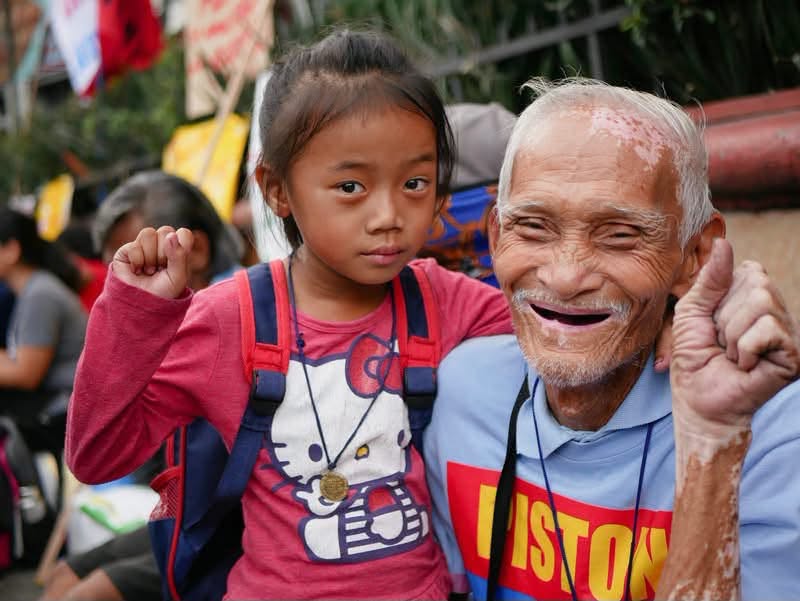
Progress must also be felt by the jeepney driver who can finally earn enough to support his family, the worker who no longer needs to choose between food and medicine, and the elderly Filipino who can live the remaining years of life with dignity and security.
Tatay Elmer may no longer be behind the wheel or standing among protesters, but the issues he fought for remain.
His legacy lives on in every driver who continues working despite uncertainty, every worker who speaks out against injustice, and every Filipino who refuses to give up hope for a better country.
Tatay Elmer fought a good fight until his last breath. May his passing remind us that no Filipino should have to spend an entire lifetime fighting for the basic dignity, security, and opportunities that every citizen deserves.
And perhaps the greatest tribute we can give him is not simply to remember his courage, but to work toward a Philippines where the next generation of Tatay Elmers will no longer have to endure the same struggles.
Rest peacefully, Tatay Elmer. Your journey may have ended, but the fight for the people you stood beside continues.