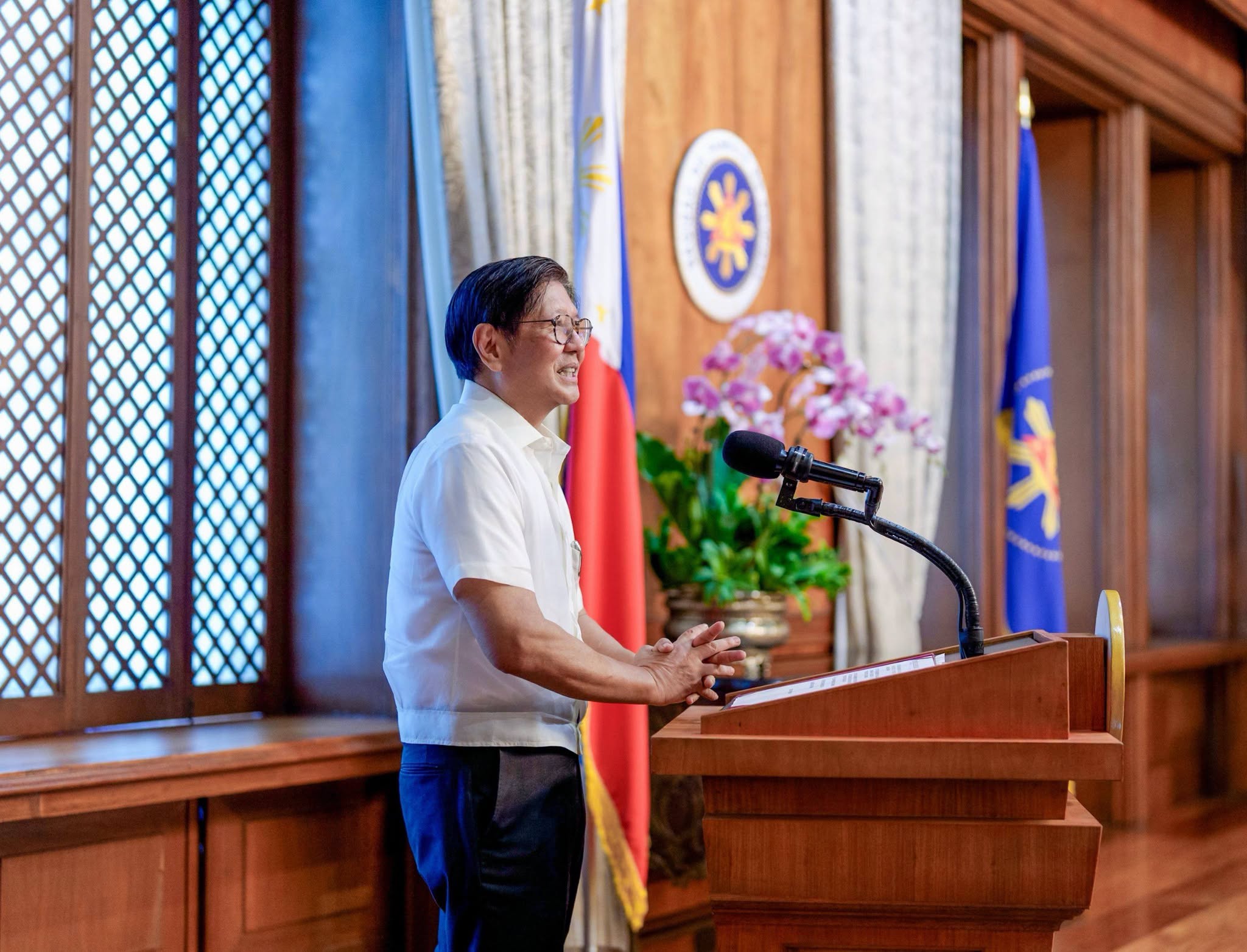

MANILA, Philippines — President Ferdinand R. Marcos Jr. has appointed new leaders to two key government agencies, naming former Social Security System (SSS) President and Chief Executive Officer Robert Joseph Montes de Claro as the new head of the Department of Information and Communications Technology (DICT) and former Taguig City Mayor Lino Cayetano as secretary of the Presidential Communications Office (PCO).
The two officials took their oaths before President Marcos at Malacañang on Tuesday, October 13, marking another leadership transition within the administration as it seeks to strengthen the country’s digital infrastructure, online security, and public communication services.
De Claro succeeds former DICT Secretary Henry Aguda, who resigned amid an investigation into alleged irregularities involving government-funded internet connectivity projects. Meanwhile, Cayetano replaces Dave Gomez, whose appointment was bypassed by the Commission on Appointments.
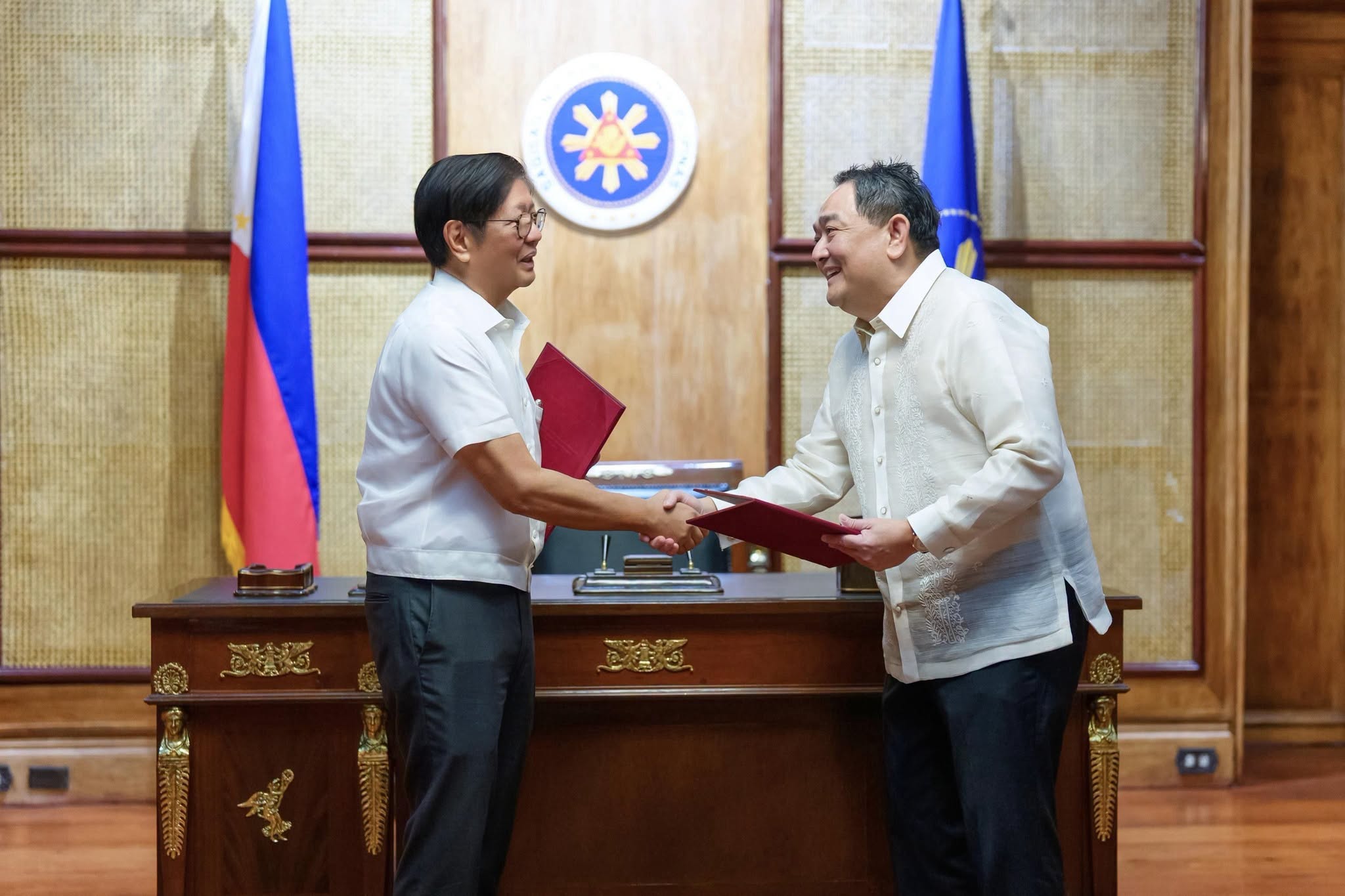
President Marcos expressed confidence in the newly appointed officials, particularly highlighting De Claro’s extensive experience in information technology, digital banking, and corporate management.
New DICT Chief Prioritizes Cybersecurity and Digital Accountability
Taking the helm of the DICT, De Claro outlined his immediate priorities, including strengthening cybersecurity measures, protecting children from online threats, and conducting a comprehensive review of the department’s ongoing programs and financial operations.
Among the pressing concerns he intends to address are online grooming, violent extremist content targeting minors, and proposed restrictions on social media platforms for younger users.
De Claro emphasized that prevention remains essential in addressing digital threats, stressing the importance of proactive monitoring and collaboration with technology companies, government agencies, and other organizations involved in online child protection.
He also committed to reviewing the DICT’s projects, budgets, and procurement procedures to identify areas requiring improvement and ensure greater transparency in the use of public resources.
The new secretary said he expects to establish a comprehensive action plan within three months, providing a clearer direction for the department’s digital transformation and cybersecurity initiatives.
His appointment comes as the DICT faces scrutiny over the alleged “ghost internet” controversy involving government-funded connectivity projects. The issue has raised concerns about the implementation, monitoring, and effectiveness of public internet services in various communities.
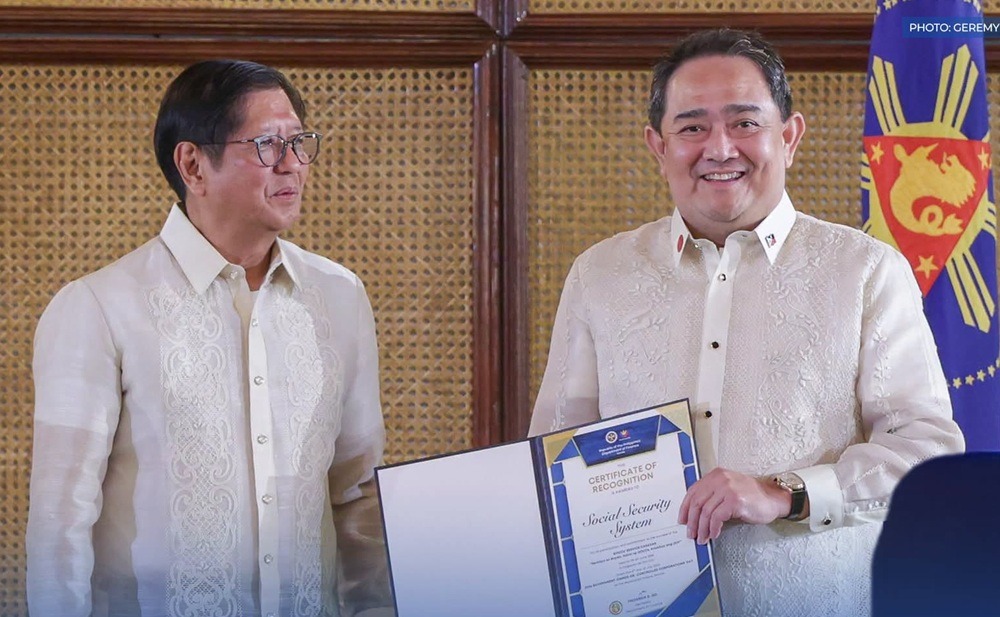
De Claro acknowledged the importance of ensuring that internet facilities installed through government programs remain functional and accessible to their intended beneficiaries.
According to the new DICT chief, approximately 12,000 free Wi-Fi sites have been installed nationwide, with the government targeting an expansion to 20,000 sites before the end of 2026.
He stressed that internet service providers must also take responsibility for ensuring that equipment and connectivity services continue operating properly after installation.
Before his appointment, De Claro led the SSS and held significant positions in the financial and technology sectors. His professional background includes involvement with UnionBank and UnionDigital Bank, providing him with experience in digital financial services and technology-driven operations.
Cayetano Vows More Accessible and Responsive Government Communication
Meanwhile, newly appointed PCO Secretary Lino Cayetano pledged to strengthen the government’s communication strategies by making public information more accessible, timely, and responsive to the needs of Filipinos.
Cayetano, who previously served as general manager of the state-run People’s Television Network (PTV), emphasized the importance of maintaining open communication between the government, media organizations, and the public.

He explained that effective government communication should not be limited to delivering official announcements but must also involve listening to the concerns and experiences of ordinary citizens.
Drawing from his experience in local government, Cayetano highlighted the value of direct engagement and two-way communication in building public trust.
The new PCO chief also expressed his intention to strengthen relationships with journalists and other stakeholders while exploring communication platforms that can reach Filipinos both within the country and overseas.
Cayetano acknowledged the challenges of delivering government information to a diverse population, noting that public messages must be clear, relevant, and accessible across different communities.
He also indicated that organizational adjustments within the PCO may be considered as he assembles a team aligned with the administration’s communication priorities.
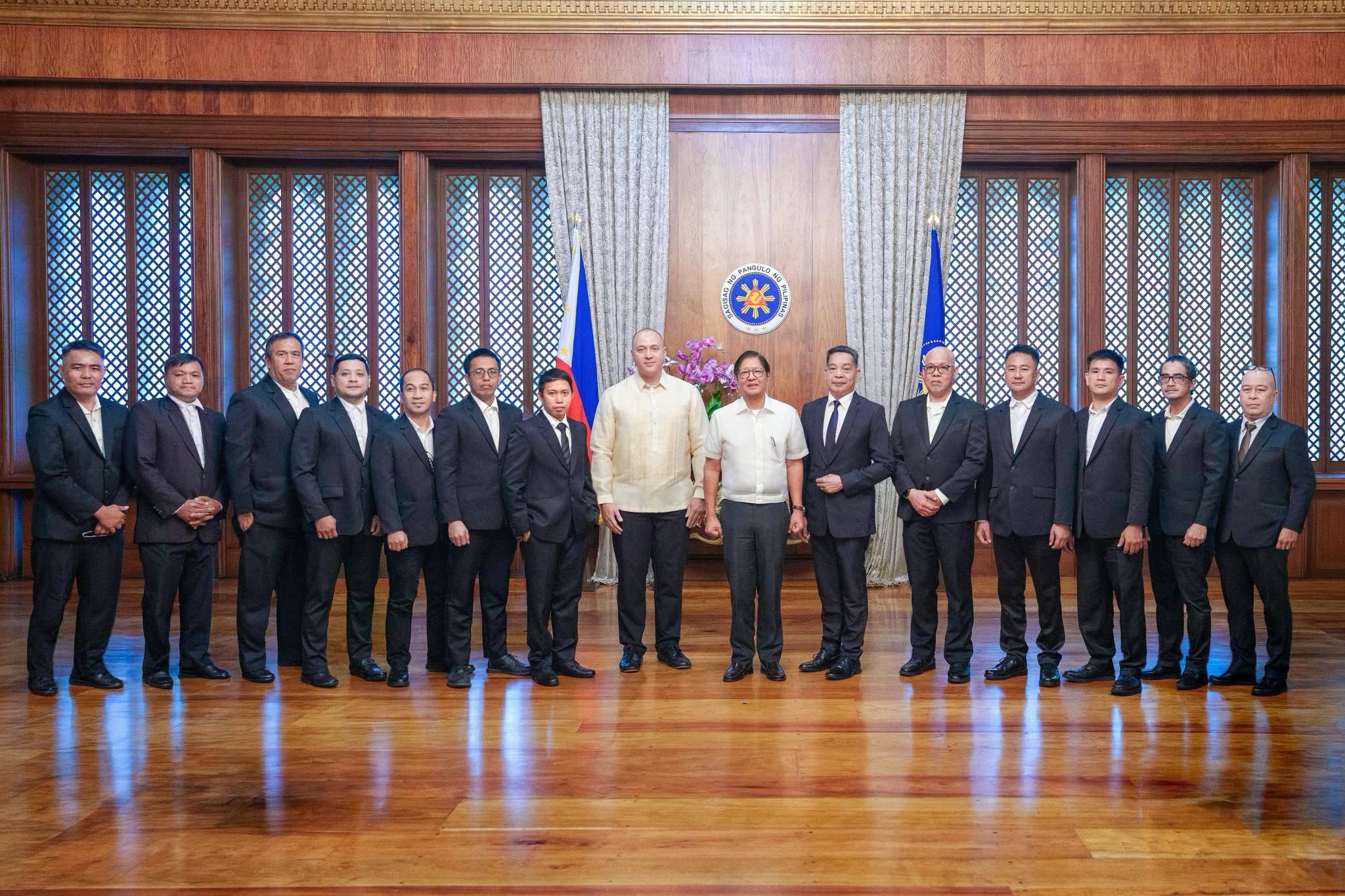
A former mayor of Taguig City, congressman, and filmmaker, Cayetano brings experience in public service and media production to his new position.
He becomes the sixth official to lead the Presidential Communications Office under the Marcos administration.
Leadership Changes Signal New Priorities
The appointments come at a time when the government faces growing demands for improved digital services, stronger cybersecurity safeguards, and more transparent communication with the public.
For the DICT, De Claro’s leadership will be closely watched as the agency addresses questions surrounding government connectivity projects while pursuing the expansion of digital infrastructure and online protection initiatives.
For the PCO, Cayetano faces the challenge of strengthening public engagement and ensuring that government policies, programs, and announcements are effectively communicated to Filipinos.

Both appointments reflect the administration’s effort to place experienced officials in agencies that play increasingly important roles in public service delivery and government accountability.
As the new secretaries begin their respective duties, attention will turn to how their proposed reforms translate into measurable improvements in digital connectivity, online safety, and public access to government information.