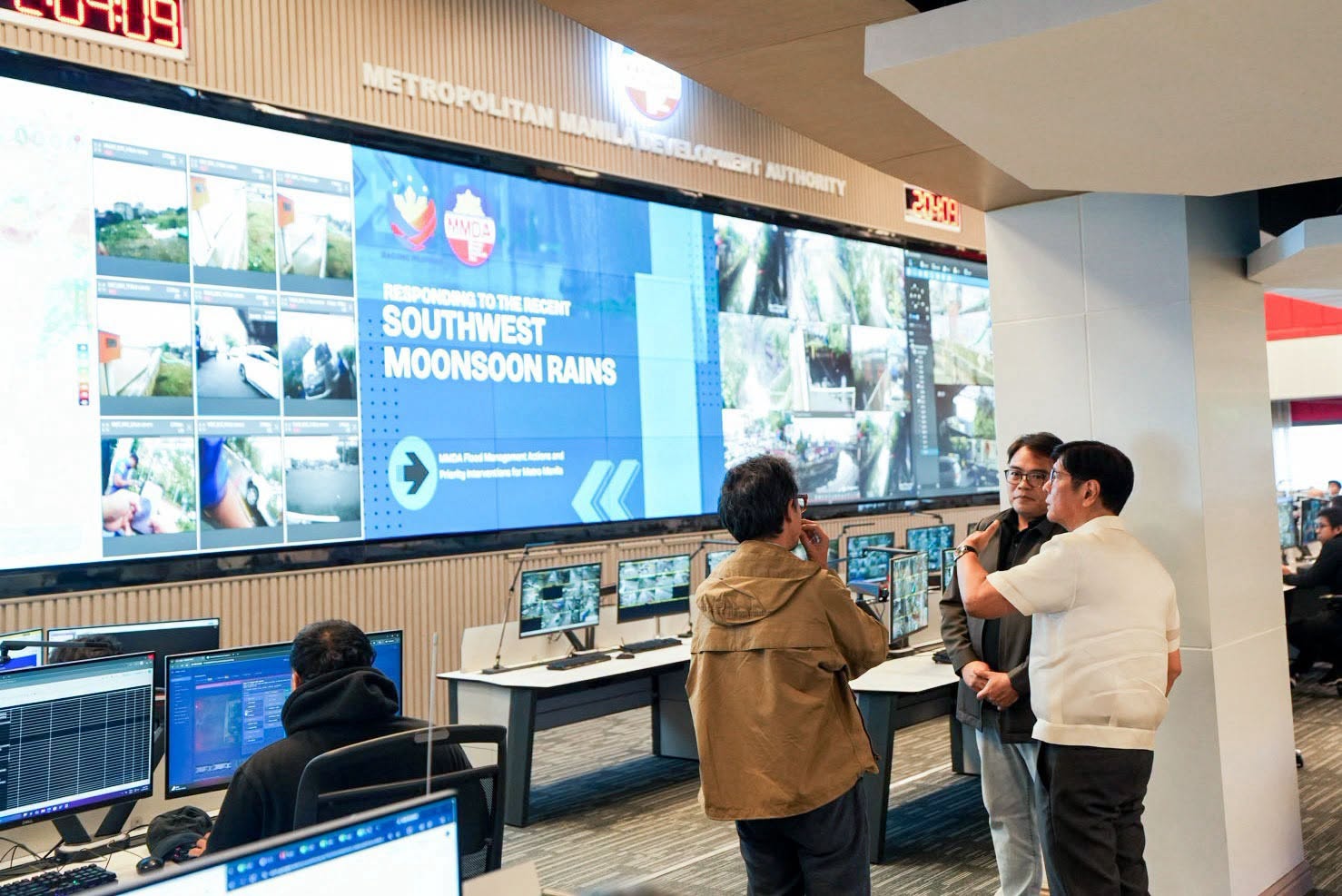

MANILA, Philippines — President Ferdinand Marcos Jr. said the government has identified 30 potential sites in Metro Manila where underground water-storage facilities could be constructed as part of long-term efforts to address flooding in the capital.
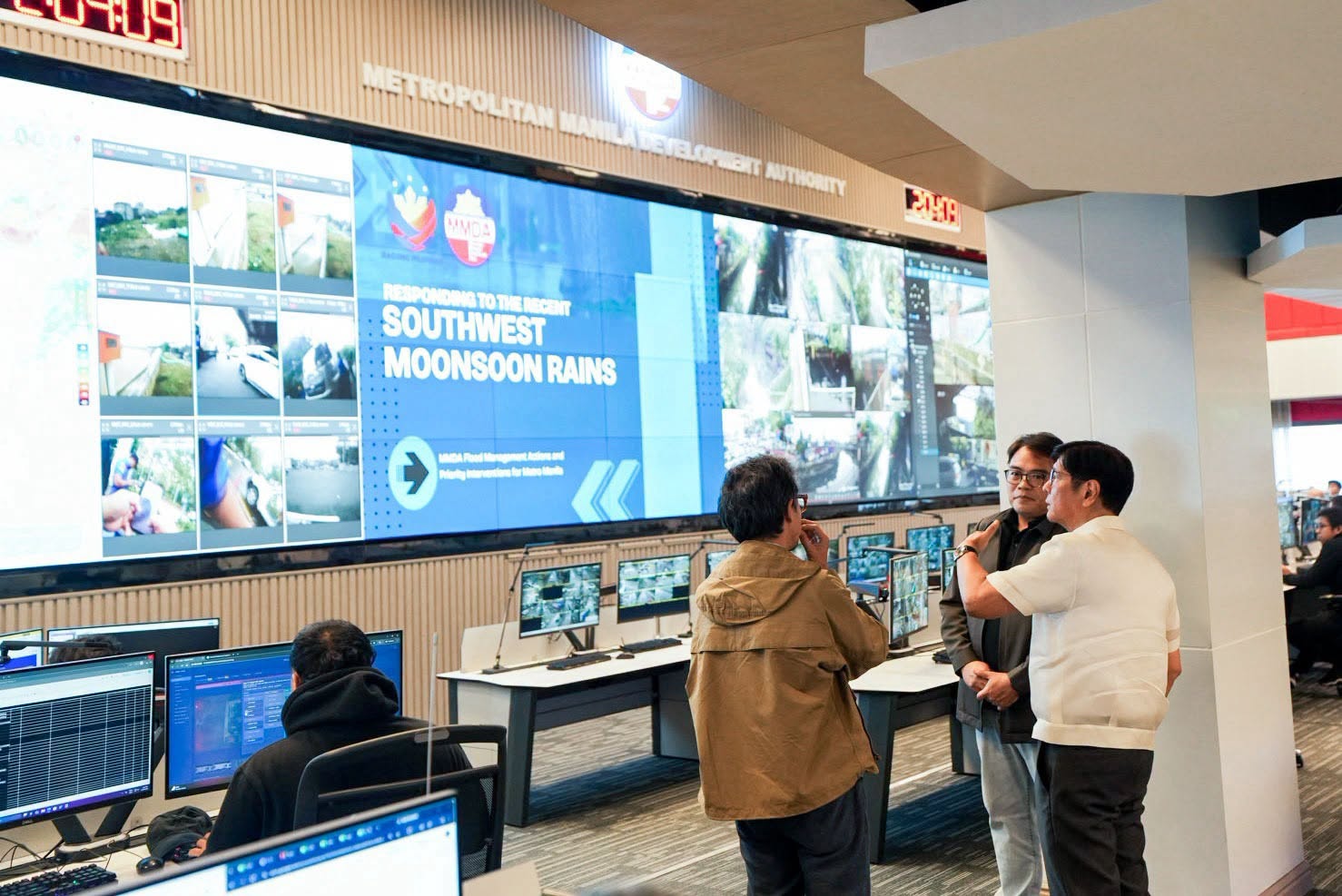
Marcos made the announcement on Wednesday, August 19, following a situation briefing at the Metropolitan Manila Development Authority (MMDA) Communications and Command Center in Pasig City. He said the proposed underground cisterns would temporarily store large volumes of rainwater during heavy downpours, reducing pressure on the city’s drainage and flood-control systems.
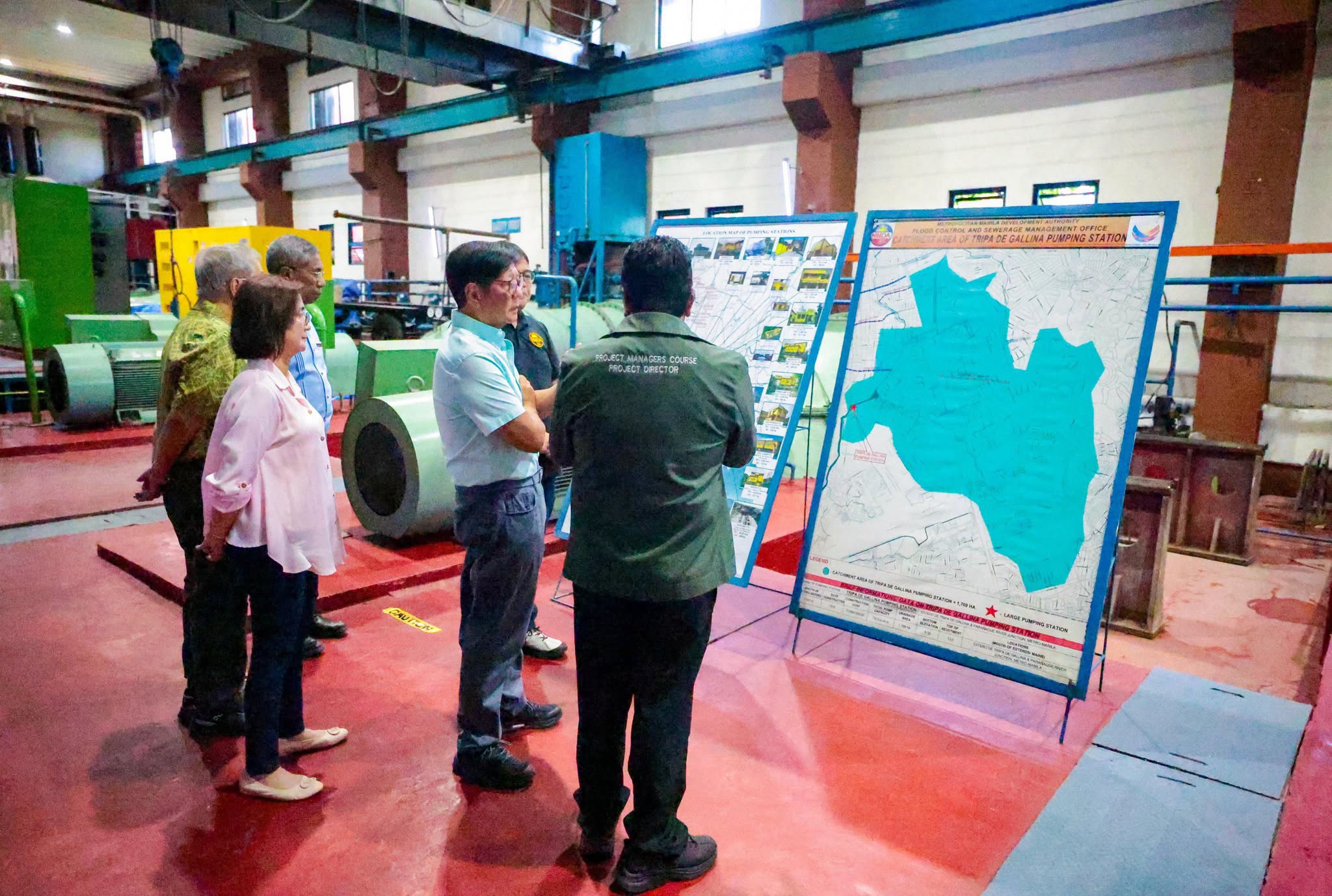
Among the areas being considered are Raja Sulaiman, the Rizal Memorial Sports Complex, Camp Aguinaldo, and the University of Santo Tomas campus.
The proposed facilities could be built beneath existing open spaces, including football fields and other large areas, with the surface restored after construction. The government is currently coordinating with the institutions and authorities managing the identified sites.
Marcos said detailed engineering studies are expected to be completed within the month. Once the plans are finalized, the government will prioritize the sites and proceed with excavation.
The President also directed officials to explore ways to make productive use of the water that would be collected instead of simply releasing it into the sea. Depending on its quality and treatment requirements, the stored water could potentially be used for household, industrial, or irrigation purposes.
The proposal forms part of the administration’s broader flood-mitigation strategy, which includes improving drainage systems, upgrading pumping stations, and continuing dredging operations.
According to Marcos, around 201.7 millimeters of rain fell within five hours during the recent southwest monsoon rains. He said the volume was equivalent to nearly 50,000 Olympic-sized swimming pools and highlighted the need for additional infrastructure capable of managing increasingly intense rainfall.
The President said improvements in drainage, pumping and waterway clearing have already helped reduce flooding and shorten the time needed for floodwaters to recede in some parts of Metro Manila.
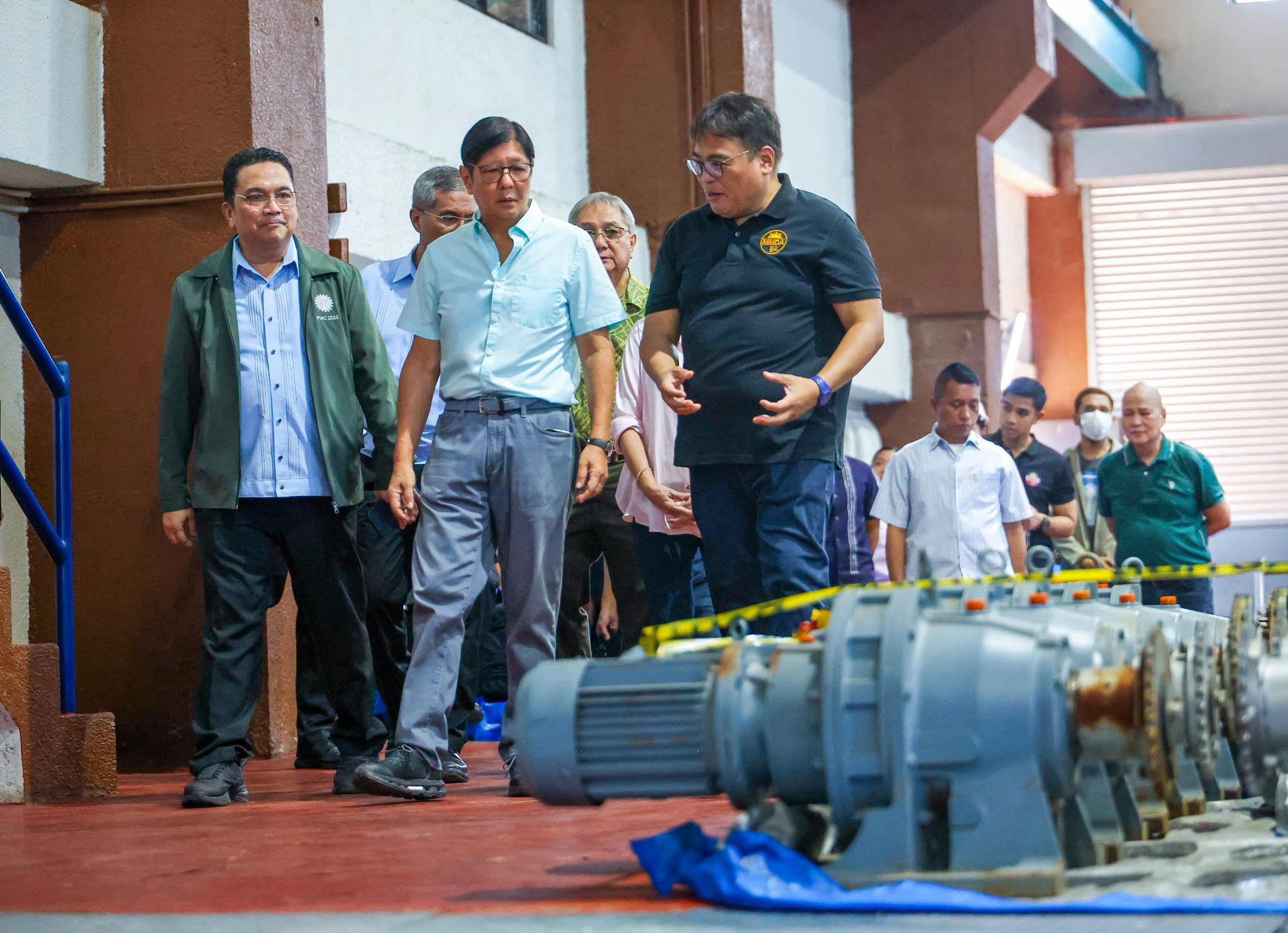
He noted, however, that more work remains to be done and stressed the need for solutions covering the immediate, medium-term and long-term needs of flood-prone communities.
The recent flooding affected around 4,700 barangays and 1.7 million families, with 27 deaths and 17 injuries reported during the situation briefing.
Marcos said the proposed underground storage facilities would complement existing flood-control measures and provide additional capacity as the country faces increasingly frequent and intense rainfall associated with climate change.