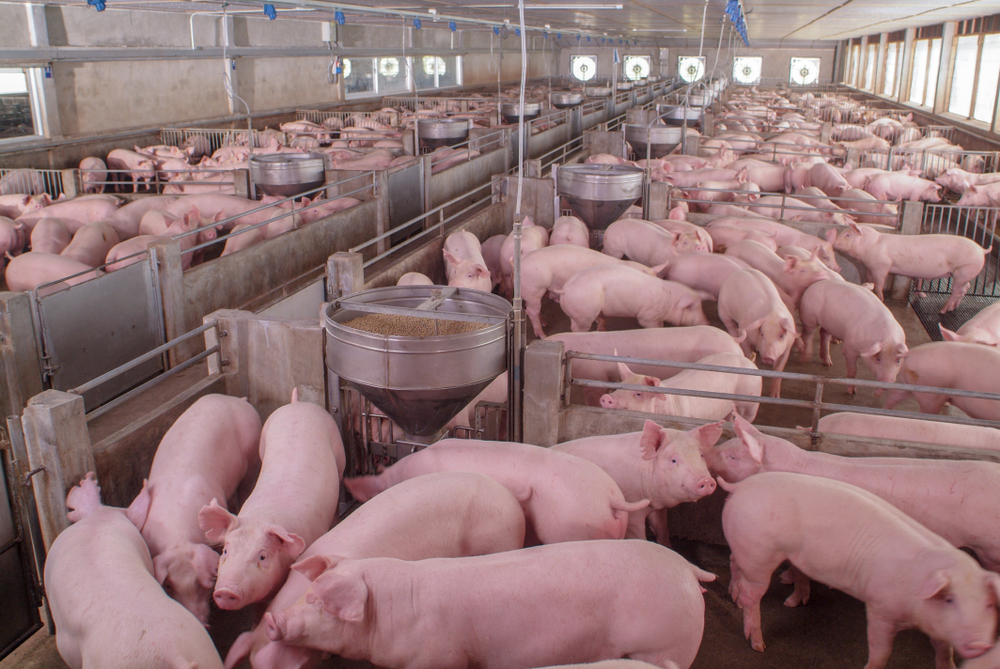

The Cebu provincial government has reaffirmed its stance on safeguarding the province’s multi-billion-peso swine industry by maintaining strict border controls and quarantine protocols against African Swine Fever (ASF). Following the issuance of Executive Order No. 39, local authorities imposed a temporary 45-day ban on the entry of live hogs, fresh pork, and processed pork products originating from Negros Island and other ASF-affected regions. Provincial officials have explicitly clarified that the 45-day duration serves as a initial timeline and could easily be extended depending on evolving disease developments in neighboring provinces.
The decision to establish tight restrictions comes as localized ASF outbreaks continue to resurface across parts of the Visayas region. Despite these surrounding threats, Cebu maintains a disease-free status according to routine surveillance conducted by the Department of Agriculture and the Bureau of Animal Industry. To protect the local livestock sector—which supports thousands of backyard raisers and commercial producers—the provincial government is prioritizing proactive containment over reactive measures, choosing to keep entry points under high alert rather than risk an outbreak.
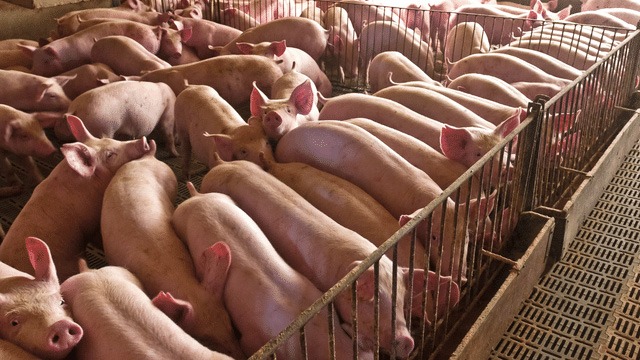
A major focal point of the current quarantine strategy is the enforcement of border inspections across seaports, airports, and coastal municipalities. Local government units, in coordination with the Philippine Coast Guard, the Philippine National Police, and the Cebu Port Authority, have intensified surveillance along key maritime transport routes. Special focus has been directed toward monitoring smaller coastal towns—such as Santander, Samboan, and Dumanjug—where nighttime and early morning shipments present an elevated risk of illegal livestock movement.
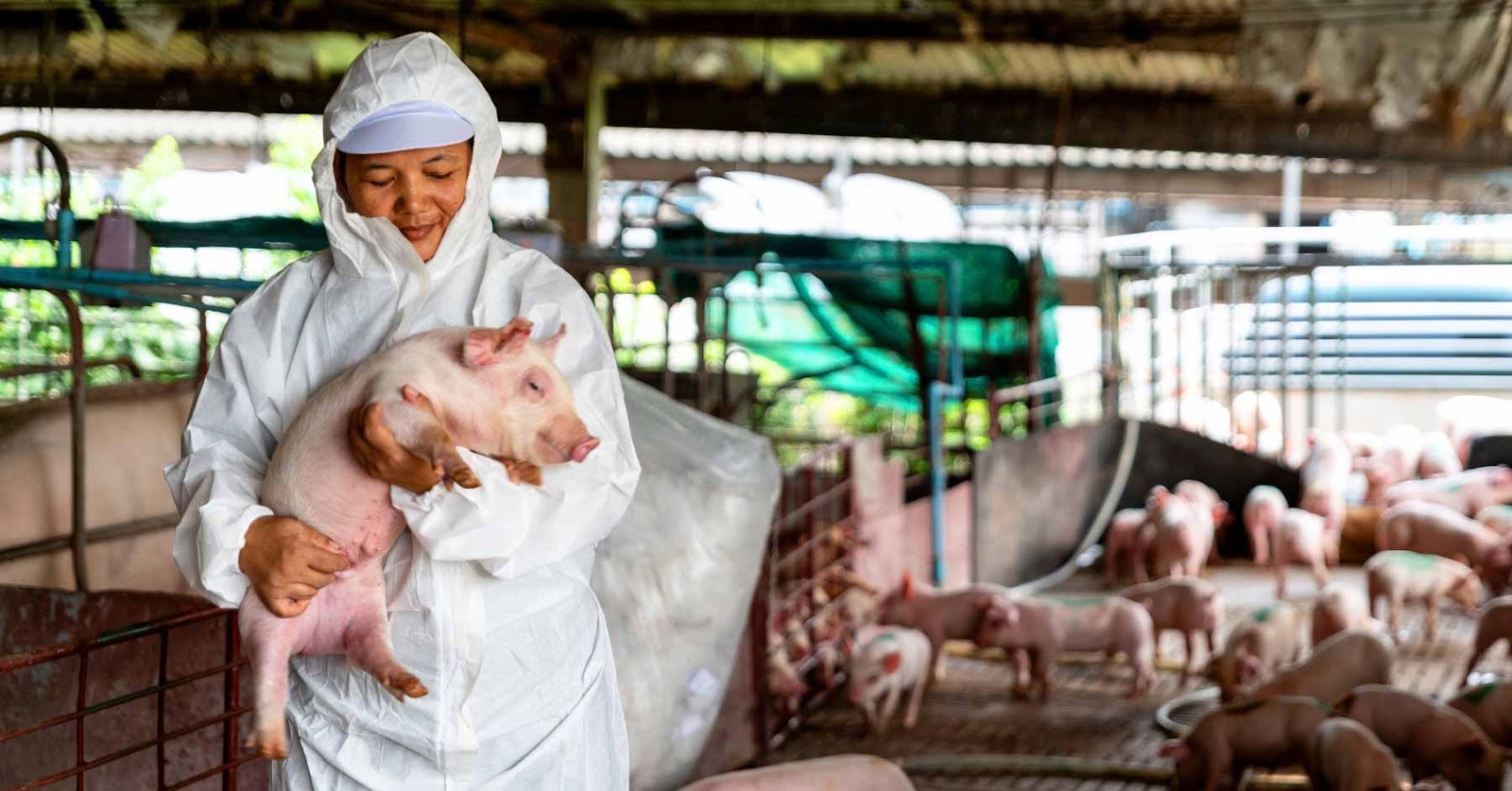
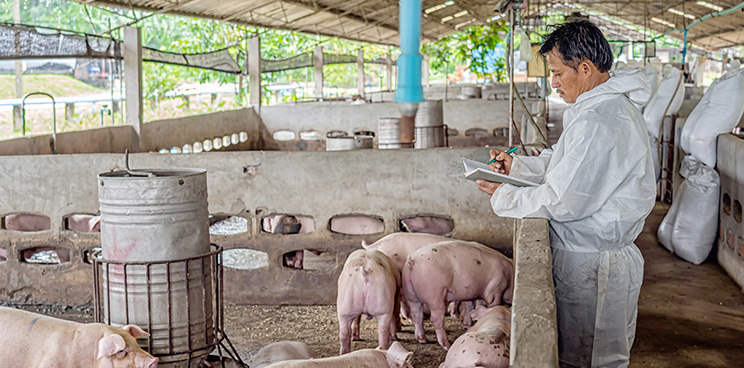
Beyond border enforcement, provincial veterinary officers are urging commercial swine farmers and smallholder raisers to step up internal biosecurity practices. Industry stakeholders are directed to restrict access to farm facilities, enforce strict vehicle and footwear disinfection, and completely avoid swill feeding practices that often serve as primary vectors for viral transmission. Routine blood sampling, rapid testing, and monitoring of local slaughterhouses also remain fully operational across component cities and municipalities to ensure early detection.
As the provincial government regularly re-evaluates the epidemiological situation alongside national agricultural agencies, the timeline for lifting border restrictions remains flexible. Authorities stress that economic stabilization and consumer food security depend directly on preserving the health of local livestock. Until neighboring areas demonstrate clear containment of the virus, Cebu’s strict quarantine barriers and heighted task force operations will stay firmly in place to protect the province’s vital agricultural sector.
with additional report: https://businessmirror.com.ph/