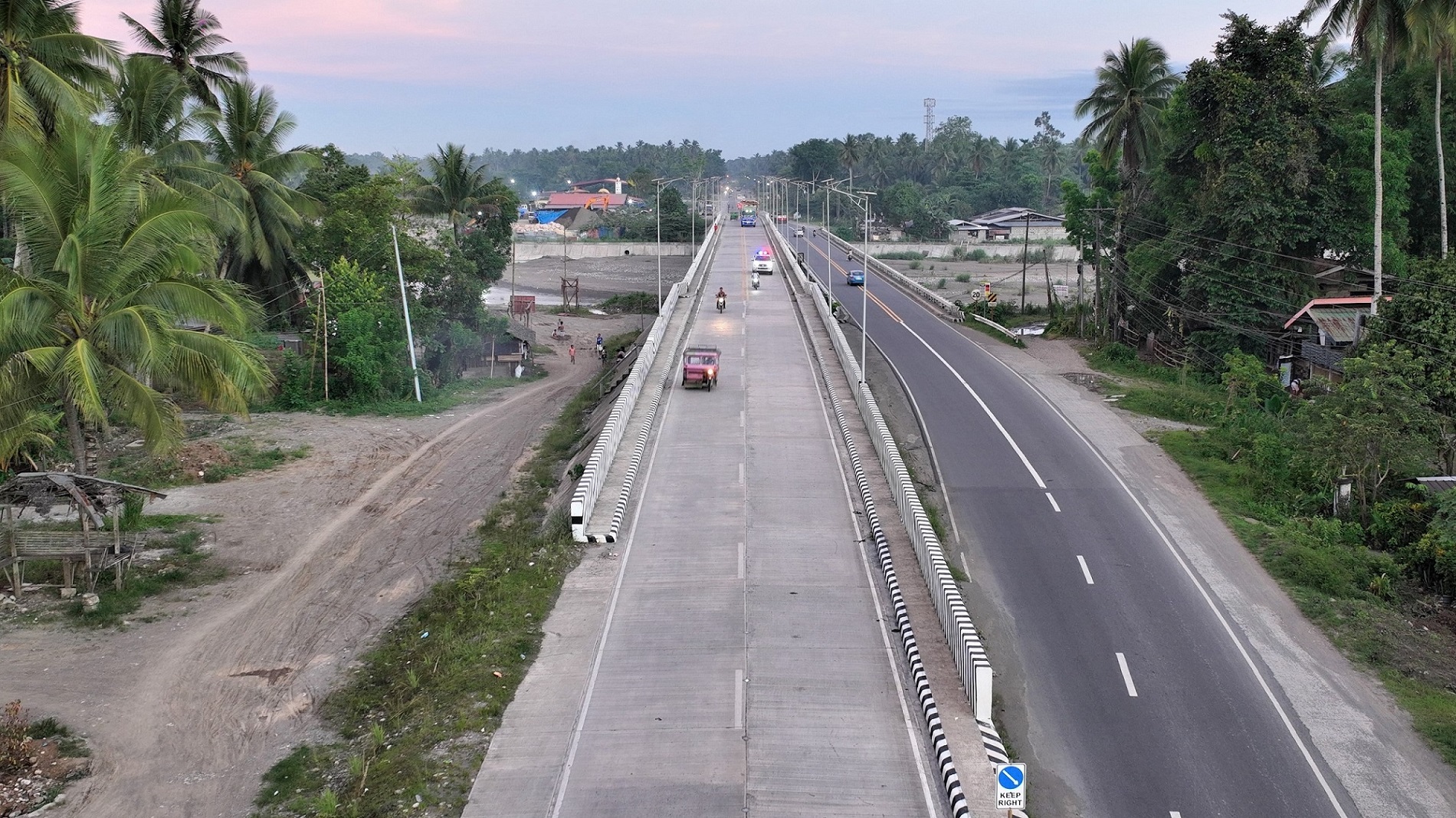

The Department of Public Works and Highways is rapidly closing in on the completion of the massive rehabilitation of the Maharlika Highway, with the target finish date set firmly for August. President Ferdinand R. Marcos Jr., alongside Public Works and Highways Secretary Vince Dizon, recently conducted a comprehensive on-site inspection of the ongoing roadworks in Pinabacdao, Samar, to evaluate the structural integrity and pacing of the project. Spanning over 3,300 kilometers as the primary backbone connecting Luzon, the Visayas, and Mindanao, the historic arterial network is undergoing its first thorough, non-patchwork transformation to lift commuters out of decades of severe transit delays.
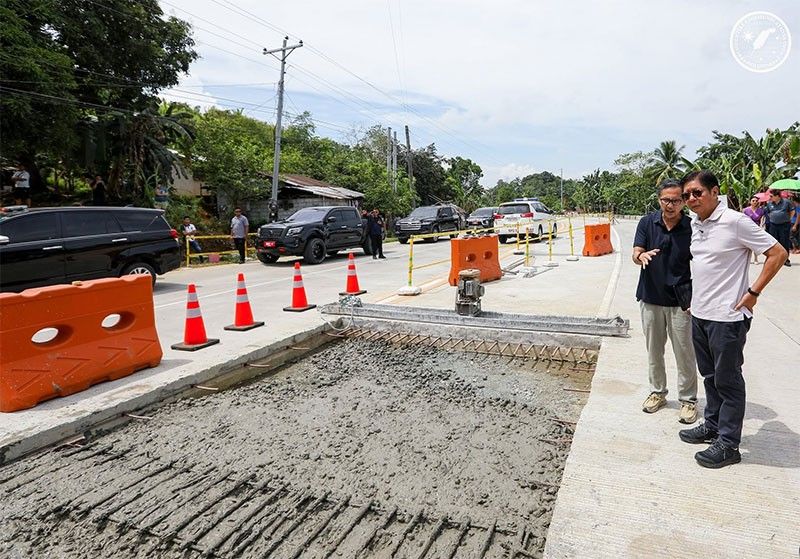
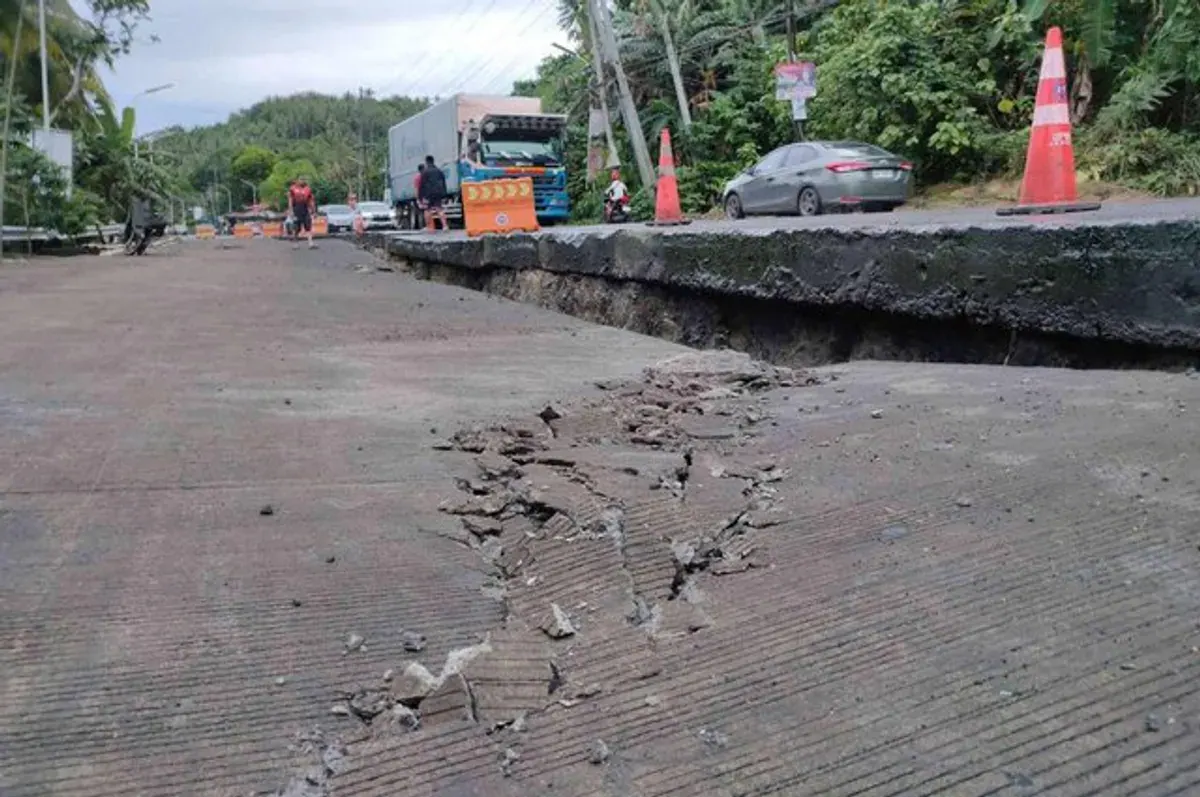
For years, the Samar section of the Pan-Philippine Highway has been notorious for its deep potholes, severe mud tracking, and weather-induced degradation, factors that regularly triggered extreme gridlocks and dangerous vehicular accidents. President Marcos expressed that navigating massive road craters should never have been considered an acceptable or normal part of a Filipino motorist’s journey. The current administration has allocated a substantial initial funding pool of 16 billion pesos to implement top-tier engineering standards across all deteriorated segments, steering away from temporary asphalt remedies and shifting toward enduring concrete infrastructure.
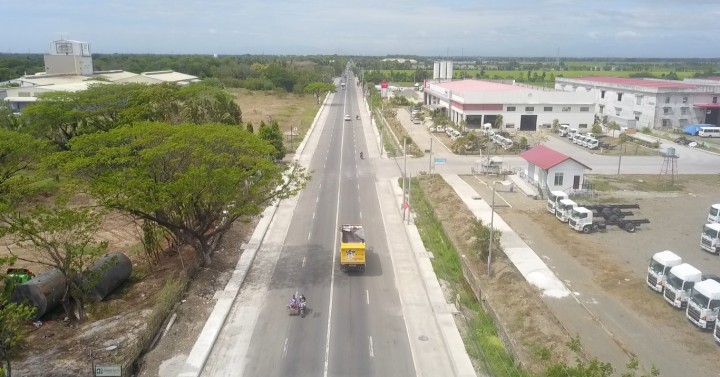
The immediate socioeconomic payoff of the August deadline is poised to radically alter the transit landscape of Eastern Visayas. Once fully opened, the smooth, modernized highway will slice the travel time between Tacloban City and Catbalogan City from a grueling three hours down to just one hour and 45 minutes. This drastic reduction will yield massive logistics savings for local farmers, logistics companies, and small entrepreneurs by dropping fuel expenditures and vehicle maintenance costs while dramatically accelerating the inter-island delivery of basic commodities.
Beyond its everyday economic contributions, the revamped highway is designed to act as a lifeline during extreme weather emergencies. Given that Eastern Visayas frequently sits along the Pacific typhoon corridor, the reinforced, flood-resilient infrastructure will guarantee that critical evacuation lines remain functional during severe weather events. DPWH Secretary Dizon noted that building vital viaducts in low-lying sections ensures that delivery trucks carrying medical supplies and relief goods will no longer be forced to turn back due to standard road flooding, securing long-term regional resilience.
with additional report: https://www.philstar.com/