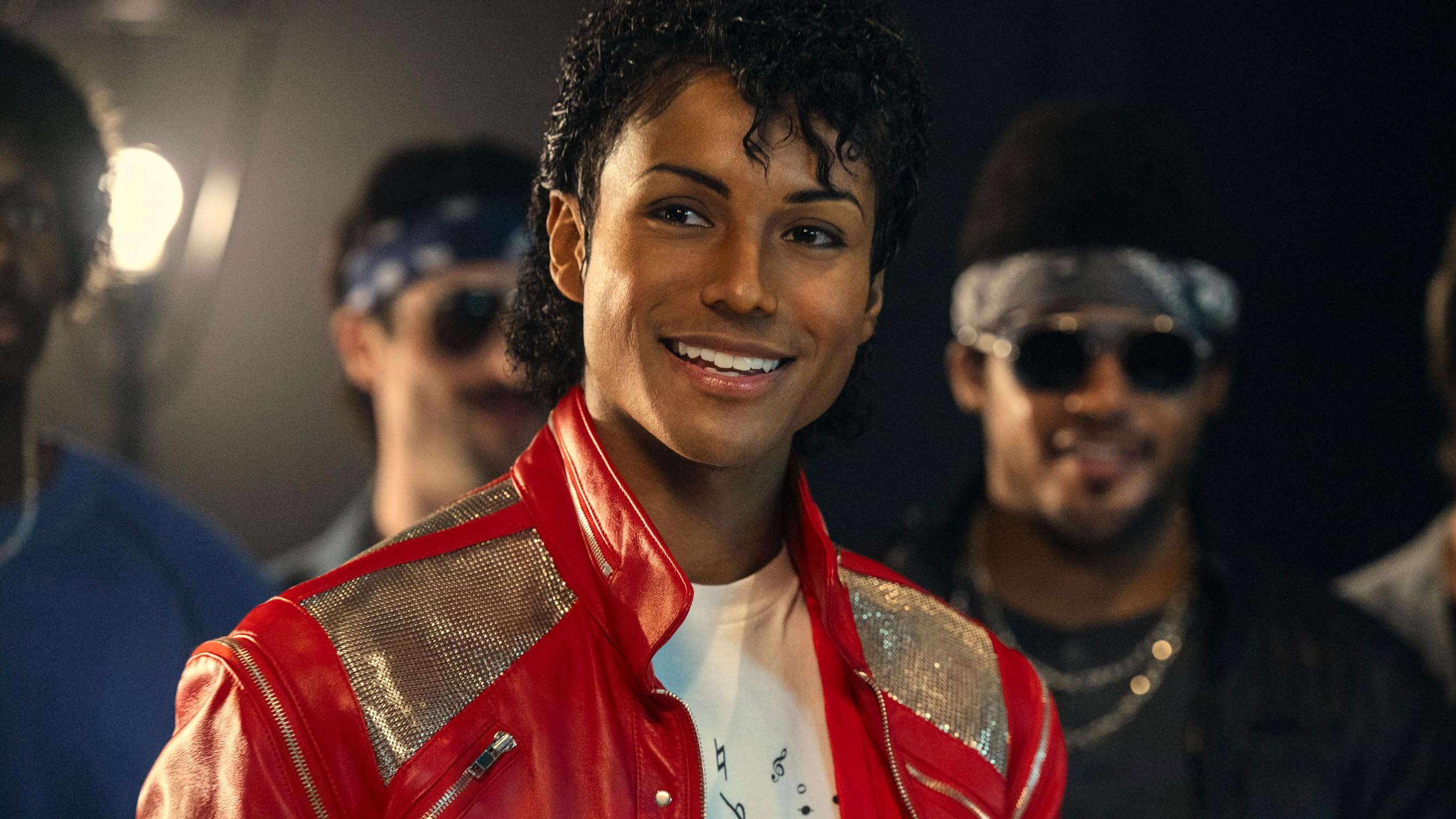

PMD is real. Post Movie Depression is real. And anyone who has watched Michael over the past few weeks probably understands exactly why.
Directed by Antoine Fuqua, the highly talked-about biopic has become more than just another music film — it has turned into a global emotional event. Since its release, social media timelines have been flooded with reactions, fan edits, standing ovation videos, emotional reviews, and nostalgic clips celebrating the life and legacy of Michael Jackson. Even younger audiences who did not grow up during Michael Jackson’s prime are now discovering the brilliance of the man who changed pop culture forever.

Before the film even premiered, controversy already surrounded it. Critics were divided after early Rotten Tomatoes reviews surfaced, with some questioning whether the movie could truly capture the complexity of Michael Jackson’s life. Reports from Forbes highlighted the skepticism surrounding the project. But despite the mixed critical reception, audiences responded in an entirely different way. Viewers embraced the film wholeheartedly.

At the center of the praise is Jaafar Jackson, whose portrayal of his late uncle has become one of the biggest surprises in Hollywood this year. What could have easily become an imitation instead transformed into something hauntingly authentic. Jaafar did not merely copy Michael Jackson’s voice, dance moves, or expressions — he captured his spirit.
There are moments throughout the movie where the resemblance becomes almost unbelievable. The smile, the gaze, the movements, the quiet sadness behind the eyes — it often feels less like watching an actor and more like witnessing Michael himself return to the stage one last time. For longtime fans, the experience becomes deeply emotional, almost surreal. And audiences clearly responded. According to reports from Deadline, People Magazine, and New York Post, MICHAEL has already become one of the highest-grossing biopics of all time. The film continues to dominate conversations online, proving that Michael Jackson’s influence remains untouched even years after his death.
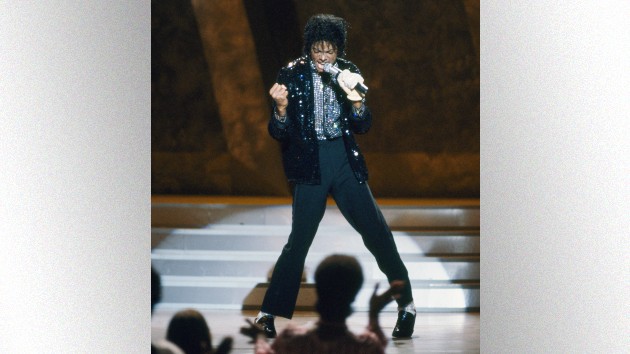
At the same time, the movie sparked a massive resurgence of Michael Jackson’s music worldwide. His iconic 1983 hit “Billie Jean” climbed back to No. 1 on Spotify Global charts and Billboard rankings, while millions returned to stream his legendary catalog. Reports revealed how the film reignited worldwide interest in his music, with both longtime fans and younger listeners rediscovering his timeless artistry.
But what truly makes MICHAEL unforgettable is not the choreography or the spectacle — it is the humanity. Watching the movie feels like traveling back to the 1980s, into the golden age of pop music, where every performance felt magical and every stage appearance felt historic. The production design, costumes, cinematography, and soundtrack immerse viewers so deeply that it no longer feels like a movie set. It feels alive.
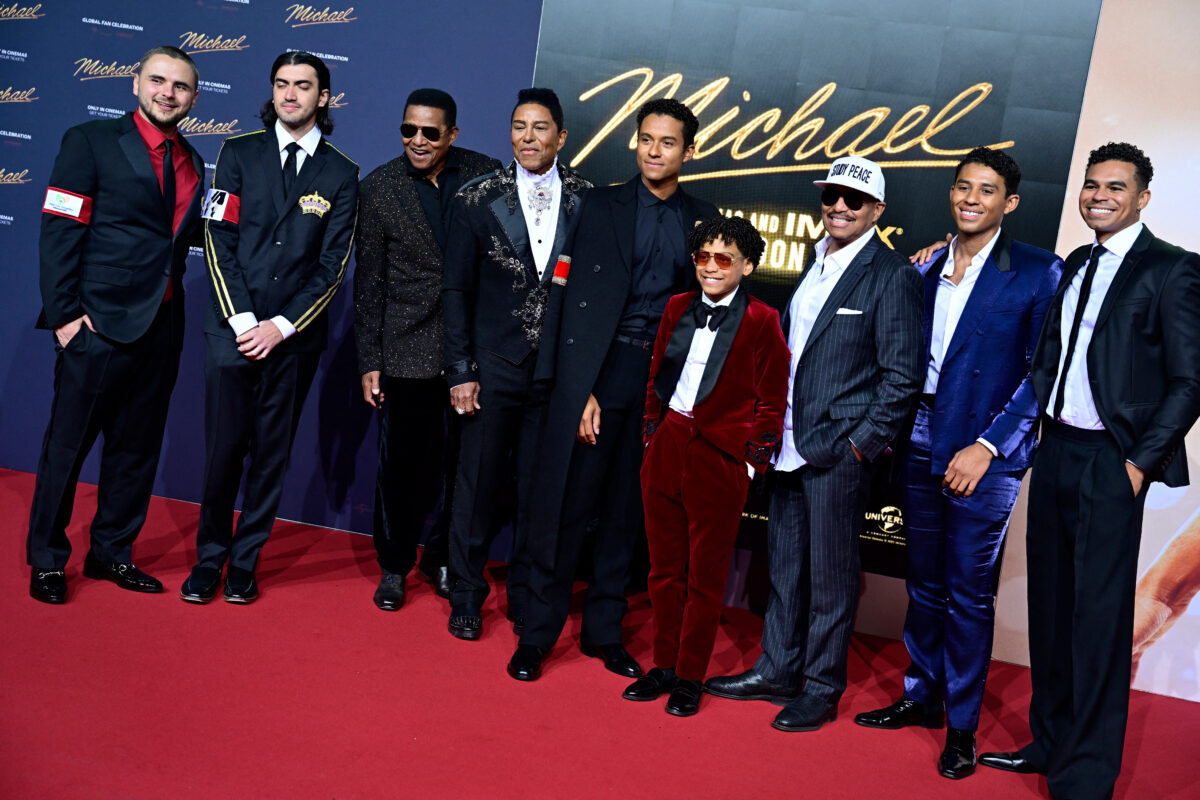
The supporting cast deserves immense recognition for fully embodying the people around Michael Jackson, making every scene emotionally believable. But the film’s strongest achievement lies in showing the man behind the fame.
Some viewers have pointed out that the story leans heavily toward Michael Jackson’s side, but many fans argue that this may also be the closest portrayal yet of the reality he lived through. The film reflects not only the superstar adored by millions, but also the deeply vulnerable person hidden behind the spotlight — a son pressured by expectations, a brother caught within family conflicts, and an artist desperately trying to protect the little peace he had left.
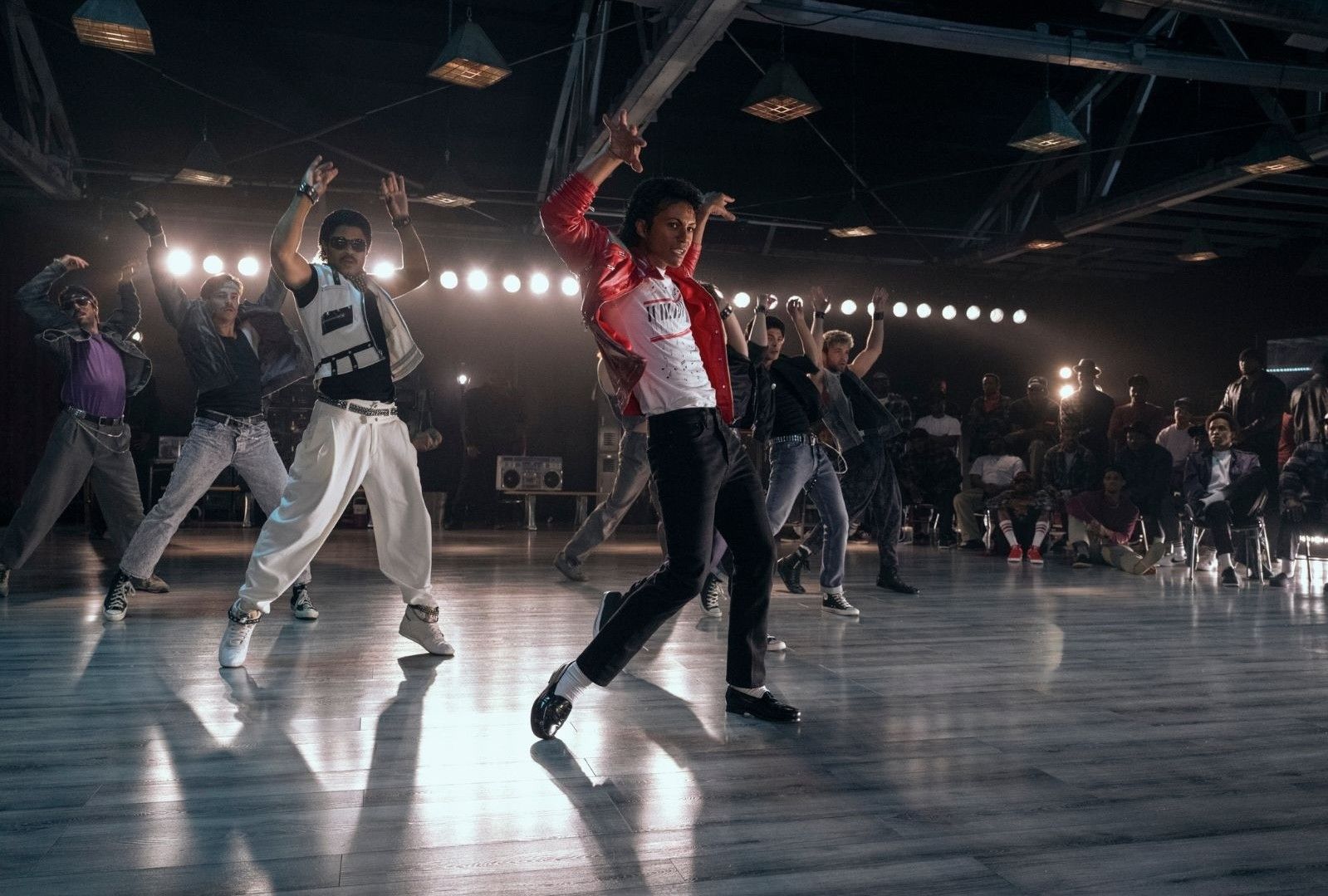
Jaafar Jackson carries these emotional layers with remarkable sincerity. He bares everything onscreen — the loneliness, the exhaustion, the fear, the innocence, and the longing for love beneath global fame. In many scenes, viewers are reminded that before Michael Jackson became a worldwide icon, he was simply human.
And perhaps that realization is what hurts the most after the credits roll. The performances of Human Nature and Billie Jean stand out as some of the film’s most powerful moments. The atmosphere inside the theater becomes electric yet emotional. For many fans, those scenes feel almost spiritual — as if Michael Jackson himself quietly appears through Jaafar, leaving behind one final performance for the people who never stopped loving him. That is why MICHAEL feels different from other biopics.
It does not simply celebrate fame. It mourns pain. It revisits trauma. It honors artistry. And most importantly, it reminds the world that behind the title “King of Pop” was a person who spent his entire life carrying both extraordinary love and extraordinary judgment.
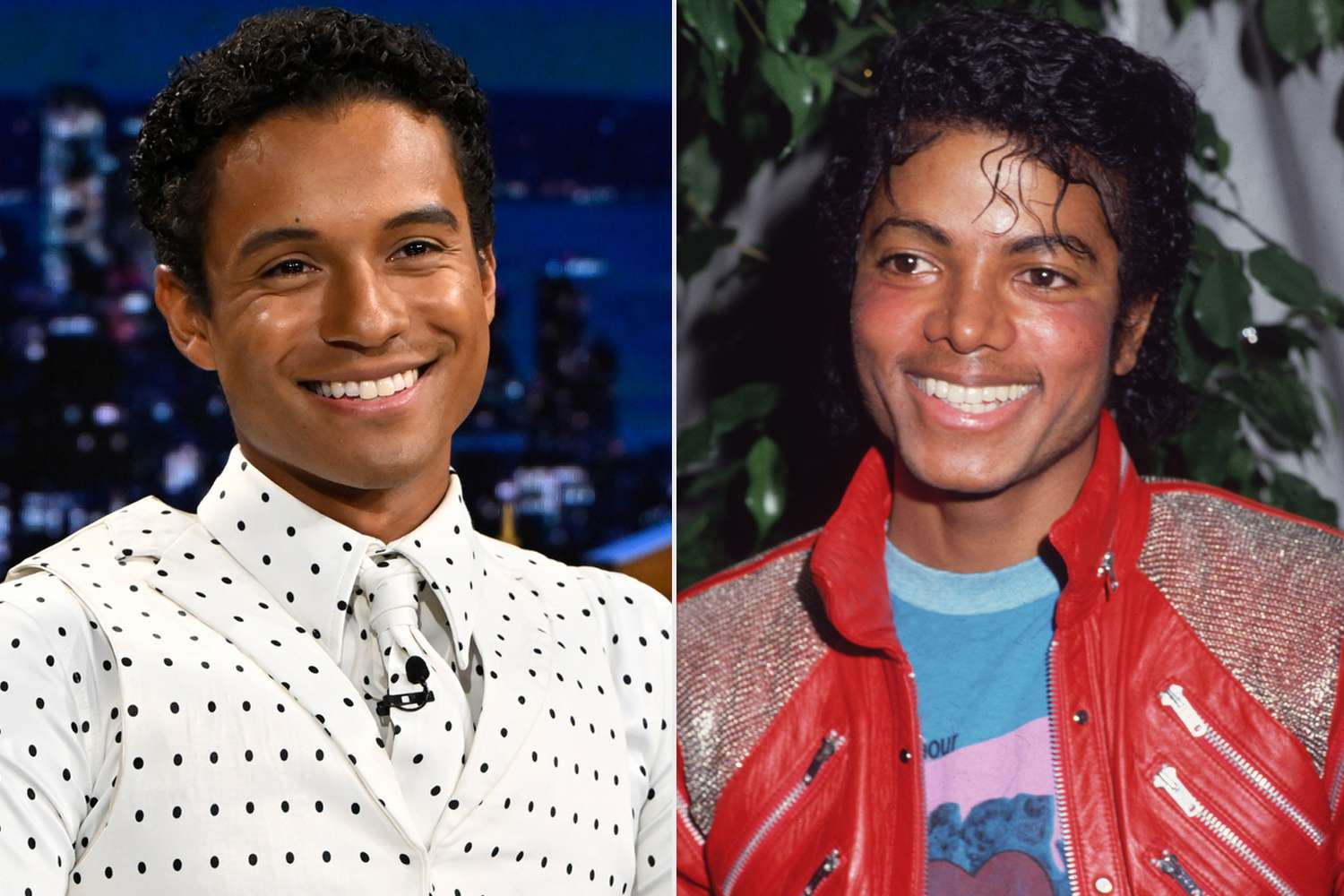
Now, audiences are already anticipating the film’s second chapter, which is expected to tackle the controversies and darker periods of Michael Jackson’s later years. Conversations online continue to intensify, while fans campaign for major awards recognition for the cast — especially Jaafar Jackson, whose performance many now consider Oscar-worthy.
But perhaps the greatest achievement of MICHAEL is this: it makes people feel for Michael Jackson again. After watching the film, many viewers leave the theater with the same lingering emotion — the urge to hug Michael Jackson, to protect him from the cruelty he endured, and to grieve the way the world treated him while he was alive.
And maybe that is why the movie stays with people long after it ends. Because once the credits roll, you do not simply walk away from MICHAEL. You carry him with you.
So for now, fans continue replaying the music videos, streaming the songs, revisiting the performances, and remembering the artist who changed music forever. Because even in 2026, Michael Jackson still has the rare ability to make the world stop, listen, dance, and feel.