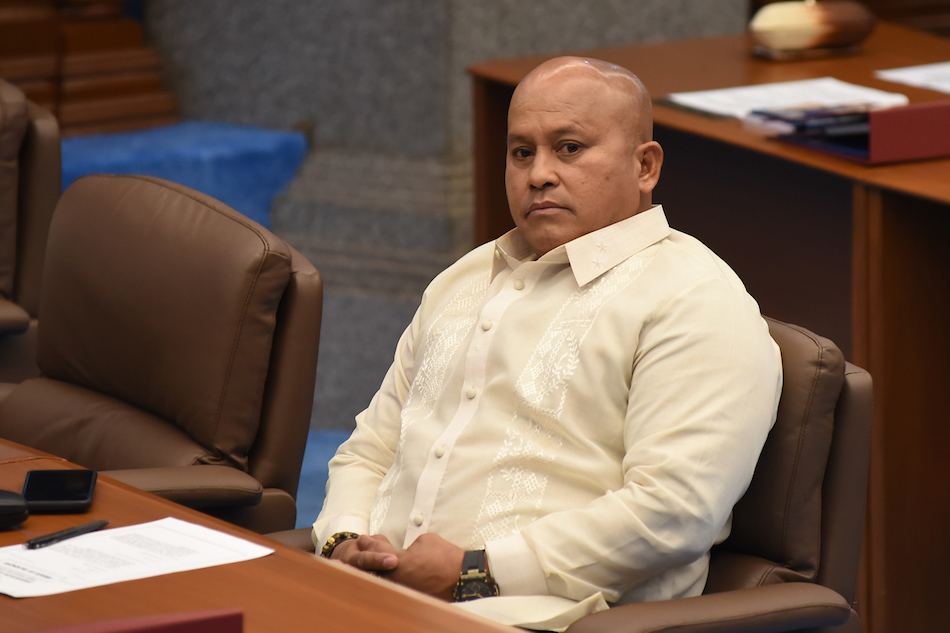
MANILA, Philippines — The Office of the Solicitor General (OSG) has urged the Supreme Court to reject Senator Ronald “Bato” dela Rosa’s petition seeking to stop the enforcement of the International Criminal Court (ICC) arrest warrant issued against him over alleged crimes against humanity tied to the Duterte administration’s bloody war on drugs.
In its comment submitted before the high court, the OSG argued that Dela Rosa’s plea lacked legal basis, stressing that Philippine authorities may lawfully cooperate with the ICC under existing domestic laws, particularly Republic Act No. 9851 or the Philippine Act on Crimes Against International Humanitarian Law, Genocide, and Other Crimes Against Humanity.


The government’s chief legal office emphasized that the Philippines “will never become a sanctuary for impunity,” maintaining that the ICC warrant against the senator remains enforceable and does not require additional court authorization before authorities can act on it.
The filing came amid growing public attention surrounding Dela Rosa’s attempts to seek protection from the courts after the ICC formally issued an arrest warrant against him earlier this month. The tribunal identified the former Philippine National Police chief as a possible “co-perpetrator” in the thousands of deaths linked to the anti-drug campaign launched during former President Rodrigo Duterte’s administration.
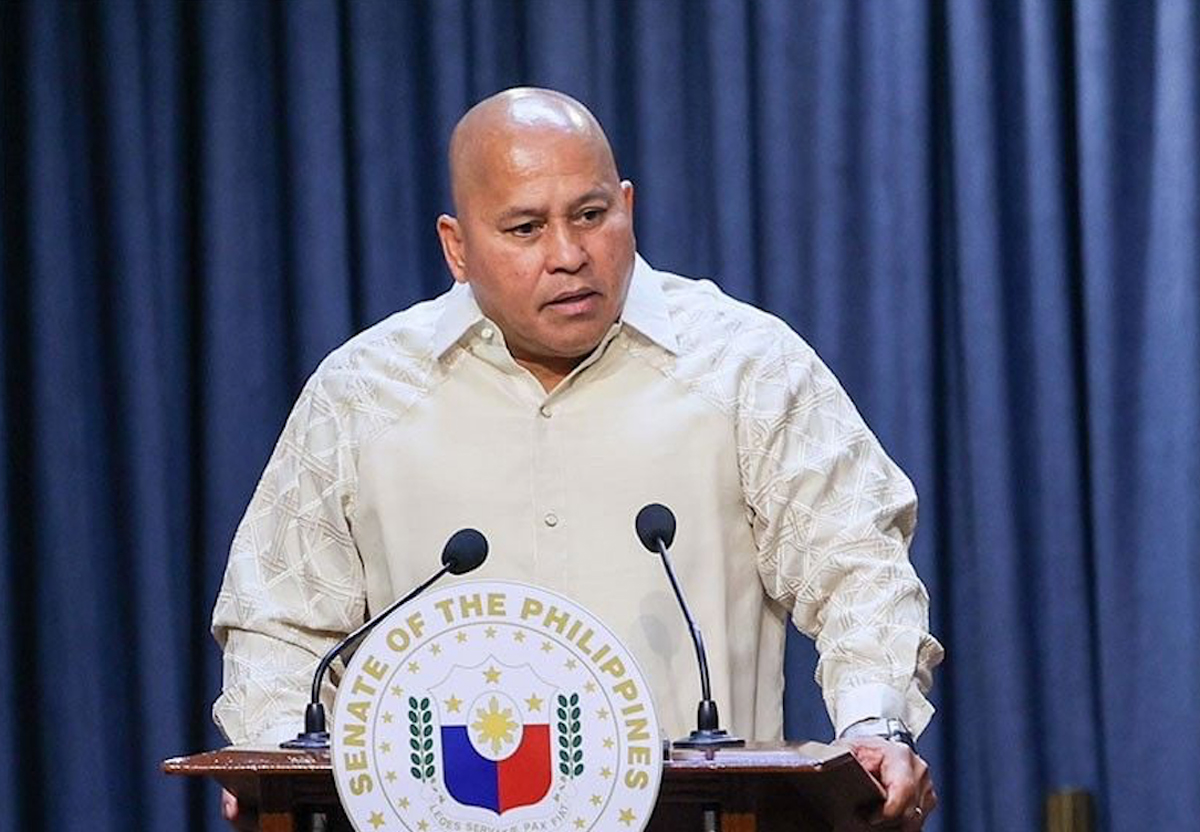
Dela Rosa previously asked the Supreme Court to issue a temporary restraining order (TRO) to prevent Philippine authorities from cooperating with the ICC and carrying out the warrant. However, the high court declined to immediately issue a TRO and instead directed government officials to respond to the senator’s petition within 72 hours.
The OSG also questioned the senator’s recent actions, saying his behavior appeared “consistent with those of a fugitive from justice,” following reports that he had allegedly avoided authorities during the tensions and security incidents that unfolded inside the Senate earlier this week.
The controversy intensified after gunshots were reportedly fired inside the Senate premises on May 13 amid attempts by law enforcement authorities to arrest Dela Rosa. The incident shocked the public and fueled criticism against several officials accused of helping shield the senator from arrest rather than allowing legal procedures to take place.
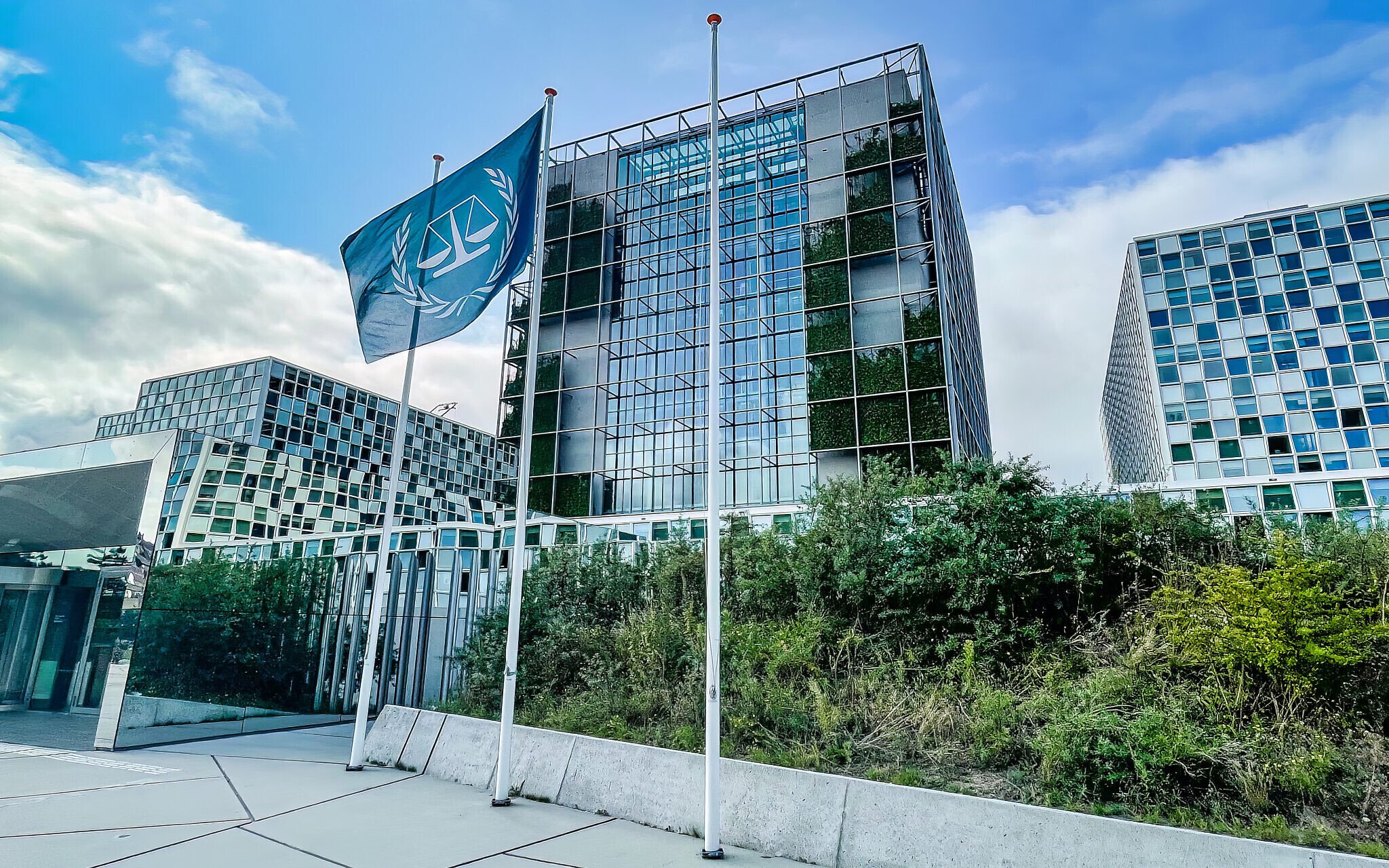
Human rights groups and legal experts continue to argue that the ICC retains jurisdiction over alleged crimes committed while the Philippines was still a member of the Rome Statute, despite the country’s withdrawal from the international tribunal in 2019. For many families of drug war victims, the recent developments represent a long-awaited step toward accountability after years of seeking justice.
The latest move by the OSG is being viewed as one of the strongest signals yet from the Philippine government that cooperation with international legal mechanisms may still proceed despite political pressure and resistance from some officials.
Author’s Note
Perhaps this moment should serve as a reminder that no public official is above the law — especially those who once enforced it themselves.
Senator Ronald “Bato” dela Rosa served as chief of the Philippine National Police and built his career around implementing the law and demanding obedience to it. Today, he faces allegations connected to one of the bloodiest chapters in recent Philippine history. If he truly believes in his innocence, then the proper response is not to flee from legal accountability, but to face the accusations head-on and defend himself through due process.
A senator, after all, should be an example of respect for the rule of law, not a symbol of how power and influence can be used to avoid it.
The same question must also be asked of officials and fellow lawmakers who continue to shield and protect someone already being treated as a fugitive. Public office was never meant to become a sanctuary from accountability. The law should protect the people, not the powerful.
And when institutions of justice begin appearing more committed to protecting political allies than pursuing accountability, it inevitably raises a difficult question: if a nation can no longer hold its own officials accountable, does international intervention become necessary to ensure justice is still served?