
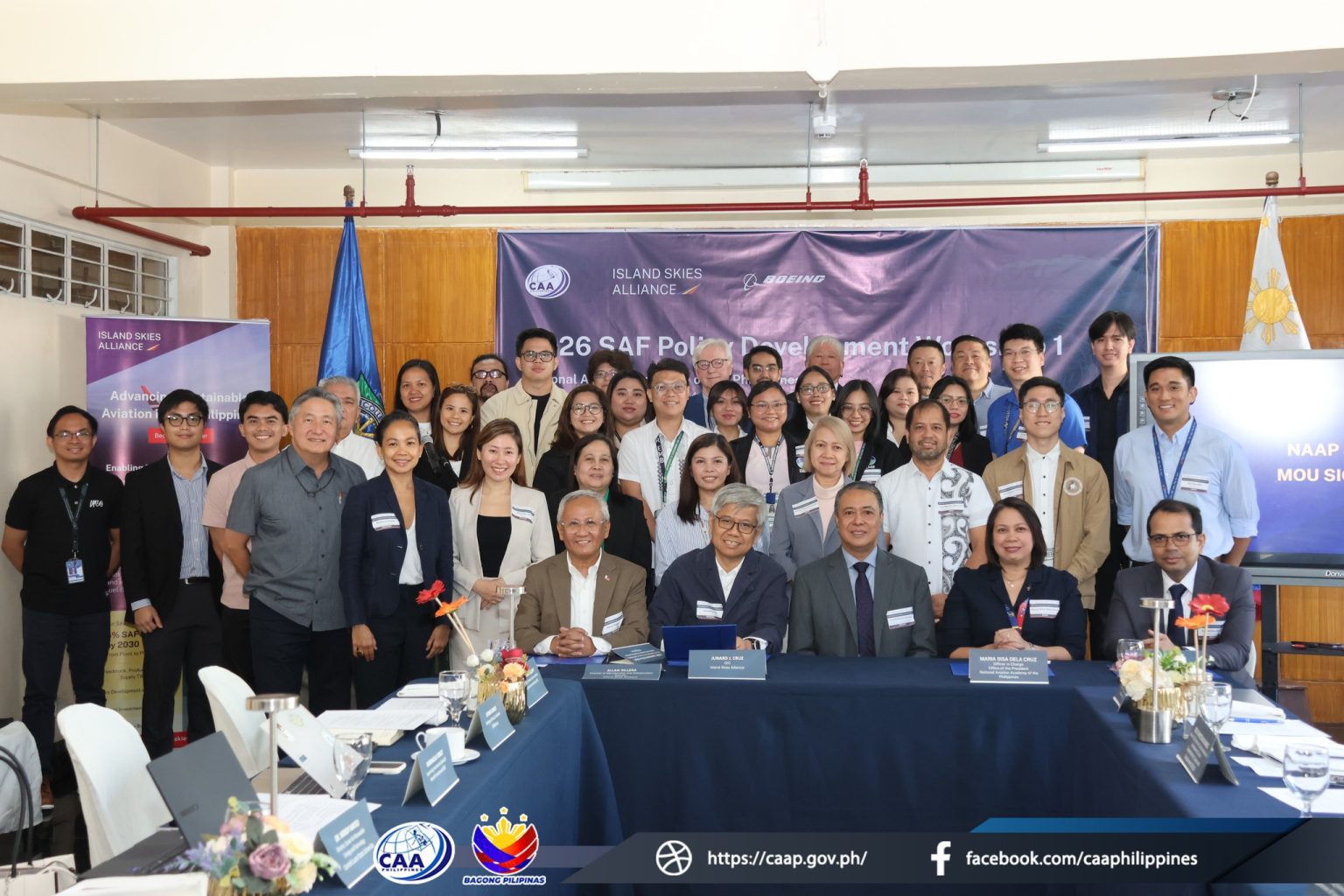
The Civil Aviation Authority of the Philippines (CAAP) is actively advancing the adoption of Sustainable Aviation Fuel (SAF) as part of a national strategy to decarbonize the aviation sector. During the 2026 Sustainable Aviation Fuel Policy Development Workshop held in late March, the agency highlighted its commitment to reducing the industry’s carbon footprint by as much as 80 percent. This initiative aligns with global efforts to achieve net-zero emissions and positions the Philippines to leverage its rich agricultural landscape for environmental and economic gain.
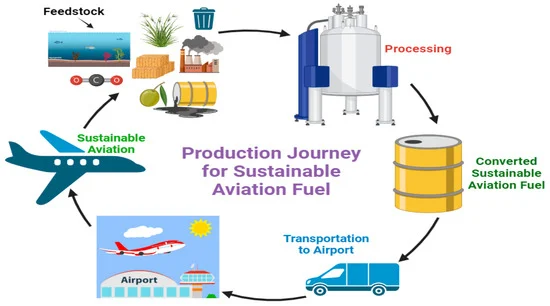
A primary advantage for the Philippines in this transition is the abundance of local agricultural waste, specifically from rice and coconut production. CAAP officials have noted that these materials can be converted into high-grade aviation fuel, providing a homegrown source of energy that reduces reliance on imported fossil fuels. By utilizing domestic feedstock, the program not only supports climate goals but also offers a potential boost to the local agricultural sector and provides a more stable supply chain for domestic carriers.
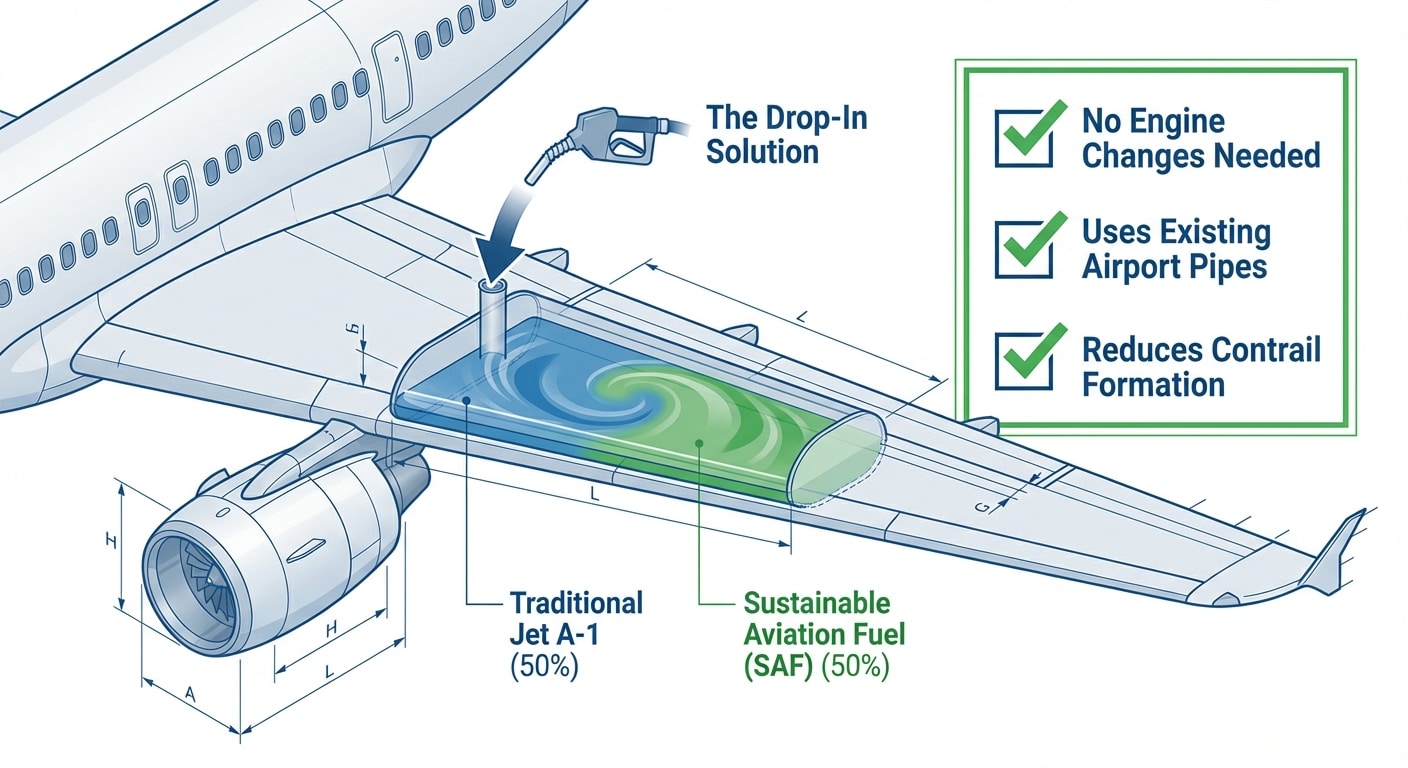
The transition to SAF is designed to be seamless for the aviation industry, as these bio-based fuels are “drop-in” solutions. This means they can be blended with conventional jet fuel and used in existing aircraft engines and fueling infrastructure without requiring expensive modifications. While currently used in limited capacities by local airlines like Cebu Pacific, CAAP is working to make SAF more accessible and commercially viable for all operators through collaboration with government partners and private stakeholders.
Moving forward, CAAP’s roadmap focuses on addressing key challenges such as production technology, regulatory frameworks, and investment opportunities. By establishing clear policies and incentives, the agency aims to foster a sustainable aviation ecosystem that promotes cleaner skies and job generation. As the Philippines continues to recover and expand its air travel network, the push for sustainable fuel ensures that growth remains compatible with the long-term protection of the environment.
With additional report: www.manilatimes.net