

The recent announcement regarding the cancellation of overseas licensure examinations has sent ripples of concern through the international Filipino professional community. For many overseas workers, these examinations represent a critical bridge toward career advancement and official recognition of their expertise while working far from home. The sudden suspension of these testing schedules forces a significant number of candidates to re-evaluate their professional timelines and long-term career goals in their host countries.
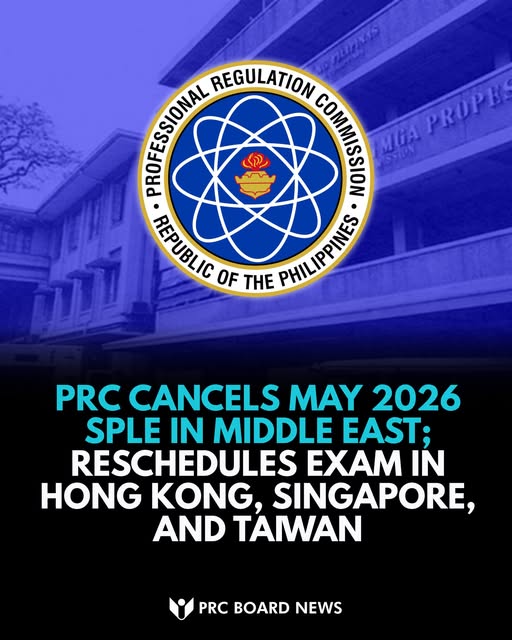
Regulatory bodies cited various administrative and logistical challenges as the primary drivers behind this difficult decision. Coordinating high-stakes examinations across international borders involves complex negotiations regarding venue security, proctoring standards, and local health protocols, all of which must align perfectly to ensure the integrity of the results. When these elements fail to synchronize, authorities often opt for cancellation to protect the credibility of the licensure process rather than proceeding under compromised conditions.

The impact on the affected professionals is both immediate and multifaceted. Beyond the loss of non-refundable fees in some instances, many candidates had invested months of rigorous study and personal sacrifices into their preparation. For those whose employment contracts or visa statuses are tied to professional upgrading, the delay creates a period of intense uncertainty and potential financial strain. It also slows the pipeline of certified specialists in fields like nursing, engineering, and teaching, which are often in high demand globally.

Looking forward, the focus shifts toward a push for more resilient and digitalized examination frameworks. The current disruption serves as a catalyst for discussions on transitioning toward computer-based testing or more flexible scheduling models that can withstand regional logistical hurdles. As candidates await news on rescheduled dates or alternative arrangements, the situation highlights the urgent need for a more adaptable system that can support the professional aspirations of the global workforce regardless of geographic boundaries.
With additional report: www.manilatimes.net