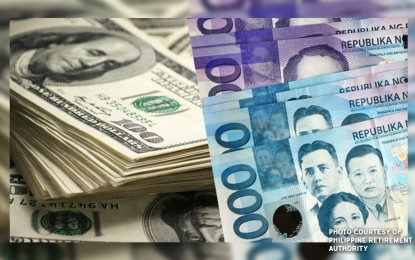
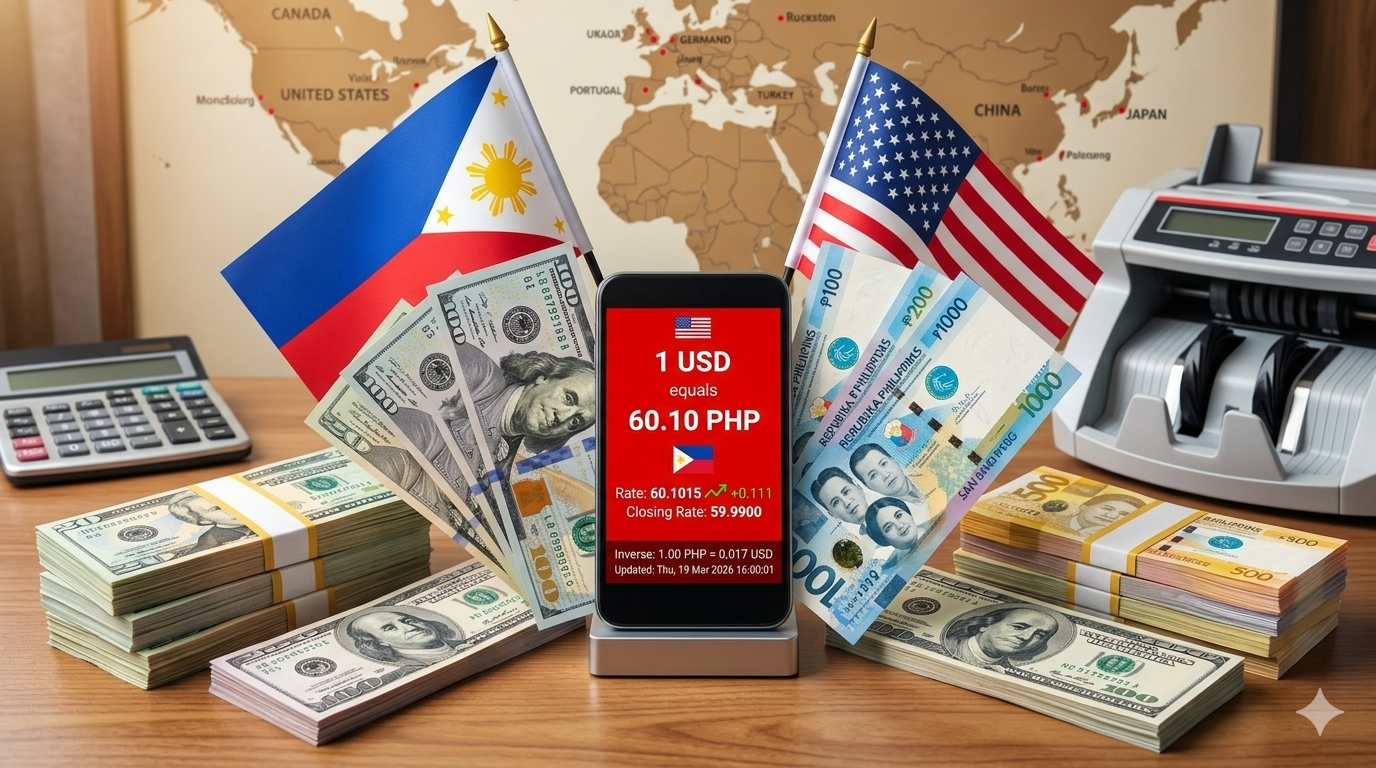
The Philippine peso weakened to a record low of ₱60.10 against the US dollar on Thursday, breaching the 60-per-dollar level for the first time in history amid persistent external pressures.
Data from the Bankers Association of the Philippines showed the local currency depreciated by 58 centavos from its previous close of ₱59.52, reflecting continued volatility in the foreign exchange market.
During the trading session, the peso opened at ₱59.90 and further slid to as low as ₱60.40, marking its weakest intraday level on record.
Analysts attributed the peso’s decline to a combination of strong demand for the US dollar, elevated global oil prices, and ongoing geopolitical tensions, particularly in the Middle East. These factors have continued to weigh on emerging market currencies, including the peso.
Despite the US Federal Reserve holding interest rates steady, signals that rates may remain higher for longer have supported the dollar, keeping pressure on weaker currencies.
The Bangko Sentral ng Pilipinas (BSP), for its part, reiterated that it does not target a specific exchange rate level. Instead, it intervenes only to smooth excessive volatility and maintain orderly market conditions.
Economic managers are also closely monitoring the potential impact of rising oil prices on inflation, particularly on transportation and consumer goods. Prolonged external pressures could further affect the country’s trade balance and limit the central bank’s flexibility in monetary policy.
Market observers warned that the peso may remain under pressure in the near term, especially if global uncertainties persist and energy prices continue to climb.