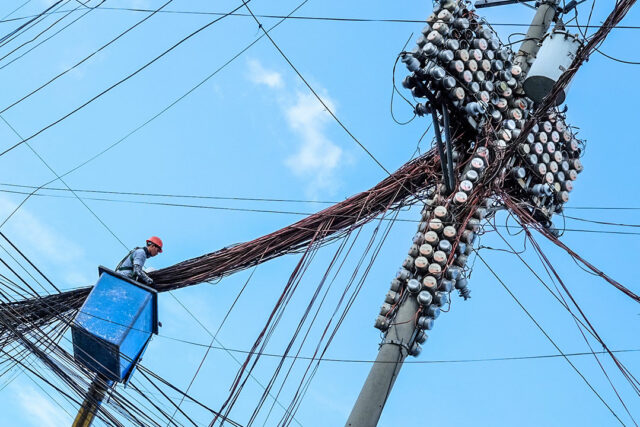

Electricity consumers in the Visayas and Mindanao grids are confronting significantly higher power costs compared to other parts of the Philippines, with residents and businesses feeling the pinch as regional electricity prices remain elevated amid tighter supply conditions and constrained infrastructure.
According to recent market data, areas within the Visayas and Mindanao continue to record more expensive electricity rates per kilowatt‑hour than the national average, a trend that stands in contrast to improving conditions in other regions like Luzon, where rising supply and declining demand have helped push down average market prices.
Spot Market Dynamics and Regional Power Supply Challenges
The higher power costs in the Visayas and Mindanao have been linked to operating conditions within the regional grids, where limited available generation capacity and scheduled or forced outages have reduced supply margins and pushed up prices on the Wholesale Electricity Spot Market (WESM).
Industry observers note that when local supply is tight — meaning available generation barely meets or falls short of demand — electricity procurement costs on the spot market rise, and those costs are passed through to consumers. This situation was particularly pronounced toward the end of the December billing period, when outages and reserve shortfalls forced grid operators to rely on more expensive generation sources to maintain stability.
Transmission constraints have also compounded the challenge, particularly in the Visayas grid, where congestion along major transmission corridors limited the ability to bring in cheaper power from other areas. These bottlenecks have contributed to price divergence between regions, resulting in Visayas and Mindanao consumers paying significantly more per kWh than their counterparts in Luzon.
Impact on Households and Businesses
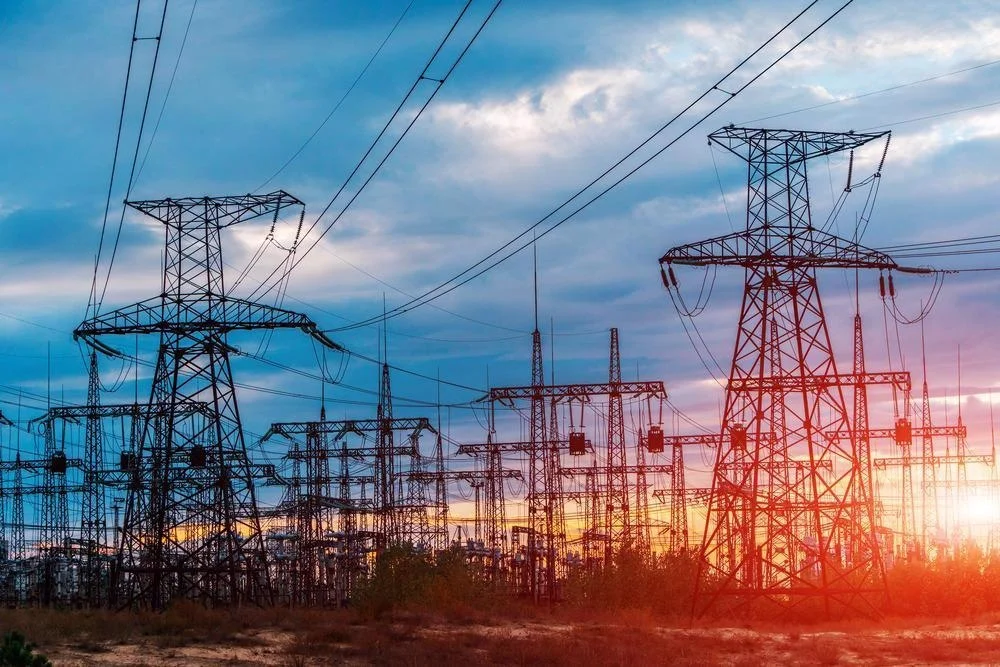
For households and commercial establishments in affected regions, the increase in electricity rates translates directly into heavier monthly bills. Many consumers rely on electricity not just for lighting and appliances but also for business operations and essential services, making the burden of higher costs particularly acute in a context where inflation and other living expenses are already a concern.
The rate escalation comes at a time when many stakeholders have been calling for better coordination among grid operators, increased investments in generation capacity, and infrastructure upgrades that would ease supply constraints and facilitate more stable pricing across regions.
Why Luzon Sees Lower Power Prices
Meanwhile, in Luzon, improved supply conditions — driven by increasing generation and weakening demand — have helped bring down the average cost of electricity on the spot market, resulting in more affordable rates for consumers. In contrast, the Visayas and Mindanao grids have seen supplier outages and reserve shortages that tightened margins and pushed up spot prices during peak trading periods.
The geographic and structural characteristics of the Philippine power system — with multiple island grids and varying levels of generation infrastructure — mean that regions outside Luzon often experience distinct cost pressures. Inter‑island transmission limitations and less diversified generation portfolios leave Visayas and Mindanao more susceptible to price volatility, especially when outages or maintenance issues strike key plants.
Calls for Long‑Term Structural Solutions
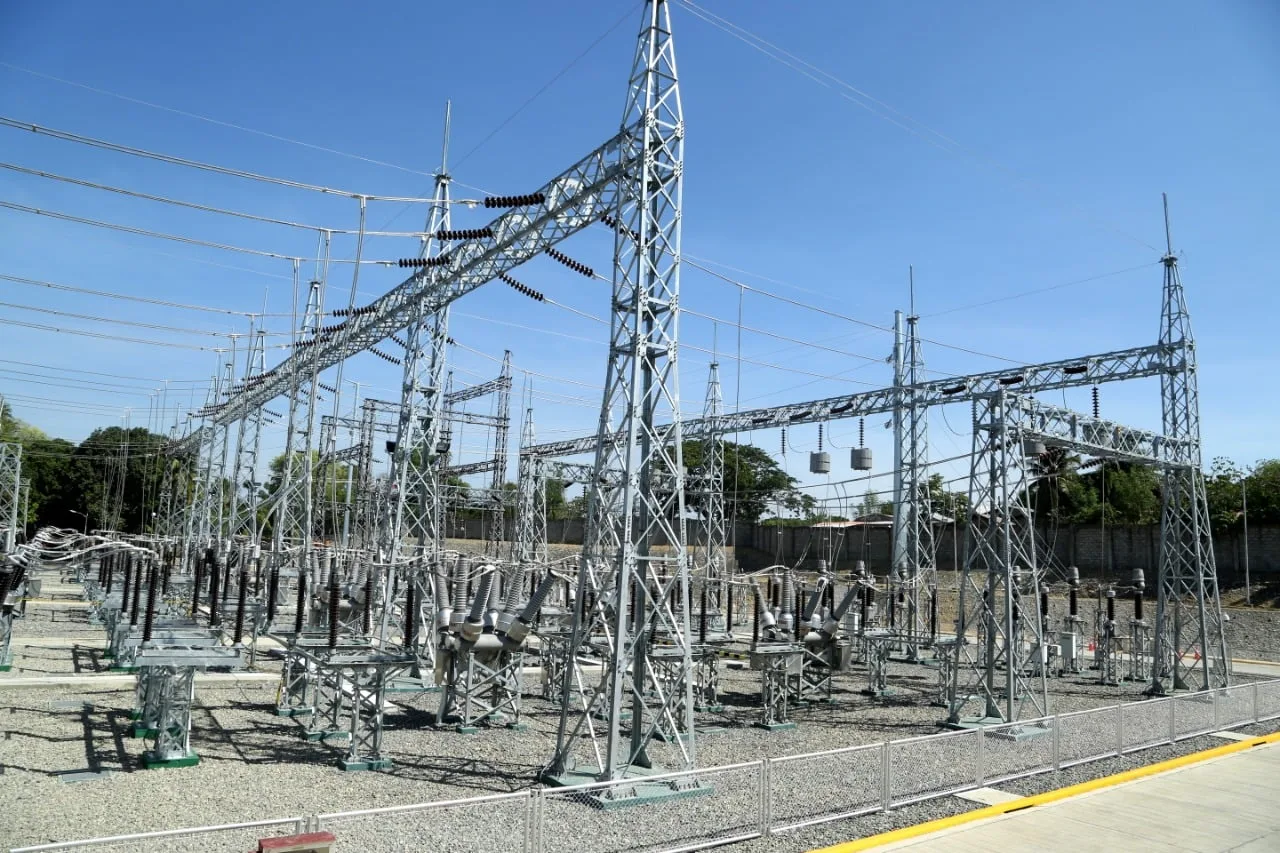
Energy analysts and policymakers argue that addressing the underlying causes of high power costs in these regions will require a holistic approach that goes beyond short‑term market adjustments. Proposed solutions include:
- Expanding renewable and conventional generating capacity within the Visayas and Mindanao grids.
- Strengthening inter‑regional transmission links to enable more efficient sharing of power resources.
- Enhancing reserve capacity to reduce reliance on high‑cost generation during supply shortfalls.
These strategies aim not only to stabilize electricity prices but also to foster greater energy security and reliability for millions of consumers outside the main Luzon grid.
As national demand for electricity continues to evolve, the performance and pricing of regional grids like those in Visayas and Mindanao remain crucial issues in the broader discussion of energy affordability and economic competitiveness.