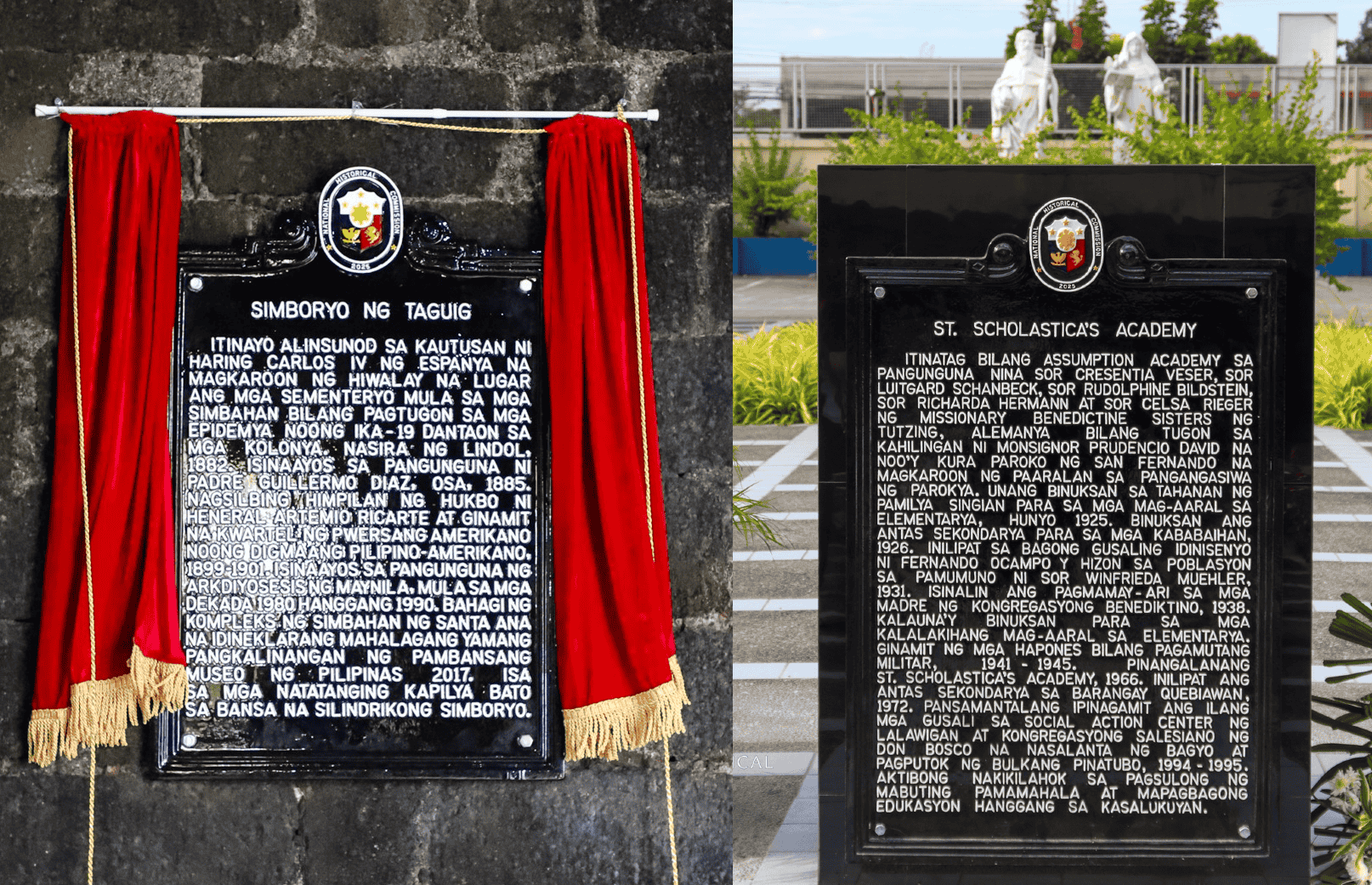

The National Historical Commission of the Philippines (NHCP) expands its heritage preservation efforts this week as it unveils two new historical markers in Taguig City and San Fernando, Pampanga—events that draw local communities, church leaders, educators, and alumni in celebrations of culture and memory.
On November 21, the NHCP unveils the marker for the Simboryo ng Taguig in Sta. Ana, a rare cylindrical stone dome considered one of the most unique heritage structures in the country. NHCP Chair Regalado Trota Jose Jr. leads the ceremony, highlighting how the site offers a meaningful glimpse into Spanish colonial public health practices and local responses to epidemics in the 19th century.
According to the marker, the dome is constructed under King Carlos IV’s order requiring cemeteries to be relocated away from churches—a mandate driven by concerns over repeated outbreaks in the colonies. The structure survives the 1882 earthquake and is restored in 1885 under Padre Guillermo Diaz, OSA.
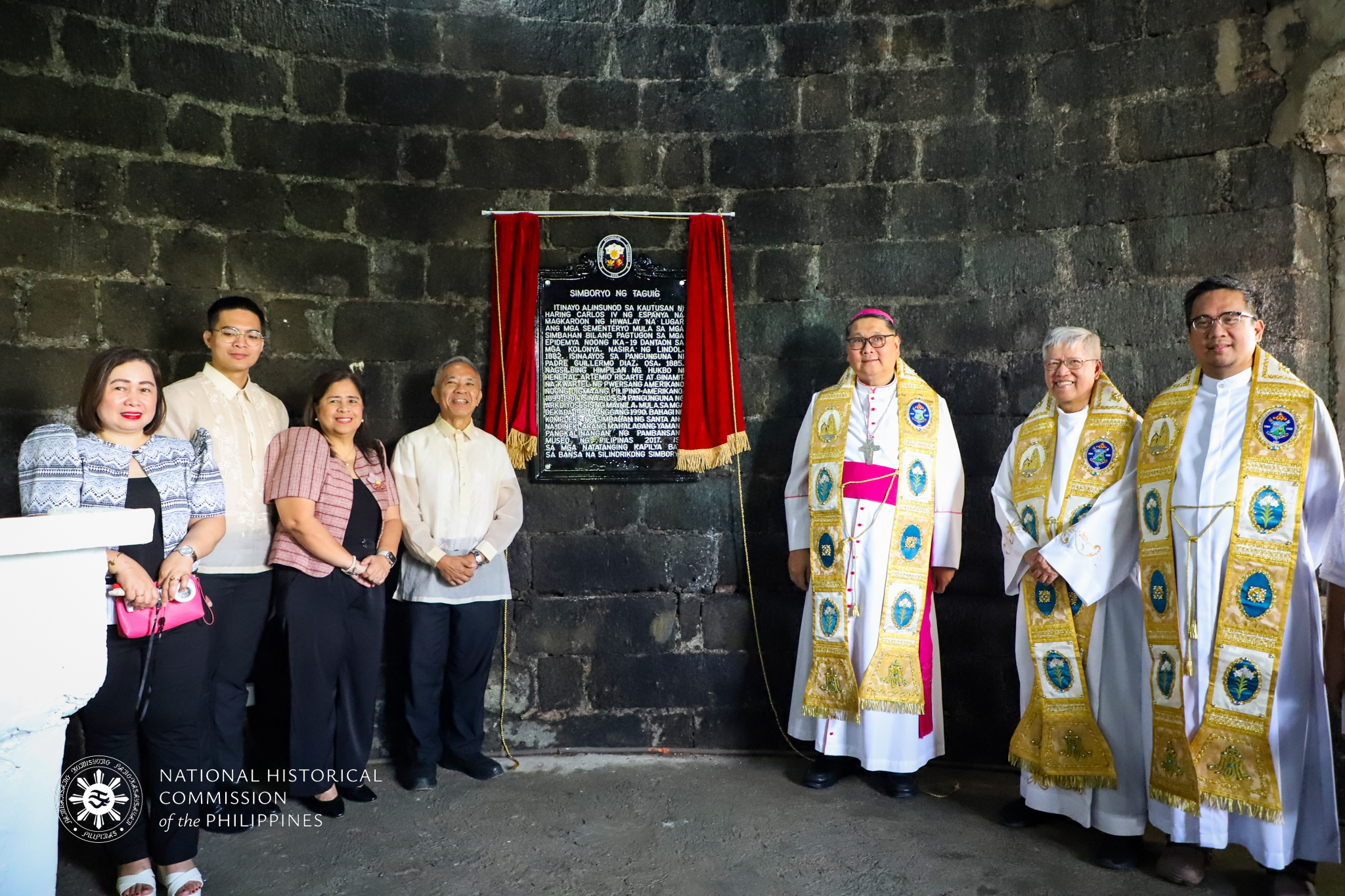
The Simboryo later becomes deeply intertwined with Philippine revolutionary history. It serves as a station for Gen. Artemio Ricarte’s forces, then as a military outpost for American troops during the Philippine–American War from 1899 to 1901. In the decades that follow, it becomes part of the Sta. Ana Church complex, which is eventually declared a National Cultural Treasure in 2017. At the unveiling, Parish Priest Rev. Fr. Orlando B. Cantillon accepts the marker on behalf of the church, while Diocese of Pasig Bishop Mylo Hubert C. Vergara delivers closing remarks. Community posts shared on Facebook echo a strong sense of pride from Taguig residents, many celebrating the long-awaited recognition of a structure that has quietly stood at the center of their local history.
Just a day earlier, on November 20, the NHCP also unveils the historical marker of St. Scholastica’s Academy in San Fernando, Pampanga. The event traces the school’s humble beginnings to June 1925, when the Missionary Benedictine Sisters of Tutzing—led by Sor Cresentia Veser and four other German sisters—respond to the request of Msgr. Prudencio David to establish a parish-run school.
The institution first opens inside the Singian family residence before expanding into a high school for young women in 1926. By 1931, the school moves into a new building designed by Fernando Ocampo y Hizon, one of the most prominent architects of the era.
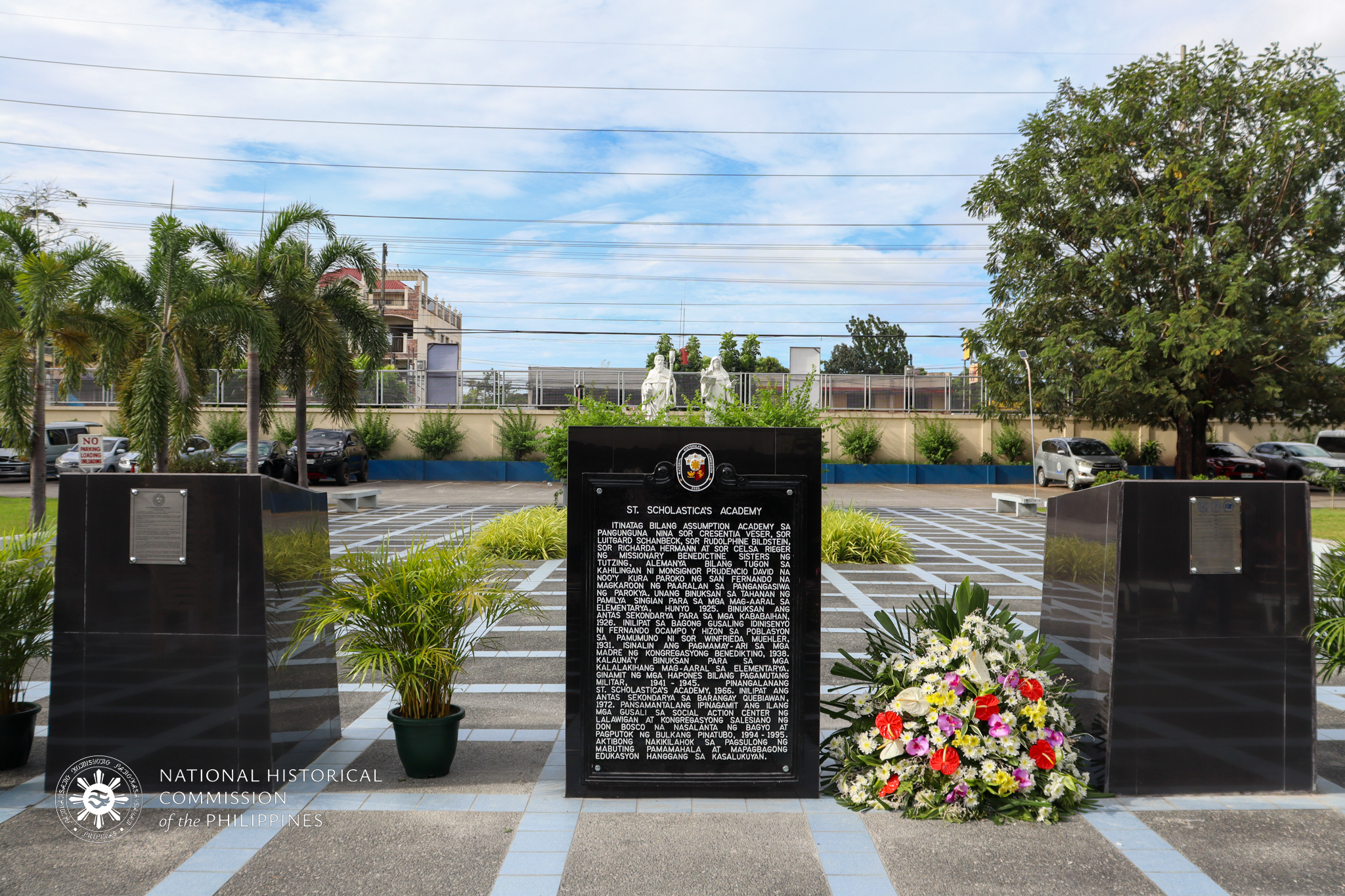
Through decades of change, the school evolves with the community around it. Ownership is formally transferred to the Benedictine Sisters in 1938; the institution briefly becomes a military hospital during the Japanese occupation; and in later years, some of its buildings serve as temporary relief centers for groups displaced by major typhoons and the eruption of Mount Pinatubo in the 1990s. It is renamed St. Scholastica’s Academy in 1966 and eventually welcomes boys into its elementary department. Today, the school remains active in promoting good governance, social involvement, and transformative education—values celebrated by alumni and administrators during the unveiling ceremony.
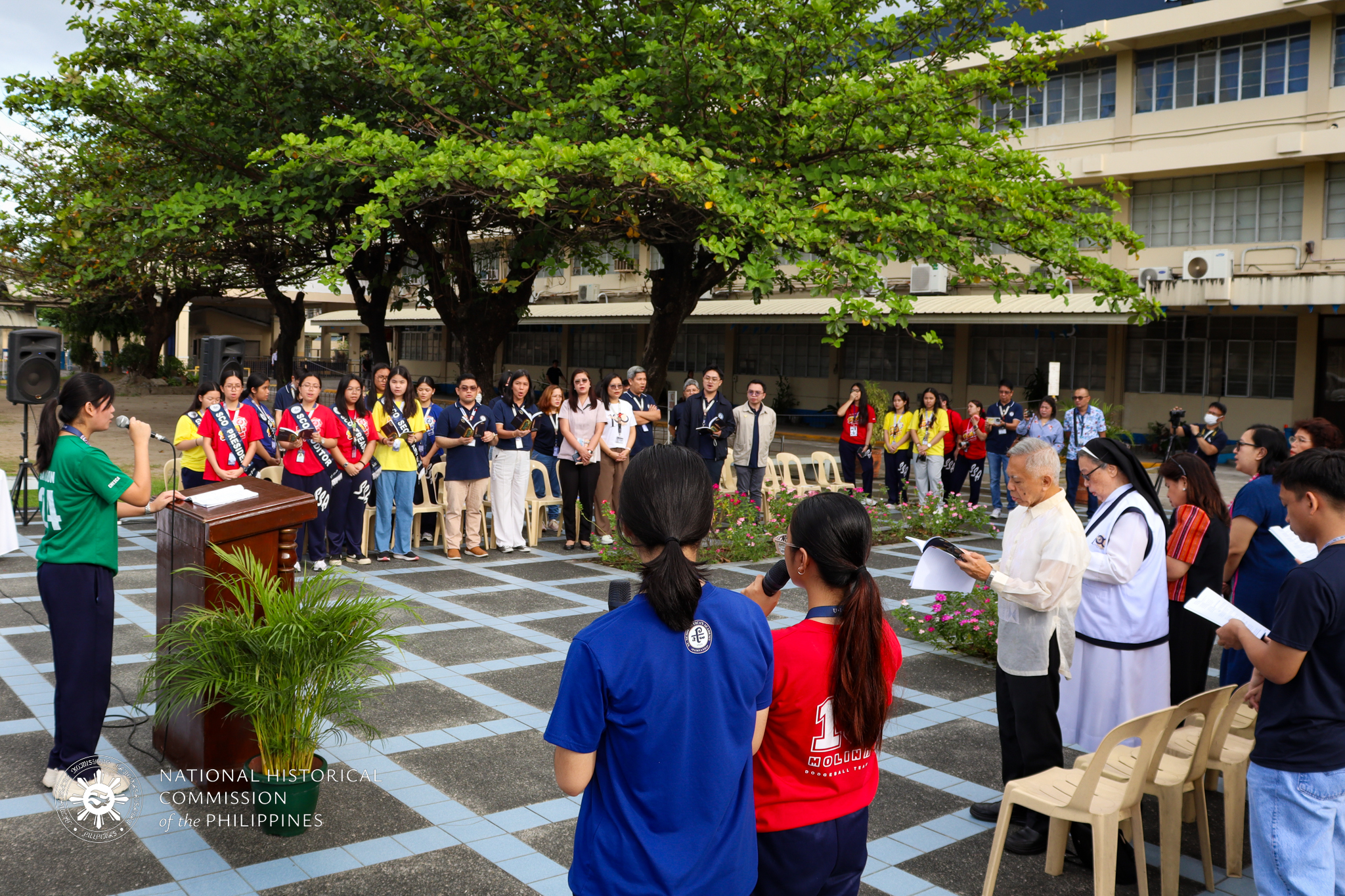
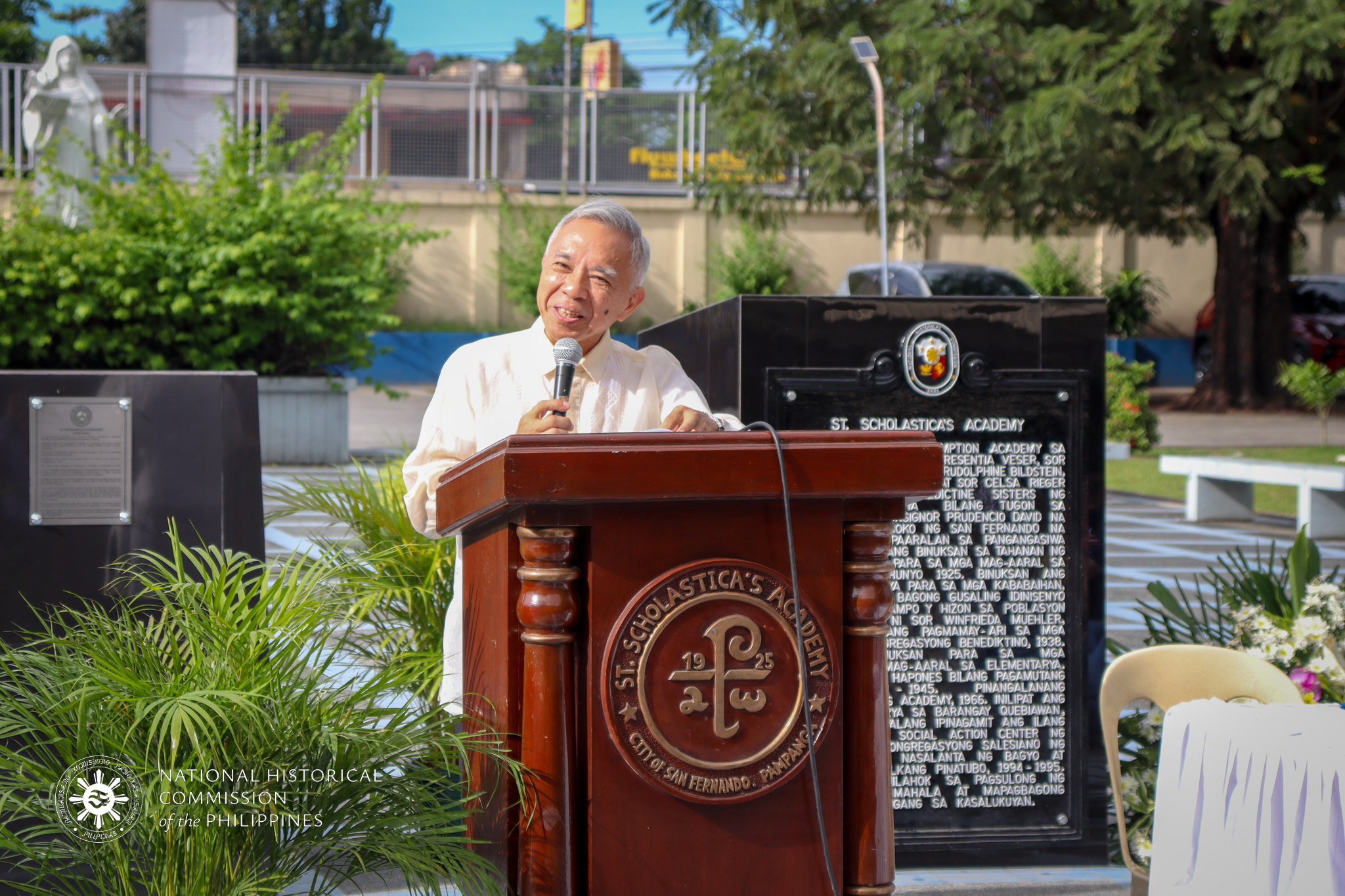
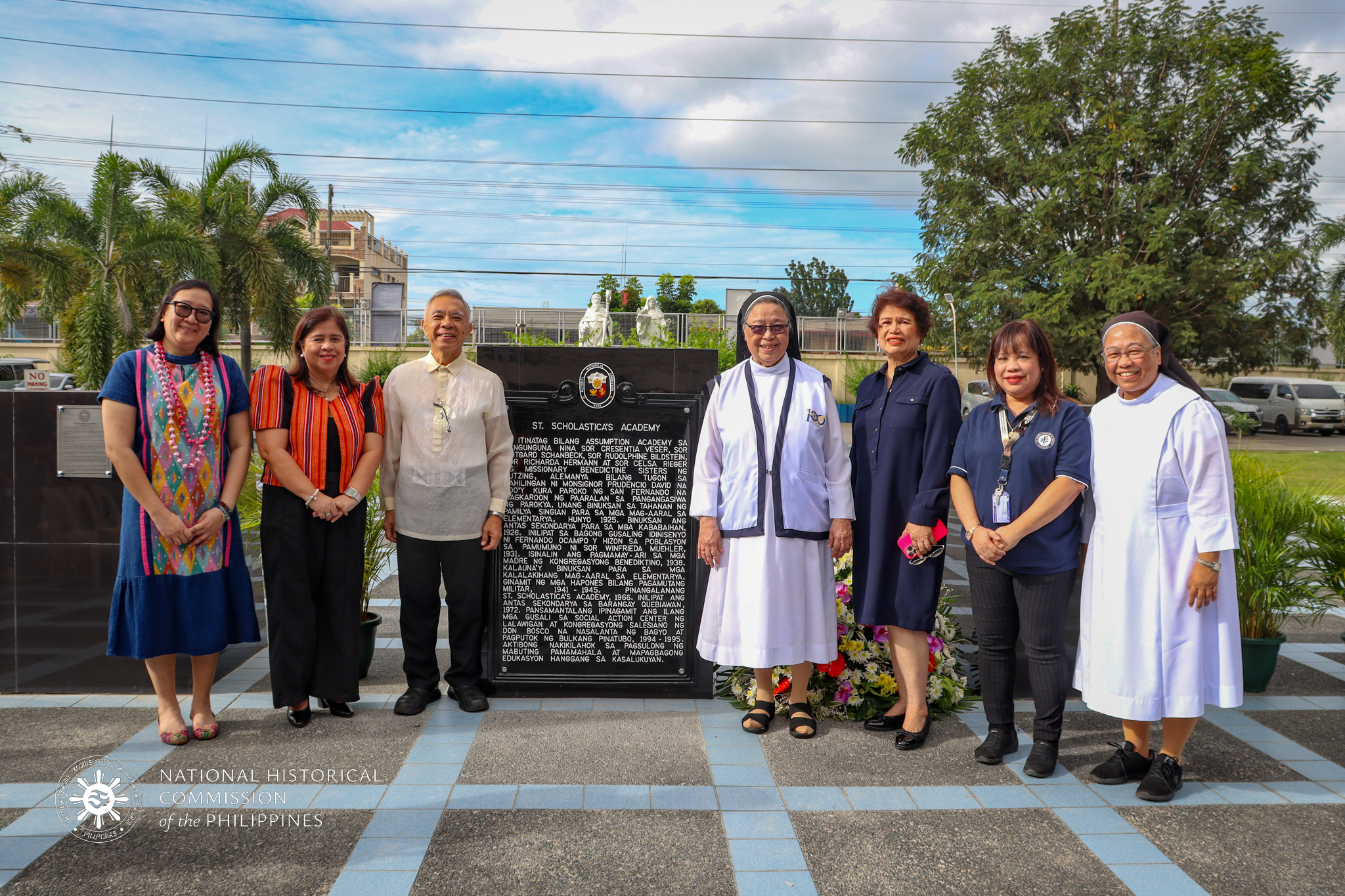
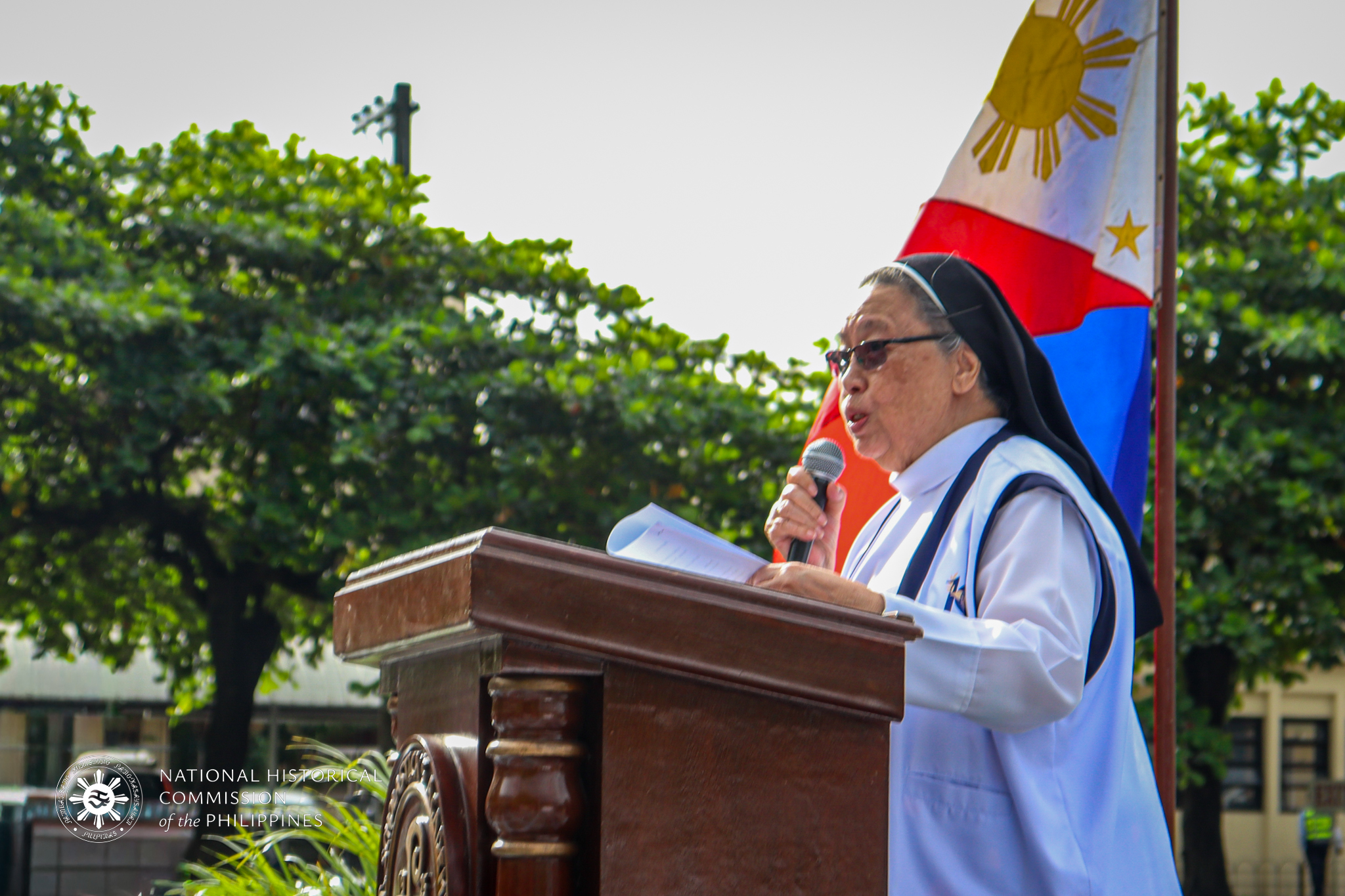
At the event, Chair Jose presents the marker, while Sis. Mary John Mananzan, OSB delivers the acceptance message. Rev. Fr. Deogracias Kerr S. Galang and Executive Director Carminda R. Arevalo witness the signing of transfer documents. Photos shared online show students, parents, and alumnae gathering with enthusiasm, proud to see their institution formally recognized for its contribution to Philippine education and community service.
With both ceremonies taking place just a day apart, the NHCP demonstrates its ongoing commitment to making local history more visible and accessible to the public. The markers not only honor the past—but also inspire communities in Taguig and Pampanga to take part in preserving the legacy of structures and institutions that have shaped their identity for generations.