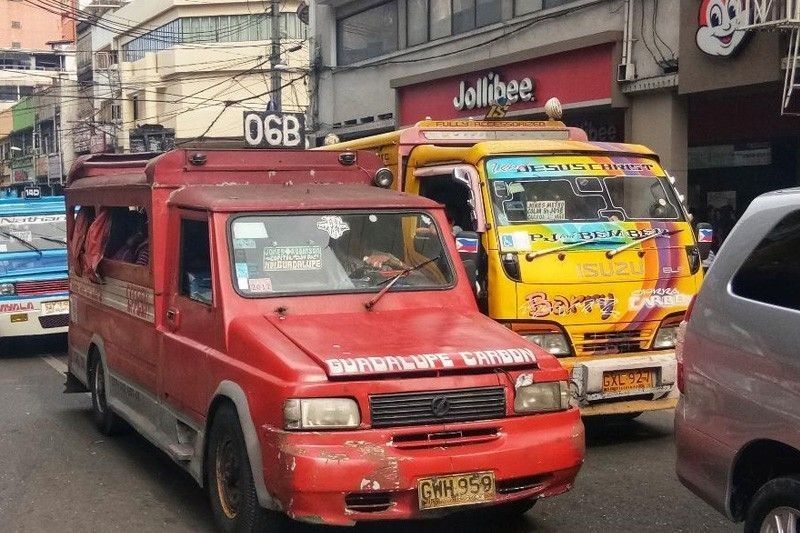
The distribution of rice subsidies to public utility jeepney drivers in Cebu serves as a vital lifeline during a period of significant economic pressure. As global fuel prices continue to fluctuate, the local transport sector has faced dwindling daily earnings, making it increasingly difficult for drivers to provide for their families. By providing 10 kilograms of rice to each qualified beneficiary, the provincial government is offering a direct form of relief that addresses the immediate need for food security among one of the most vulnerable labor groups in the region.
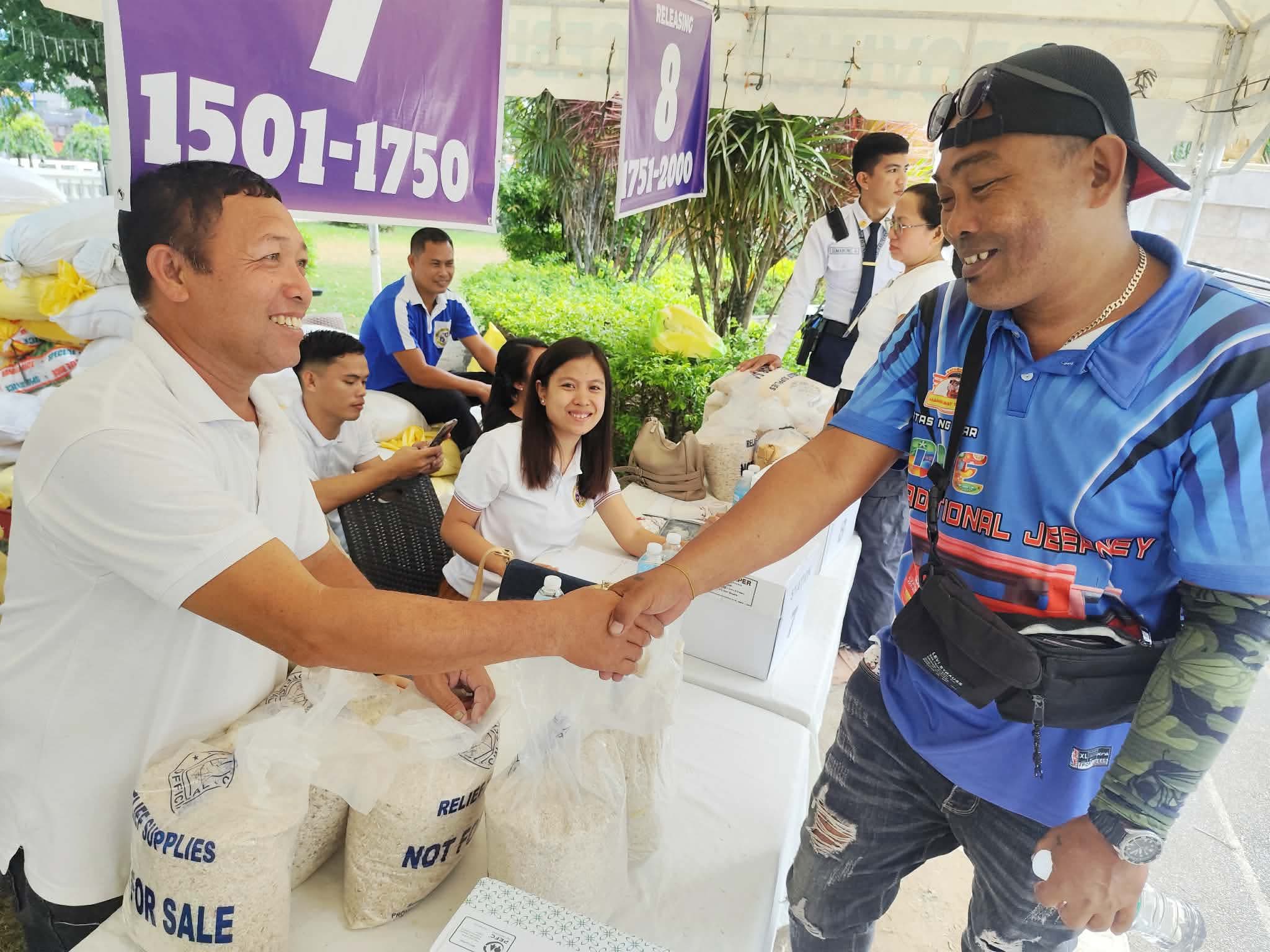
This initiative is part of a broader, coordinated effort between the Cebu Provincial Government and the Land Transportation Franchising and Regulatory Board. The program focuses on registered transport workers, ensuring that those most affected by the rising cost of operations receive priority. For many drivers, who often take home as little as a few hundred pesos after paying for fuel and vehicle rental, this assistance represents more than just a grain supply; it is a critical reduction in household expenses that allows their limited income to go further toward other necessities like medicine and utilities.
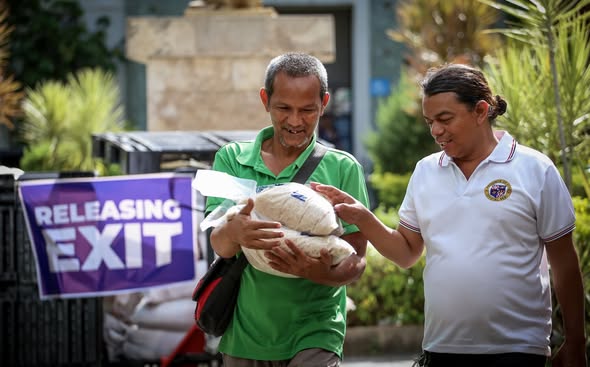
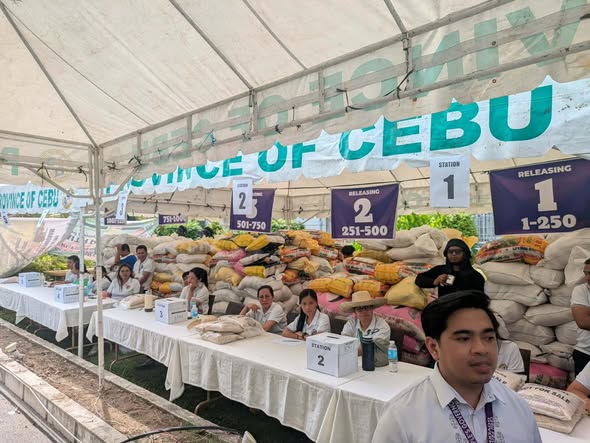
The rollout has also highlighted the human stories behind the statistics, from seasoned drivers who have spent decades on the road to younger individuals struggling to support large households. The logistical process, which involves validating thousands of names and coordinating weekly distribution batches across different municipalities, demonstrates a commitment to organized and transparent public service. By sourcing the rice from local cooperatives, the program also supports regional farmers, creating a cycle of assistance that benefits the local economy at multiple levels.
As the distribution continues to expand to include other transport workers, such as delivery riders and motorcycle taxi drivers, the focus remains on long-term resilience. While the rice subsidy provides immediate comfort, it also serves as a catalyst for ongoing discussions regarding more sustainable support systems for the transport industry. The goal is to ensure that the individuals responsible for keeping the province moving are not left behind as the economic landscape evolves.
With additional report: www.manilatimes.net