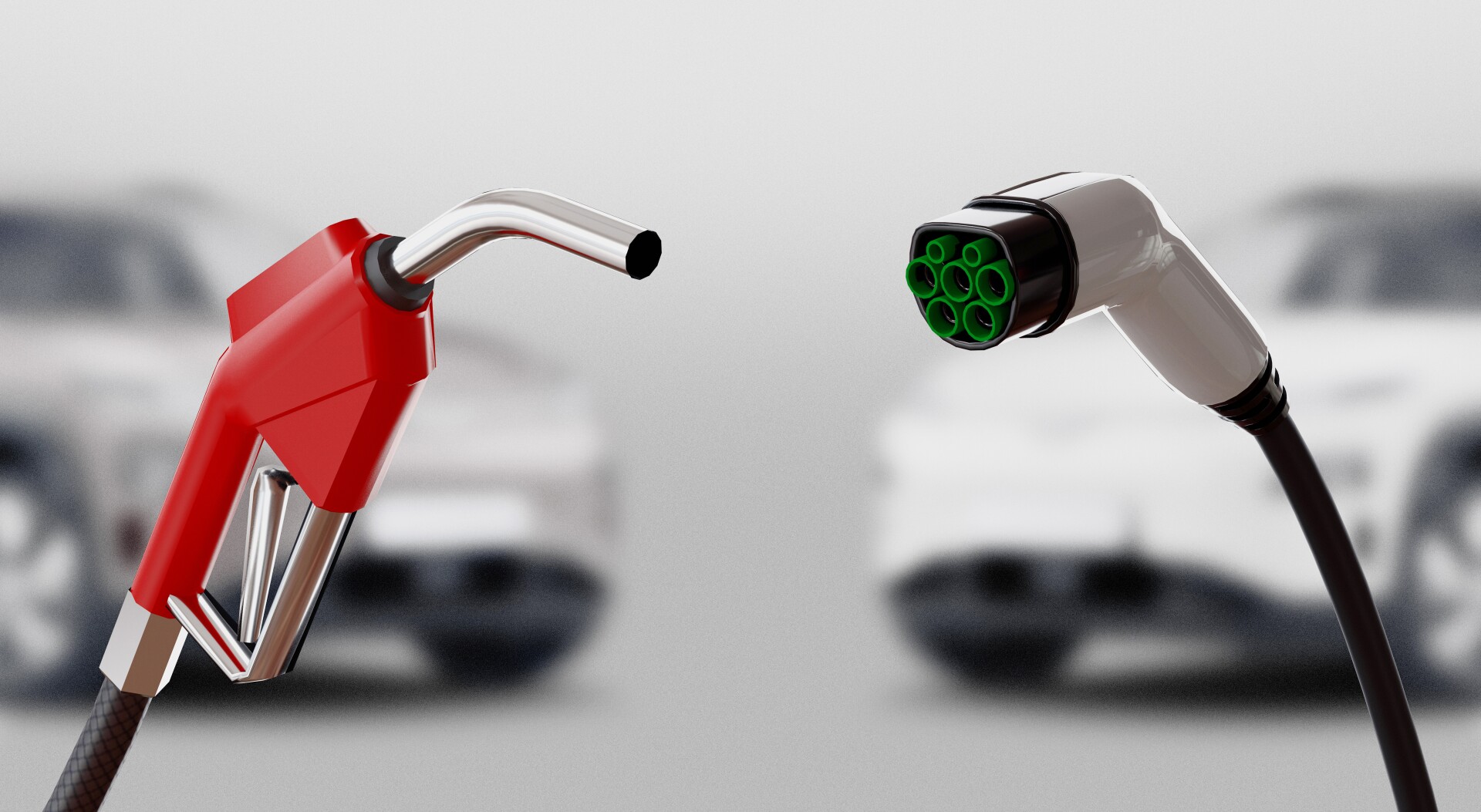
The global automotive landscape has reached a definitive turning point as electric vehicles are now officially selling at a faster rate than their traditional gas-powered counterparts. This historic shift in consumer behavior marks the end of an era dominated by the internal combustion engine and signals a rapid acceleration toward a zero-emission future. Market data from the first quarter of 2026 reveals that while overall automotive sales have stabilized, the demand for battery-electric and plug-in hybrid models has surged to unprecedented levels, consistently outpacing the inventory turnover of gasoline and diesel vehicles.
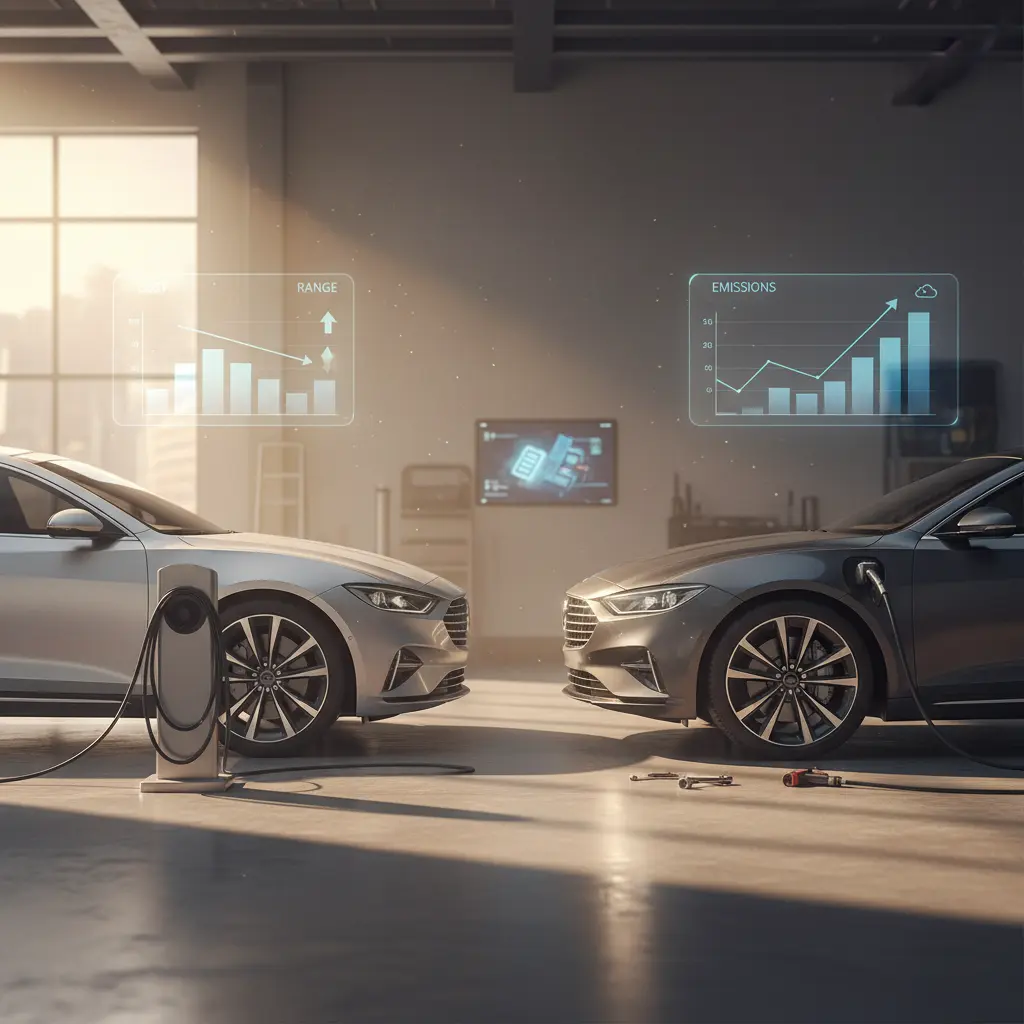
Several critical factors are driving this transition, most notably the significant improvements in battery technology and the expansion of national charging infrastructures. Modern electric cars now offer ranges that rival full tanks of gas, effectively neutralizing the long-standing hurdle of range anxiety for the average commuter. Furthermore, as manufacturing scales up and competition among major automakers intensifies, the initial purchase price of electric models has reached parity with premium gas vehicles. When coupled with lower maintenance requirements and the rising volatility of global fuel prices, the total cost of ownership has made the switch to electric an increasingly pragmatic financial decision for the modern household.
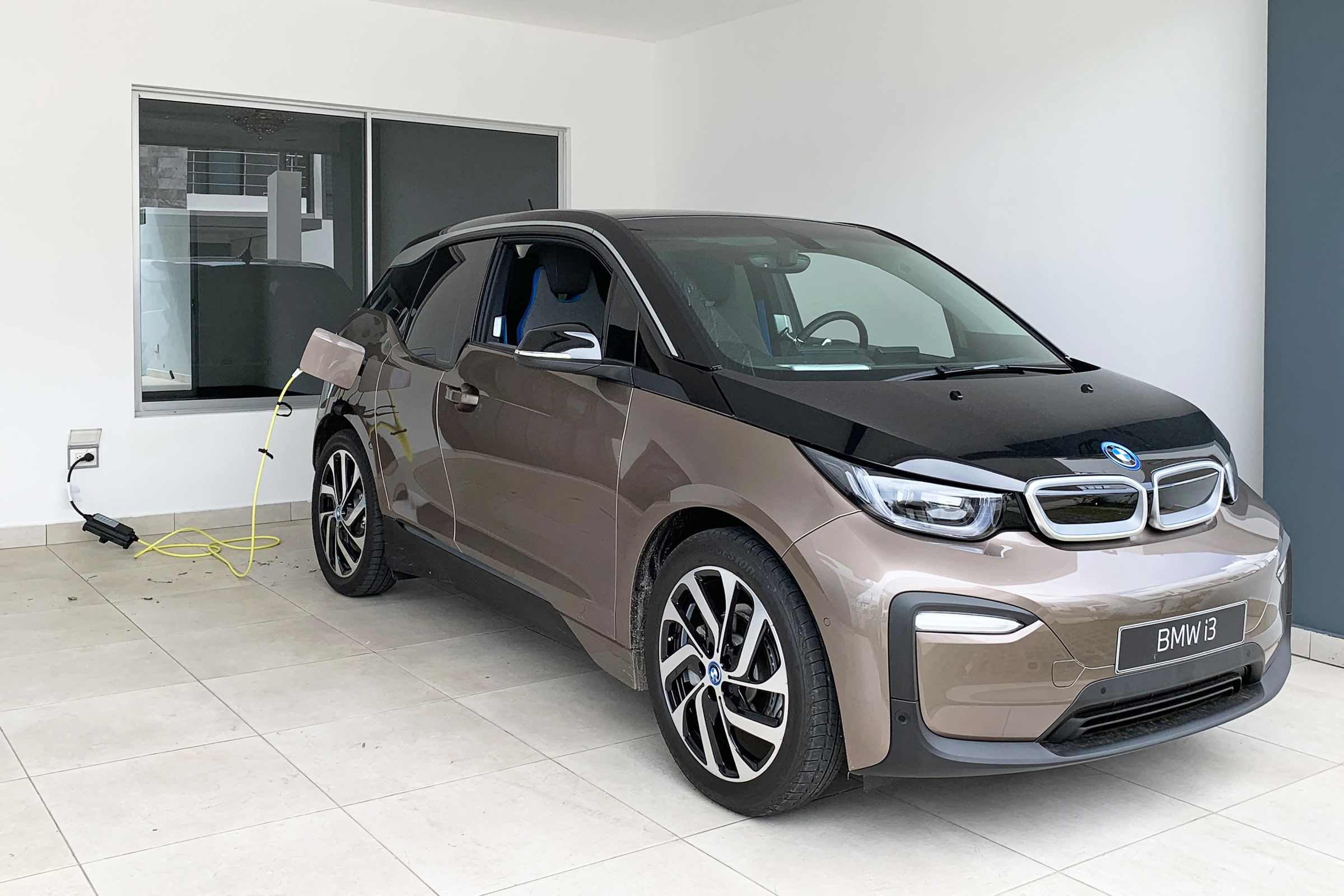
Government incentives and stricter environmental regulations have also played a pivotal role in tilting the scales. Many nations have implemented aggressive subsidies and tax credits that make electric options more attractive, while simultaneously announcing future bans on the sale of new fossil-fuel cars. This regulatory environment has forced legacy manufacturers to pivot their entire production lines, resulting in a wider variety of electric models ranging from compact city cars to heavy-duty trucks. As consumers increasingly prioritize sustainability and technological innovation, the momentum behind electric mobility appears not only sustainable but irreversible, leaving traditional gas-powered cars to face a dwindling share of the global market.
With additional report: www.philstar.com