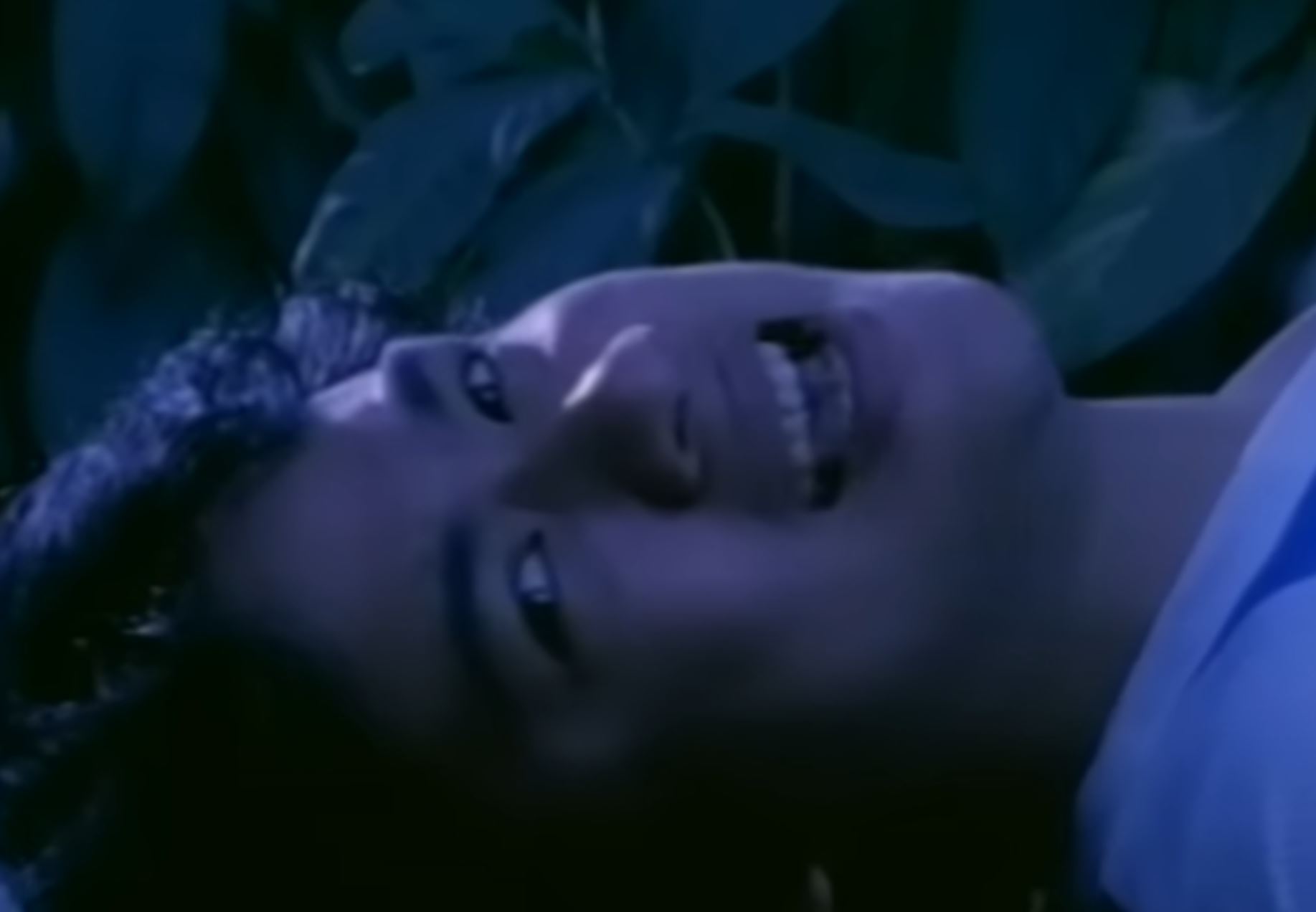
For many Filipinos, certain songs carry the power to transport listeners back in time. One of these enduring classics is Ang Huling El Bimbo, the iconic track by the legendary Filipino rock band Eraserheads. Although the song has been played on radio stations for decades and covered by numerous artists, some (which is me) rediscovered its magic during the pandemic—when nostalgia drove people to revisit timeless Original Pilipino Music (OPM).
Its unmistakable drum intro alone can instantly evoke memories, creating a feeling of time travel for those who hear it. Released in 1995 as part of the band’s critically acclaimed album Cutterpillow, “Ang Huling El Bimbo” , written by the great Ely Buendia in under five minutes, has remained one of the most beloved songs in Philippine music history. Even three decades after its release, the album remains regarded as one of the most influential and celebrated OPM records of all time.
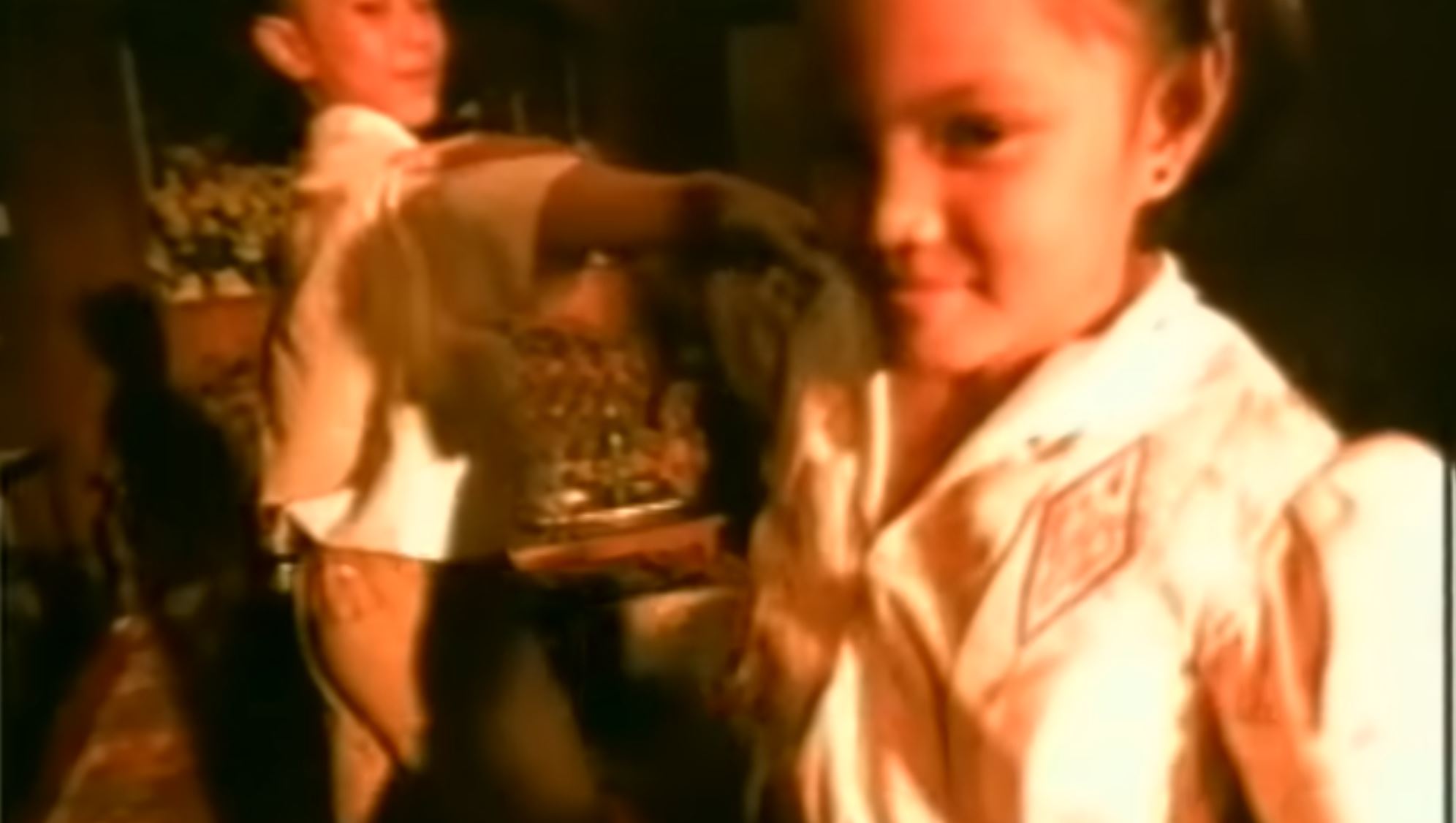
The song tells a poignant story about two childhood friends—a boy and a girl who grow up together. After school, they practice dancing the El Bimbo, a retro ballroom dance that gained popularity in the Philippines during the 1970s and 1980s. Through the rhythm and movement of their dance, the boy slowly realizes he is falling in love. What begins as innocent puppy love eventually turns into longing. As the years pass, the boy continues to cherish the memories of their youth, particularly the moments they shared dancing together. But the story takes a tragic turn when he later learns that the girl, his childhood crush, died under heartbreaking circumstances.
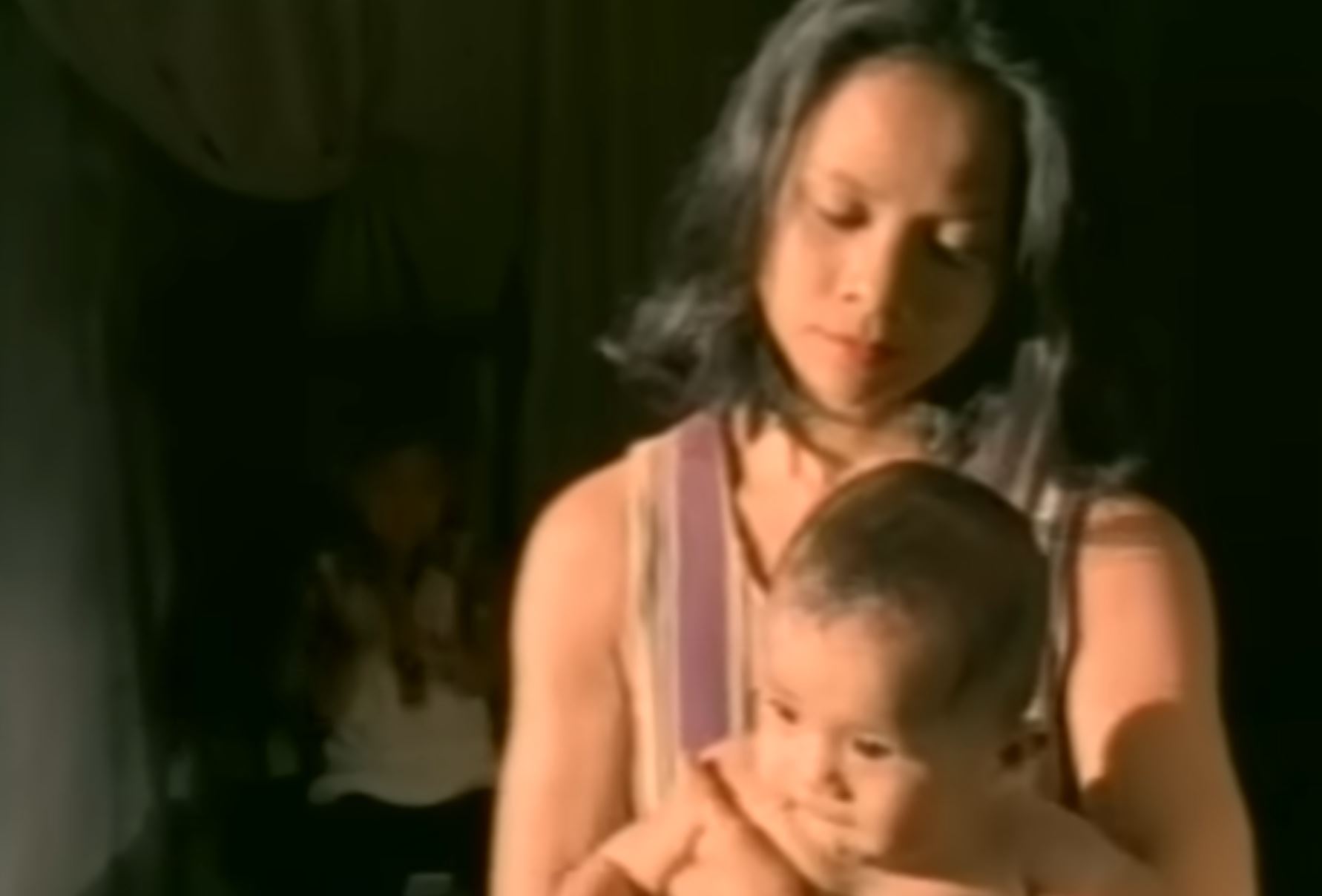
The song’s powerful ending captures a heavy sense of regret—the painful realization that if he had confessed his feelings earlier, their story might have ended differently. It reflects the universal theme of missed chances and the lingering weight of “what could have been.” Beyond its emotional storytelling, “Ang Huling El Bimbo” has achieved remarkable cultural and industry recognition.
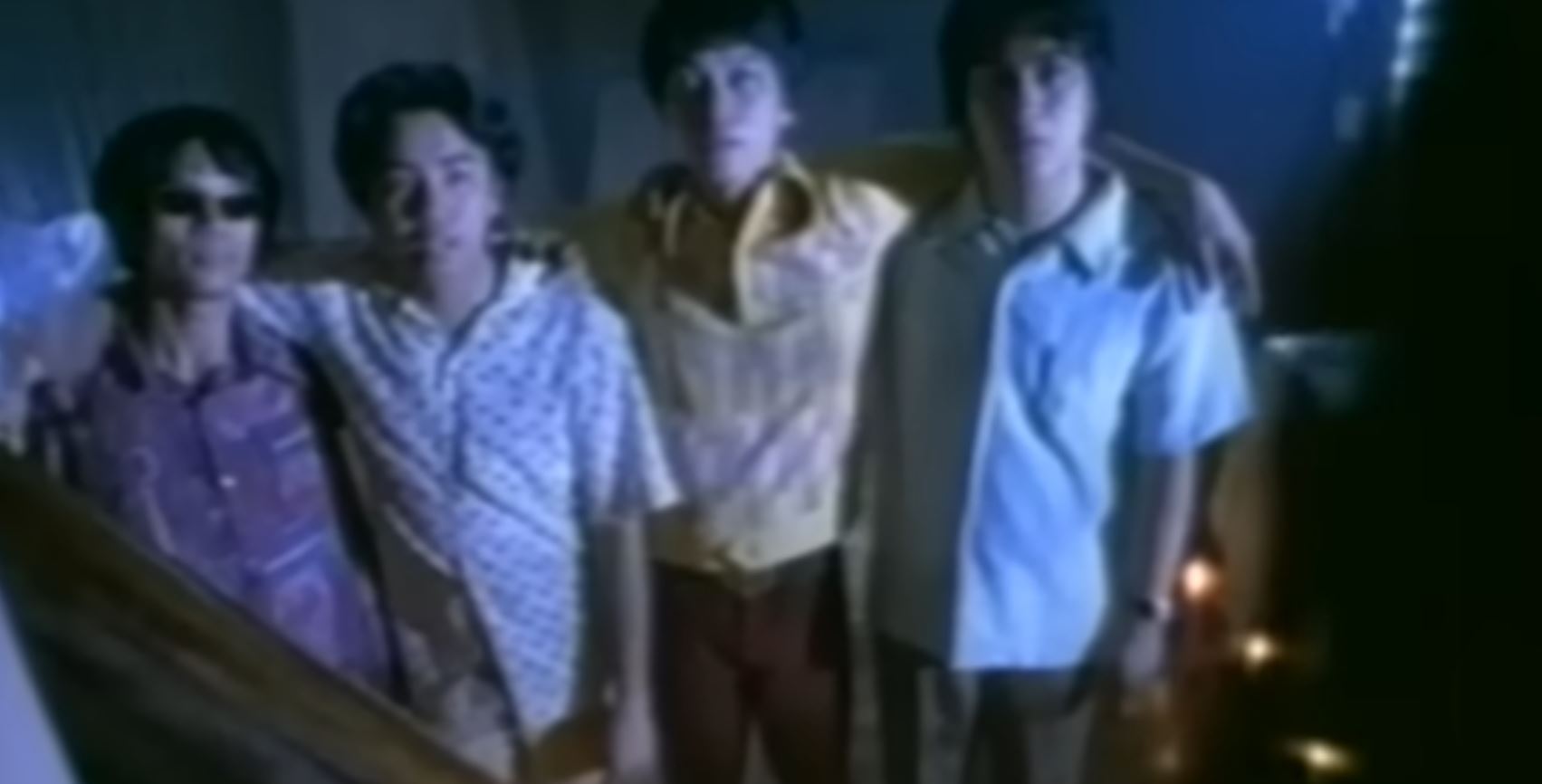
In 1997, its music video won the International Viewer’s Choice Award for Asia at the MTV Video Music Awards, making the Eraserheads the first Filipino artist to receive the prestigious MTV Moonman trophy. The song also dominated the NU Rock Awards in 1996, winning Song of the Year and Best Music Video, while the Katha Music Awards recognized it as Best Rock Song. At the time of its release, the music video was considered the most expensive Filipino music video ever produced, costing approximately ₱230,000 by BMG Records. The song also gained international exposure when it was included in the band’s international album Aloha Milkyway in 1998—the only Filipino-language track on the record.
More than a decade later, the song experienced renewed popularity after being featured in the viral McDonald’s First Love commercial in 2009, introducing the classic to a new generation of listeners. Today, the song continues to thrive in the digital age. On the streaming platform Spotify, “Ang Huling El Bimbo” has already garnered over 191.4 million streams, proving that timeless music can transcend generations and evolving technology.
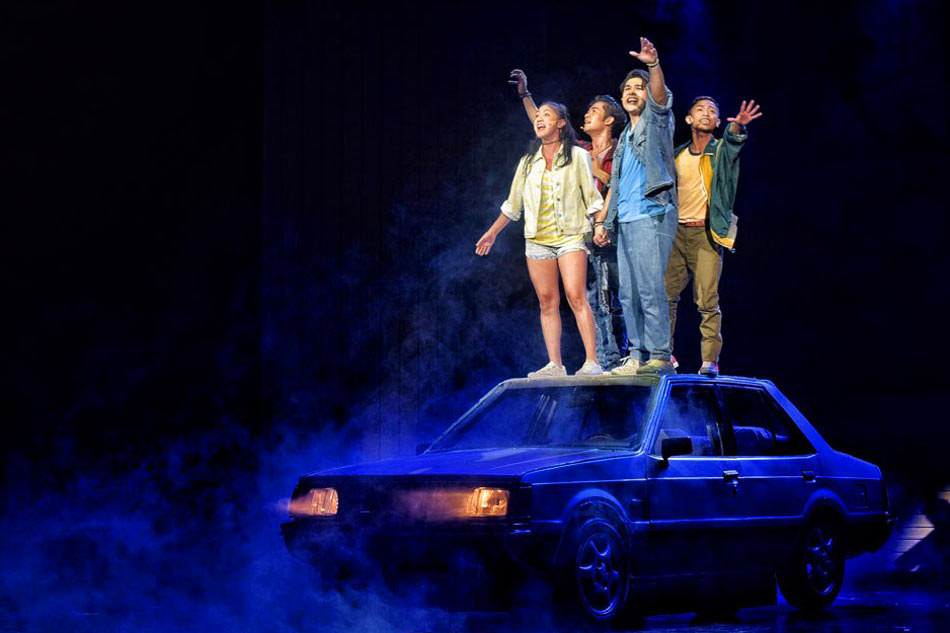
From the era of cassette tapes and compact discs to modern-day music streaming platforms, the song’s enduring popularity shows how powerful storytelling and melody can survive—and even flourish—through changing times. Its influence has extended beyond music. The song inspired the highly successful stage production Ang Huling El Bimbo The Musical, which features several songs from the Eraserheads’ discography.
The production became the most-watched Filipino musical of all time, drawing more than 240,000 theatergoers and over seven million viewers during its pandemic-era online streaming. It also received 12 nominations at the Gawad Buhay Awards, winning several honors for its book, musical direction, and choreography.
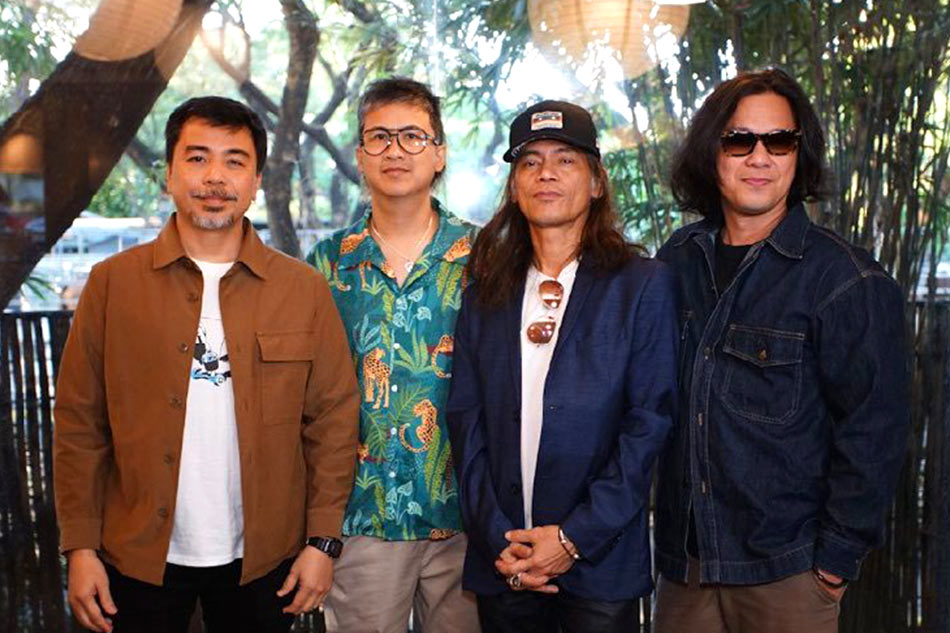
Three decades since its release, “Ang Huling El Bimbo” remains more than just a song. It is a powerful narrative of nostalgia, youthful innocence, and a love story marked by tragedy and regret. Through its storytelling and unforgettable melody, it continues to resonate with generations of Filipinos—reminding listeners that sometimes the most beautiful love stories are also the ones left unfinished.