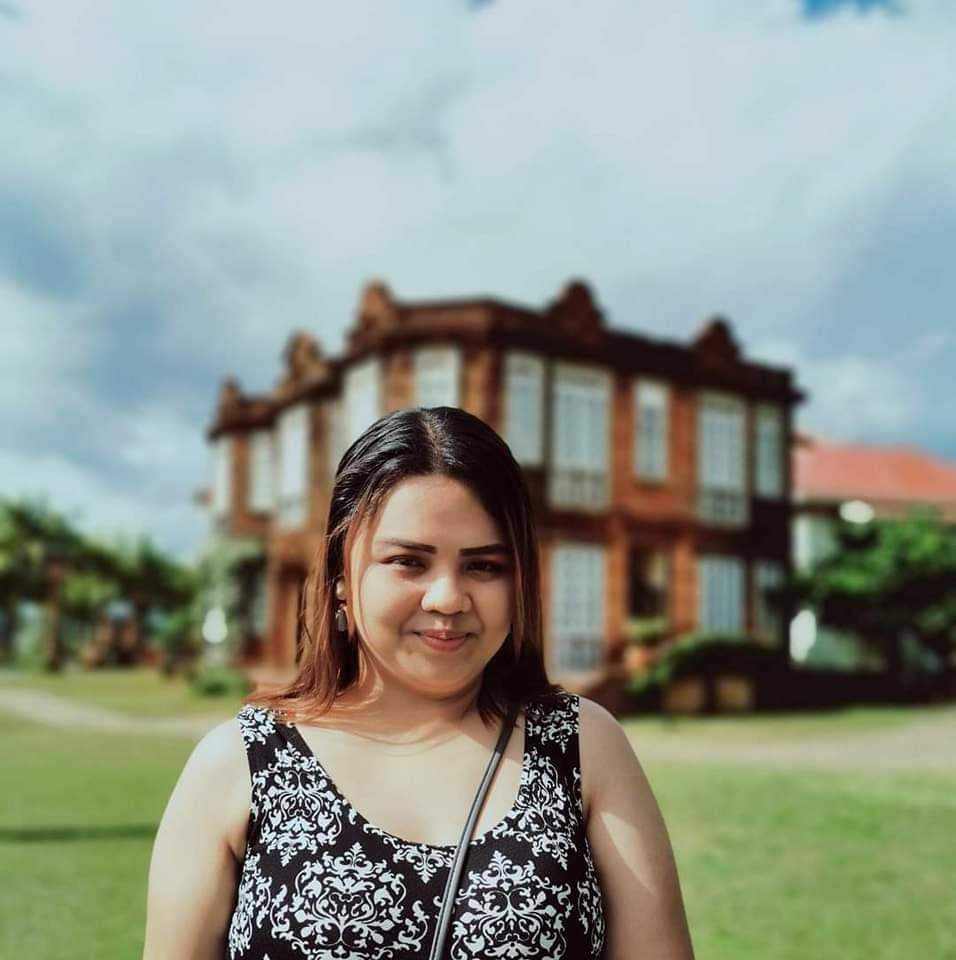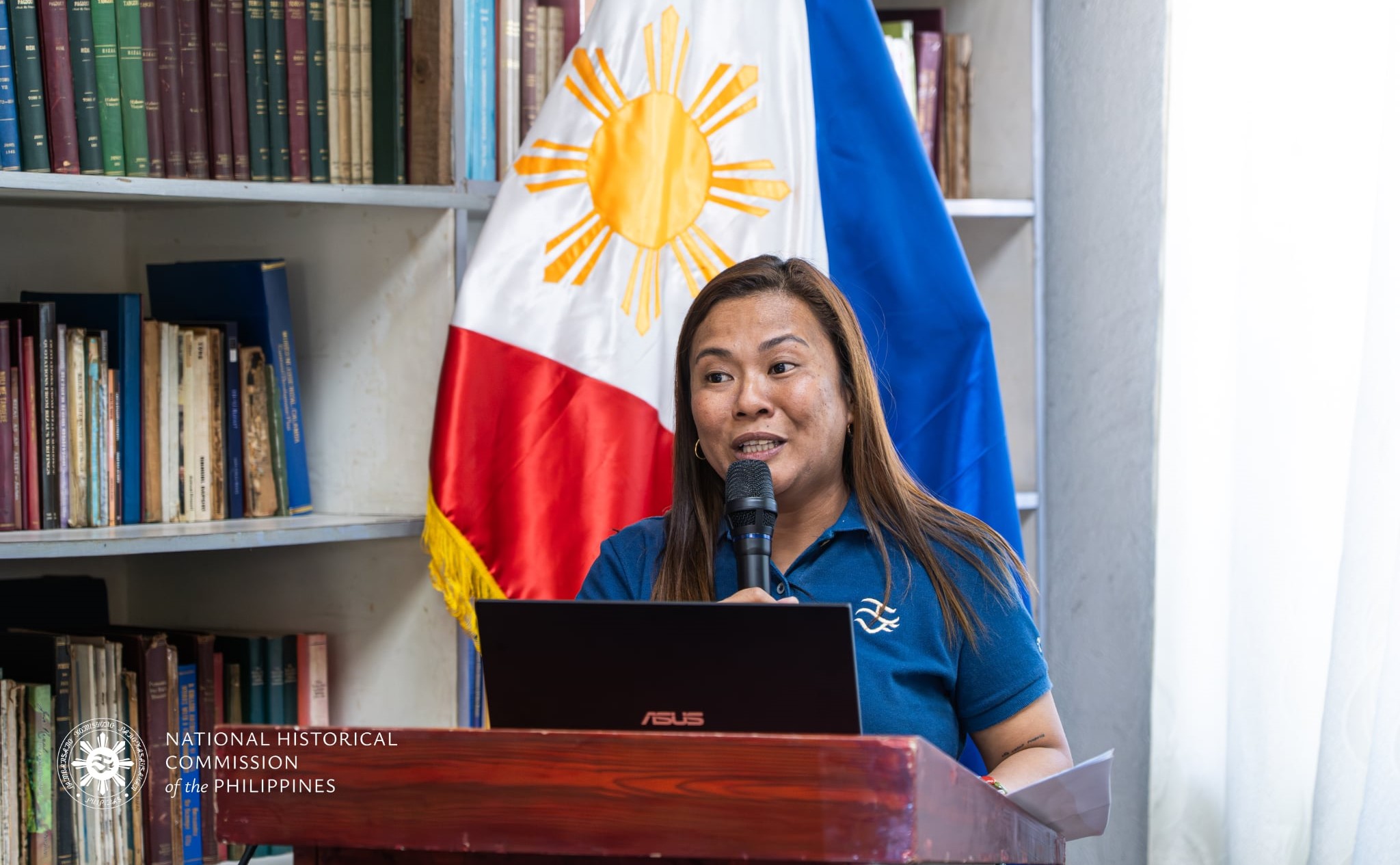
CALAMBA CITY, Laguna — In celebration of International Women’s Day, women volunteers from the community took the spotlight at the Museo ni Jose Rizal, proving that preserving history is not only the task of institutions but also of the women who dedicate their time and voice to sharing it.
Earlier this year marked the pilot implementation of the BayaniHand Volunteer Guiding program, an initiative that mobilizes community members to become heritage storytellers and active partners in promoting the legacy of Jose Rizal.
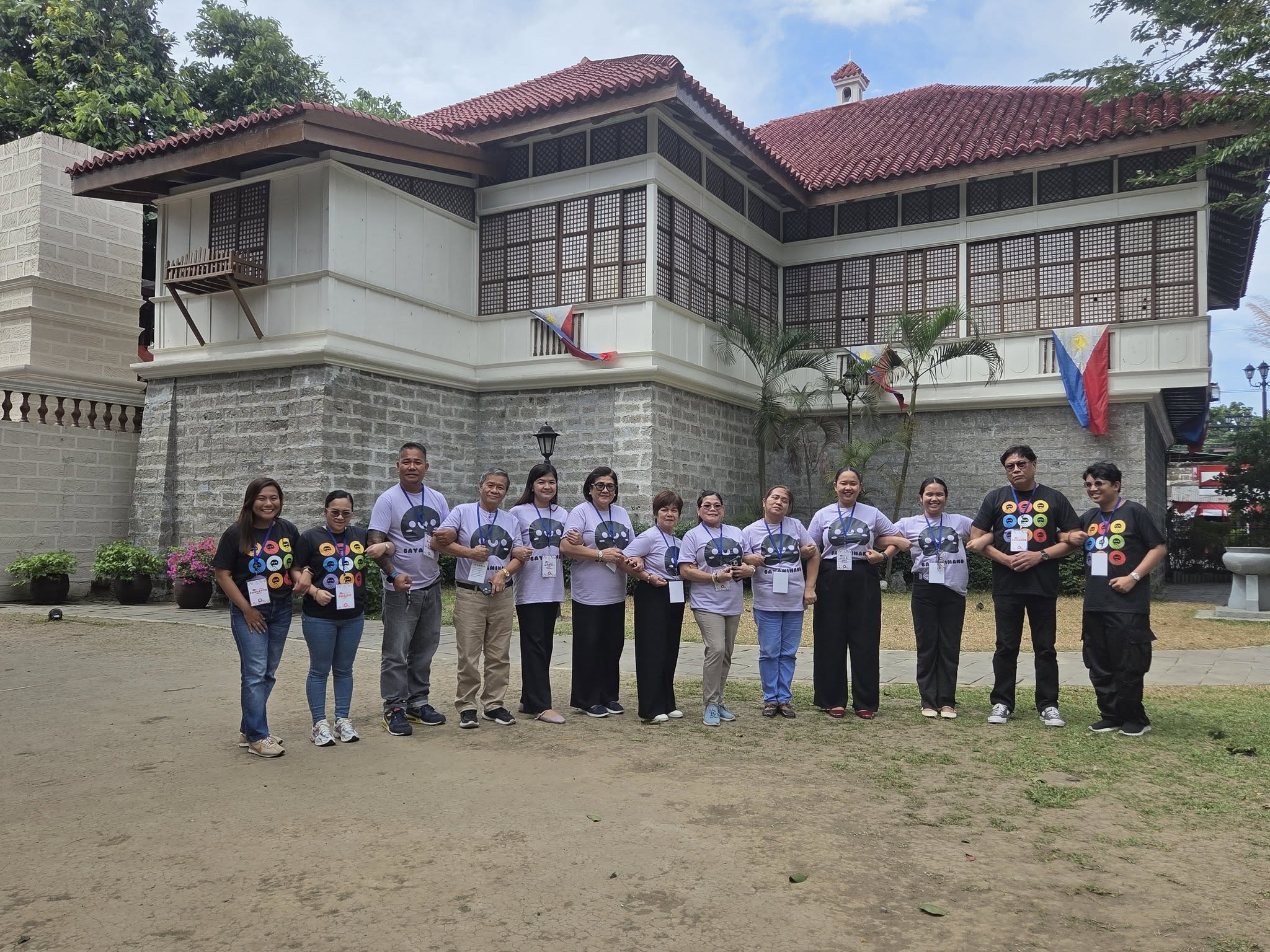
At the heart of the program were women volunteers from various sectors of society — senior citizens, persons with disabilities, tourism officers, and local vendors — who came together to guide visitors and share stories about Rizal’s childhood home.
Representatives from the Office of Senior Citizens Affairs (OSCA), Persons with Disability Affairs Office (PDAO), the Local Tourist Vendors Cooperative, and students from St. Vincent College of Cabuyao joined the activity, many of whom were women who brought their personal experiences, memories, and passion for heritage into the museum space.
Through their voices, the museum transformed into a “living classroom,” where stories were shared not only from textbooks but also from lived experiences and community knowledge. Their narratives — from local anecdotes to reflections on Rizal’s childhood — helped visitors see the museum not just as a historical structure, but as a place where history continues to live through people.
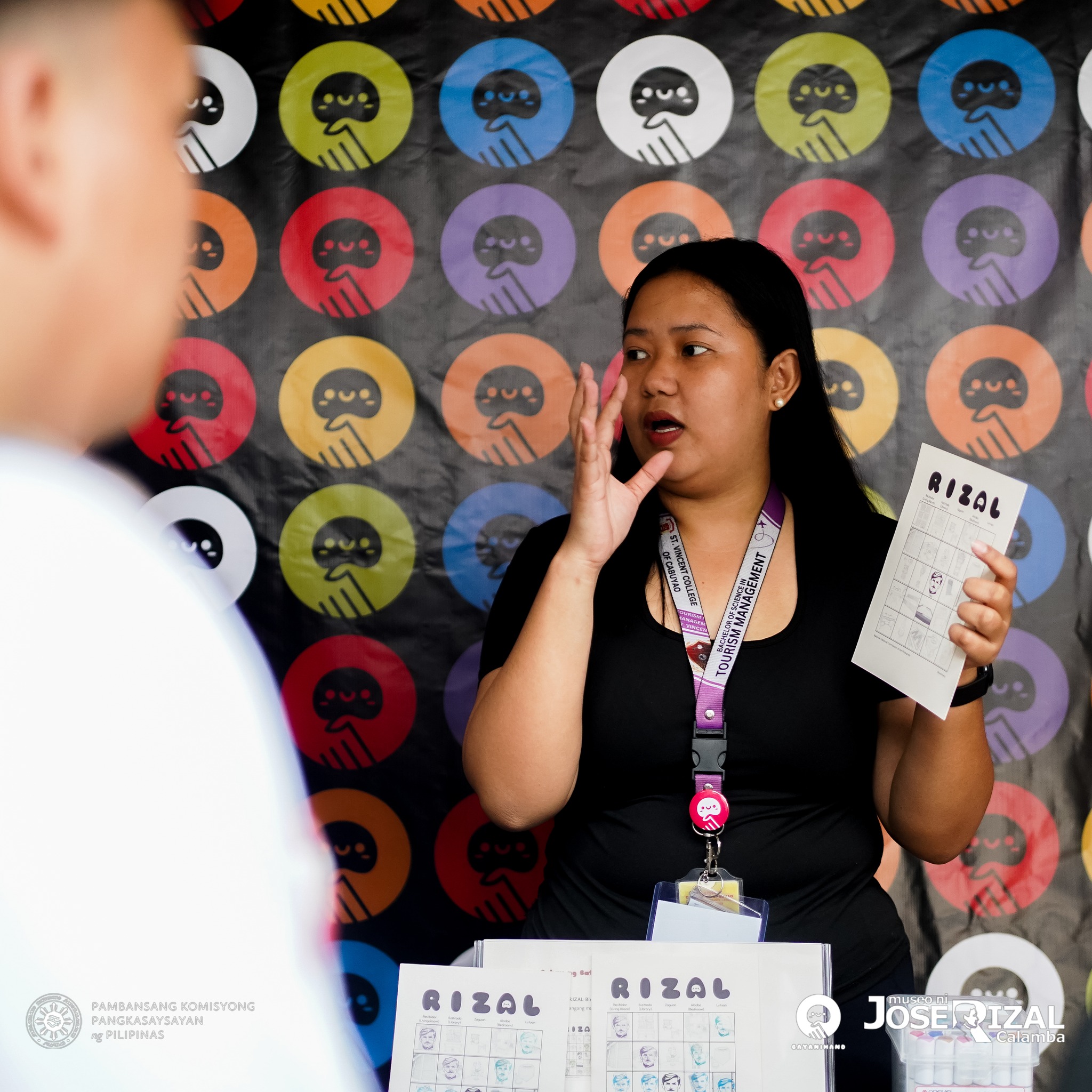
The BayaniHand program also introduced interactive learning tools such as the “Rizal Bingo Card” and “Exit Ticket,” designed to make museum visits more engaging, particularly for younger audiences. Women volunteers played a key role in facilitating these activities, helping students and visitors interact with the exhibits in a more meaningful way.
The initiative is part of a broader program of the National Historical Commission of the Philippines (NHCP), which aims to strengthen the social role of history museums through community partnerships. By encouraging volunteer participation, the program addresses manpower limitations while building stronger connections between museums and local communities.
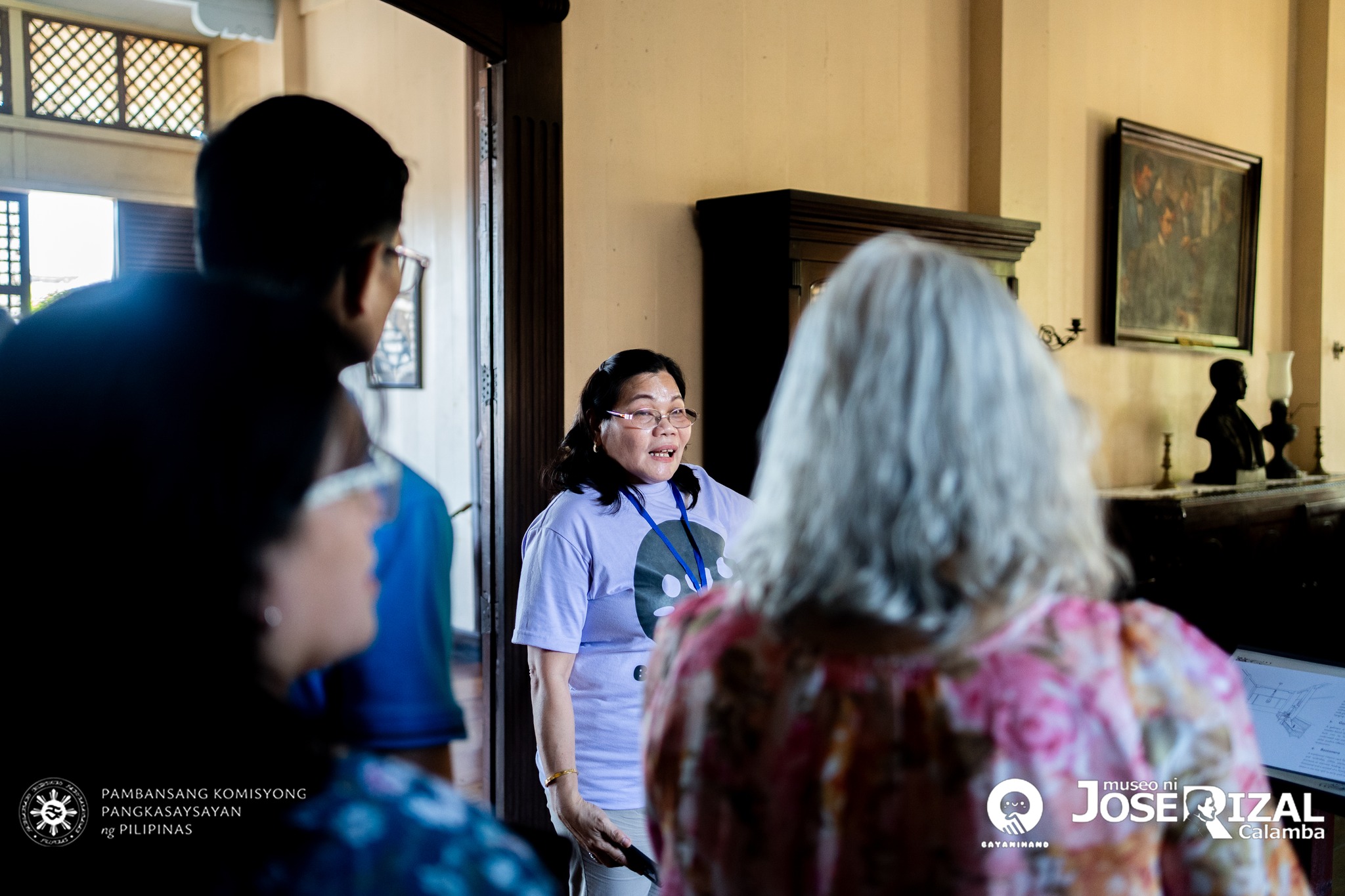
Before the pilot launch, workshops and consultations were conducted to prepare participants and stakeholders. These included the BayaniHand Node 1 Education Co-creation Workshop held on February 12 to 13 with the Department of Education Schools Division Office of Calamba and Colegio de San Juan de Letran Calamba, as well as a Focus Group Discussion on February 19 with representatives from the Calamba City Government and the Department of Labor and Employment Region IV-A.
At its core, BayaniHand promotes the Filipino value of bayanihan — shared responsibility and cooperation — by inviting community members to take an active role in heritage education.
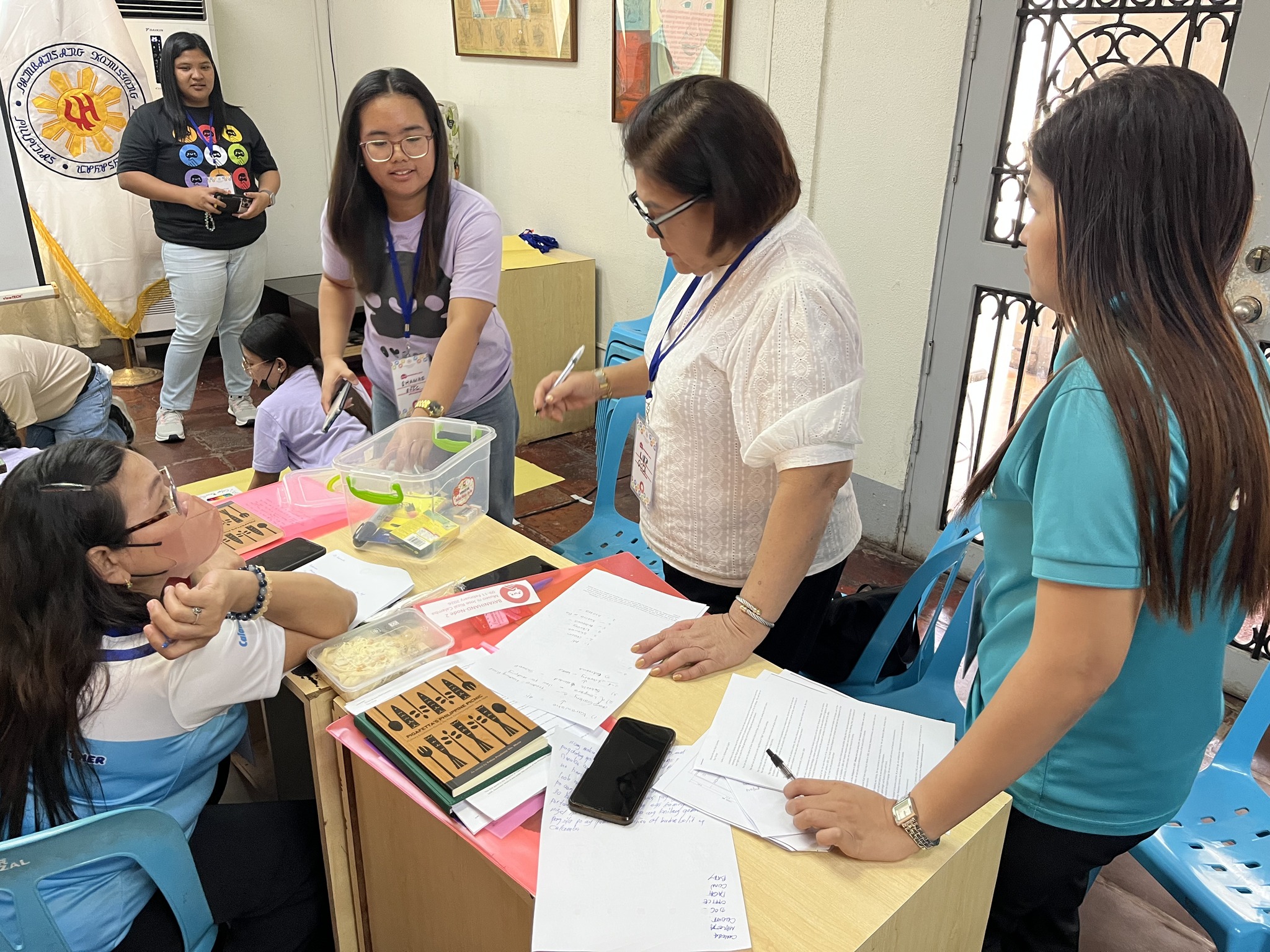
The presence of women volunteers during the pilot activity also carried symbolic meaning as the country commemorates International Women’s Day. Their participation highlights the growing role of women not only as educators and caregivers, but also as cultural advocates and custodians of local history.
As visitors walk through the home where Rizal once lived, they are reminded that the story of the national hero was also shaped by the women around him. Among them was his mother, Teodora Alonso, whose strength, wisdom, and dedication to education helped nurture the young Rizal’s intellect and ideals.
Much like Teodora Alonso’s influence on Rizal, the women volunteers guiding visitors today continue to shape how history is understood and remembered by the next generation.
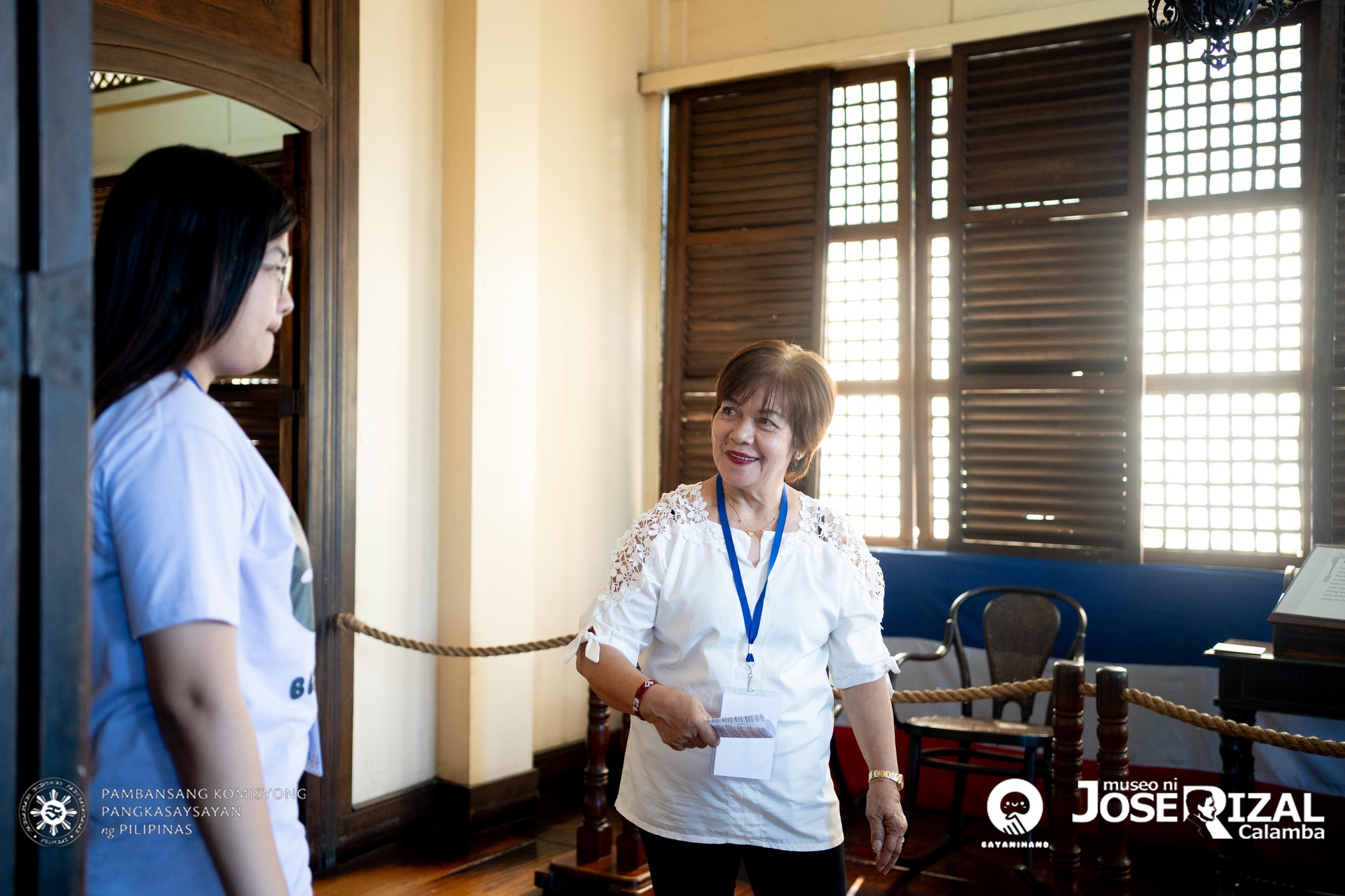
Through their dedication, these women demonstrate that preserving the nation’s heritage is not just about safeguarding artifacts and historic houses — it is also about sharing stories, building connections, and inspiring others to value the past.
With the launch of the BayaniHand Volunteer Guiding program, the women of Calamba have shown that community-driven heritage work is alive and thriving — and that women remain at the heart of keeping the nation’s history alive.
The BayaniHand initiative is the capstone project of Haidee Paulette Bedruz, Senior Shrine Curator of the Museo ni Jose Rizal Calamba, whose work seeks to strengthen community participation in heritage preservation and museum education. Through this initiative, Bedruz hopes to continue building a collaborative network where local communities — especially women volunteers — play a vital role in shaping and sustaining the country’s shared historical narrative.
Salute to Women’s extraordinary power! Happy International Women’s Day.