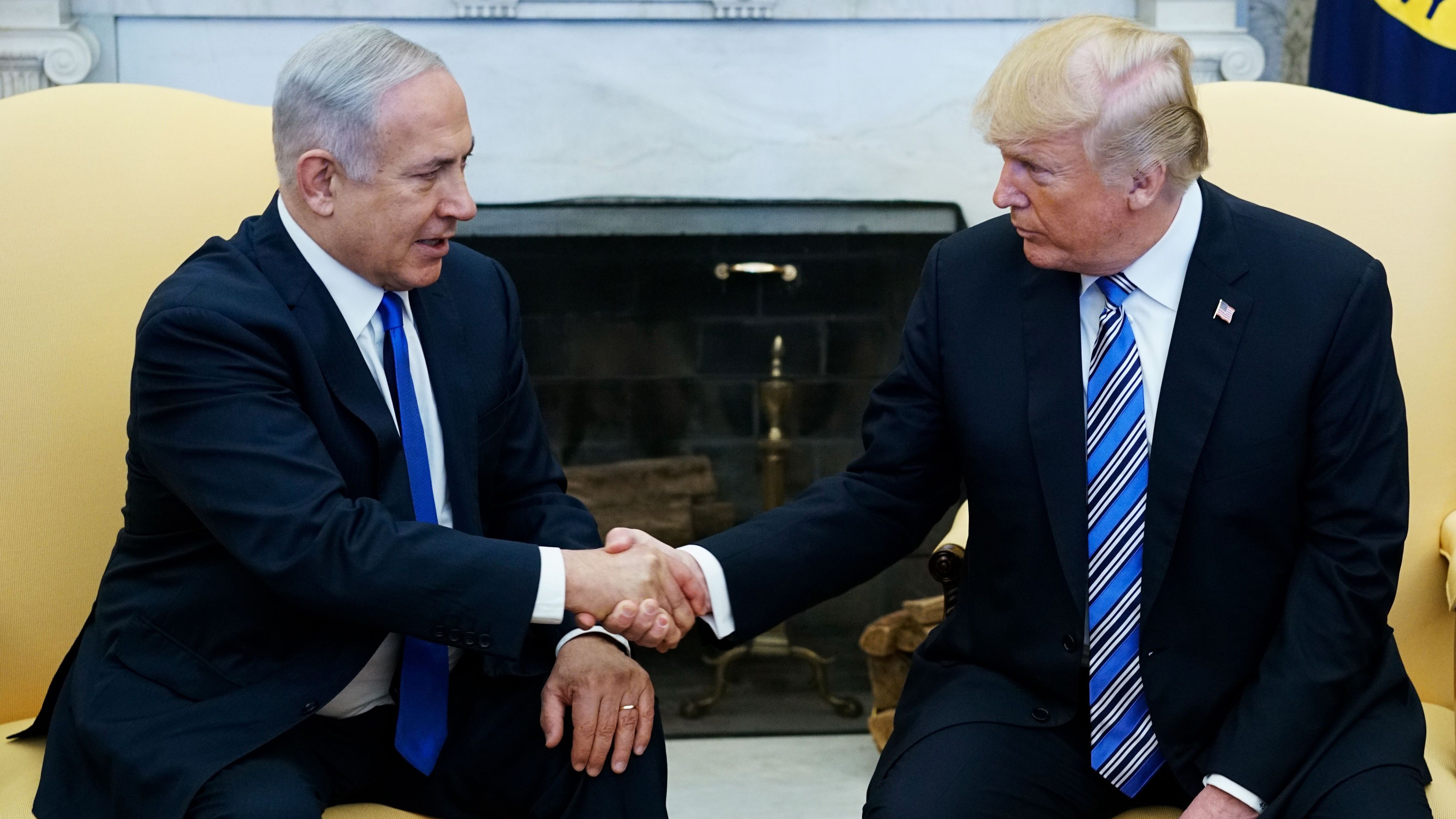
WASHINGTON — President Donald Trump said Sunday that the United States plans to sustain its military campaign against Iran for “weeks,” forecasting a possible four- to five-week timeline but acknowledging the conflict could last longer if necessary. The remarks, made in a brief interview with The New York Times, offered one of the administration’s clearest public explanations of its strategy since U.S. and Israeli forces launched a massive offensive earlier this week.
Trump described the military operation — which began with coordinated strikes alongside Israel that killed Iran’s Supreme Leader Ayatollah Ali Khamenei and other senior officials — as progressing largely as planned. He said the campaign is aimed at degrading Iran’s military capabilities and preventing what the administration views as a growing threat from Tehran’s missile and potential nuclear programs.
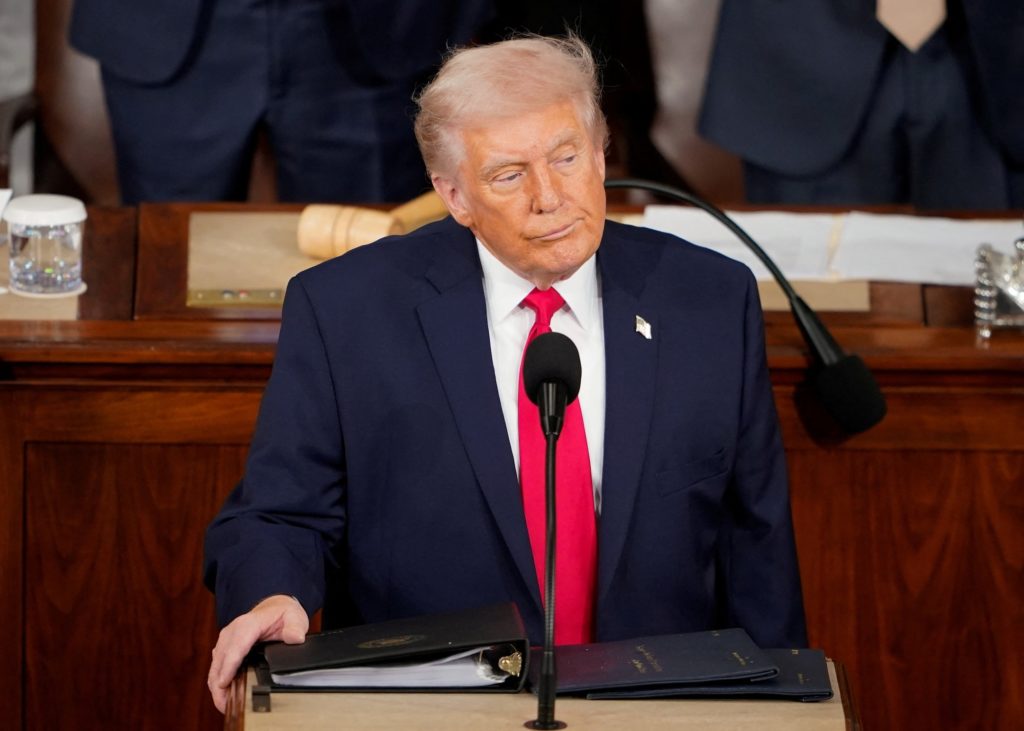
Asked how long the United States could sustain such an offensive, Trump cited an initial projection of four to five weeks but said U.S. forces have the capacity “to go far longer than that” if needed. His comments echoed public remarks he has made in recent days that the conflict could extend beyond initial estimates.
In the interview, Trump also offered mixed signals on what a post-conflict Iran might look like. At times, he suggested that Iran’s new leadership — following Khamenei’s death — could be open to negotiations, and he said he would be willing to engage in talks if they occur. At the same time, he stopped short of outlining a clear political outcome or exit strategy, leaving open questions about whether the U.S. seeks regime change or simply a weakening of Iran’s regional influence.
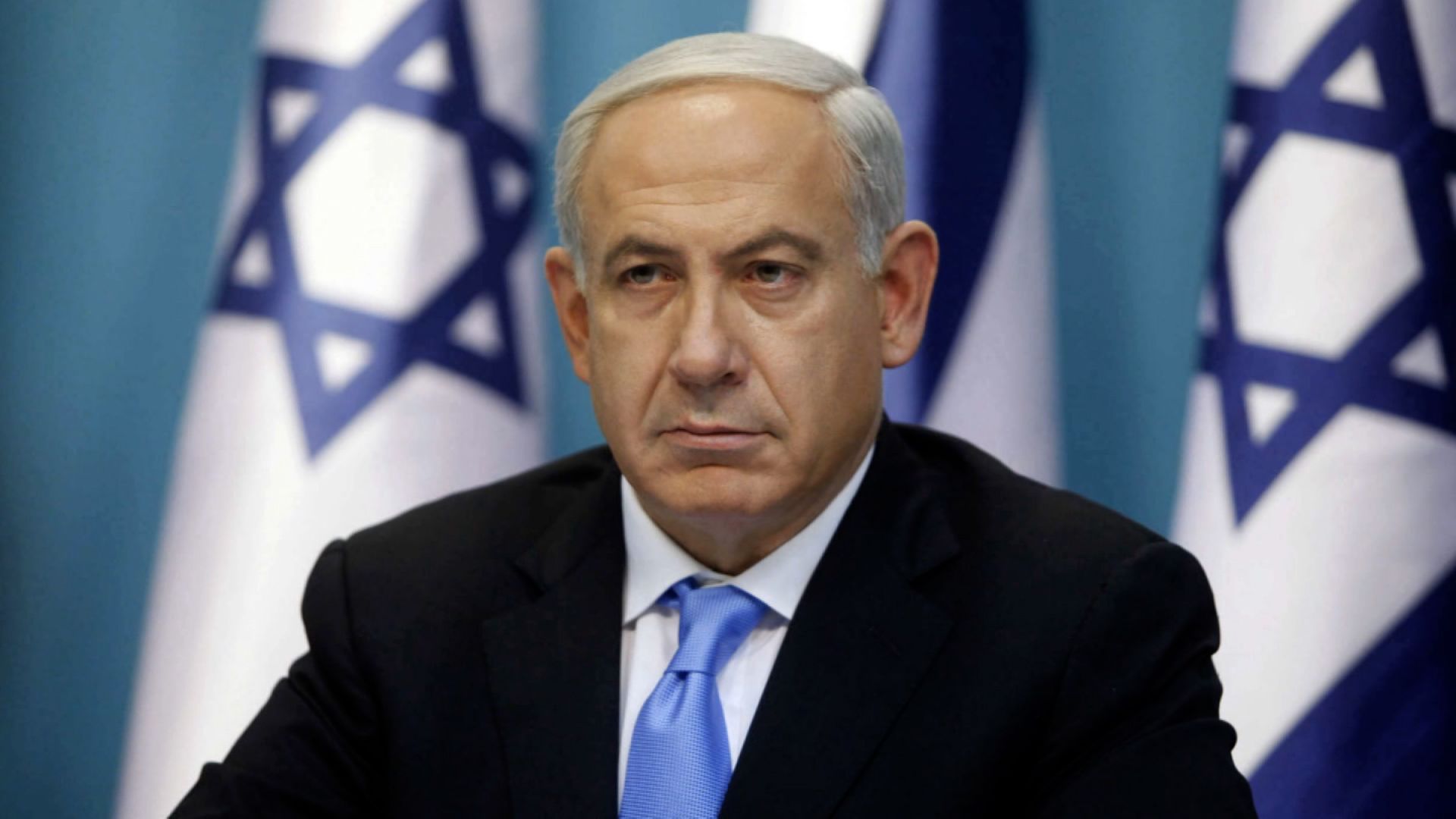
The remarks come as the war’s impact is being felt across the Middle East and beyond, with Iranian missile and drone strikes targeting U.S. bases, Israel and allied territories. Israeli Prime Minister Benjamin Netanyahu said the war may take “some time” but insisted it would not become a protracted, years-long conflict, even as U.S. public support remains low.
Critics have raised concerns about the administration’s communication strategy, noting that Trump has not held a formal wartime press briefing and has relied on social media videos and brief interviews to explain the campaign. Some commentators argue that the messaging has been inconsistent and has left the American public uncertain about U.S. objectives and the broader regional strategy.
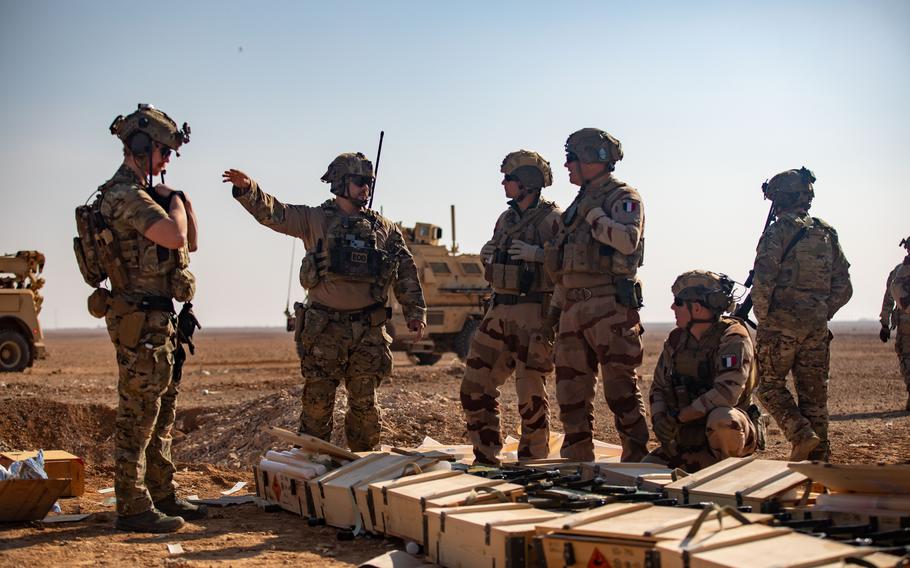
The conflict, dubbed Operation Epic Fury by U.S. and Israeli officials in some reports, has already caused significant upheaval. In addition to the death of Iran’s supreme leader, at least several U.S. service members have been killed in retaliatory actions, and regional tensions have spiked, affecting energy markets and diplomatic relations worldwide.