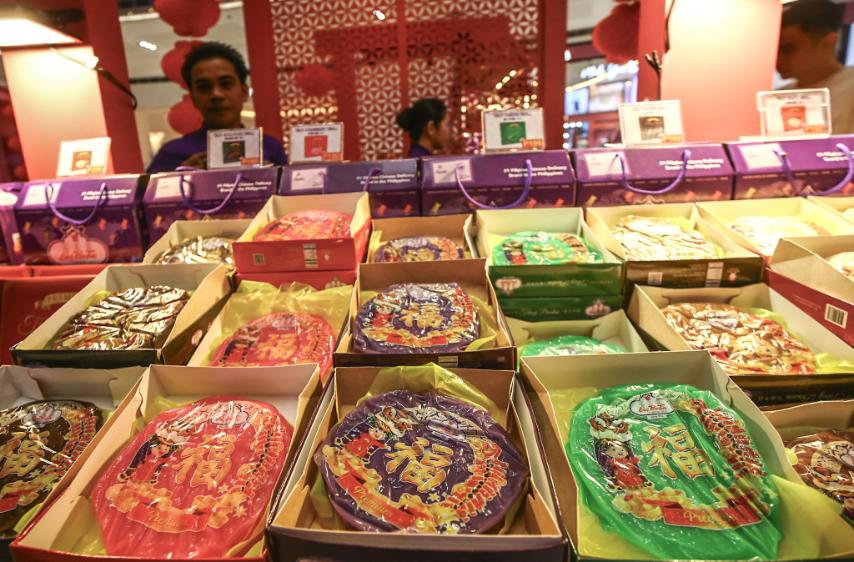
The arrival of the Chinese New Year has extended its economic influence beyond the major commercial districts of Binondo, triggering a significant sales boost for the Philippines’ ubiquitous sari-sari stores. As Filipino families integrate Lunar New Year traditions into their local celebrations, these neighborhood micro-retailers are seeing a marked increase in demand for specific goods, proving that even the smallest retail units are vital players in holiday-driven economic cycles.
The “Lucky Fruit” and Sweet Treat Phenomenon
A primary driver for this sales uptick is the traditional preparation of the “Media Paso” or the Chinese New Year’s Eve feast. Neighborhood stores have reported a surge in the turnover of round fruits, which are culturally synonymous with prosperity. Additionally, the high demand for tikoy (sticky rice cake) and other sweet delicacies has allowed sari-sari store owners to capitalize on seasonal inventory. By offering these items in smaller, more affordable portions or “tingi” sizes, store owners make traditional celebrations accessible to a broader segment of the community.
Cooking Essentials and Family Gatherings
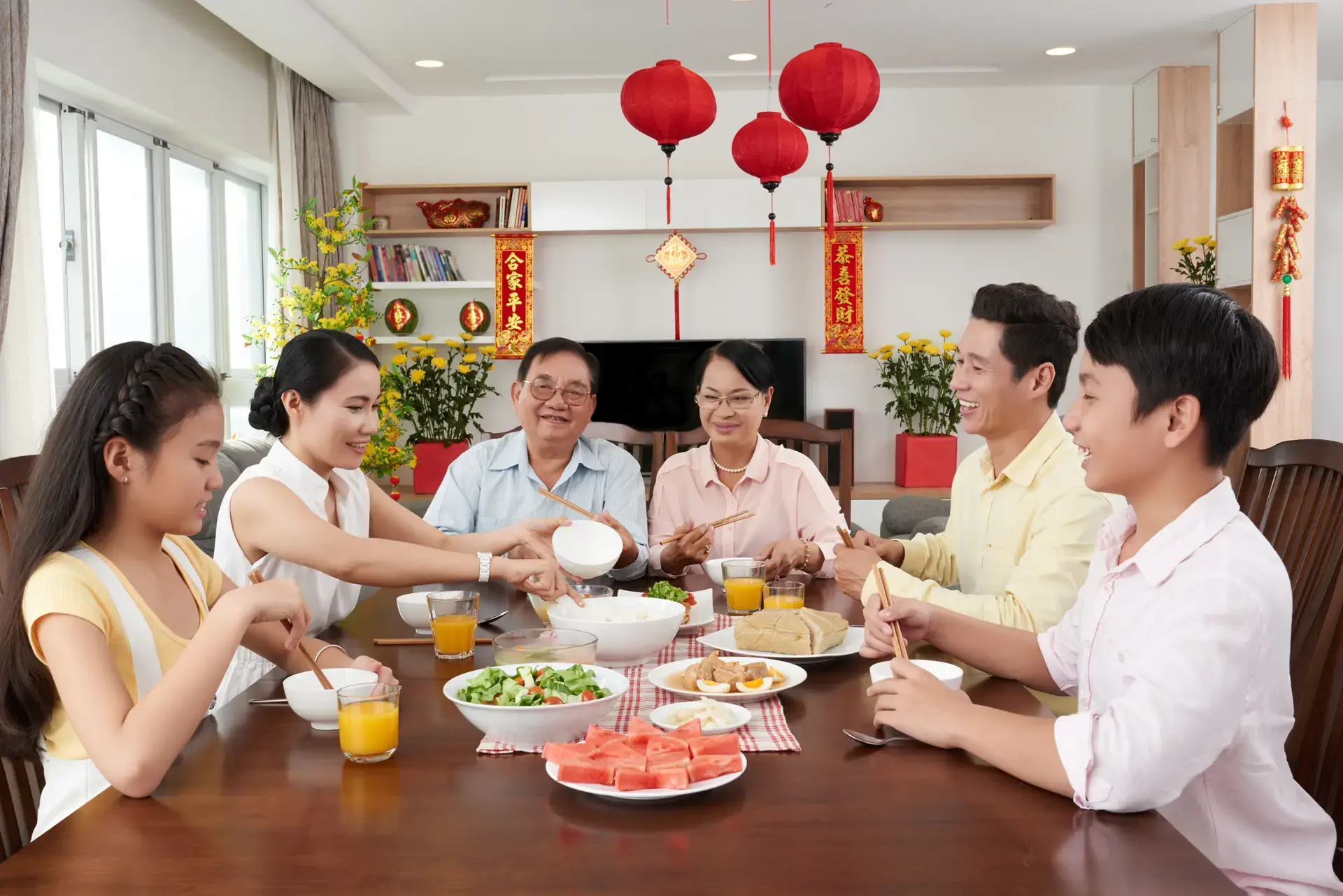
Beyond specialty items, the Lunar New Year encourages large family gatherings, which directly benefits the sales of staple cooking ingredients. Store owners have noted increased movement in pantry essentials such as cooking oil, soy sauce, noodles, and canned meats. For many residents, the convenience of purchasing these ingredients from a doorstep away outweighs the need to visit larger supermarkets, especially during the busy holiday period. This “convenience premium” allows sari-sari stores to maintain high margins during festive weeks.
The Impact of Red Packets and Social Gifting
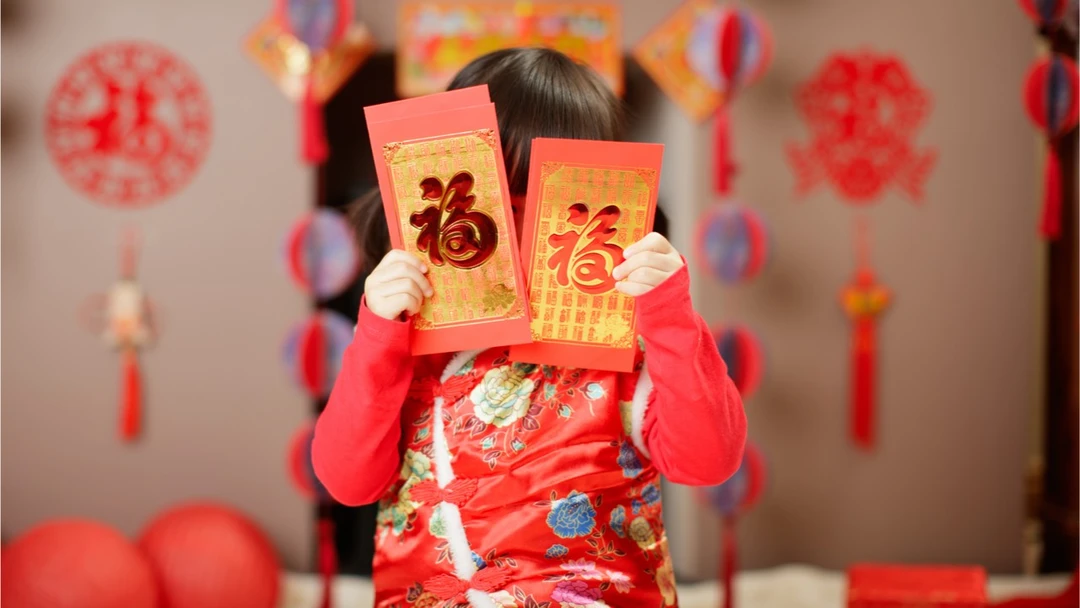
The tradition of giving Ang Pao (red envelopes) also contributes indirectly to the neighborhood economy. As children and teenagers receive these monetary gifts, a portion of the windfall is often immediately circulated back into the local economy through the purchase of snacks, beverages, and mobile phone load at nearby stores. This micro-injection of liquidity provides a welcome post-Christmas boost for retailers who often experience a slump in the weeks following the January bills.
Cultural Integration and Local Resilience
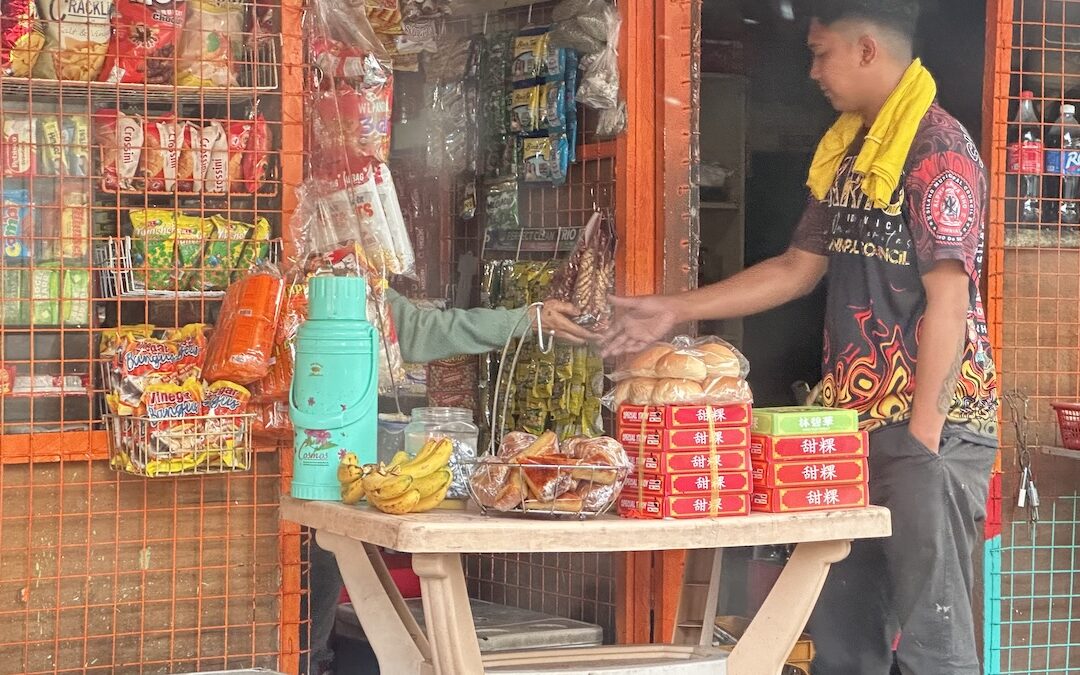
The ability of sari-sari stores to pivot their inventory for the Chinese New Year highlights the deep integration of Chinese-Filipino culture within the local grassroots economy. It also underscores the resilience and agility of micro-entrepreneurs who monitor cultural trends to better serve their communities. As the Lunar New Year becomes a more widely celebrated event across the archipelago, the sari-sari store remains a reliable barometer for the country’s festive consumption patterns, ensuring that prosperity is shared from the large malls down to the street corner.
With additional report: philstar.com