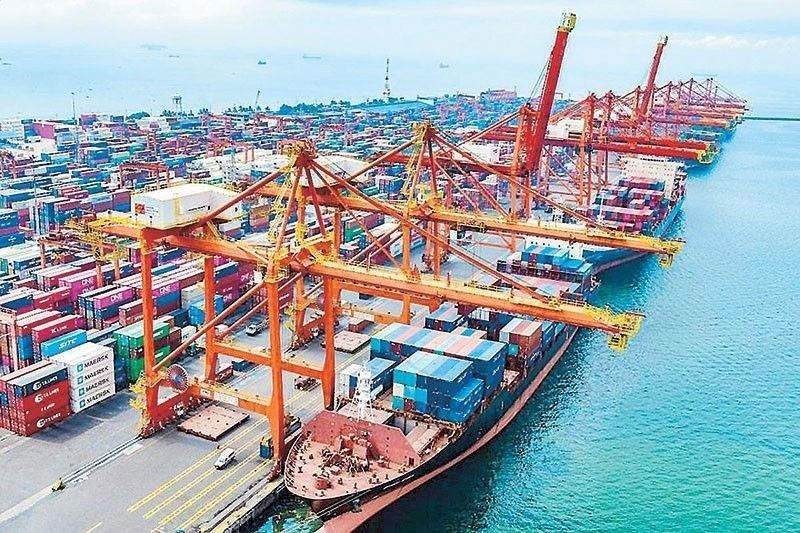
The Philippine export sector is entering the 2026 calendar year with a renewed sense of optimism, as industry leaders and government officials project a significant upward trajectory for the country’s outbound trade. Following a period of global economic recalibration, local exporters are reporting high levels of confidence driven by stabilizing supply chains, diversifying markets, and a surge in demand for high-value Philippine products.
Strategic Market Diversification
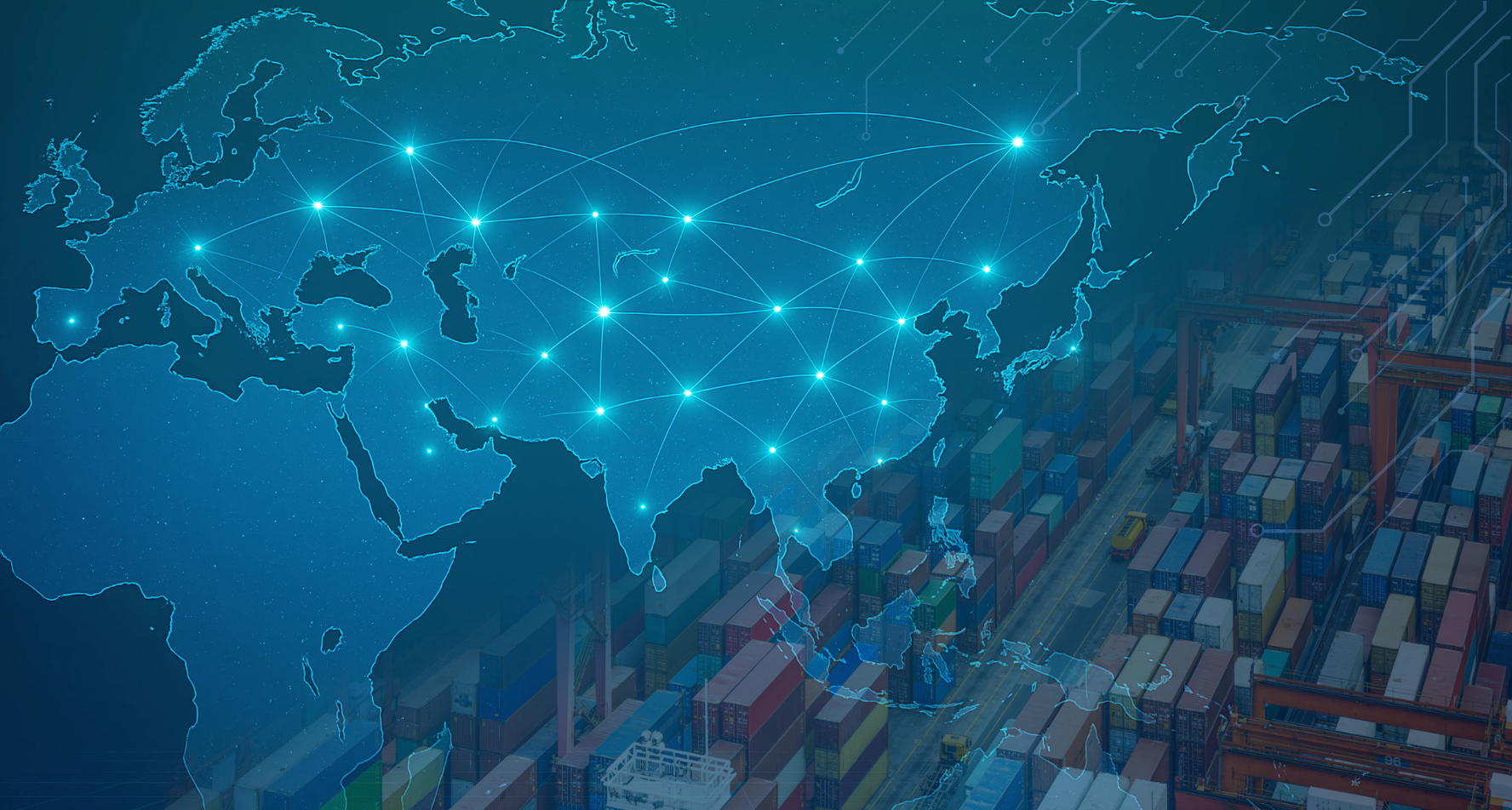
One of the primary catalysts for this upbeat outlook is the successful pivot toward non-traditional markets. While the United States, Japan, and China remain the Philippines’ top trading partners, there has been a notable increase in trade activity with fellow ASEAN nations and emerging markets in the Middle East and Europe. This diversification strategy has effectively cushioned the industry against localized economic shifts, allowing for a more resilient and predictable growth pattern.

The Rise of Technology and Service Exports
While electronics continue to dominate the physical goods category, the 2026 forecast highlights a massive spike in service exports, particularly in the digital and creative sectors. The Department of Trade and Industry (DTI) has noted that the “creative economy”—which includes software development, animation, and digital design—is becoming a dominant force in the country’s export portfolio. This shift toward high-margin, knowledge-based services is expected to significantly boost the total export value by year-end.
Infrastructure and Government Support
The recent inauguration of world-class logistics facilities, such as the new LPG import terminals and expanded port capabilities in Batangas and Cebu, has addressed long-standing bottlenecks in the supply chain. These infrastructure milestones, coupled with the government’s “Bagong Pilipinas” initiative, have streamlined the ease of doing business for exporters. Industry players have lauded the administration’s aggressive stance on foreign trade and its commitment to reducing red tape, which has made Philippine goods more competitive on the global stage.
Resilience Amid Global Challenges
Exporters acknowledge that while global inflationary pressures and geopolitical tensions remain a concern, the Philippine export community has matured significantly. The adoption of advanced manufacturing technologies and sustainable production methods has allowed local firms to meet the increasingly stringent standards of international buyers. This commitment to quality and innovation is seen as the ultimate safeguard for the industry’s long-term expansion.

A Unified Vision for the Future
As the country prepares to host high-level ASEAN trade summits later this year, the sentiment among exporters remains one of collective ambition. The synergy between private sector brilliance and proactive government policy is creating a fertile environment for growth. With a focus on strengthening regional connectivity and leveraging the unique talents of the Filipino workforce, the export sector is not only aiming for higher numbers but is positioning itself as a leader in the regional supply chain for years to come.
With additional report: philstar.com