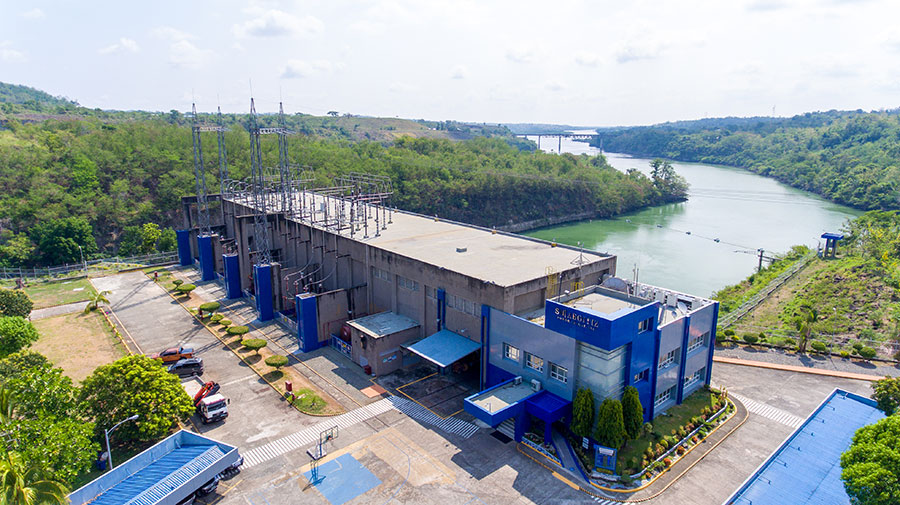

In a significant development for the country’s energy sector, the Aboitiz Group has formally committed to stepped-up investments to upgrade and enhance the operations of the sprawling Caliraya-Botocan-Kalayaan (CBK) hydroelectric power complex in Laguna — a move aimed at boosting energy reliability, maximizing power output and reinforcing the Philippines’ clean energy transition.
The announcement came during the ceremonial turnover of the 797-megawatt (MW) CBK hydroelectric facility, which was recently handed over by the Philippine government to a consortium led by the Aboitiz renewable energy unit following its successful bid in the government-run privatization process.
Strategic Upgrades for a Key Power Asset
At the turnover event, company officials detailed plans to channel additional capital and technical resources into the CBK complex to modernize its facilities, optimize generation efficiency, and unlock greater power output from its existing infrastructure. The upgrades are expected to improve the plant’s performance across its multiple facilities, including run-of-river hydro, pumped-storage, and impoundment systems, ensuring that it continues to deliver dependable renewable energy for decades to come.
“We promise not only to take care of it, but invest to improve and maximize its operations and squeeze every megawatt (MW),” said Aboitiz Group president and CEO Sabin Aboitiz, underlining the company’s long-term commitment to Philippine energy security.
Officials have underscored that the CBK plant — which plays a vital role in balancing electricity supply, managing demand peaks and supporting grid stability — will be a central part of efforts to integrate more renewable sources like solar and wind into the national power mix. Enhancing its functionality is seen as essential to meeting growing energy needs while shifting toward cleaner power generation.
Ownership Transition, Government Support, and Broader Impact
The transfer of stewardship for the hydroelectric complex to the Aboitiz-led Thunder Consortium finalizes the group’s P36.27-billion privatization bid, following the government’s power sector privatization program managed by the Power Sector Assets and Liabilities Management Corporation (PSALM). The consortium includes not only Aboitiz Renewables but also international partners such as Sumitomo Corporation and Electric Power Development Co., Ltd. (J-POWER).
The formal handover — witnessed by government officials and foreign representatives — highlights both the government’s push toward private sector participation in strategic energy assets and investor confidence in the Philippines’ energy landscape. The facility’s role in energy storage and dispatchable renewable generation is considered crucial as the country transitions to a more resilient and diversified energy mix.
Bolstering Renewable Energy Goals
By enhancing the CBK complex, the Aboitiz consortium aims not just to preserve the facility’s current capacity but also to elevate its contribution toward grid reliability — particularly in times of peak demand and fluctuating renewable generation. Hydropower assets such as CBK are valued for their ability to support ancillary services and act as large-scale energy buffers, an increasingly important capability as solar and wind installations grow across the archipelago.
The planned capital improvements and operational enhancements align with broader national objectives to increase the share of renewable energy in the country’s generation mix, underscoring the government’s and private sector’s shared interest in sustainable, reliable power.
Looking Ahead
As construction and upgrade programs unfold, the CBK hydroelectric facility is poised to become an even more strategic cornerstone in the Philippines’ energy infrastructure — reinforcing the stability of the grid while supporting long-term economic growth through dependable power supply. With its expanded role in integrating renewable power sources and enhancing system resilience, the facility is expected to deliver significant benefits not only to the energy sector but also to households, industries, and communities that depend on consistent electricity access.