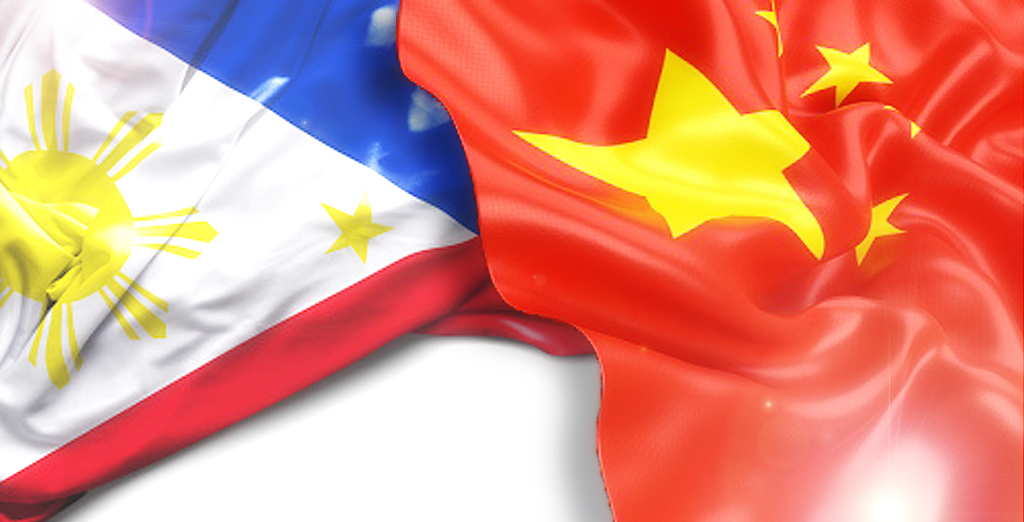
Malacañang has issued a call for “healthy dialogue” and mutual respect between the Philippines and China, emphasizing that diplomacy must remain a two-way street. This appeal comes at a critical juncture in February 2026, as both nations navigate a period of heightened verbal sparring and maritime friction in the West Philippine Sea. Palace Press Officer Undersecretary Claire Castro articulated the administration’s stance, noting that the responsibility for de-escalating tensions does not rest on one country alone but requires a reciprocal commitment from both Manila and Beijing to preserve regional stability.
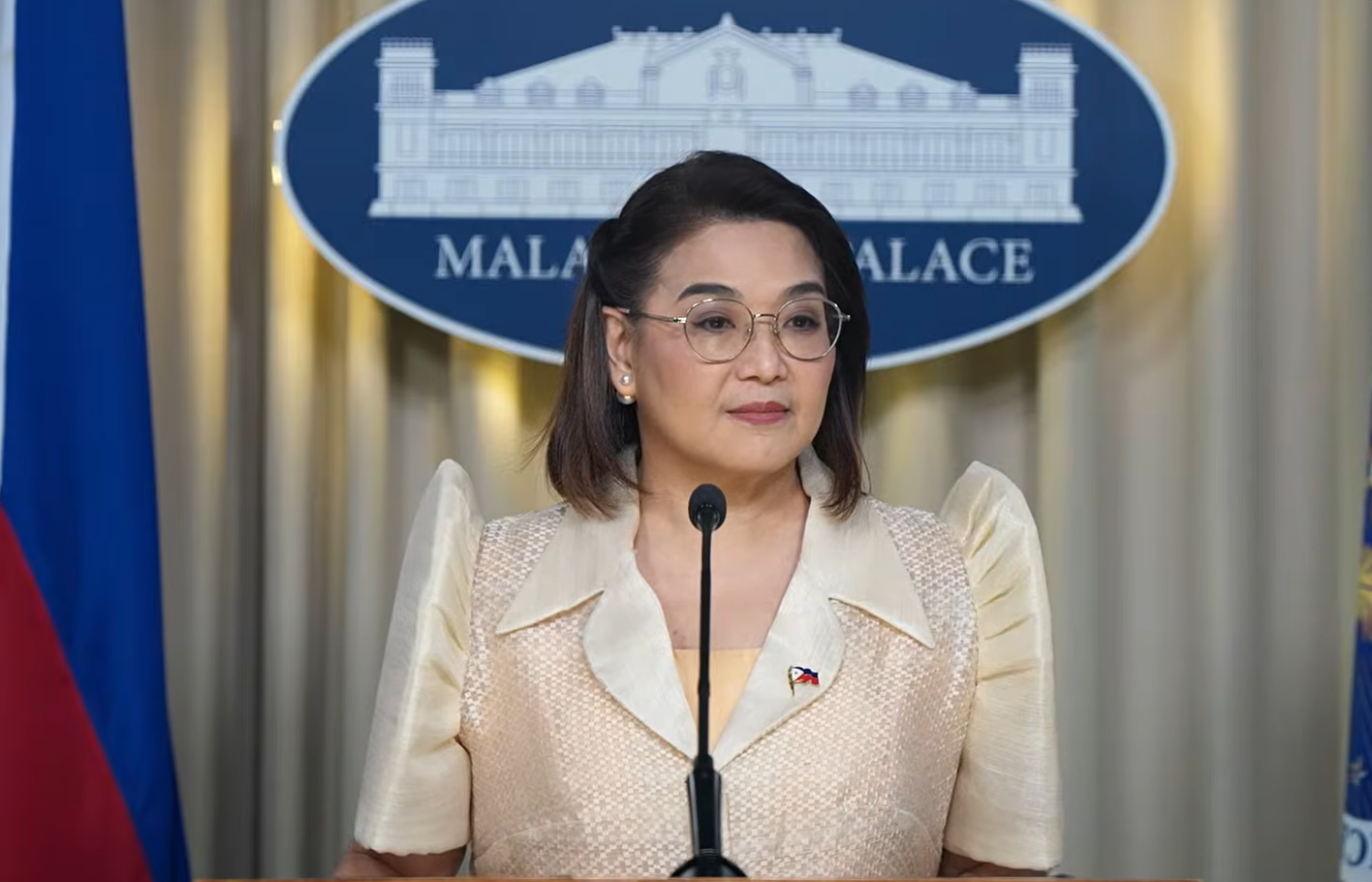
The push for a more measured discourse follows recent warnings from the Chinese Embassy in Manila, which suggested that escalating political rhetoric could potentially jeopardize millions of Filipino jobs linked to bilateral economic relations. In response to these remarks, the Department of Foreign Affairs expressed concern over the “coercive” tone of such statements while reiterating its own dedication to stabilizing the relationship through established diplomatic channels. The Palace clarified that while the government remains firm in defending Philippine sovereignty and maritime entitlements under international law, it prioritizes peaceful engagement over aggressive confrontation.
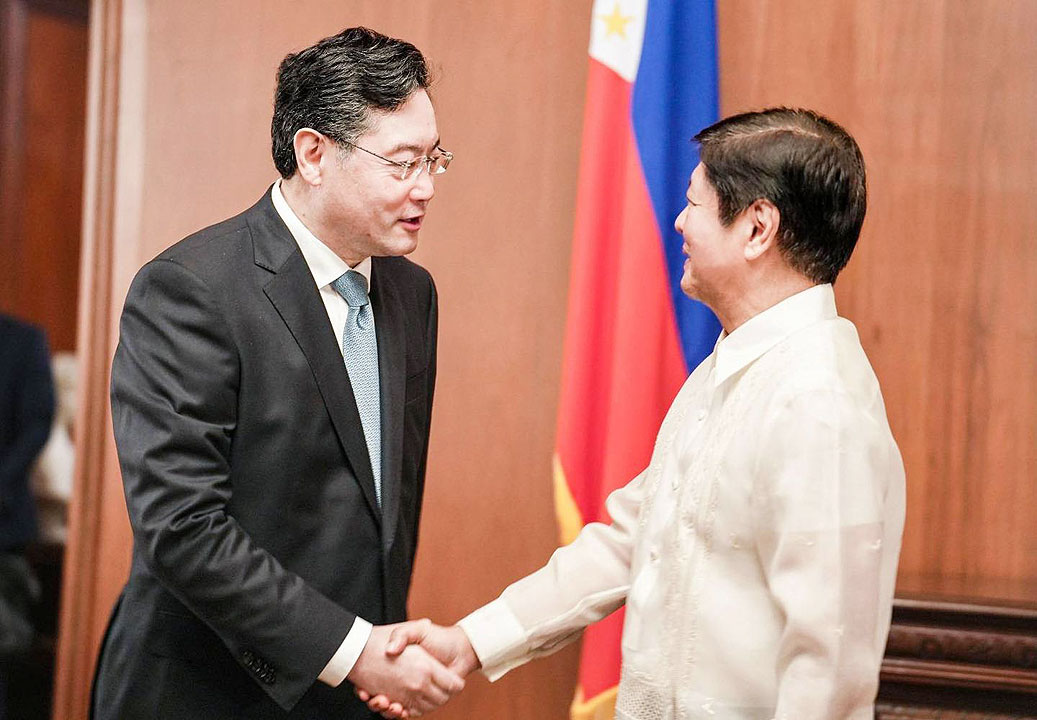
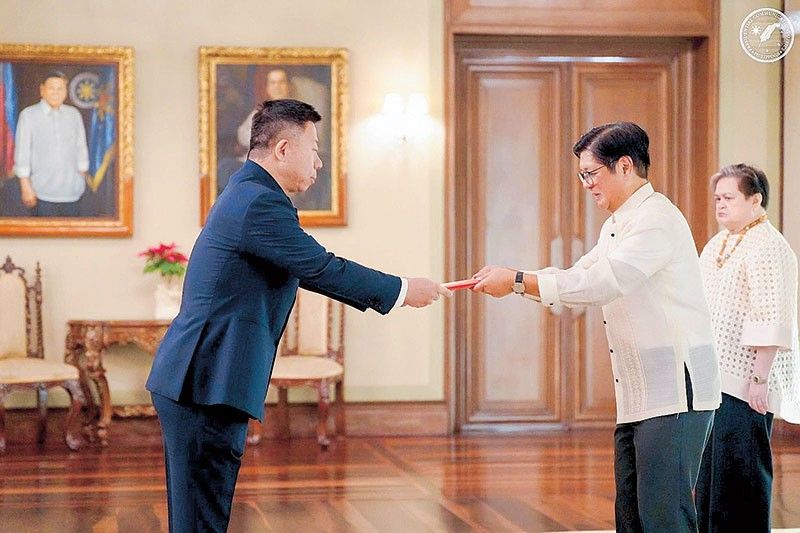
President Ferdinand Marcos Jr. has notably resisted calls from some lawmakers to declare certain Chinese diplomats persona non grata, signaling a preference for keeping lines of communication open despite deep-seated disagreements. This approach was visible during recent cultural events in Binondo, where the President and Chinese Ambassador Jing Quan shared a stage, highlighting the complex blend of economic cooperation and territorial dispute that defines the current bilateral landscape. The administration maintains that “friendly discussions” are essential to prevent the “word war” between officials from spiraling into a more severe diplomatic crisis.
At the heart of the Palace’s message is the belief that mutual respect is the cornerstone of any functional relationship between neighboring states. By urging a “healthy dialogue,” the executive branch seeks to balance the assertive protection of the country’s exclusive economic zone with the practical necessity of maintaining trade and people-to-people ties. As the Philippines prepares to take on a more prominent role in regional leadership, Malacañang continues to advocate for a diplomatic environment where both sides can express their sentiments without undermining the foundation of their long-standing ties.
With additional report: philstar.com