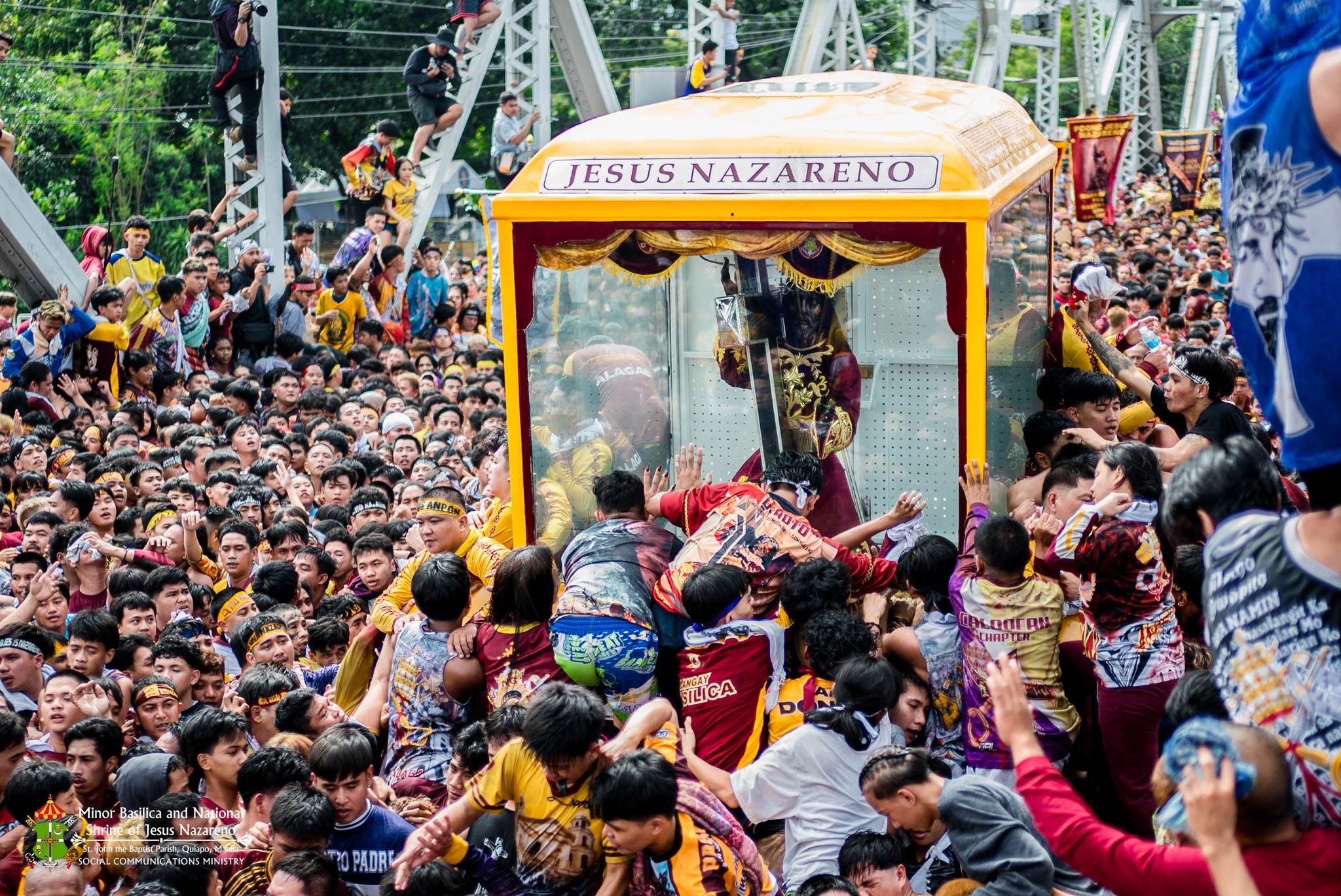

Manila, Philippines — Millions of Filipino Catholics marked the Feast of the Black Nazarene on Friday, January 9, the first Friday of the year, as devotees once again flocked to Quiapo, Manila in what has become the longest and most attended Traslacion in recent history.
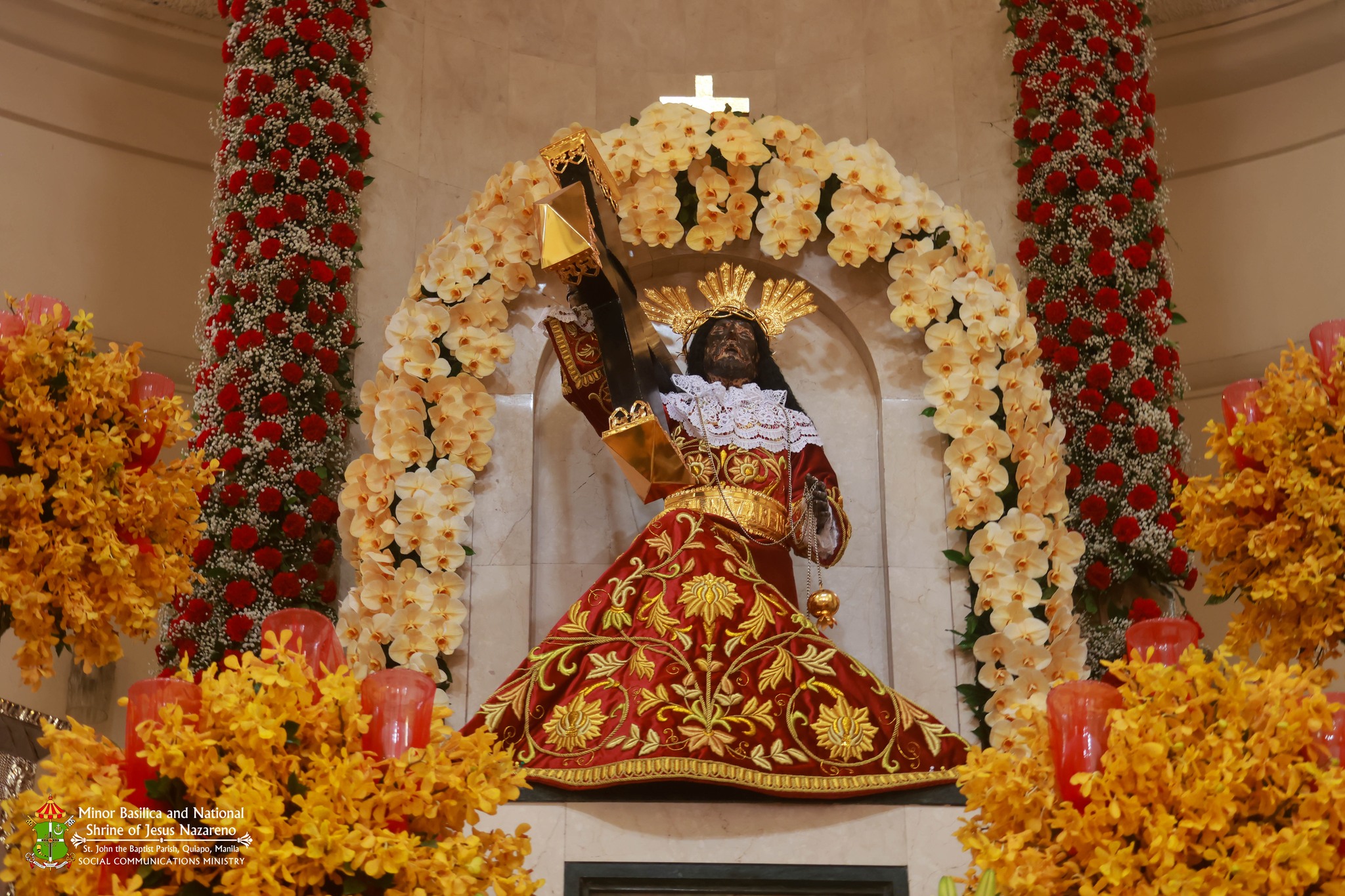
The annual feast, a tradition more than a century old, centers on the procession of the revered image of the Black Nazarene — a life-sized, dark wooden statue of Jesus Christ believed by devotees to be miraculous. The image was transferred from the Quirino Grandstand back to the Minor Basilica and National Shrine of Jesus Nazareno in Quiapo, a journey that took nearly 30 hours to complete due to the overwhelming number of participants.
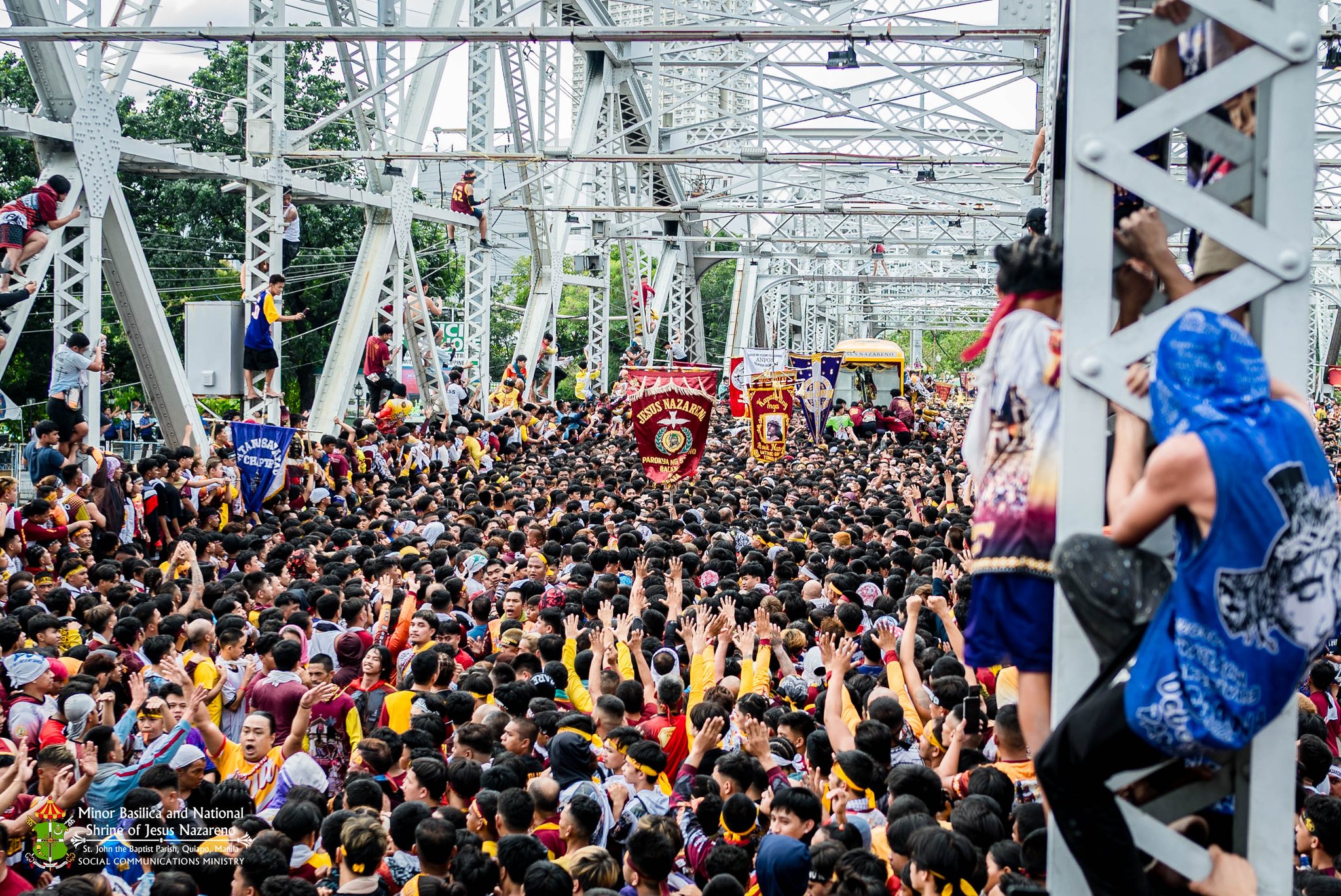
Authorities estimated that close to 10 million devotees joined the procession, making this year’s Traslacion the longest, slowest, and most crowded on record. Streets along the route were densely packed with barefoot devotees wearing maroon and yellow, many enduring exhaustion, intense heat, and physical strain for the chance to touch the andas or even the rope pulling the carriage — an act believed to bring blessings.
Quiapo has long been known as the spiritual home of the Black Nazarene, drawing generations of devotees who return year after year. Stories of miracles, healing, and renewed hope have sustained the devotion for decades and underscore the image’s enduring influence within the Catholic Church in the Philippines.
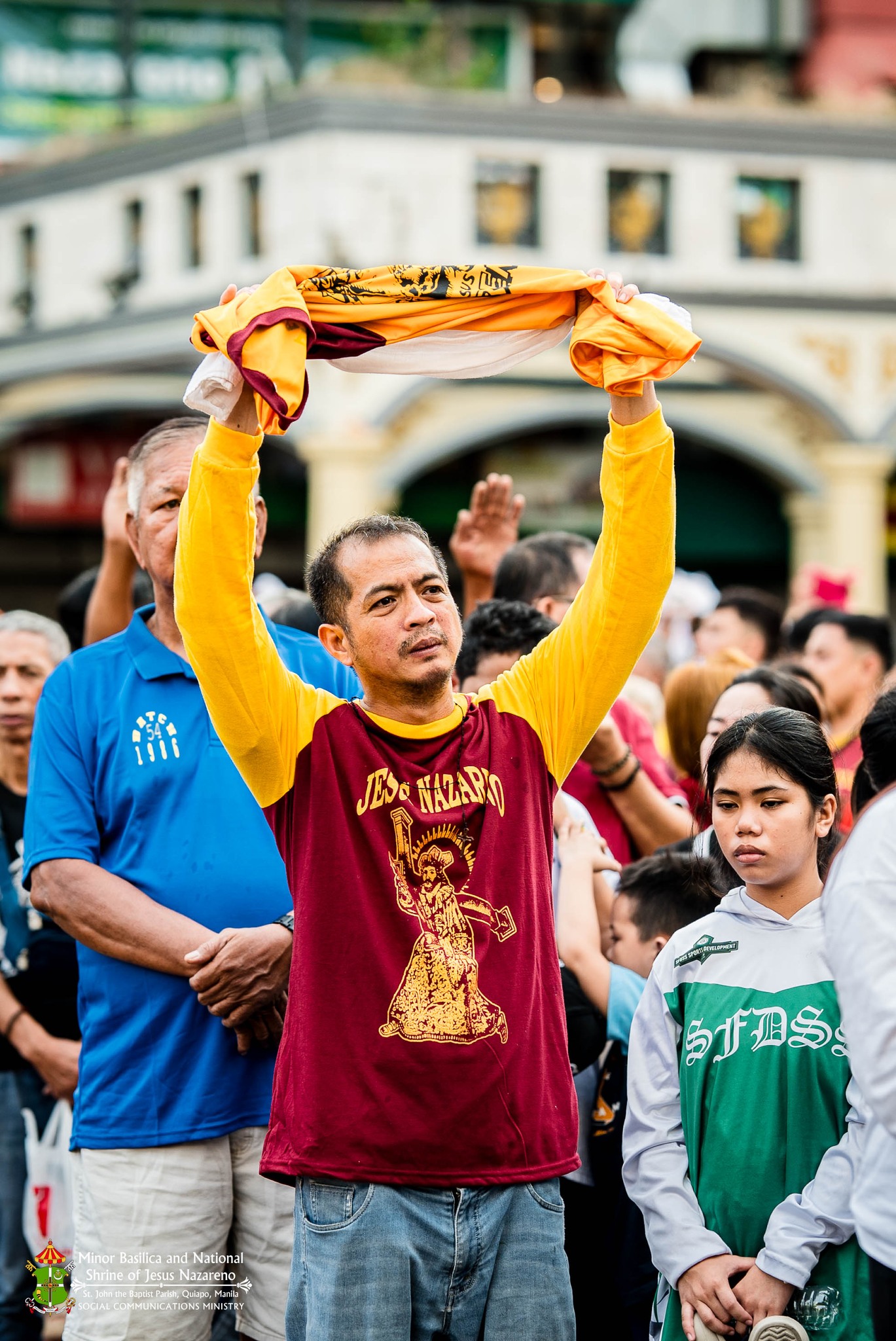
Observers noted the extraordinary determination displayed by devotees, many of whom pushed through crowds for hours, risking injury in their desire to come close to the image. For believers, participation in the Traslacion is an expression of gratitude for prayers believed to have been answered, while others join as part of a personal vow or lifelong devotion.
Church officials and devotees alike emphasized that the procession is not merely a religious event but a reflection of lived realities. Many participants come from marginalized sectors, clinging to faith as a source of strength amid poverty, illness, and daily hardship. Simple aspirations — such as stable work, good health, or family safety — are often offered as prayers during the feast.
Religious observers point out that the persistence and growth of the devotion, centuries after it began, reflect a collective search for hope. As faith leaders have often noted, many devotees return year after year in thanksgiving for blessings they believe were granted, while others continue to hold on to faith as their final refuge amid social and economic uncertainty.
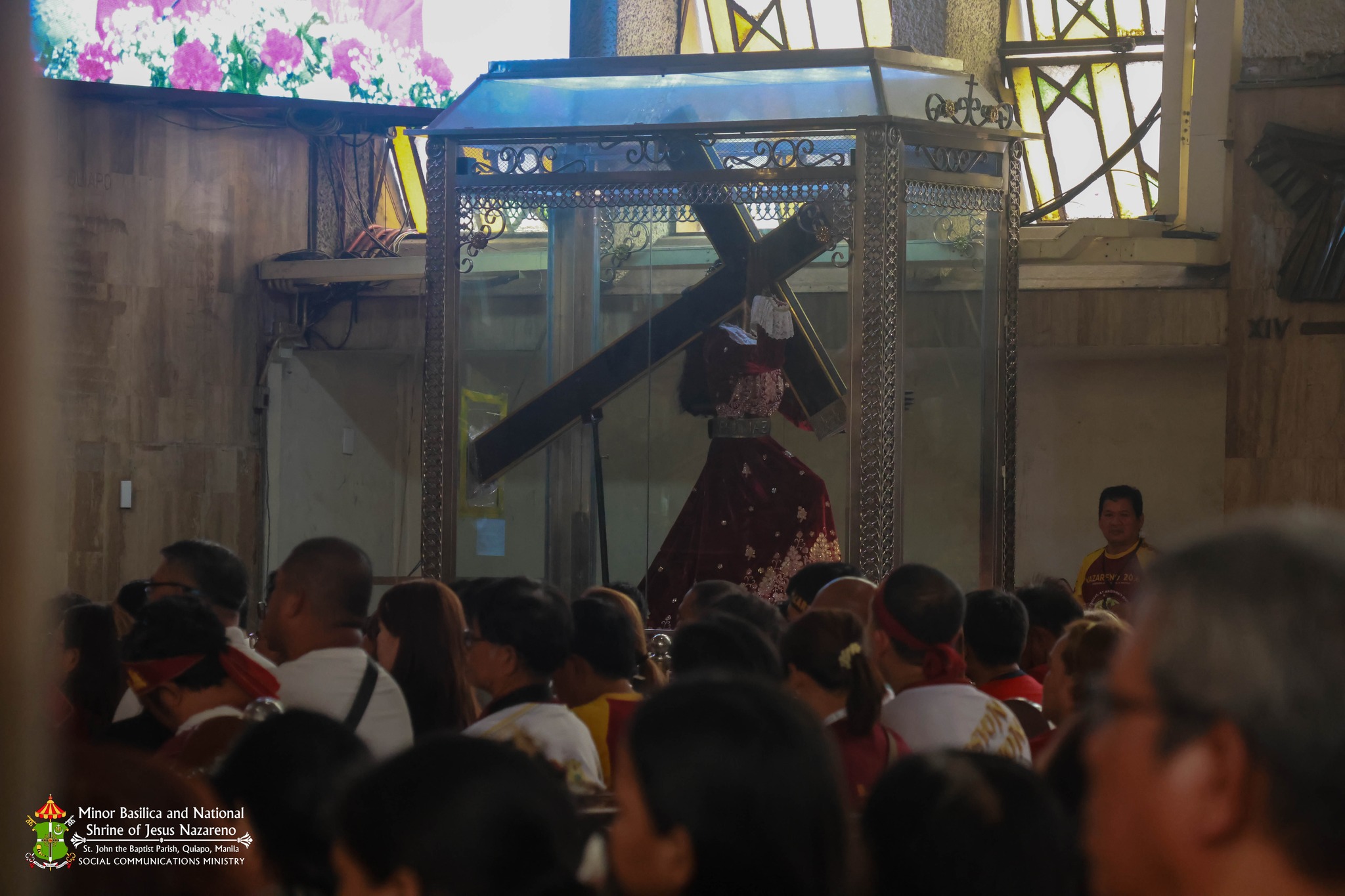
While the Traslacion stands as a powerful display of Filipino spirituality, it also highlights broader societal challenges. The sheer number of devotees has raised questions among observers about why so many continue to entrust their struggles solely to faith — a reality that mirrors the deep inequalities and hardships faced by many Filipinos.
As the Black Nazarene was finally returned to Quiapo after more than a full day of procession, the event once again underscored not only the depth of religious devotion in the country, but also the enduring hope of millions who continue to seek miracles in the midst of life’s difficulties.