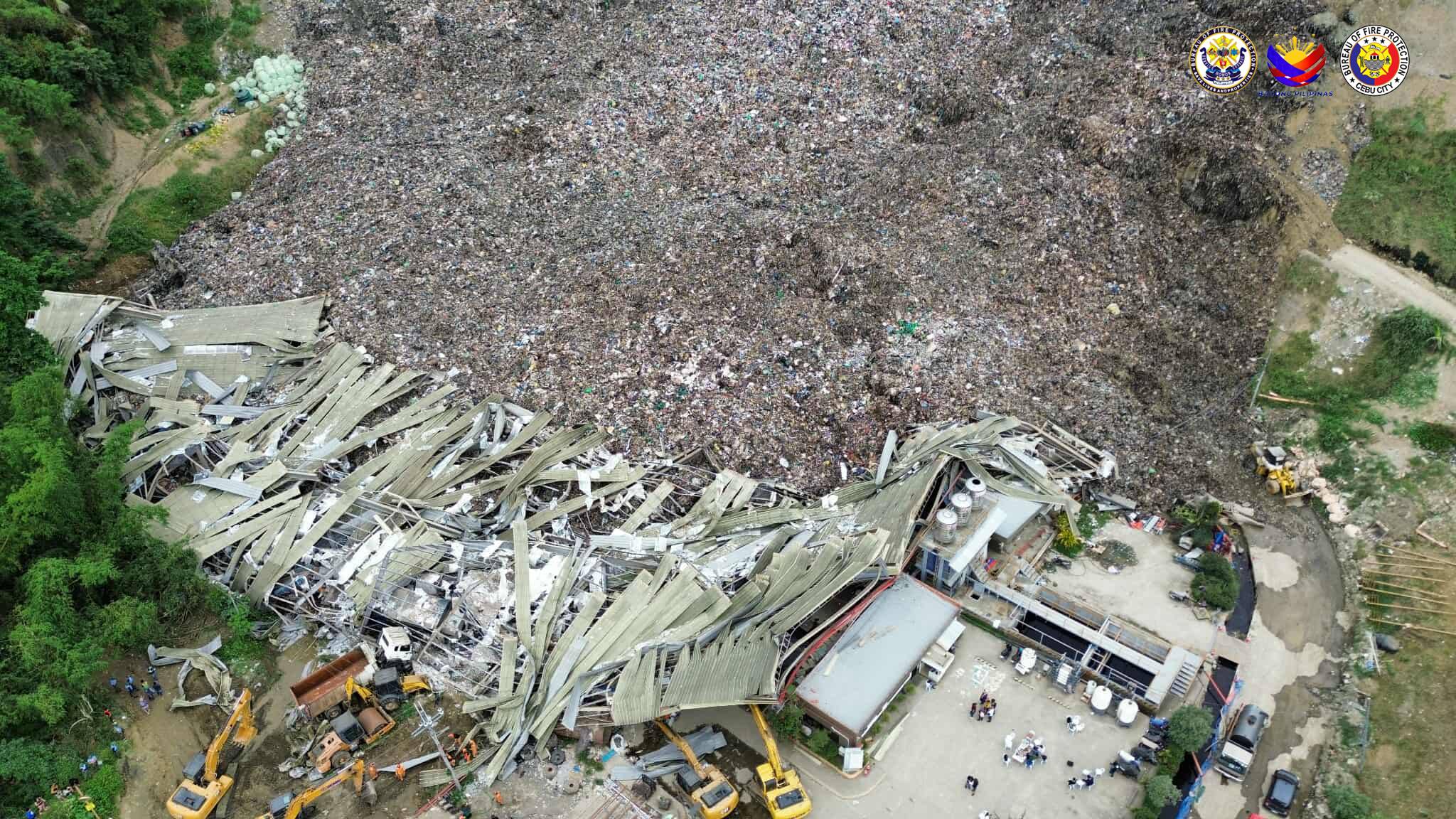
CEBU CITY — Rescue teams are racing against time after a massive landfill collapse in Barangay Binaliw on January 8, 2026, which has killed at least one worker, injured many others and left dozens missing as authorities investigate possible structural and environmental causes behind the disaster.
The collapse occurred around 4:17 p.m. local time at a waste disposal facility operated by a private company, where approximately 110 workers were on site when a towering pile of garbage — estimated to be four stories high — suddenly gave way, burying buildings and workers under tons of debris.
Casualties and Ongoing Rescue Effort
So far, officials report:
- 1 confirmed fatality — a 22-year-old landfill worker who died while being transported to a hospital.
- Dozens reported missing, with the latest figures indicating about 34 unaccounted for; earlier reports cited up to 38 missing as search efforts continue.
- Several survivors have been rescued and hospitalized, with at least a dozen treated for injuries after being extricated from the rubble.
Emergency response teams — including local disaster units, police, fire brigades, and military personnel — have been deployed to comb through the debris, using heavy lifting equipment and search dogs. Hundreds of responders are expected to remain on-site as operations continue into the weekend.
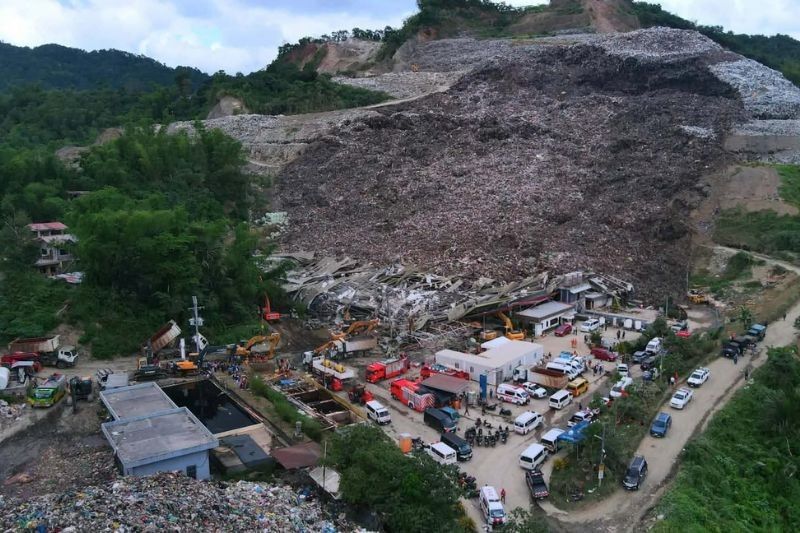
Eyewitnesses described the collapse as rapid and without warning, with one survivor recounting the terrifying moment when the garbage mountain gave way, destroying offices and facilities on the site.
Questions Over Causes and Safety Conditions
Officials have not yet confirmed a definitive cause, but preliminary assessments are focusing on structural and environmental factors that could have weakened the massive landfill mound over time. Local lawmakers and observers have raised concerns about the stability of the site, noting extensive waste piling, possible soil mining, and inadequate slope management that effectively transformed parts of the landfill into an open dumpsite rather than a properly engineered facility.
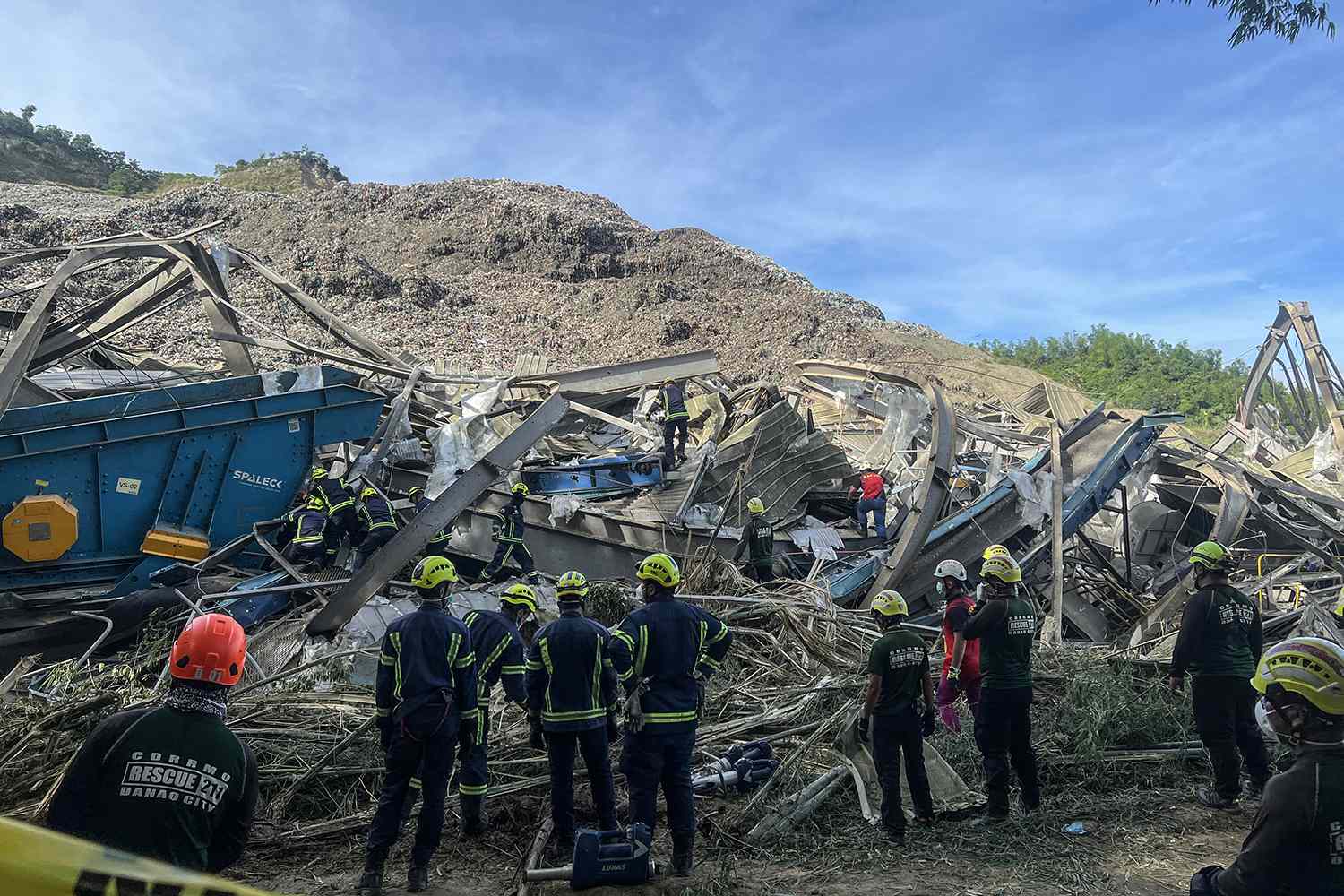
Experts say that poor drainage, water infiltration from past rains and typhoons, and the sheer weight of accumulated waste can significantly reduce slope stability in unregulated landfills, increasing the risk of sudden collapses. This is consistent with known mechanisms behind “garbage landslides,” where unmanaged waste mounds behave similarly to natural slope failures under stress.
Safety concerns have been further amplified by the risk of methane gas ignition, which can limit the use of certain heavy machinery at the collapse site and complicate rescue operations.
Government and Company Response
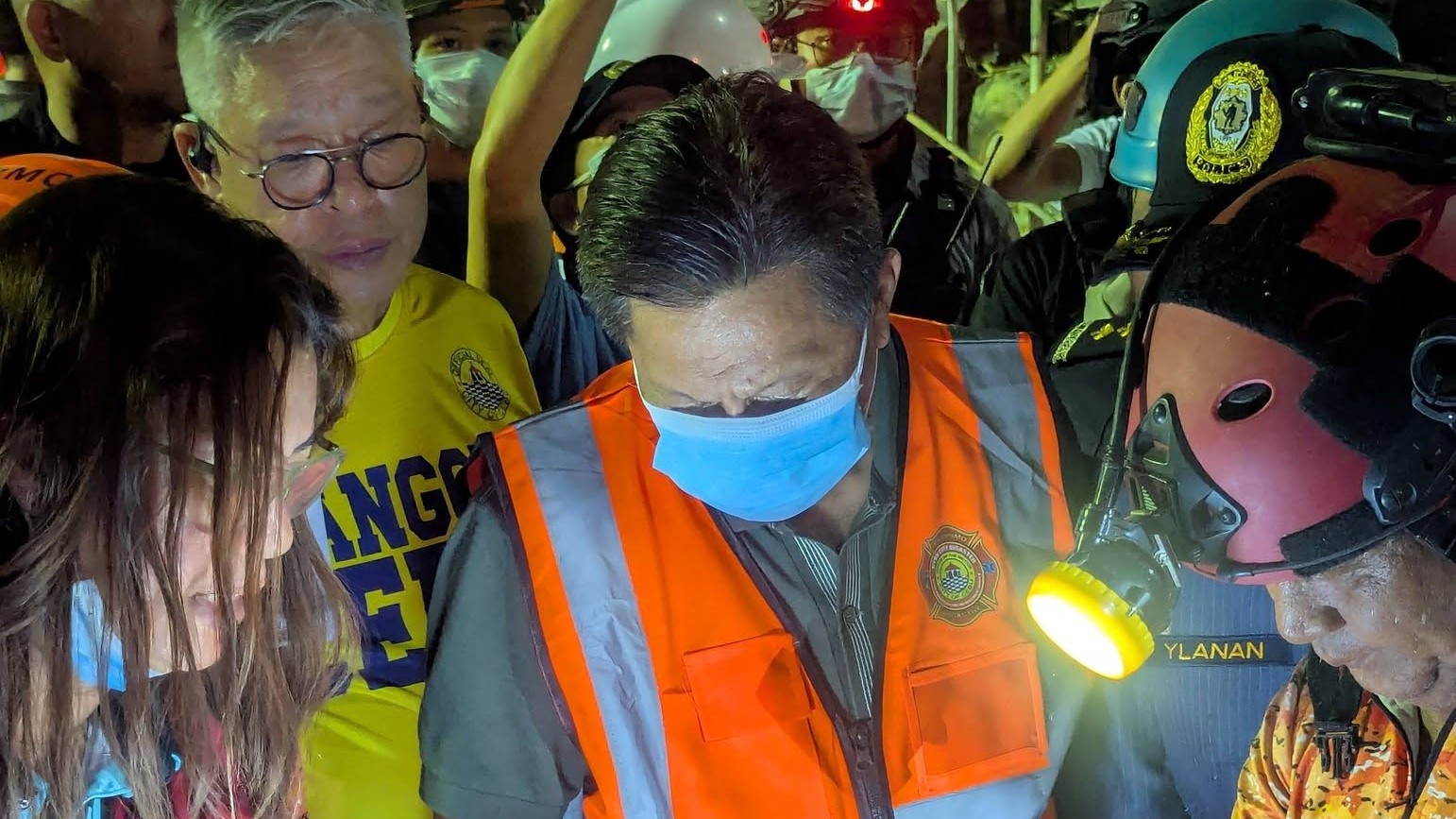
Cebu City officials, including Mayor Nestor Archival, have pledged transparency and support for affected families, coordinating with national agencies to ensure that rescue operations proceed with full resources and safety protocols.
The operator of the landfill has stated that the safety and wellbeing of employees and surrounding communities remain a priority, and has temporarily suspended operations at the site while cooperating in ongoing investigations.
Historical Context
The tragedy has drawn painful parallels to past landfill disasters in the Philippines, including the 2000 Payatas landfill landslide in Metro Manila, which killed hundreds of people and ultimately led to stricter solid waste management laws.
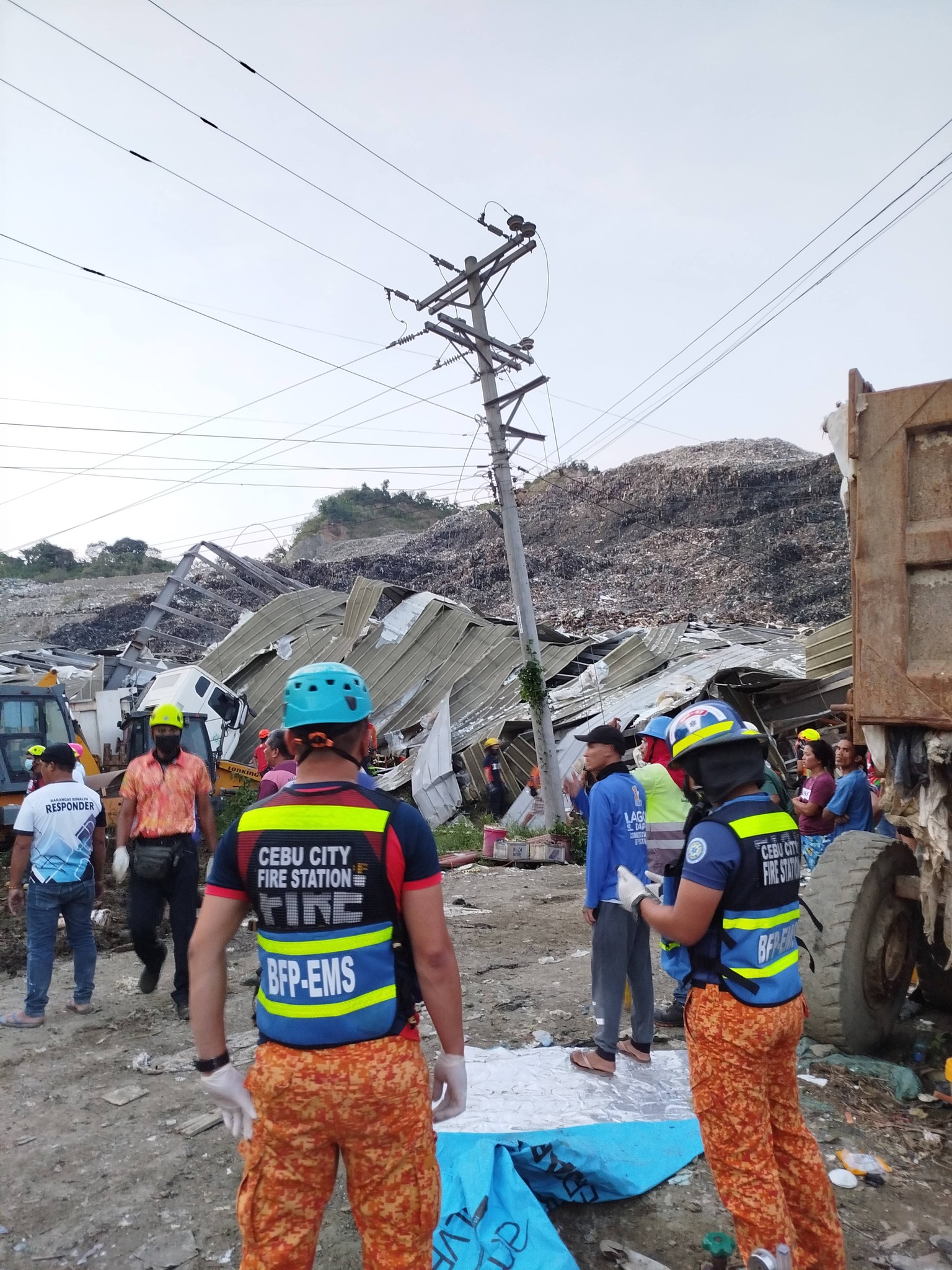
Authorities say the current incident underscores the need for stronger enforcement of waste management policies and improved engineering practices at landfill sites nationwide. Rescue efforts remain underway as communities and families await updates on missing workers.