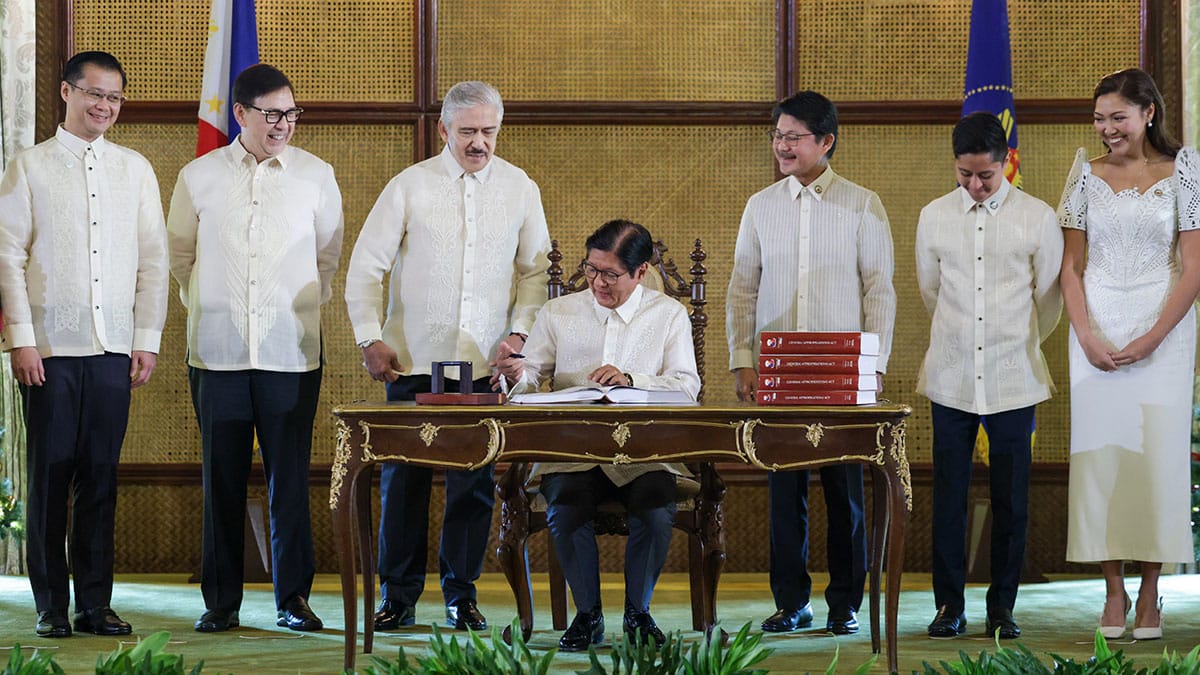
MANILA, Philippines — President Ferdinand “Bongbong” Marcos Jr. signed the ₱6.793-trillion national budget for fiscal year 2026 into law on January 5, 2026, marking a 7.4 % increase from the 2025 allocation and the largest spending plan in Philippine history. The move comes amid public demand for greater fiscal responsibility following recent allegations of corruption tied to flood control projects.
In his remarks at the Malacañang budget signing ceremony, Marcos emphasized prudent spending and accountability, underscoring provisions that bar politicians from participating in the distribution of financial assistance programs. The restrictions aim to curb patronage politics and strengthen trust in government spending.
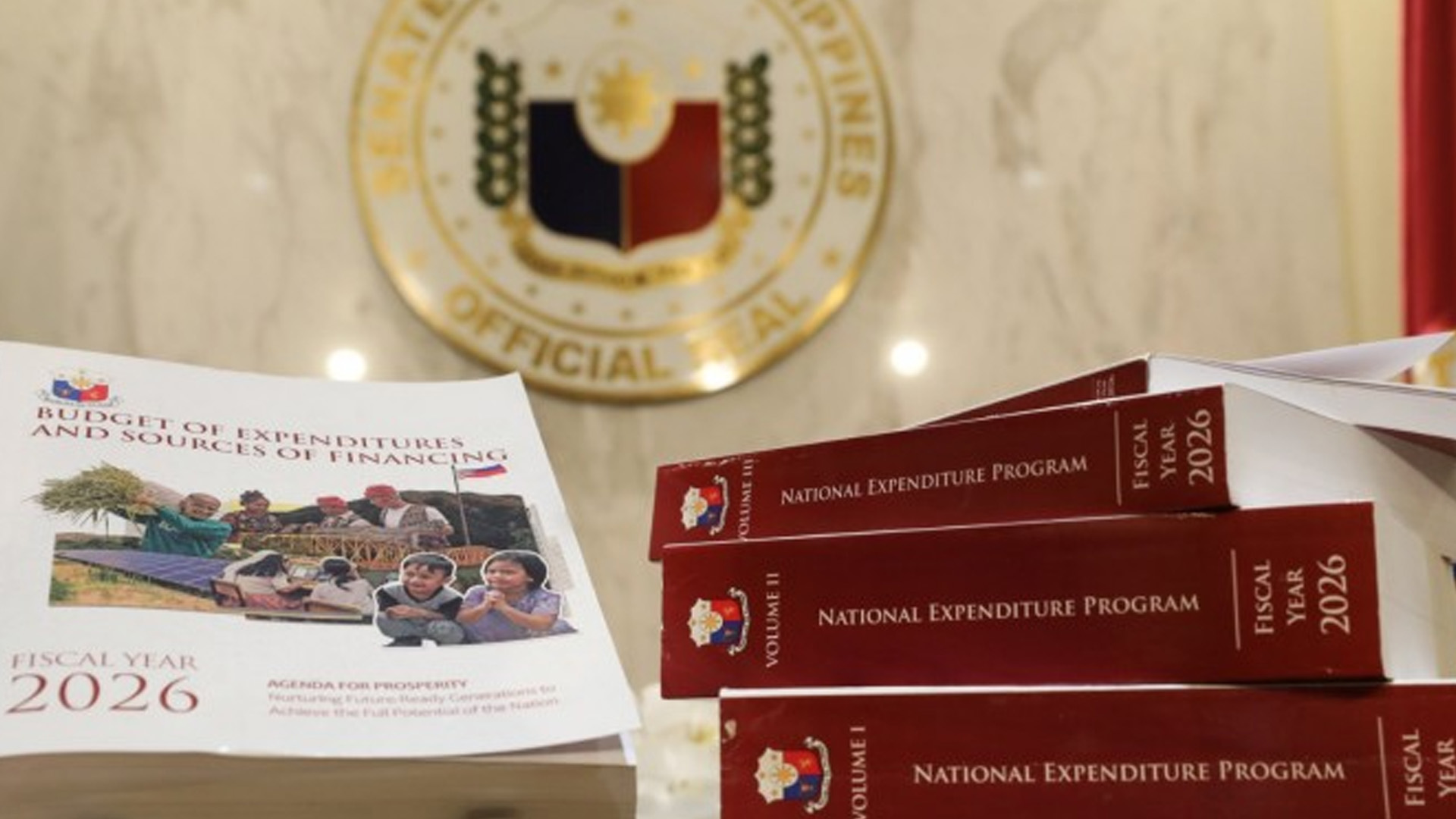
Under the approved General Appropriations Act (GAA) for 2026, funding for key public services received significant boosts:
- Education: The sector received the largest allocation in history, with the final budget exceeding ₱1.3 trillion, equivalent to roughly 4.36 % of GDP — meeting UNESCO’s recommended global benchmark for education investment. This will fund tens of thousands of new teaching and non-teaching positions and the construction of nearly 25,000 classrooms nationwide.
- Healthcare: Allocated a record ₱448 billion, the highest ever to support universal health care, strengthen disease response systems, and improve medical workforce capacity.
- Agriculture: Nearly ₱297 billion was set aside to advance food security, modernize supply chains, and build farm-to-market infrastructure.
The Department of Public Works and Highways (DPWH) — previously at the center of controversy over questionable flood control project allocations — saw its budget scaled down to around ₱530 billion, significantly below its initially proposed level. Marcos and budget authorities cited the need for more careful review and improved project oversight as reasons for the reduction.
A standout reform in this year’s budget is the limit on “unprogrammed appropriations” (UA) — contingency funds historically prone to discretionary releases. Marcos vetoed ₱92.5 billion worth of UA items, leaving only three narrowly defined categories that can be accessed subject to strict validation conditions. Critics, however, maintain that even the remaining UA could still be vulnerable if not carefully monitored.
Senate and House leaders welcomed the budget signing as a necessary step toward accountability and oversight, while militant groups and some critics argued that certain spending priorities still fall short of addressing long-standing social needs.
The budget will now fund government programs for the coming fiscal year, supporting Marcos’s medium-term development plan focused on human capital, sustainable growth, and fiscal discipline.