
Filipinos marked the 129th anniversary of the martyrdom of national hero Dr. Jose Rizal on December 30, 2025, with a solemn wreath-laying ceremony at the Rizal Monument in Luneta, led by the National Historical Commission of the Philippines (NHCP).
The annual commemoration brought together government officials, historians, members of the Knights of Rizal, Rizal descendants, and different Rizal organizations, reaffirming the enduring relevance of Rizal’s life, ideals, and sacrifices more than a century after his execution.
As an invited member of the media, this year’s ceremony carried a deeper personal resonance — not only as a tribute to the country’s foremost hero, but as an opportunity to witness how Rizal’s legacy continues to live through history, memory, and descendants of those who once walked alongside him.
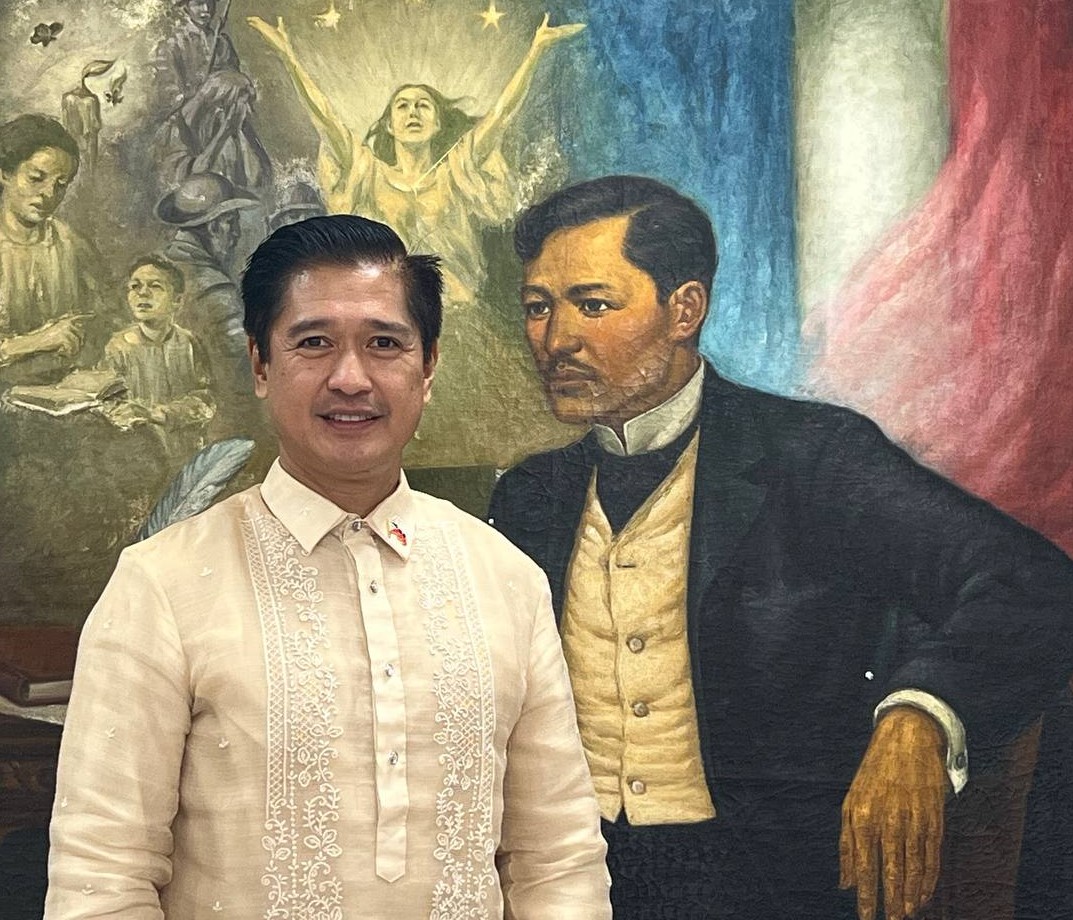
Among the notable attendees were cultural icon and former tourism secretary Gemma Cruz-Araneta, Rizal descendants, and members of various heritage organizations. However, one encounter stood out: the presence of Mr. Peter Dominic Adasa Hamoy, the great-grandson of Don Mariano Hamoy, one of Rizal’s closest friends during his exile in Dapitan.

Don Mariano Hamoy shared a unique bond with Rizal during the latter’s exile from 1892 to 1896. The two were not only confidants but also former classmates at the Ateneo Municipal de Manila. In Dapitan, they became business partners in the abaca trade and co-founded Los Abacaleras de Dapitan, regarded as the first farmers’ cooperative in the Philippines. Hamoy also served as cabeza de barangay during Rizal’s stay, playing a key role in the local community where the hero quietly lived and worked.
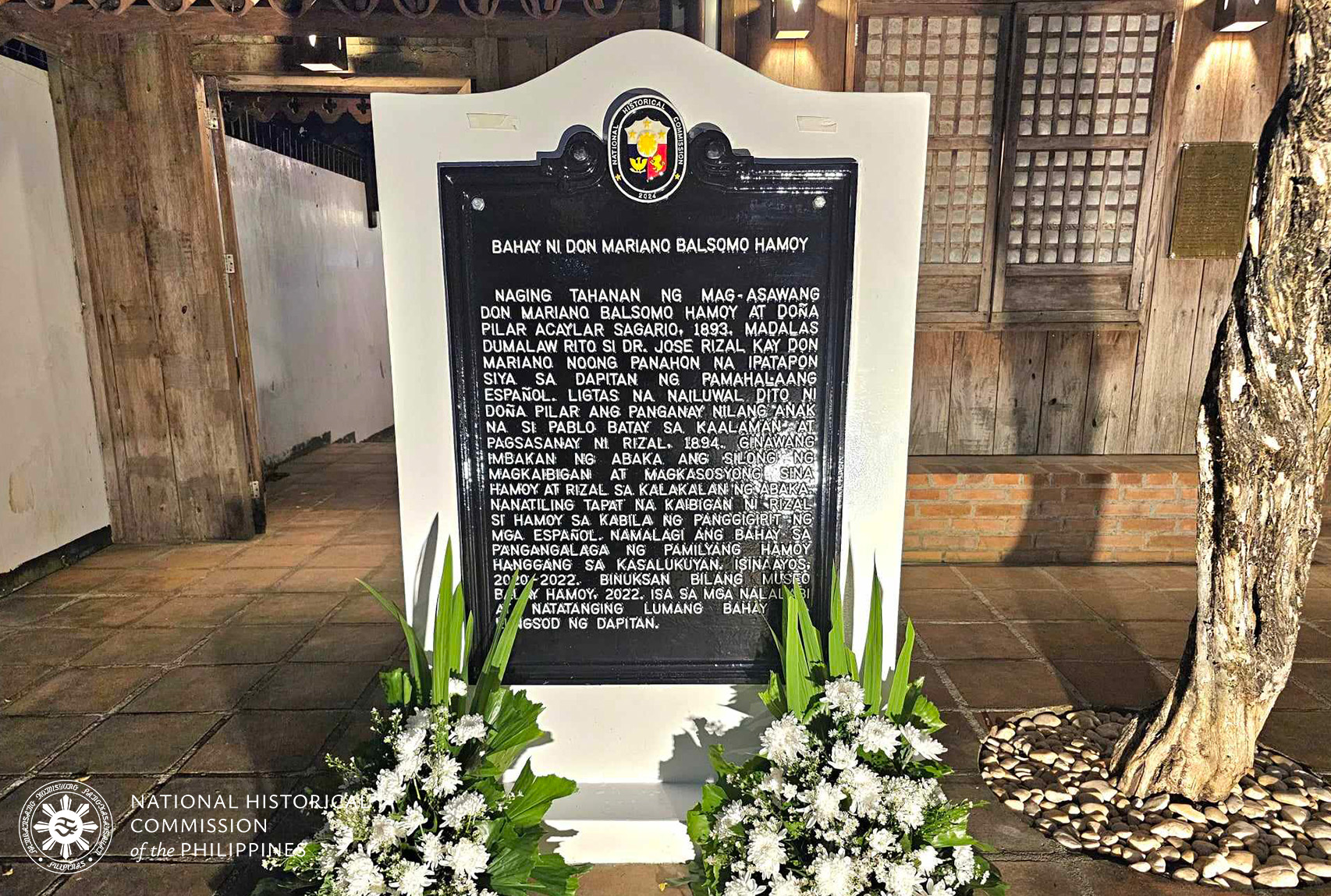
Sir Peter Hamoy is now the curator of Balay Hamoy, a private museum housed in the Hamoy ancestral home in Dapitan City, Zamboanga del Norte. Built in 1893, the house has been preserved as a historical landmark and was redeveloped into a museum in 2020. It remains largely intact from Rizal’s time and has been officially recognized in 2024 with a historical marker acknowledging its role during his Dapitan years.
You can watch more about Balay Hamoy here:
Speaking on Rizal’s life in exile, Hamoy emphasized that Dapitan revealed the most human side of the national hero — far from the statues and textbooks.
“Rizal in Dapitan was a real human being,” Hamoy said. “He was simple, compassionate, and deeply involved in the community.”
Family stories passed down through generations recount moments that humanize the hero, including an account from 1894 when Rizal personally attended the childbirth of Don Mariano Hamoy’s wife inside the ancestral home — an event that led to the birth of Pablo Hamoy, Sir Peter’s grandfather.
During his exile, Rizal established schools, taught local children, introduced agricultural innovations, practiced medicine, and conducted scientific research. According to Hamoy, Dapitan became Rizal’s “laboratory” for nation-building — where he quietly put into practice the ideals of La Liga Filipina and demonstrated how an educated, self-reliant community could thrive.
“Dapitan was Rizal’s blueprint for the Philippines,” Hamoy said. “What he did there was what he hoped for the entire nation.”
Reflecting on present-day challenges, Hamoy pointed to Rizal’s integrity as his most vital legacy, especially in the context of corruption and governance issues that Rizal openly condemned in his writings.
“If Rizal were alive today, he would probably ask, ‘What happened to my blueprint?’” he said.
Despite this, Hamoy expressed confidence that Rizal’s ideals remain alive among Filipinos.

“Rizal is still with us,” he said. “We just need to look back and relearn his work, his humanity, and the lessons he left behind. If we do, the Philippines can still be great.”
Balay Hamoy is open daily to the public for a modest entrance fee, offering visitors a rare glimpse into Rizal’s everyday life in exile — not as a distant national hero, but as a Filipino who lived among the people and shared their hopes for the future.
For those who wish to understand Jose Rizal beyond monuments and memorized dates, Dapitan remains an essential destination. As this year’s commemoration showed, remembering Rizal is not only about honoring his death, but about rediscovering his unfinished dreams — and asking ourselves how far, or how close, we are to fulfilling them.