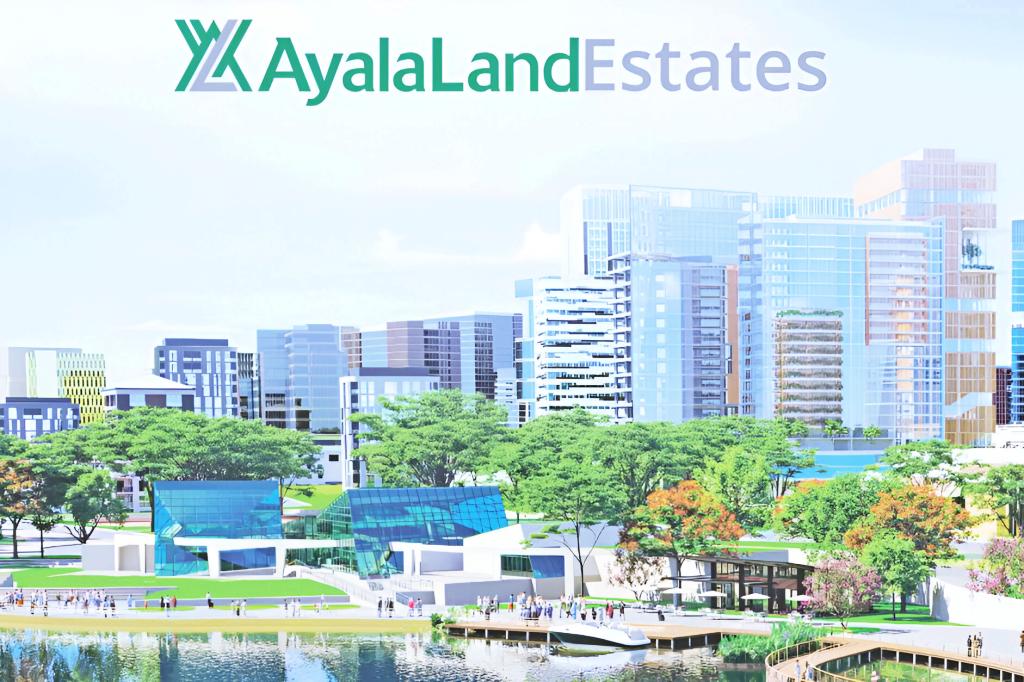

Ayala Land, Inc. (ALI) has solidified its position as a global leader in sustainable real estate, recently earning a prestigious spot on TIME Magazine’s World’s Most Sustainable Companies 2025 list. This recognition reflects a company-wide culture that treats environmental stewardship not as a secondary goal, but as a core driver of long-term value and operational resilience. By embedding sustainability into every stage of development—from initial land acquisition and master planning to construction and property management—ALI is demonstrating a bullish commitment to shaping a low-carbon future for the Philippines.
Central to this green momentum is a sophisticated financing strategy that leverages the global shift toward responsible investment. In late 2025, ALI successfully raised ₱15 billion through sustainability-linked bonds, completing a record-breaking debt funding program that integrates environmental performance directly into its financial obligations. These bonds are specifically tied to ambitious targets, including a 42-percent reduction in greenhouse gas emissions across its commercial portfolio by 2030 and the certification of 1.5 million square meters of office space under the EDGE Zero Carbon standard by the end of 2025. This programmatic approach to green finance, supported by long-standing partnerships with institutions like the International Finance Corporation (IFC), underscores ALI’s belief that sustainable development is both scalable and economically essential.
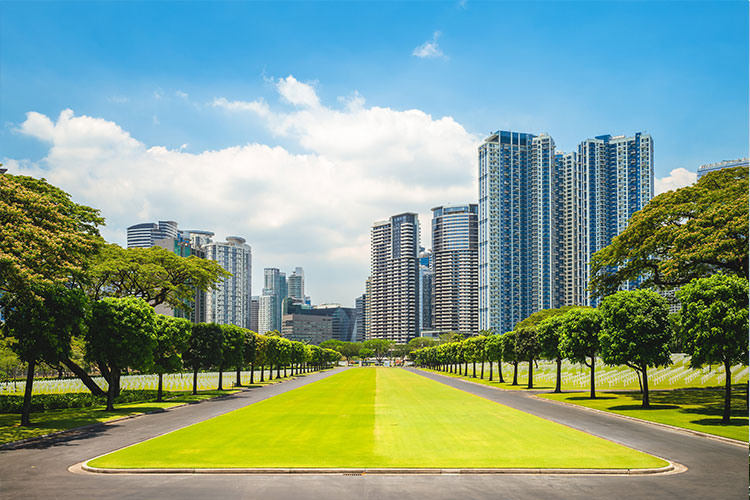
On the ground, these initiatives are coming to life through transformative projects that redefine urban living. The redevelopment of Greenbelt 1 in Makati and the rise of Ayala Malls Evo City in Cavite serve as blueprints for modern, climate-resilient architecture, incorporating advanced energy-efficient lighting, rainwater harvesting, and passive design elements. In Makati, the upcoming 45-storey BPI Headquarters will feature a high-performance tower integrated with the “Emerald Network” of green parks, creating a seamless connection between corporate spaces and nature. These developments are supported by a clean energy transition that already sees 96 percent of the company’s leased commercial areas powered by renewable sources.
Beyond energy and carbon, ALI is aggressively pursuing a circular economy to address the nation’s waste challenges. The company has already achieved a 32-percent waste diversion rate through innovative programs that transform discarded plastics into durable ecoboards and construction materials. Partnerships with local enterprises allow for the recovery of food waste and yard trimmings for energy harvesting and composting, moving ALI closer to its goal of zero waste to landfill by 2030. Coupled with an expanding network of electric vehicle charging stations and pedestrian-friendly estates, Ayala Land’s comprehensive green strategy is setting a new benchmark for the industry, proving that large-scale development can thrive while actively protecting the planet.
With additional report: philstar.com