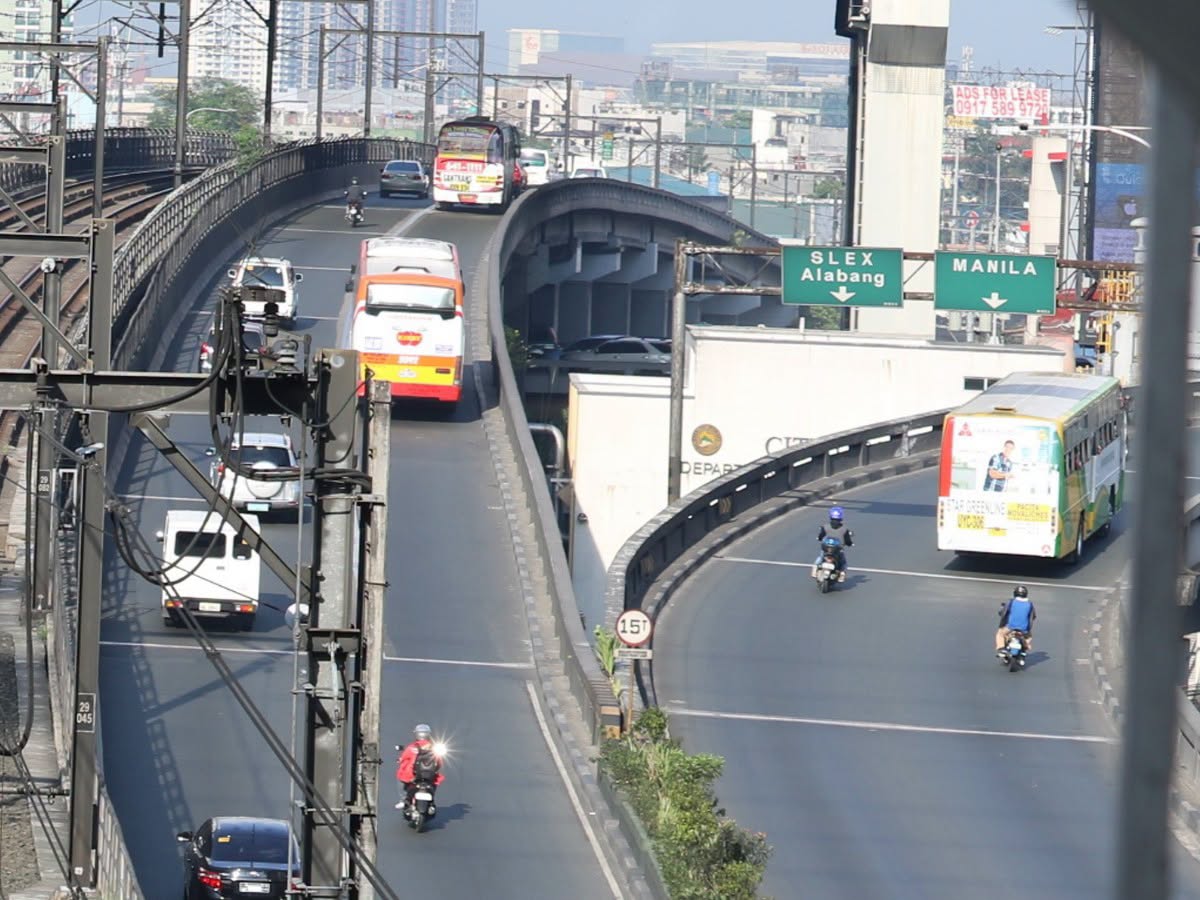

MANILA, Philippines — The Department of Public Works and Highways (DPWH) has launched an emergency response to address safety concerns involving the EDSA-Magallanes Flyover in Makati City while intensifying efforts to clear waterways that have contributed to flooding in parts of Metro Manila.
DPWH Secretary Vince Dizon said emergency teams were immediately deployed after reports of falling debris from the southbound portion of the Magallanes Flyover prompted an inspection of the structure.
The inspection found that several critical components of the flyover’s expansion joint had been stolen, compromising portions of the structure and resulting in falling debris.
To protect motorists and pedestrians, the DPWH installed safety nets and temporary steel plates over the affected sections while temporary repair works were undertaken.
Major repair operations were scheduled from Aug. 21 to 23, with Dizon saying the agency would work to complete the repairs within the target period. Motorists were also urged to exercise caution and cooperate with traffic and safety measures that may be implemented in the area.
The damage has raised concerns over the security and maintenance of vital infrastructure in Metro Manila, where major flyovers and bridges handle large volumes of daily traffic.
Waterway clearing intensified
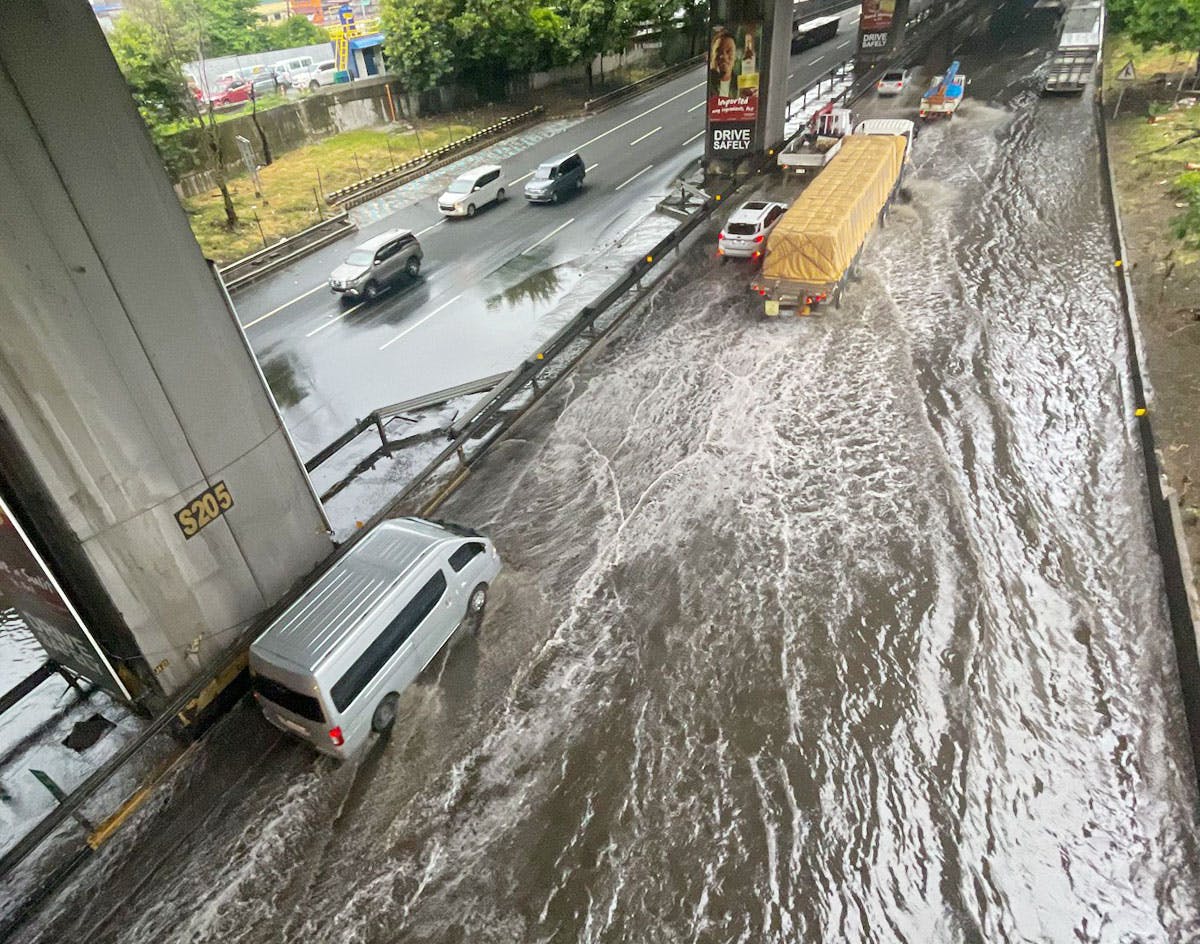
Aside from the Magallanes Flyover repairs, the DPWH has also stepped up its flood-mitigation operations as heavy rains continued to affect Metro Manila.
In Quezon City, DPWH personnel cleared accumulated garbage from Talayan Creek after continuous rainfall caused flooding along portions of G. Araneta Avenue.
The clearing forms part of the government’s broader Oplan Kontra Baha, which focuses on clearing waterways, dredging and desilting rivers and creeks, improving drainage systems, and increasing pumping capacity.
The government has identified clogged and heavily silted waterways as among the factors contributing to flooding, prompting calls for sustained clearing operations rather than one-time interventions.
Dizon also said the DPWH would continue dredging and declogging waterways, particularly the San Juan River, while removing garbage that has accumulated around rivers and pumping facilities.
He said the agency is also considering the construction of detention or retarding basins to temporarily store excess water before it reaches the San Juan River. One possible site identified by the DPWH is in Sitio Kaingin Bukid in Barangay Apolonio Samson, Quezon City, although coordination with the local government and concerns involving available land and informal settlers would need to be addressed.
Long-term flood mitigation
Dizon stressed that clearing waterways alone would not be enough to address Metro Manila’s recurring flooding problems.
The DPWH is also reviewing proposed flood-mitigation projects for 2027 to ensure that they are aligned with local government drainage master plans and do not result in disconnected projects that fail to address the broader movement of floodwaters.
Additional flood-control works are also being considered around the Araneta area, with the final design depending on available land and coordination with local authorities.

Dizon likewise appealed to residents to help prevent waterways from becoming clogged, particularly by properly disposing of household waste.
As the rainy season continues, the DPWH’s response highlights the need for both immediate infrastructure repairs and sustained flood-management efforts to protect communities, motorists and critical transportation routes across Metro Manila.