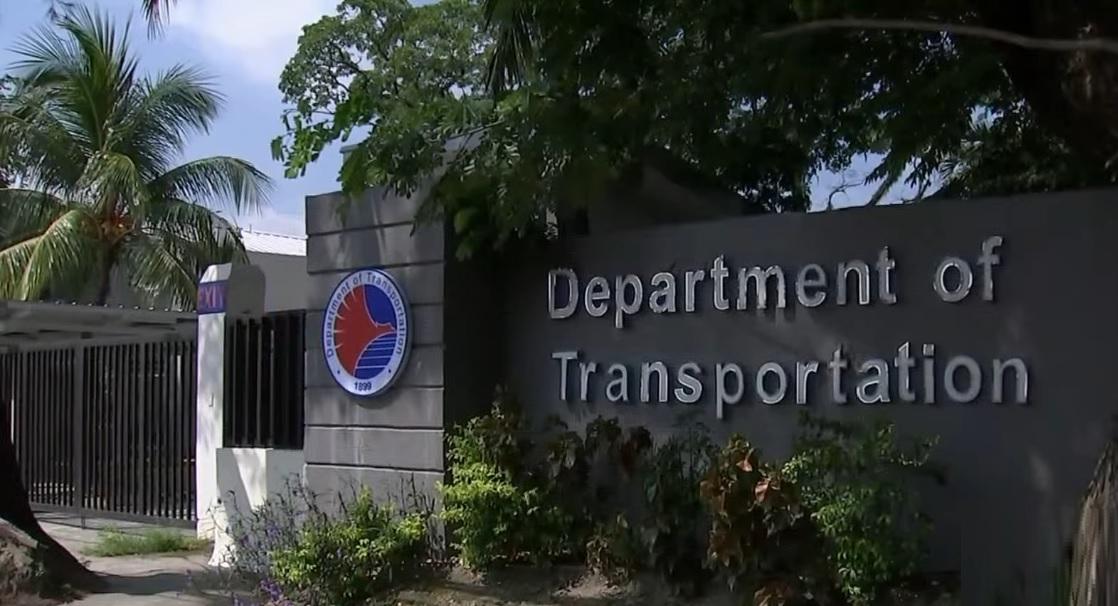

The governments of the United States and the Philippines have officially signed a landmark agreement to develop the Subic-Clark-Manila-Batangas railway, a flagship project under the PGI Luzon Economic Corridor. This high-impact infrastructure initiative is designed to create a seamless logistics backbone connecting four of the most strategic economic hubs in the northern and central Philippines. By linking the deep-water ports of Subic and Batangas with the industrial zones of Clark and the commercial center of Manila, the project aims to drastically reduce travel time for freight, lower shipping costs, and enhance the overall ease of doing business across the archipelago’s most productive regions.
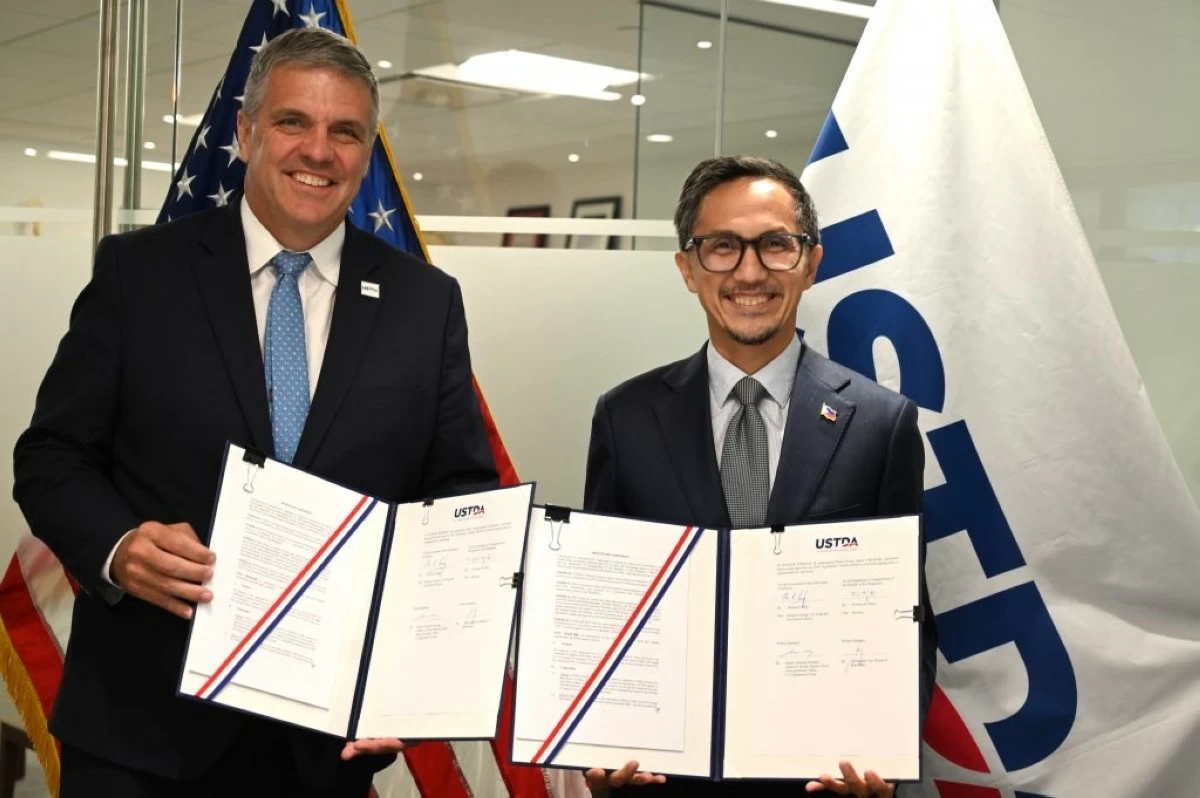
The deal was formalized during a high-level bilateral meeting, emphasizing the strengthening economic partnership between Washington and Manila. Under the agreement, the United States will provide technical assistance and expertise to ensure the railway meets international standards for efficiency, safety, and environmental sustainability. This collaboration is expected to attract significant private sector investment, as the rail line will serve as a catalyst for the development of new industrial parks and tech hubs along its route. For the Philippines, the project represents a critical step toward modernizing its transport network and alleviating the heavy traffic congestion that currently hampers the flow of goods through the capital’s traditional road networks.
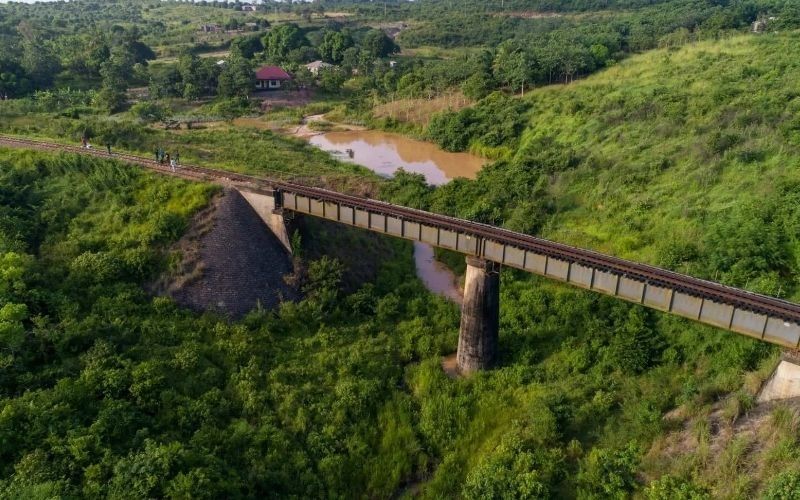
Beyond its immediate economic benefits, the Subic-Clark-Manila-Batangas railway is positioned as a cornerstone of regional stability and supply chain resilience. By diversifying the country’s transport options and improving the connectivity of its key ports, the project strengthens the Philippines’ role as a vital logistics player in the Indo-Pacific. Government officials from both nations have lauded the project as a “once-in-a-generation” infrastructure investment that will generate thousands of local jobs during its construction and operation phases. As the preliminary engineering and design works begin, the focus remains on ensuring that this interconnected corridor serves as a model for sustainable urban planning and long-term economic growth.
With additional report: www.philstar.com