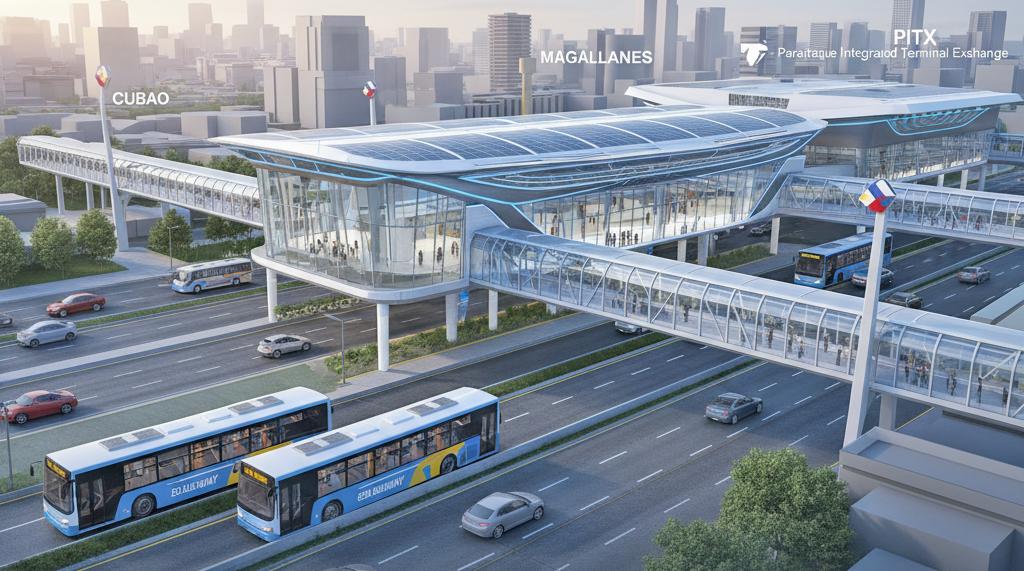

The consortium leading the multi-billion-dollar Sangley Point International Airport project has officially announced its strategic expansion into the development of high-tech busway stations along major Philippine transit corridors. This diversification marks a significant shift for the private sector developer, which is now leveraging its large-scale infrastructure expertise to address the immediate logistical challenges of land-based metropolitan commuting. By integrating aviation-grade planning into the design of bus rapid transit hubs, the group aims to transform the daily experience of thousands of Filipino passengers who rely on the EDSA Busway and other provincial arterial roads.

The new busway stations are designed to function as “mini-terminals” rather than traditional roadside stops, featuring enclosed, air-conditioned waiting areas, automated fare collection systems, and real-time passenger information displays. A key component of this venture is the inclusion of elevated pedestrian bridges and concourses that provide safe, PWD-friendly access to the center-lane bus stations. This architectural approach mirrors the seamless boarding processes found in modern airports, emphasizing efficiency, safety, and comfort. The developer has also committed to incorporating green building standards, including solar-powered lighting and natural ventilation systems, to ensure that the infrastructure remains sustainable and cost-effective over the long term.
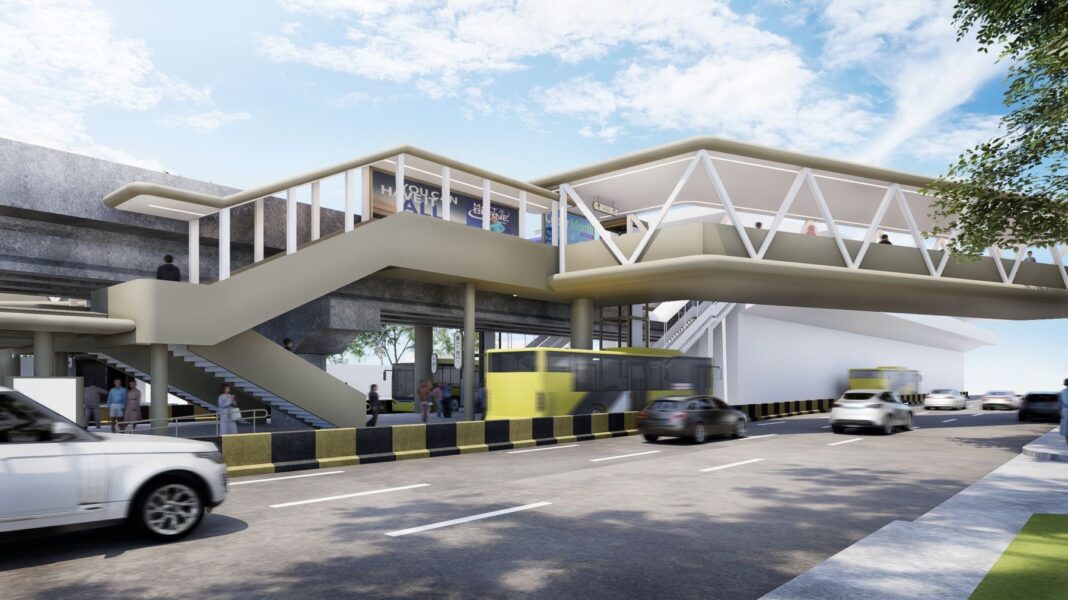
Industry analysts view this move as a proactive response to the growing demand for integrated multimodal transport solutions in the Philippines. By creating a physical link between airport gateways and ground transport networks, the Sangley airport builder is positioning itself as a comprehensive mobility partner for the national government. The first phase of this busway project is expected to focus on high-traffic nodes that connect to upcoming railway stations, effectively creating a synchronized “transport spine” for the Greater Manila Area. As the project moves into the construction phase, it serves as a critical example of how private investment can modernize public utility services while aligning with the country’s broader “Build Better More” infrastructure agenda.
With additional report: www.philstar.com