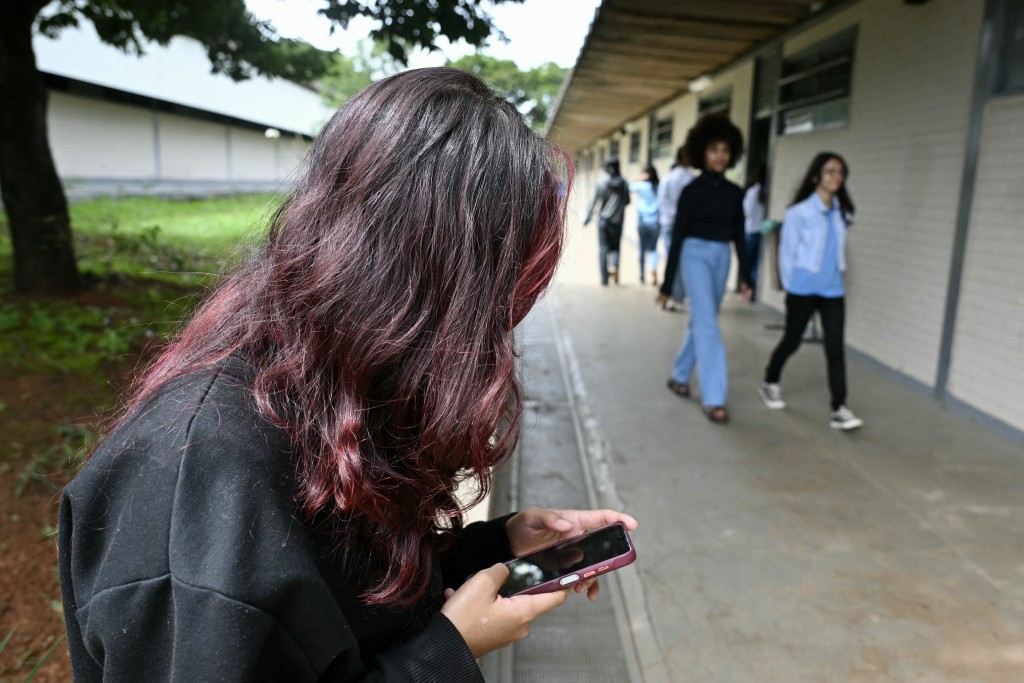

The Brazilian government has officially begun a sweeping rollout of new regulations designed to significantly restrict the access of minors to social media platforms. This landmark legislative move aims to address growing concerns regarding the impact of digital environments on the mental health, privacy, and safety of the country’s youth. By mandating more robust age verification processes, the new rules shift the burden of responsibility onto tech conglomerates, requiring them to implement sophisticated barriers that prevent children under a certain age from creating accounts without explicit and verified parental consent.

The core of this initiative involves a multi-layered approach to identity authentication that moves beyond simple self-reporting of birth dates. Social media companies operating within Brazil are now expected to integrate official government database checks or advanced biometric scanning to confirm the age of their users. These measures are intended to close long-standing loopholes that have allowed millions of underage individuals to bypass standard terms of service. For those between the ages of thirteen and eighteen, the regulations also impose strict limits on data collection and the use of targeted advertising algorithms, effectively creating a “walled garden” experience that prioritizes the minor’s well-being over commercial engagement.

While the move has been met with praise from child advocacy groups and mental health professionals, it has sparked a rigorous debate regarding digital privacy and the potential for increased state surveillance. Critics argue that the requirement for centralized age verification could lead to the over-collection of sensitive personal data, potentially creating new security risks for the very population the law intends to protect. Nevertheless, the Brazilian administration remains firm in its stance, positioning the country as a global leader in the fight for a safer internet. As the first phase of enforcement begins, international observers are closely monitoring the transition to see if Brazil’s model will set a new global standard for how nations regulate the digital lives of the next generation.
With additional report: www.france24.com