

Families are often seen as safe spaces where people find comfort, love, and support. However, for many individuals, the home can also become a place where emotional and mental abuse quietly takes place. Unlike physical violence, these forms of abuse often leave no visible marks, making them harder to recognize and address.
Emotional and psychological abuse is considered one of the most common forms of abuse within families and relationships. It involves patterns of behavior that aim to control, manipulate, or undermine another person’s self-worth and emotional well-being. According to health experts, emotional abuse can include repeated criticism, humiliation, threats, or actions meant to make someone feel powerless.
What is Emotional and Mental Abuse?
Emotional abuse occurs when a person repeatedly makes another individual feel worthless, unloved, or afraid through words, actions, or manipulation. While it may not involve physical harm, its psychological impact can be severe and long-lasting.
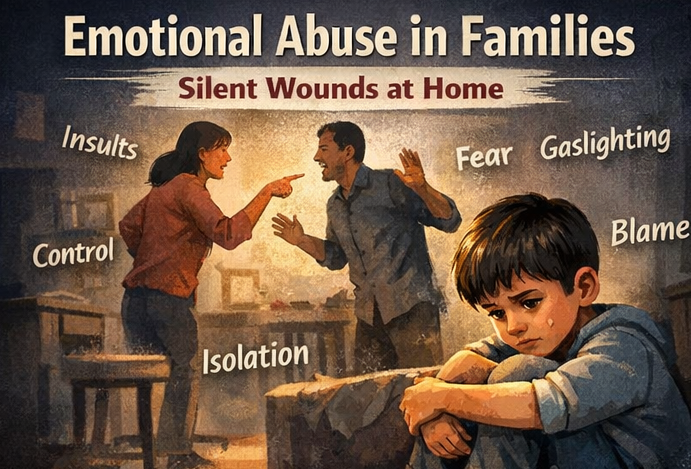
In families, emotional abuse can occur between parents and children, spouses or partners, and even among extended family members living in the same household. In many cases, these harmful behaviors become normalized and are dismissed as “discipline,” “family conflict,” or simply part of family culture.
Common Signs of Emotional Abuse in Families
Recognizing emotional abuse can be difficult because it often appears subtle or is dismissed as normal family disagreements. However, experts identify several warning signs.
One of the most common signs is verbal abuse, including yelling, insults, and degrading remarks meant to belittle another person. Victims may also experience humiliation, such as being mocked or criticized in front of others.
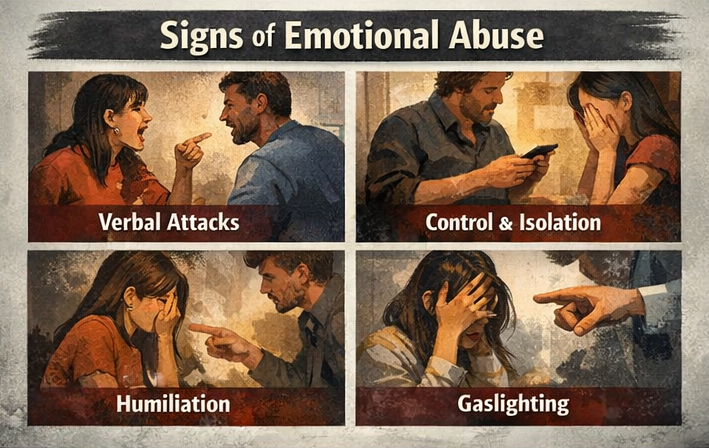
Another form is controlling behavior, where an abuser dictates where a person goes, who they interact with, or what decisions they can make. This control may extend to finances, personal relationships, or daily activities.
Isolation is also a common tactic, where victims are discouraged or prevented from maintaining connections with friends or relatives, leaving them dependent on the abuser.
Some individuals may also experience gaslighting, a manipulative behavior where victims are made to question their own memories, emotions, or sense of reality. Over time, this can cause confusion, self-doubt, and loss of confidence.
When Family Expectations Become Emotional Burdens
In some families, emotional pressure can also take the form of expectations placed on children or younger family members. There are cases where individuals are told to simply endure harsh treatment because it is believed to be acceptable within the family.
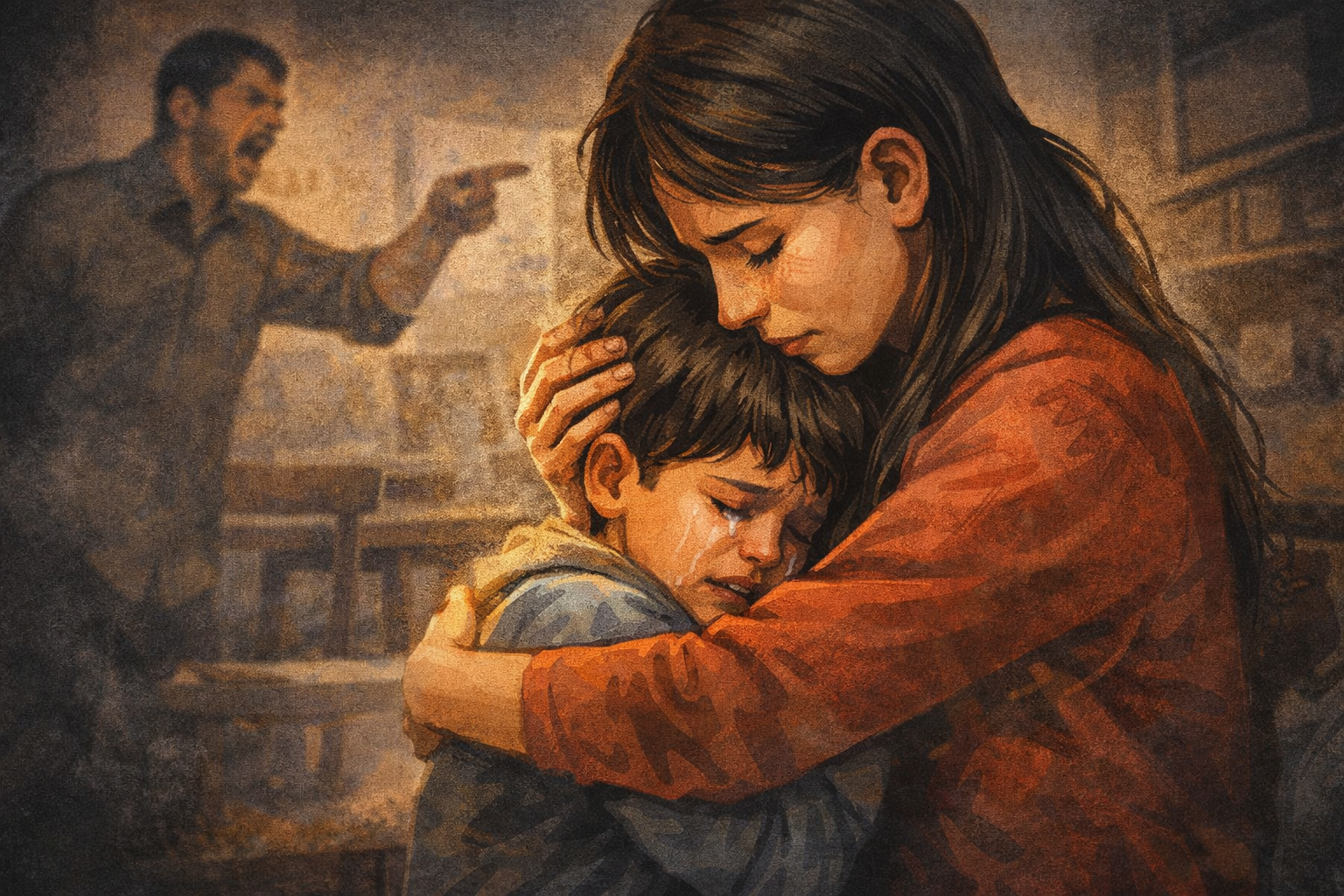
Some are made to feel that they must carry the emotional struggles of their parents or relatives, being told that they should understand or tolerate hurtful behavior because it reflects how other family members feel.
This mindset can create a cycle where emotional pain is passed down from one generation to another. Experts describe this as generational trauma, where patterns of unhealthy behavior, unresolved conflict, and emotional harm continue across generations.
Breaking this cycle is essential. While family history and past experiences may shape behavior, they should not be used to justify emotional harm. Many advocates emphasize that generational trauma is something that must be acknowledged and addressed in order to build healthier relationships within families.
Impact on Mental and Emotional Well-Being
The effects of emotional and psychological abuse can be long-lasting and deeply damaging. Victims often experience anxiety, depression, and low self-esteem. Many also struggle with trust and forming healthy relationships later in life.
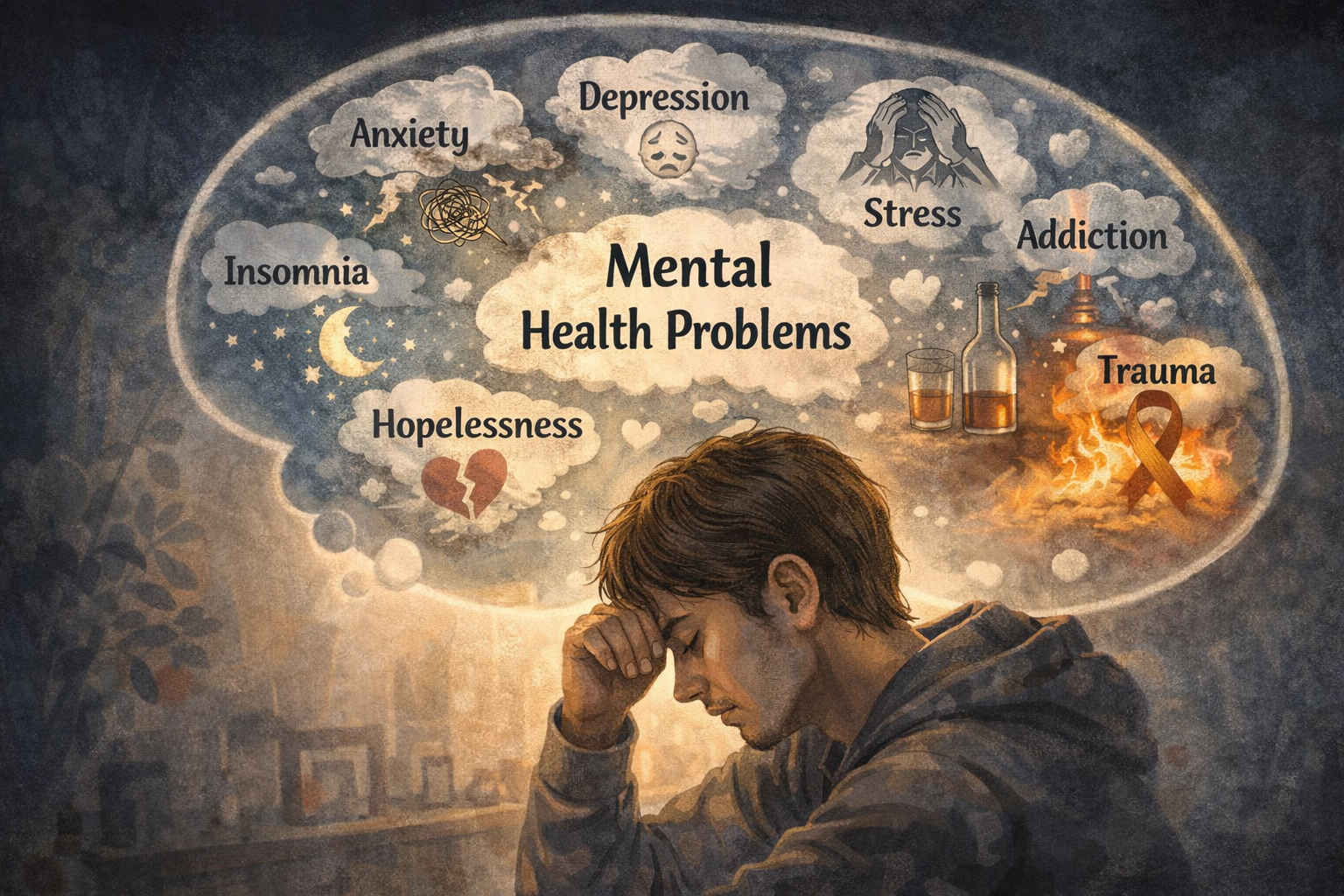
In severe cases, individuals may develop sleep problems, eating disorders, substance abuse issues, or even suicidal thoughts.
Children who grow up in emotionally abusive households are particularly vulnerable. Constant criticism, emotional neglect, or exposure to family conflict can affect their emotional development and sense of self.
Breaking the Silence
One of the biggest challenges in addressing emotional abuse is that it often goes unnoticed or unspoken. Because it does not leave physical evidence, victims may struggle to explain their experiences or may fear being misunderstood.
Experts stress that awareness and open conversations are essential in recognizing and preventing emotional abuse within families. Healthy family relationships should promote respect, empathy, and open communication.
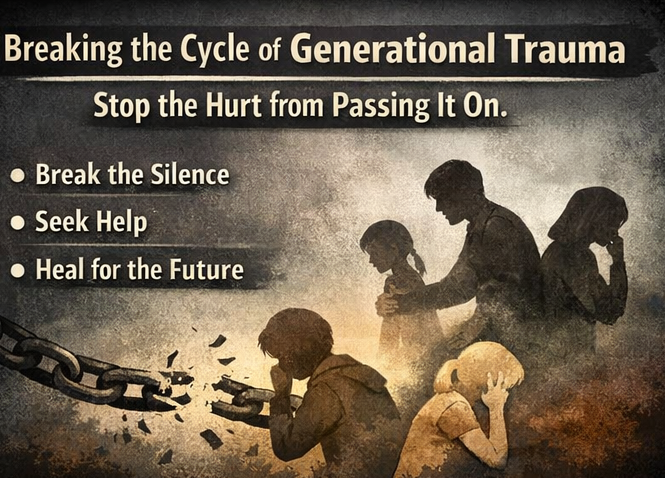
Emotional wounds may not always be visible, but their impact can be just as damaging as physical harm. By acknowledging these issues and addressing generational trauma, families and communities can take an important step toward creating safer and more supportive homes for future generations.
For individuals experiencing emotional or psychological abuse, seeking help is an important step toward recovery. Several organizations in the Philippines offer support, counseling, and assistance for those facing family violence and mental health concerns.
The National Center for Mental Health (NCMH) Crisis Hotline offers 24/7 free and confidential assistance for individuals experiencing mental health crises, emotional distress, or suicidal thoughts. Trained professionals are available to listen and provide guidance in both English and Filipino.
Concerned individuals may reach the hotline through the following numbers:
- Landline (toll-free nationwide): 1553
- Globe/TM: 0917-899-8727 (0917-899-USAP)
- Smart/TNT: 0919-057-1553
- Alternative Smart: 0966-351-4518
Online consultations and additional information are also available through the NCMH website at ncmhusaptayo.com.
Other organizations also provide mental health support services, including Hopeline Philippines, which may be reached at (02) 8804-4673 or 0917-558-4673, and In Touch Community Services, which offers crisis support at (02) 8893-7603.
Reaching out for help can be the first step toward breaking the cycle of abuse and building healthier relationships within families.