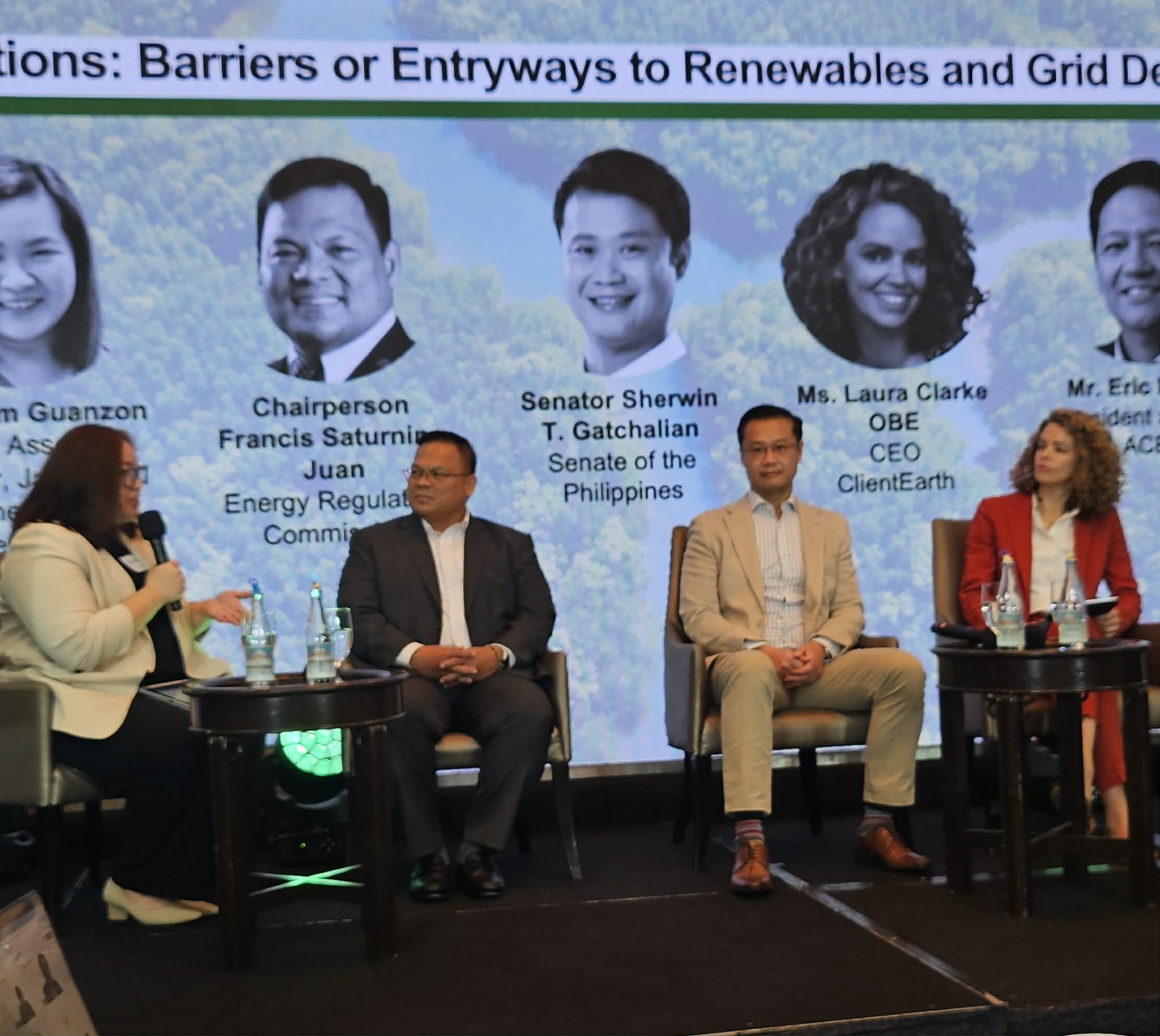

Global climate environmental law charity ClientEarth, convened with policymakers, private sector representatives, members of the legal profession, and civil society partners in Manila on 25 March 2026 for a dialogue and networking session titled “The Role of the Law in Accelerating the Energy Transition in the Philippines.”
The panel welcomed over 100 attendees and brought together regulators and decision-makers from the Department of Energy (DOE), Energy Regulatory Commission (ERC), the Bangko Sentral ng Pilipinas (BSP) and the Philippine Stock Exchange, Inc. (PSE) to join in discussion with local public and private sector stakeholders. Laura Clarke, Chief Executive Officer of ClientEarth, delivered the opening remarks before sharing her perspective in both panel discussions on the role of legal and regulatory frameworks in driving a credible energy transition
These dialogue sessions aimed at bridging cross-sector perspectives, in a bid to advance industry benchmarks for clean energy and green finance mechanisms, aligning with broader goals to help accelerate energy transition, support the necessary reallocation of capital to finance clean energy solutions and ensure the Philippines’ continued competitiveness in a decarbonizing global economy.
DRIVING PROGRESS THROUGH EFFECTIVE GOVERNANCE
The Philippines is pushing ahead with marked progress in its energy transition. With renewable energy now making up 25%, the country is nearing its ambitious goal of making renewables 35% of its total energy mix by 2030, and 50% by 2040. However, challenges such as weak grid infrastructure, land acquisition issues, and permitting remain. These continue to slow down efforts to reduce overall reliance on fossil fuels.
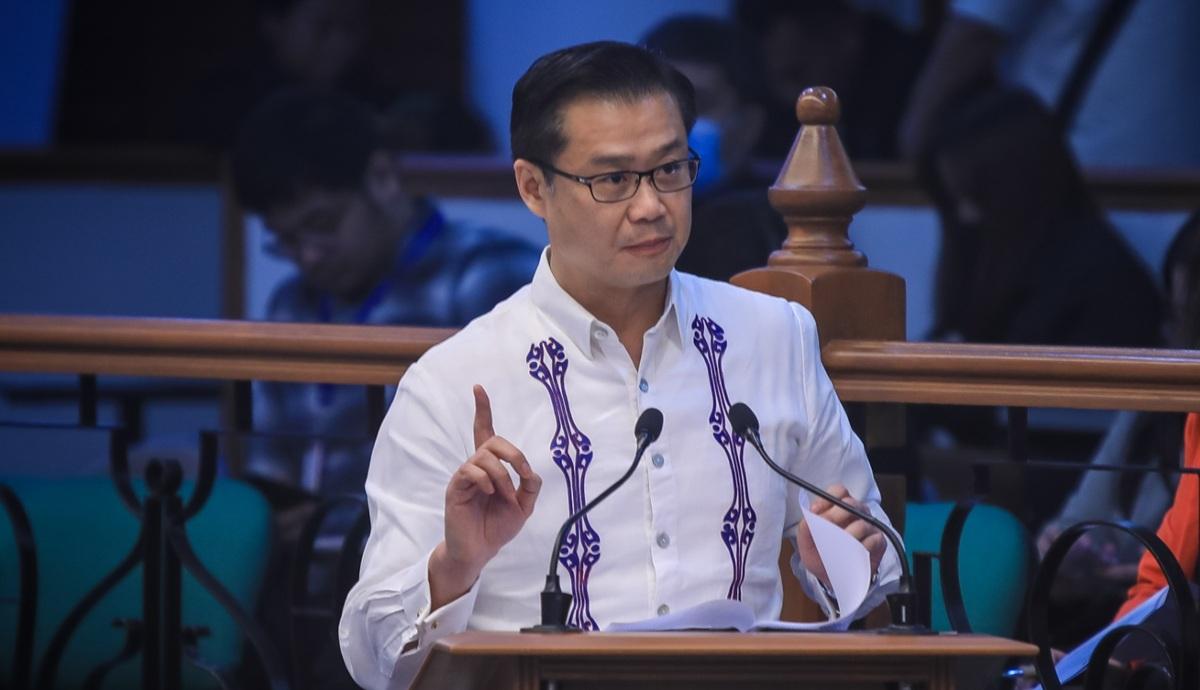
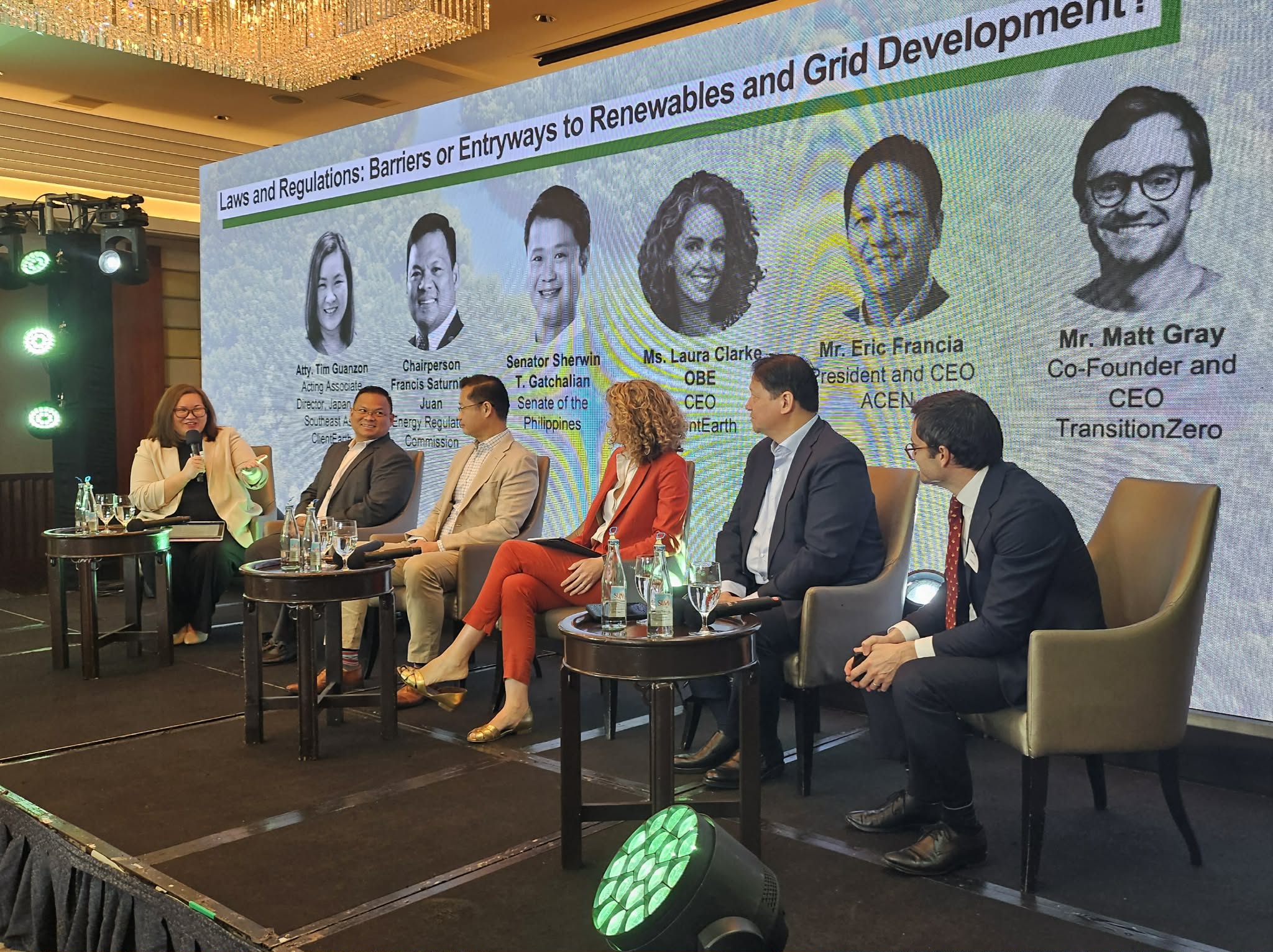
The event’s first panel, “Laws and Regulations: Barriers or Entryways to Renewables and Grid Development,” welcomed Senator Sherwin T. Gatchalian and Atty. Francis Saturnino Juan, Chairperson of the Energy Regulatory Commission – who joined other leading energy stakeholders from ACEN, TransitionZero and ClientEarth in a discussion to stress the importance of legal tools in fostering grid infrastructure expansion for renewable energy integration.
Panelists were unanimous in the urgency for the energy transition given increasing pump prices and supply crunch and stressed that legal and regulatory frameworks should not be restrictive, but instead act as incentives to drive fossil fuel phase-outs, instill investor confidence and protect household-level consumers.
As the Philippines sustains its energy transition momentum amid a volatile global energy landscape, the country’s success will depend on its ability to foster a policy architecture for a future-ready grid that could accommodate increasing integration of renewable energy, while enhancing price competitiveness and consumer access to energy pathway options.
POWERING THE TRANSITION THROUGH COLLECTIVE LEADERSHIP
Throughout the dialogue, an overarching theme emerged: to accelerate a just energy transition in the Philippines, collaborative effort from both private and public institutions is non-negotiable.
Stronger public and private collaborations to align regulations, reduce policy barriers and navigate industry-specific challenges must be strategically coordinated. The Philippines’ regulatory landscape is continuously evolving, and policies must serve as a critical launchpad for the country’s green energy transition to ensure long-term energy security, accessibility and resilience.”

“This dialogue session reflects ClientEarth’s commitment to collaborate with local partners, to provide practical policy input, legal analysis and technical toolkits needed to advance the regulatory environment.” said Laura Clarke, Chief Executive Officer of ClientEarth.
ADVANCING ENERGY TRANSITION THROUGH STRATEGIC CAPITAL ALLOCATIONS
Another key takeaway from the event was the need to bridge the regulatory engagement between financial institutions and domestic energy market players. Titled “Sustainability Disclosures and Investments in Today’s World: Need or Myth?,” the second panel discussion touched upon the need to redirect investments toward clean energy solutions and address climate risks through more robust sustainability disclosure benchmarks and strategic climate transition planning.
The panel convened senior regulators from the Philippine Stock Exchange, Bangko Sentral ng Pilipinas and Securities and Exchange Commission, who joined ClientEarth in the discussion to highlight board-level challenges surrounding risk management framework and disclosure practices.
During the discussion, Pia Bernadette Roman-Tayag, Assistant Governor at Bangko Sentral ng Pilipinas emphasised, “The shift in portfolio composition will not come from a single lever. It will come from the cumulative effect of clear classification frameworks, credible market references, and consistent supervisory expectations — all working together to make sustainability the path of least resistance for capital allocation. On our part, BSP is advancing this on multiple fronts — embedding climate risk into our supervisory framework, developing practical market tools to identify and finance transition and adaptation activities, and convening the partnerships needed to mobilize capital at scale. We are building the conditions under which sustainable finance becomes not just the right thing to do, but the rational thing to do.”
Atty. Roel Refran, Executive Vice-President & Chief Operating Officer of The Philippine Stock Exchange, Inc. (PSE) further noted, “The capital markets play an important role in relieving financial pressures from energy project developers and consumers. Promoting investments towards projects that advance the country’s clean energy ambitions will be key, as we work to assist developers and other stakeholders in securing long-term funding, leading to reduced financial burdens and increased resources to scale and execute these projects. Likewise, the Exchange continues to promote full, fair, and accurate reporting in accordance with global financial and sustainability reporting standards as well as investment in nature-based solutions..”

By fostering active discussions through this industry forum, ClientEarth reaffirms its support to strengthen alignment and partnerships between regulators, developers, investors, and civil society partners.
ClientEarth continues to support partners in Southeast Asia by bridging cross-sector dialogue and providing technical legal assistance and capacity enhancement. As the Philippines marches ahead with its energy transition agenda, continued engagements and exchanges between key energy stakeholders will play a critical role in closing regulatory and policy gaps and advancing positive systemic shifts for energy development and financing mechanisms to deliver more equitable outcomes for all.