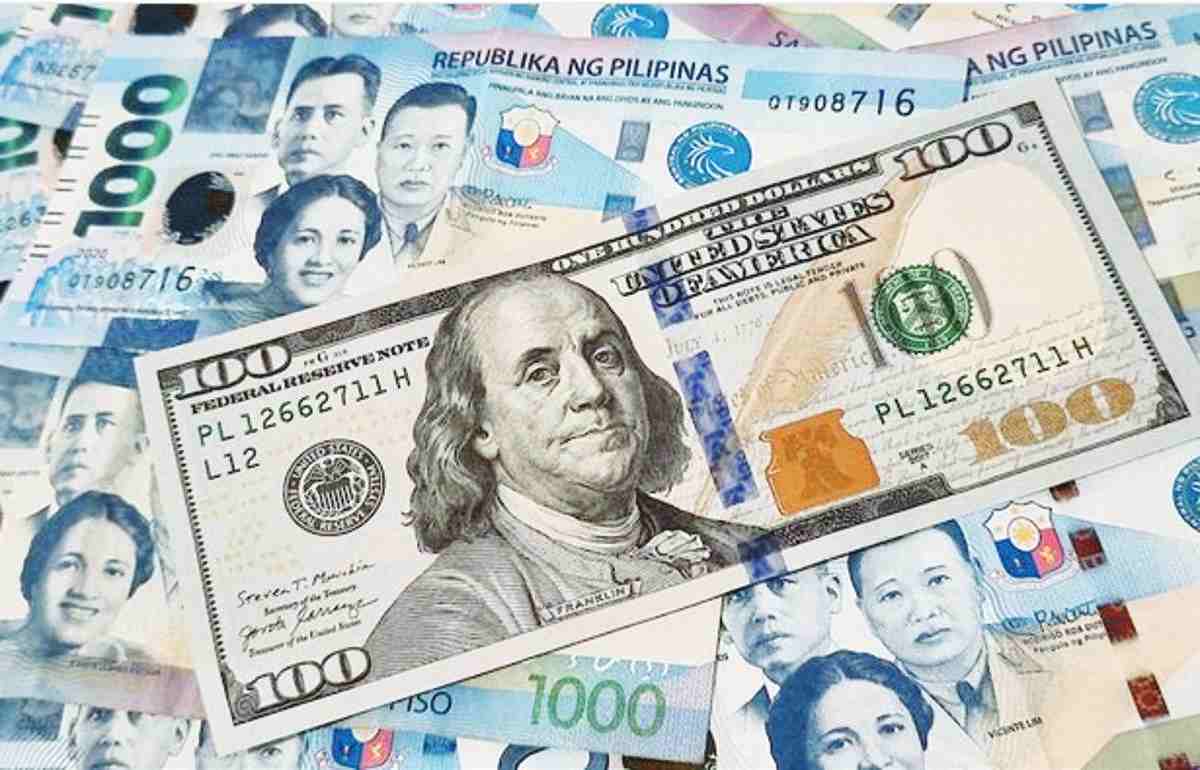

The weakening peso and rising global oil prices have placed the Philippine economy under significant strain. While the government has focused on short-term relief, prominent economists argue that true stability requires a shift toward structural, long-term solutions rather than temporary fixes.
Chief economists Ruben Carlo Asuncion of Union Bank and Robert Dan Roces of Security Bank identify the peso’s decline as a result of external shocks—specifically geopolitical tensions in the Middle East and a strong US dollar—rather than local mismanagement. This imported inflation makes it increasingly expensive for the government to cushion food and fuel costs, as the cost of debt servicing and subsidies rises in tandem with the dollar.
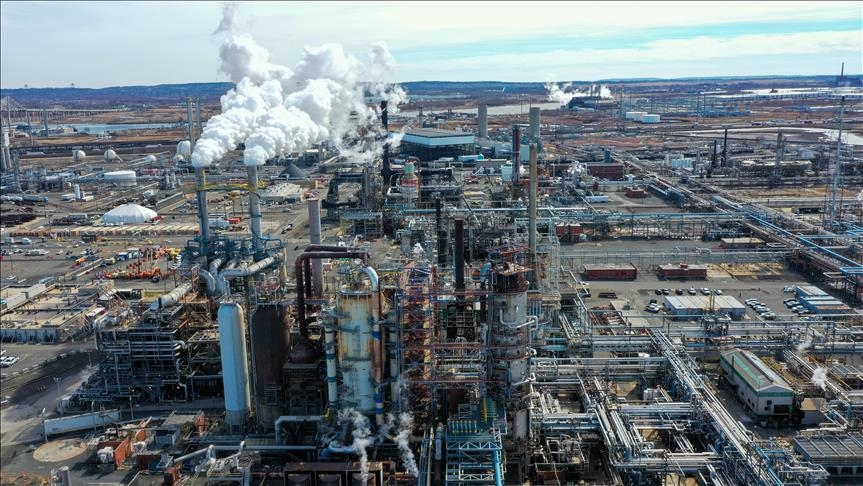
The recommended strategy for the medium term involves moving away from defending a specific exchange rate and focusing instead on energy diversification. By reducing reliance on imported fossil fuels and attracting stronger foreign capital inflows, the Philippines can build a natural buffer against global volatility. Economists Michael Ricafort of RCBC and Victor Andres Manhit of Stratbase emphasize that fiscal discipline is essential, noting that broad tax cuts often benefit higher-income brackets more than the vulnerable. Instead, they advocate for highly targeted subsidies and a review of tariffs on essential goods like rice and corn to provide direct relief to consumers.
On the administrative side, President Ferdinand Marcos Jr. has moved to secure immediate supply by importing over 700,000 barrels of Russian crude oil to ensure stability through mid-2024. Furthermore, Executive Order 110 has declared a state of national emergency, allowing for the potential suspension of fuel excise taxes should global prices remain above 80 dollars per barrel for an extended period.
Fuel prices in the country have surged past P100 per liter as the Philippines scrambles to look for alternative sources of oil and gas. Despite the spike in fuel costs, President Ferdinand Marcos Jr. maintained that the overall situation remained under control and urged the public to refrain from panic buying or hoarding.
Last week, the president said the country has enough crude oil to last until June 30.
The shipment was reportedly bound for the refinery of Petron Corp. in Bataan, where it will be processed into petroleum products such as diesel and gasoline. The latest delivery signals renewed efforts by the government to import oil from Russia after a pause that began in 2022, following global market disruptions due to the Russia-Ukraine conflict.

Speaking at the sidelines of the opening of the Ninoy Aquino International Airport Expressway Phase II, Marcos said the Philippines has secured sufficient crude oil imports for the coming months to support domestic supply. “Because of that, we now have a supply of crude oil that is sufficient until June 30,” the president said. Marcos said the government would continue to look for additional suppliers to ensure long-term energy security.
The president earlier said the country was looking to countries like Russia, Japan, China and South Korea. Marcos also recently issued Executive Order 110, declaring a state of national emergency, which will be in effect for one year unless sooner lifted or extended, the president said. He also signed a measure allowing the suspension of excise taxes on fuel, although its implementation will depend on global oil price trends and recommendations from the economic cluster.
Excise taxes may be suspended if global crude oil prices exceed $80 per barrel for at least one month.
Ultimately, the consensus among financial experts is that while emergency shipments and subsidies manage the immediate crisis, long-term economic resilience will only be achieved through energy independence, anchored inflation, and a stable climate for international investment.
With additional report: The Manila Times, CATHERINE VALENTE, JAMES DANIEL DANIO