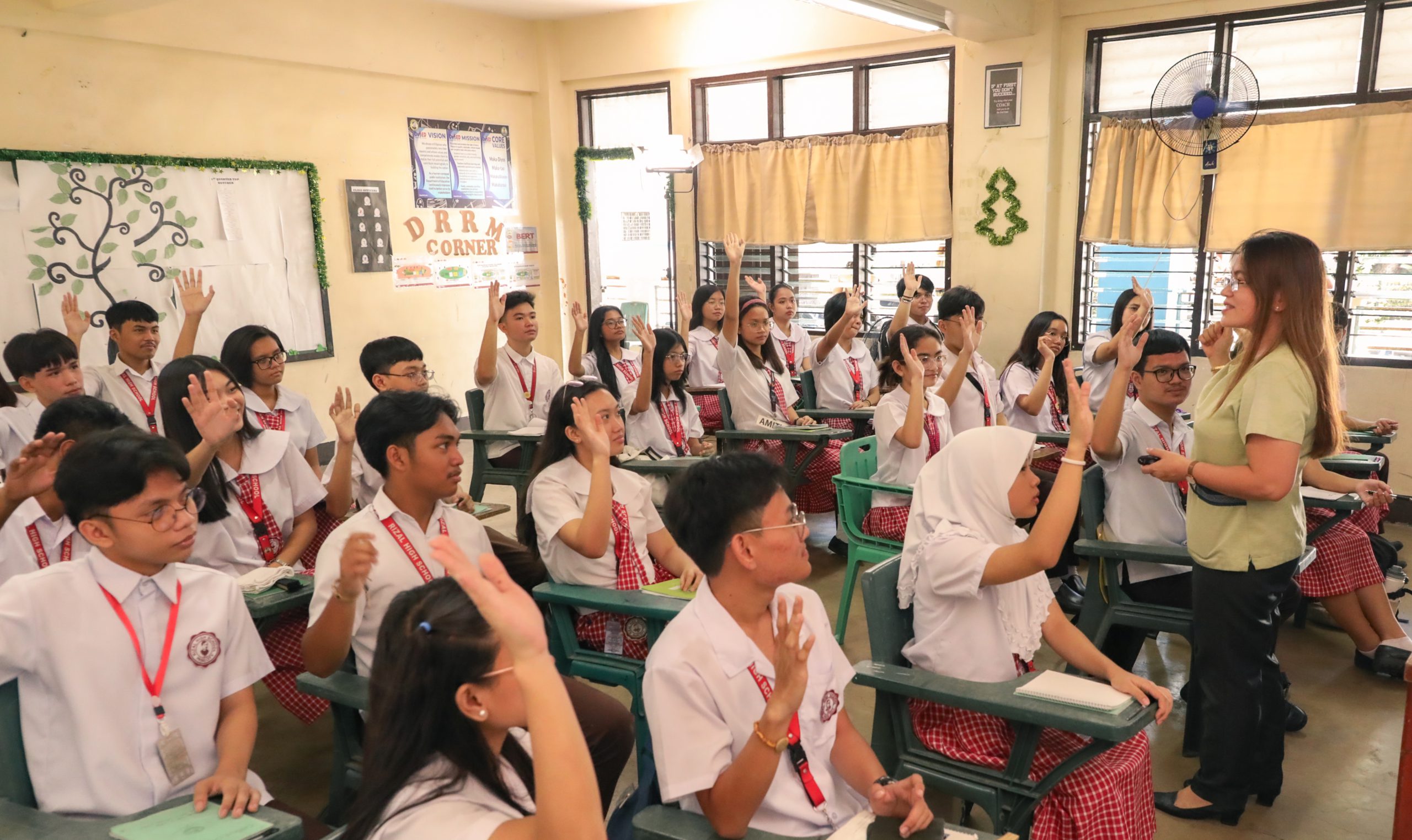

The Department of Education (DepEd) is pushing a major reform in the Philippine basic education calendar by introducing a three-term or trimester school calendar beginning School Year (SY) 2026–2027, aimed at improving learning continuity and reducing disruptions in classrooms.
Under the proposed system, the academic year will still run from June to March and maintain around 201 school days, but these will be divided into three academic terms instead of the current quarterly structure.
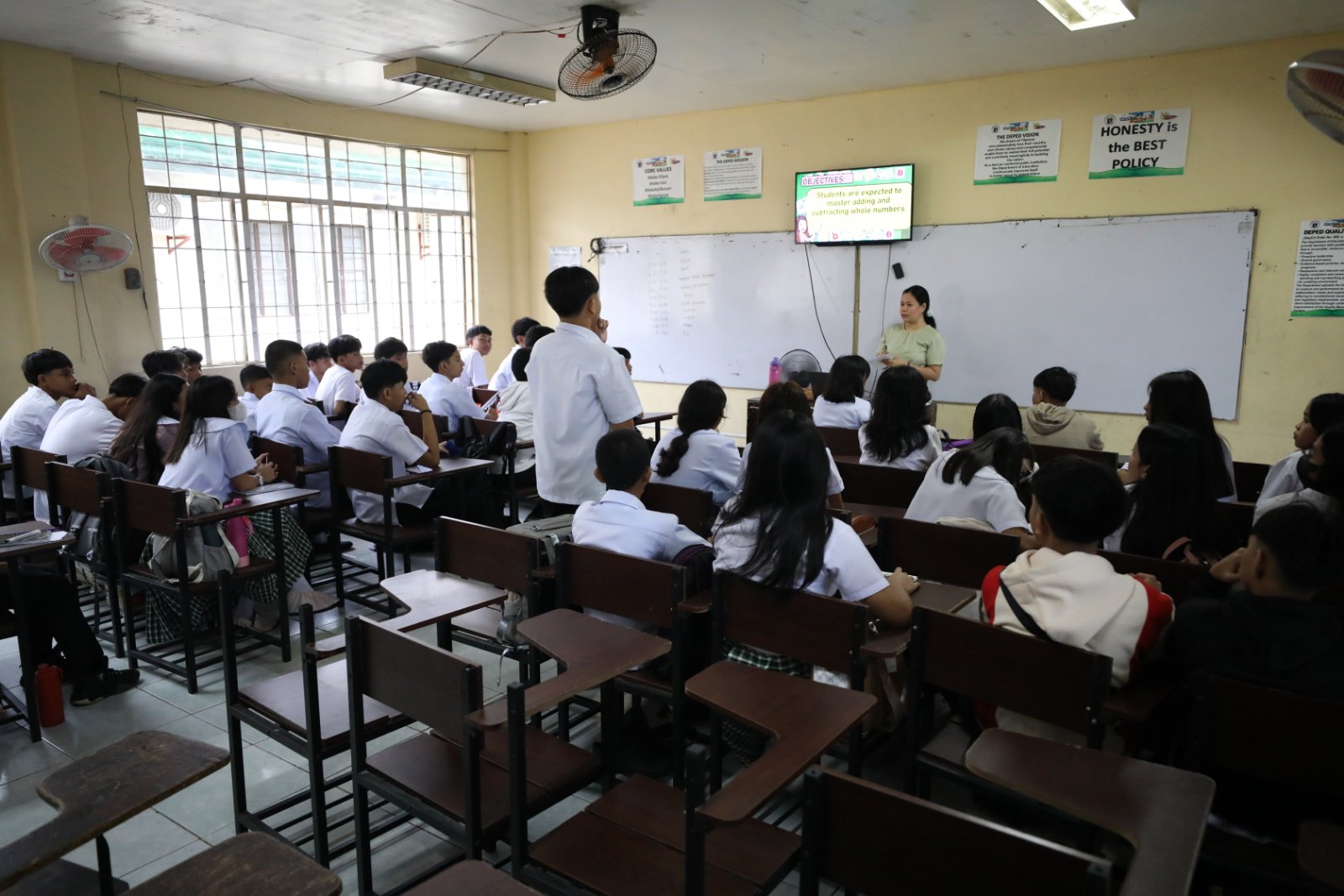
The first term will run from June to September, the second term from September to December, and the third term from January to late March. Each term will include longer instructional blocks dedicated to uninterrupted classroom teaching.
DepEd said the revised structure is designed to allow teachers and students to have longer, continuous periods for learning, improving the pacing of lessons and reducing frequent interruptions caused by non-academic activities and administrative tasks.
Each trimester will also include an enrichment block, where teachers can focus on activities such as remediation, enrichment lessons, grade computation, and preparation of school reports. Scheduled breaks between terms will provide time for planning, assessment, and teacher wellness.
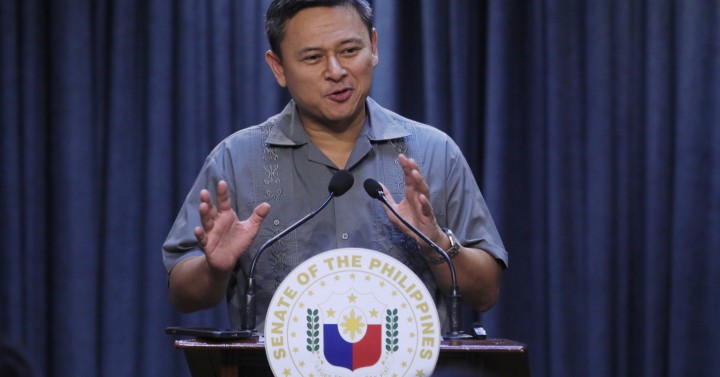
Education Secretary Sonny Angara said the proposed reform forms part of a broader effort to strengthen the delivery of education by ensuring that teachers can focus more on classroom instruction while still addressing administrative responsibilities.
The initiative also aims to address concerns over lost instructional time caused by class suspensions due to typhoons, extreme heat, and other disruptions. Education stakeholders have emphasized the need to maintain at least 180 instructional days under the new calendar to ensure adequate learning time for students.
DepEd said consultations with educators, school leaders, and other stakeholders will continue before final guidelines for the three-term school calendar are issued ahead of its expected implementation in SY 2026–2027.
If implemented, the three-term structure would mark one of the most significant adjustments to the country’s school calendar in recent years as the government seeks to improve curriculum delivery and address ongoing challenges in the education sector.