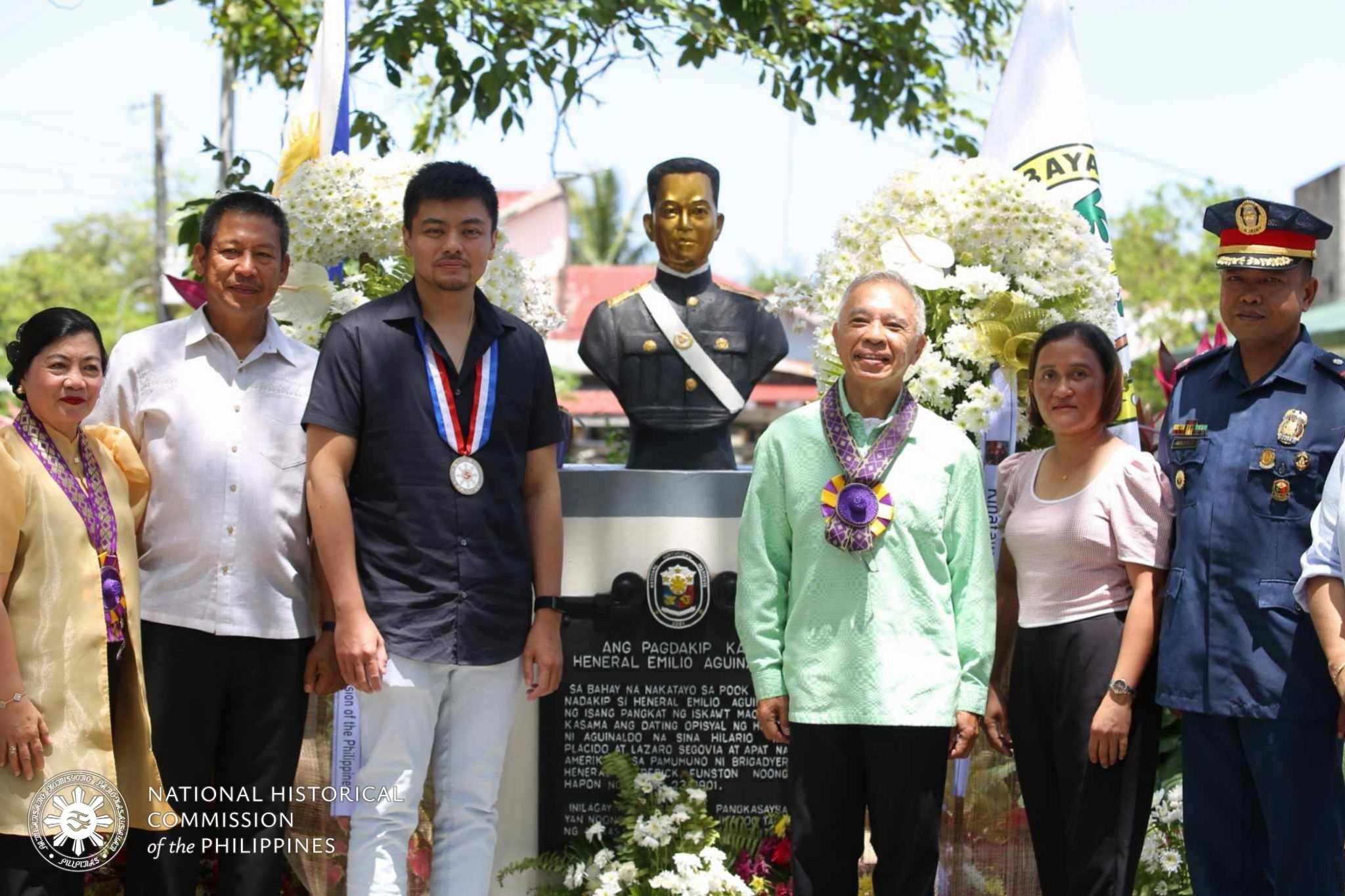

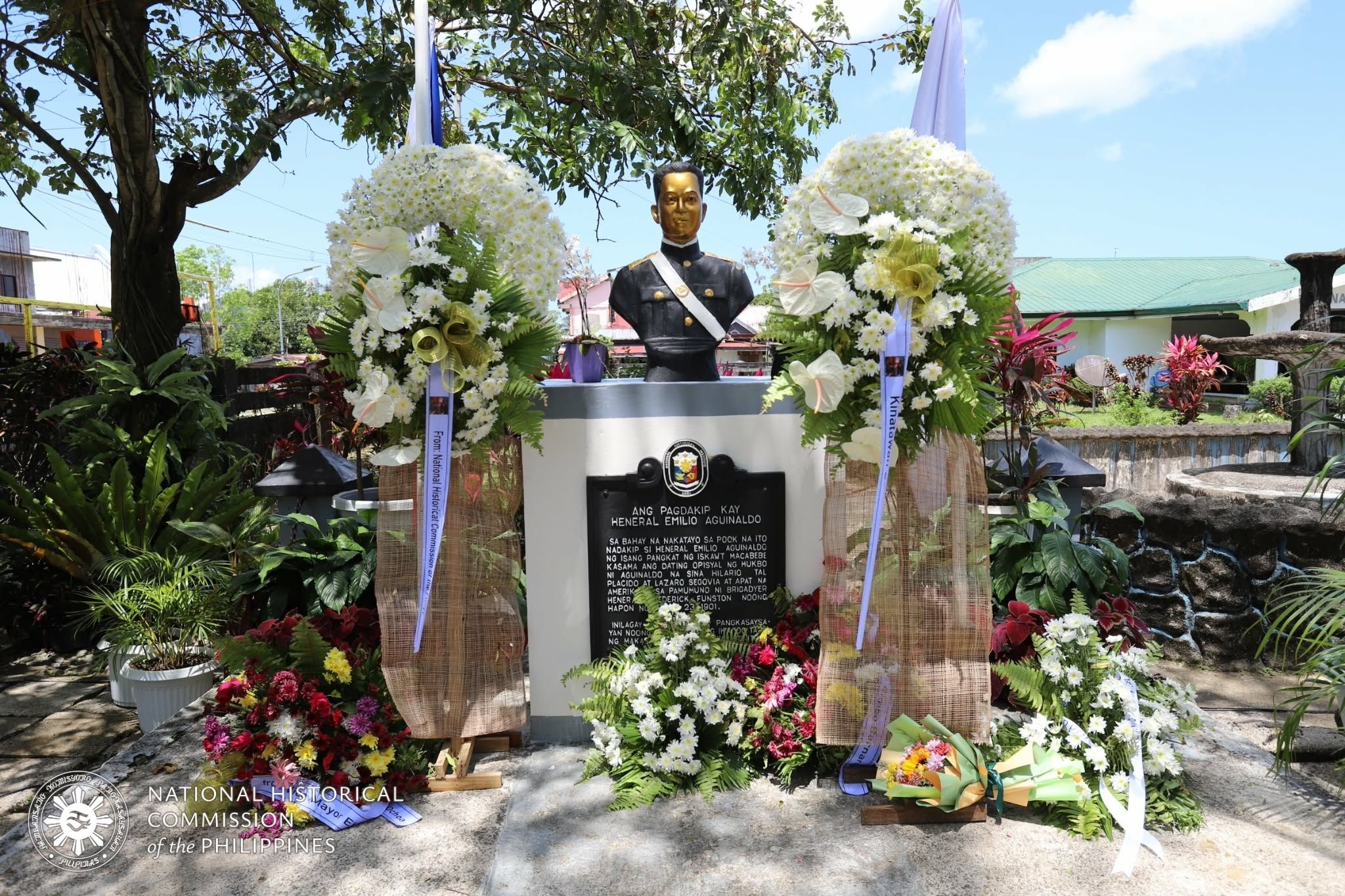
The National Historical Commission of the Philippines (NHCP), together with the Municipal Government of Palanan, commemorates the 125th anniversary of the end of the First Philippine Republic through a simple ceremony at the Aguinaldo Capture Marker on Monday, March 23, 2026.
Ed Christopher S. Go, representative of Isabela’s 2nd District, serves as guest of honor during the program. He is joined by NHCP Chair Regalado Trota Jose Jr., Palanan Mayor Angelo A. Bernardo, Vice Mayor Elizabeth B. Ochoa, Civil Aviation Authority of the Philippines duty officer Venus B. Malabonga, and other local officials. A wreath-laying ceremony is also conducted with the assistance of the Philippine Army.
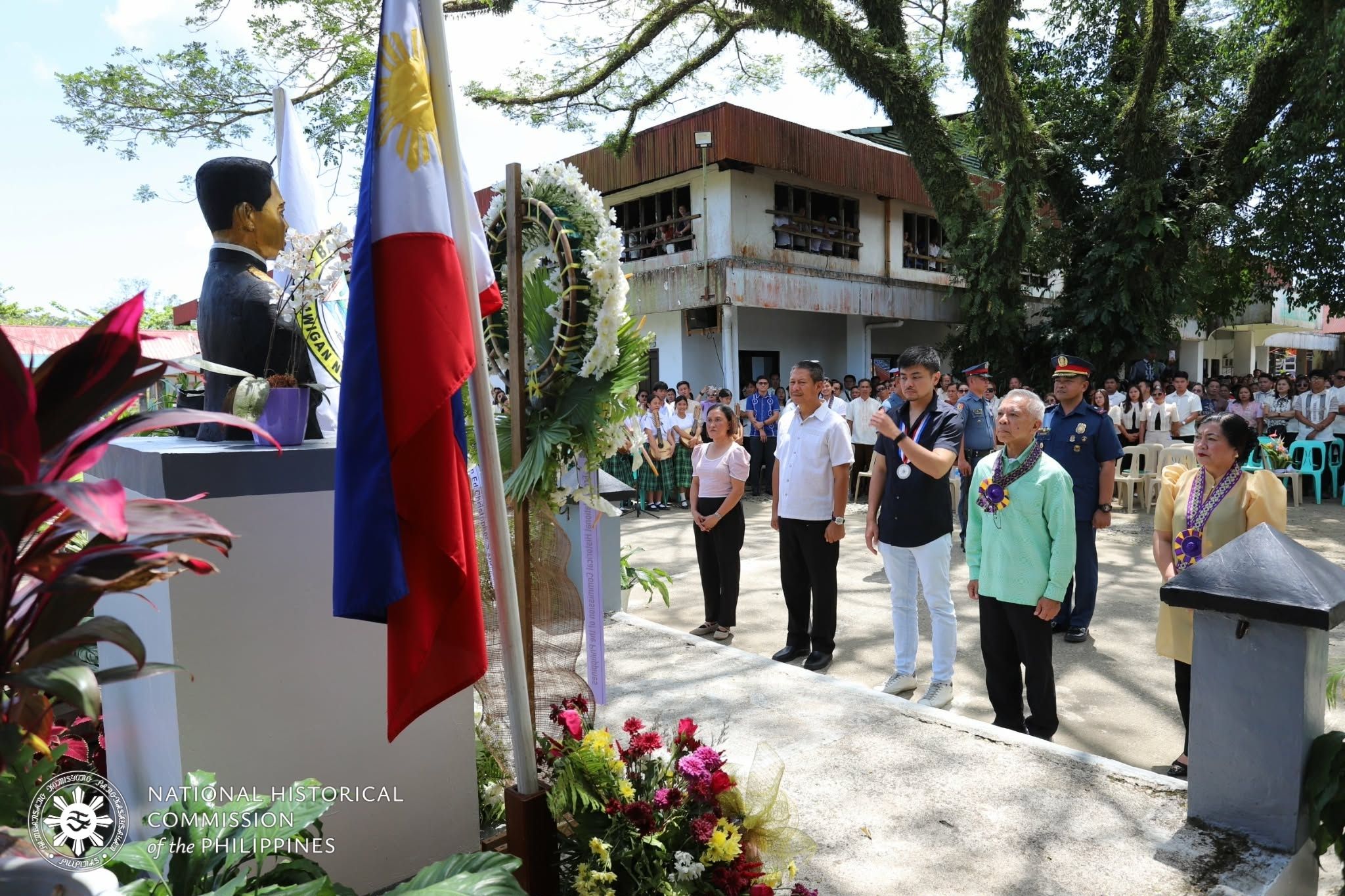
The commemoration recalls the historic capture of Emilio Aguinaldo by United States Army forces in the remote mountains of Palanan along the Sierra Madre. The event marked a critical turning point in the country’s struggle for independence.
After the proclamation of the First Philippine Republic on January 23, 1899, Filipino revolutionary forces soon found themselves fighting for survival following the outbreak of the Philippine–American War in February of the same year. Outmatched in terms of firepower and logistics, republican troops carried out a strategic retreat into the mountainous regions of Northern Luzon.
Aguinaldo and his entourage endured a grueling journey across the Cordillera and Sierra Madre mountain ranges while continuing to lead the nationwide resistance against American occupation. For nearly two years, they successfully evaded pursuing American troops.
On March 23, 1901, however, Aguinaldo was captured in Palanan after American-affiliated Filipino scouts and U.S. soldiers infiltrated his headquarters by posing as republican troops escorting American prisoners. Historians widely regard the incident as the definitive end of the First Philippine Republic.
Despite Aguinaldo’s capture, resistance against American forces continued. Revolutionary leaders such as Miguel Malvar and Vicente Lukban carried on the fight until 1902, while Moro resistance in Mindanao persisted into the early 1910s.
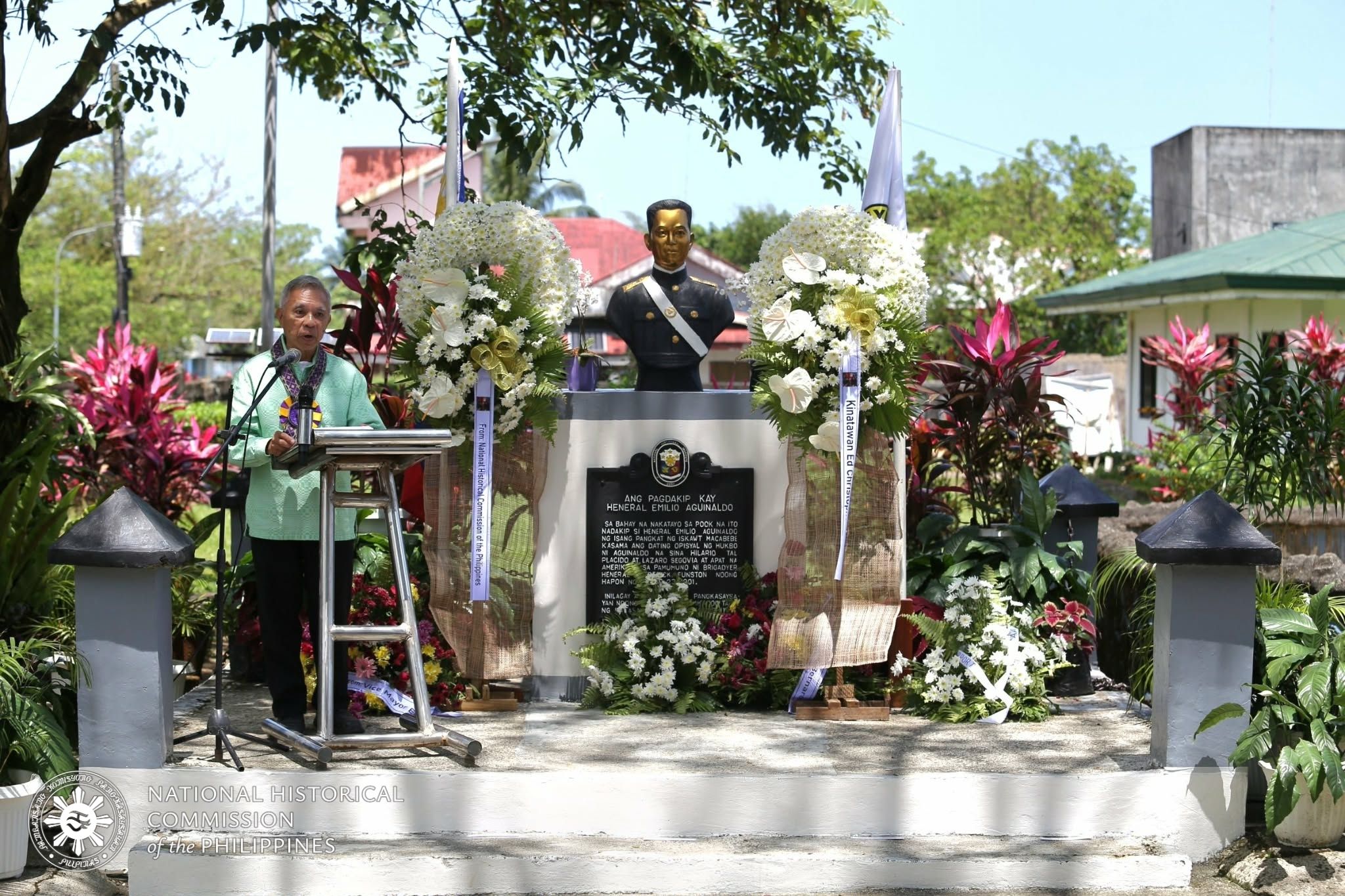
The activity also formally concludes the commemorative programs for the 125th anniversary of Philippine Independence and Nationhood. According to the NHCP, academic discussions and public history programs will continue throughout the rest of 2026 to further promote awareness and appreciation of the country’s historical heritage.