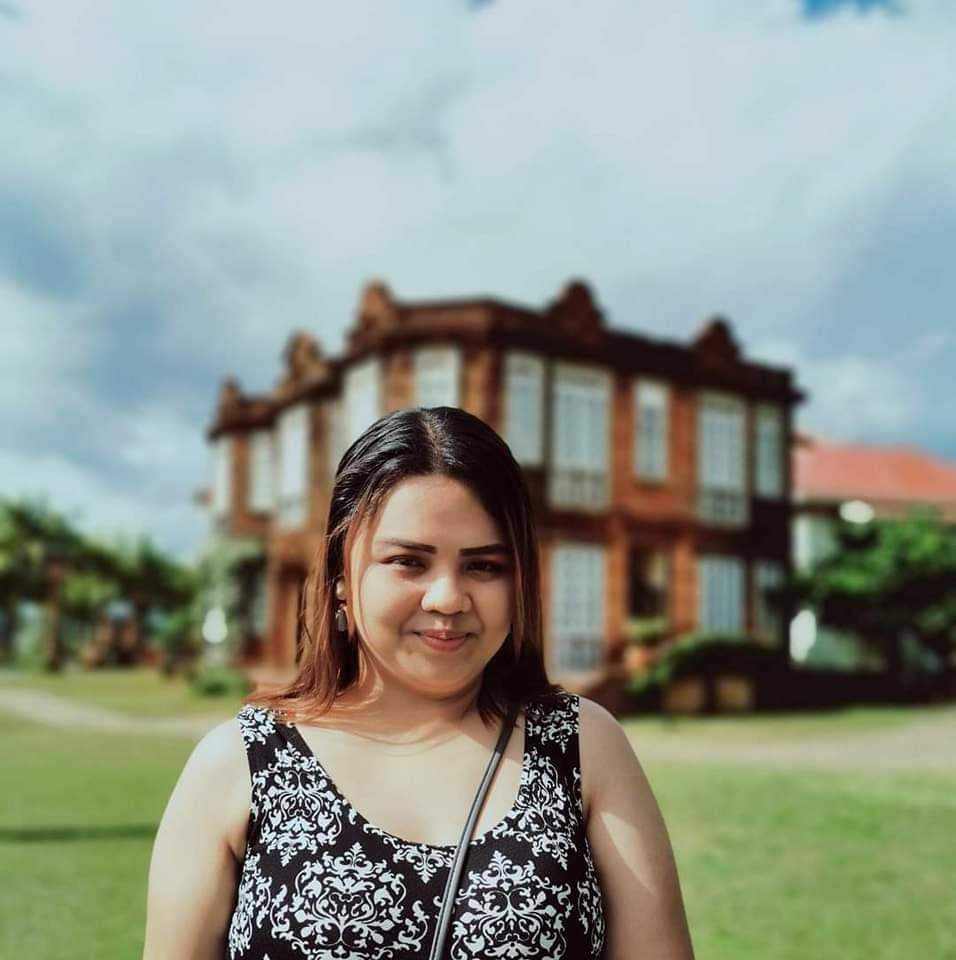

A week after attending the Philippine Book Festival 2026, I still find myself holding on to the magic it brought into my life—an experience that felt both deeply personal and culturally significant. This was my second time at the festival, yet it stood out as the most memorable. More than just revisiting a familiar space, it became an opportunity to create new experiences and deeper connections with the stories and people I admire.
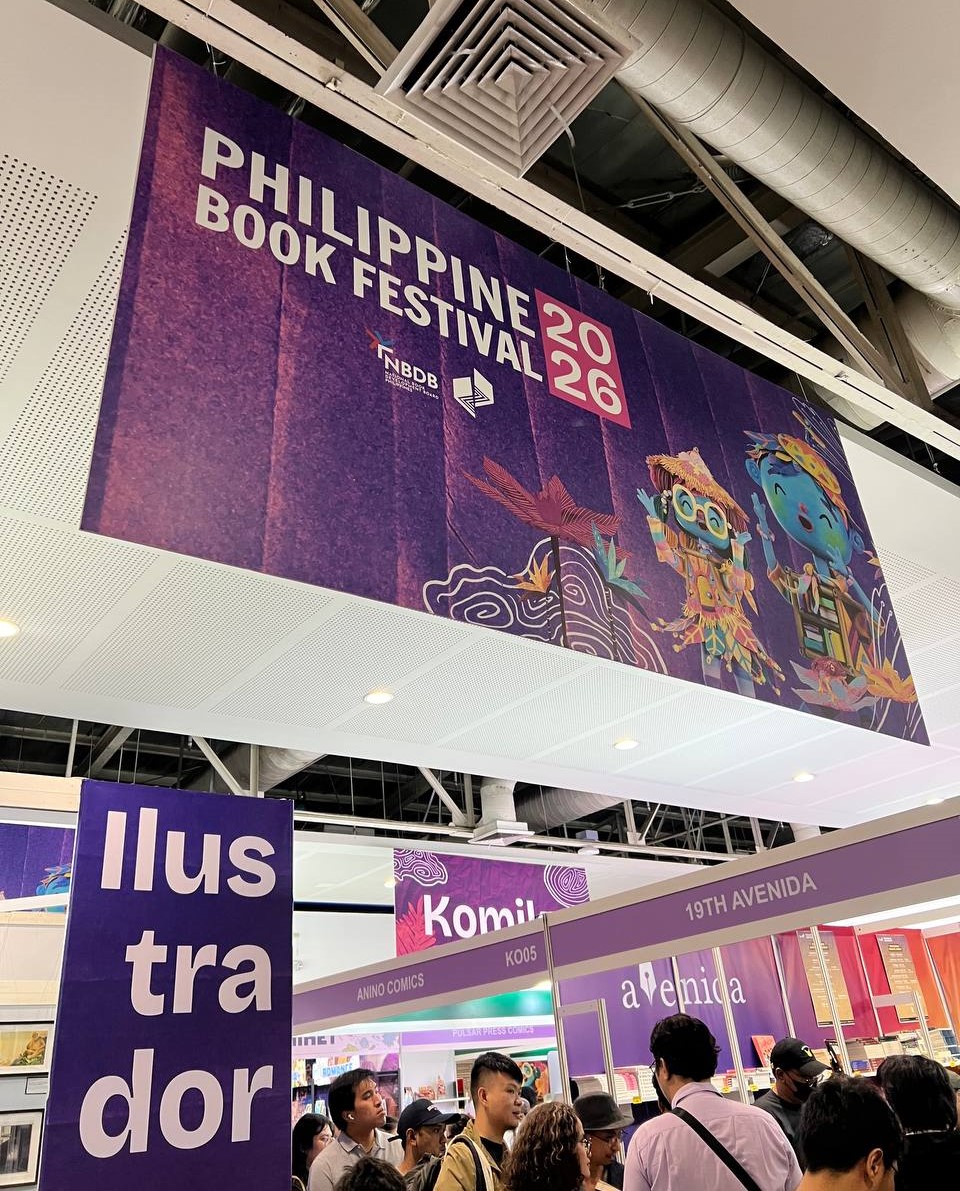
The Philippine Book Festival, known for gathering book lovers, authors, illustrators, and publishers, continues to highlight the richness of Filipino literature—honoring not only the stories but also the minds and artistry behind them. Like many readers, I have long turned to books as a form of escape. In moments when reality feels overwhelming, stories have offered me comfort, perspective, and a place to belong.
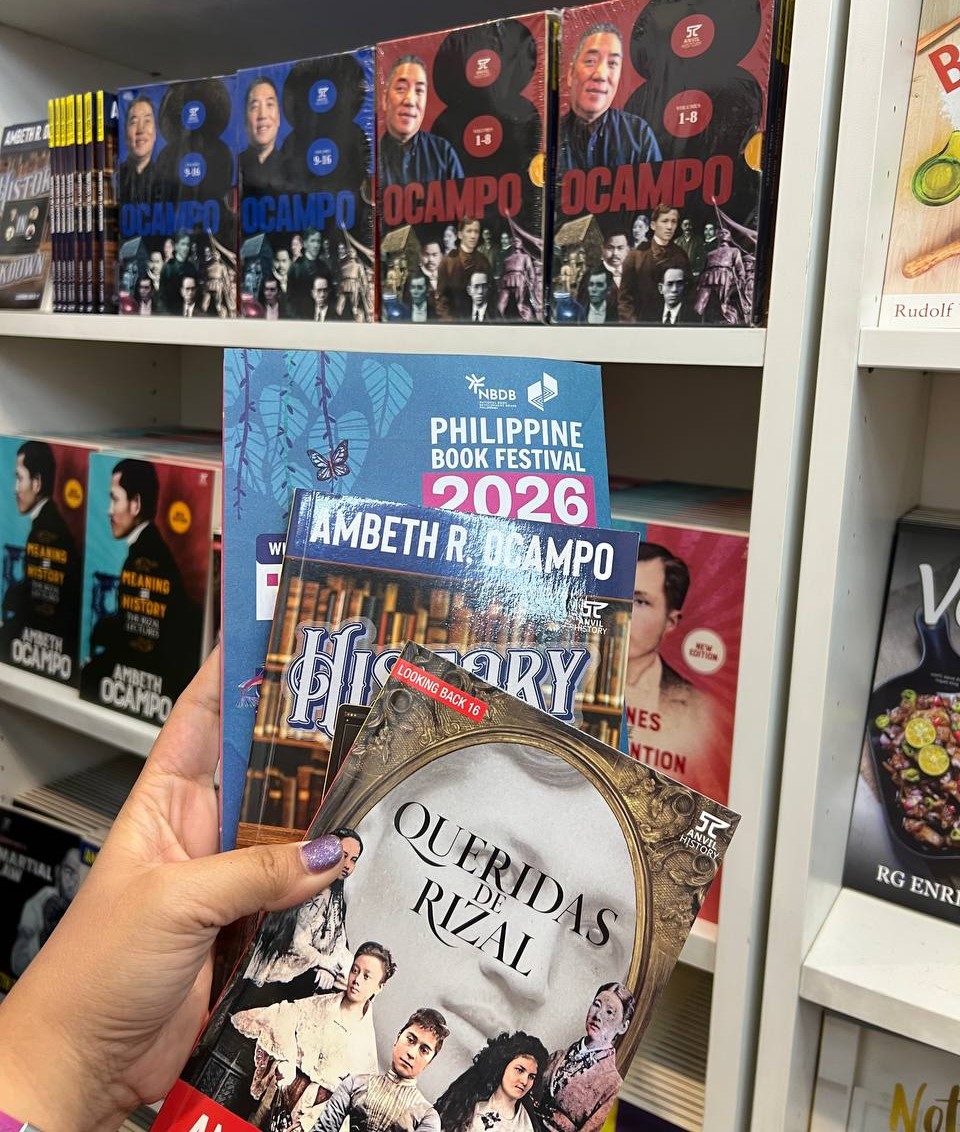
That connection deepened during the pandemic, when I discovered historical fiction, beginning with “I Love You Since 1892” by Binibining Mia. That single story opened the door to a broader interest in Philippine history, eventually leading me to the works of José Rizal and, later on, to historian Ambeth Ocampo.
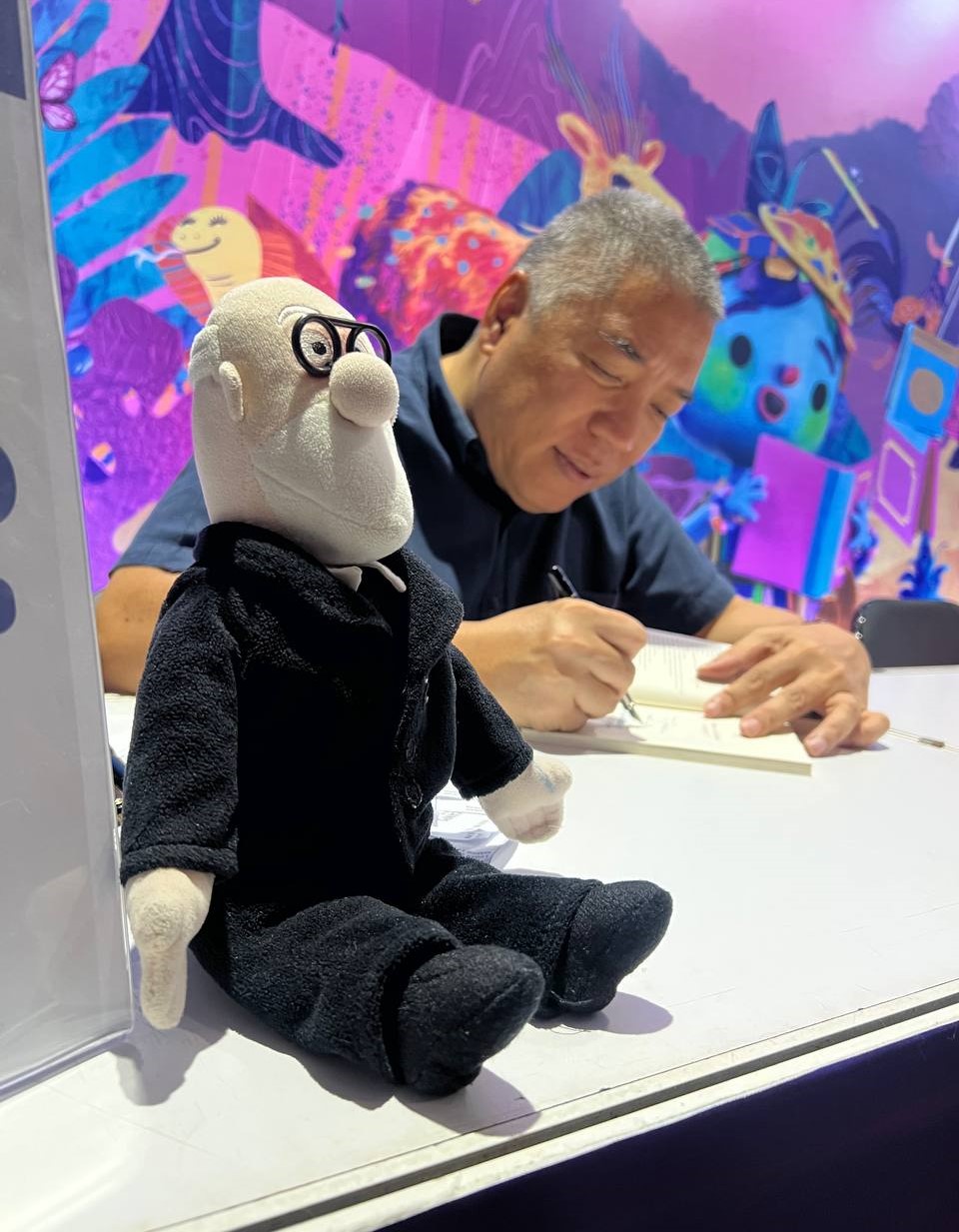
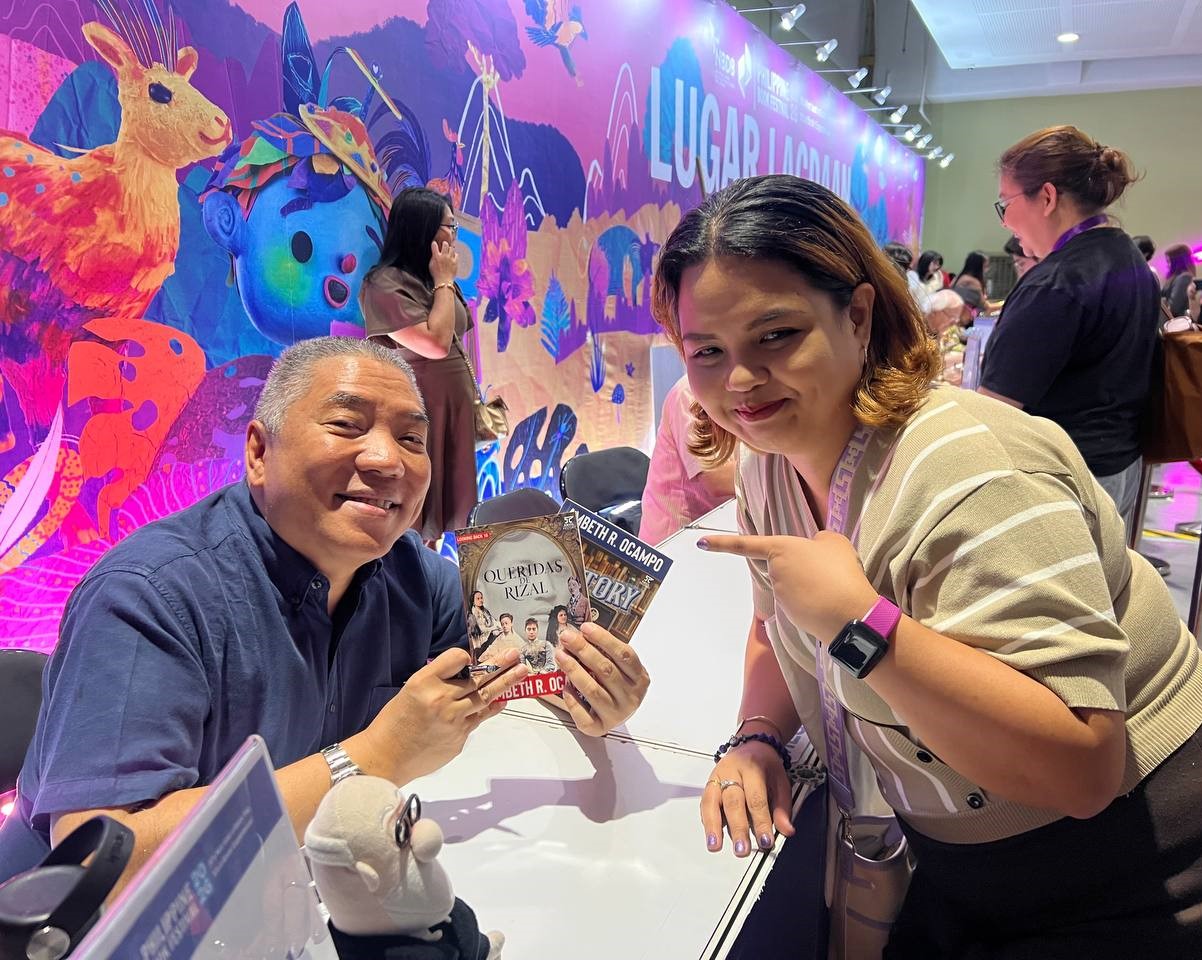
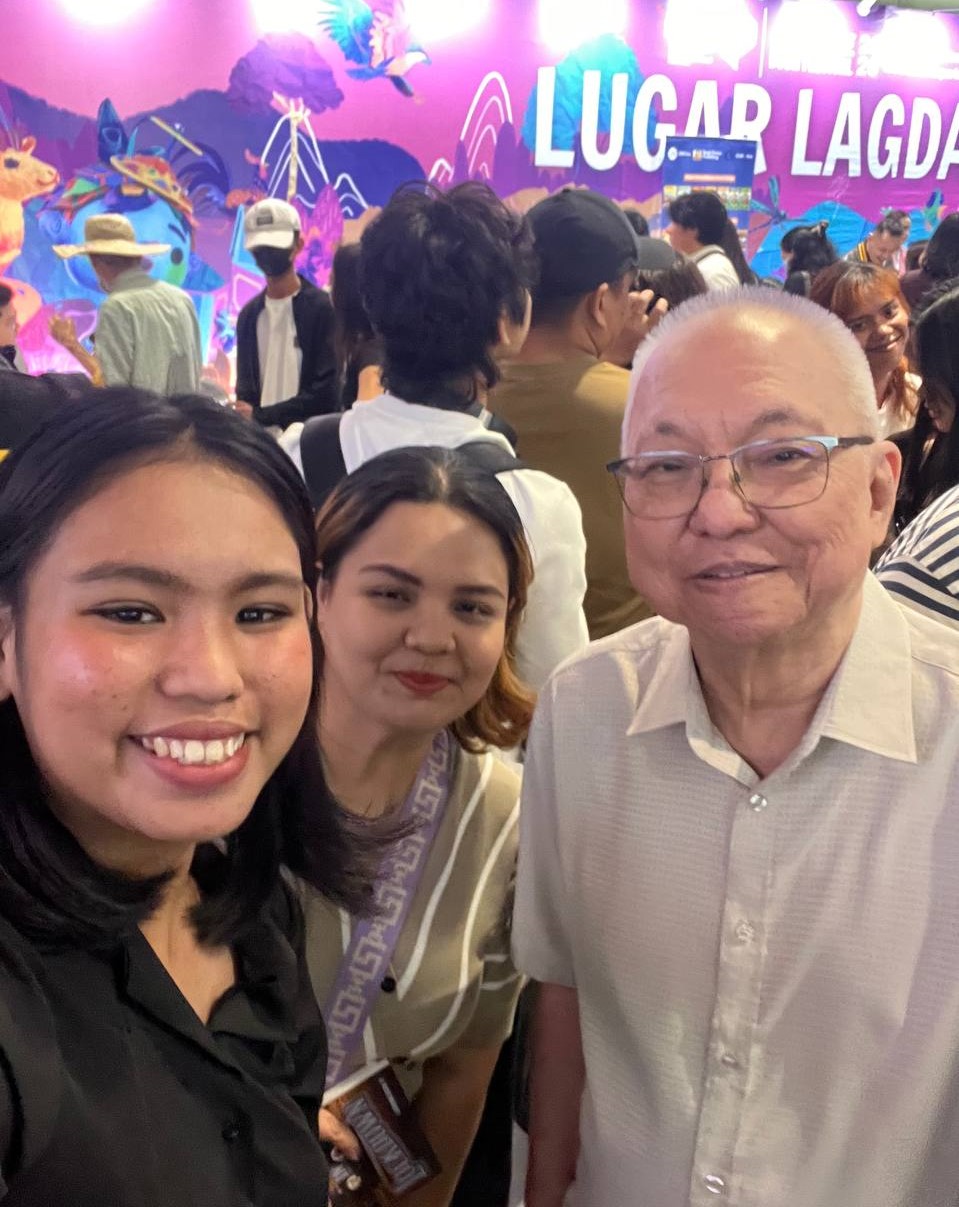
For years, I had followed Sir Ambeth Ocampo’s work—watching his talks, reading his books, and appreciating his ability to make history feel immediate and relevant. Meeting him in person at the festival felt surreal. His book signing drew a long line of eager readers, all hoping for a brief but meaningful interaction. Determined to be part of it, I arrived early and secured a spot within the first 100 attendees—number 47, to be exact. While waiting, I found myself in conversations with fellow readers, exchanging stories about how we discovered his work. It was a reminder of how literature connects people beyond the pages.
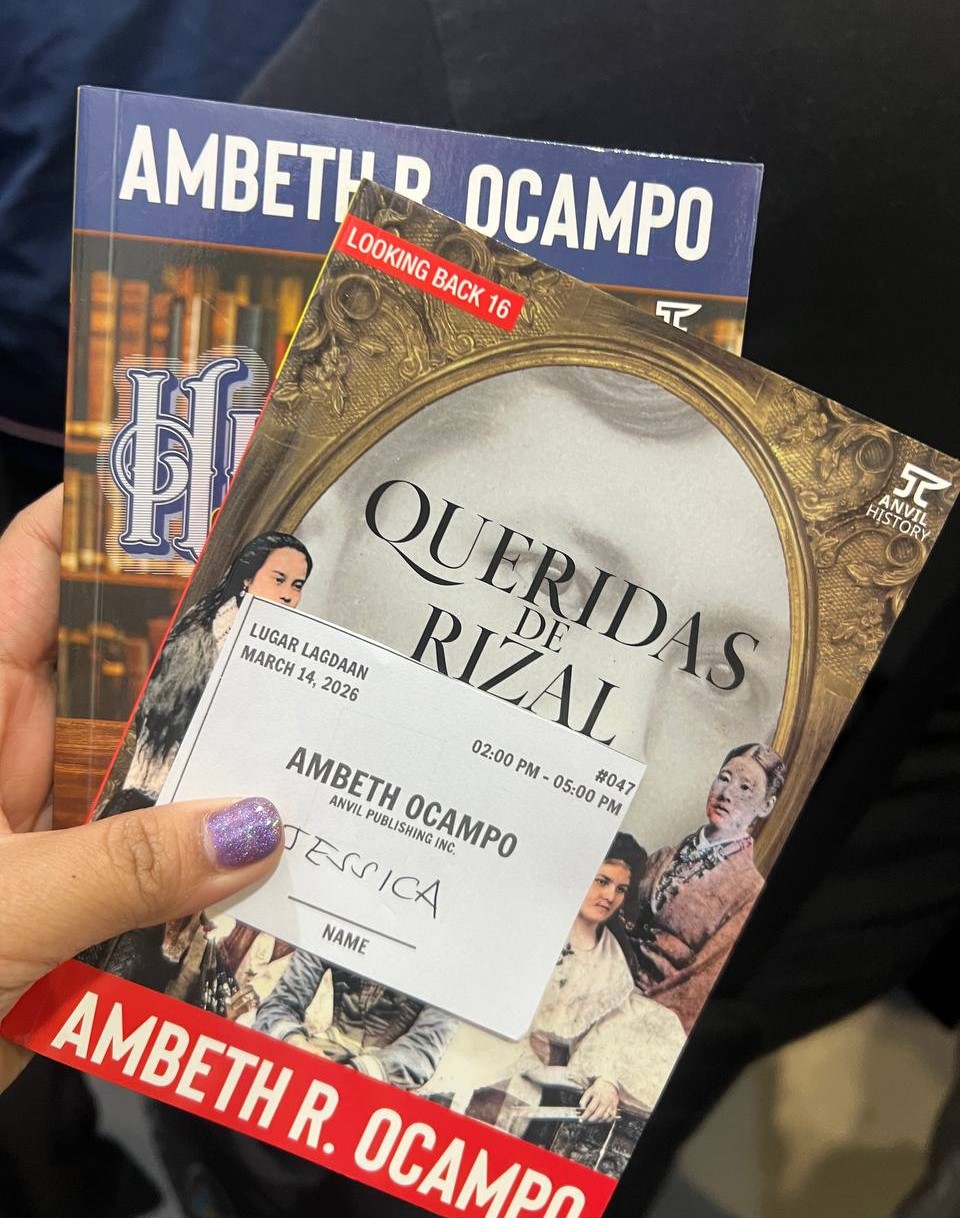
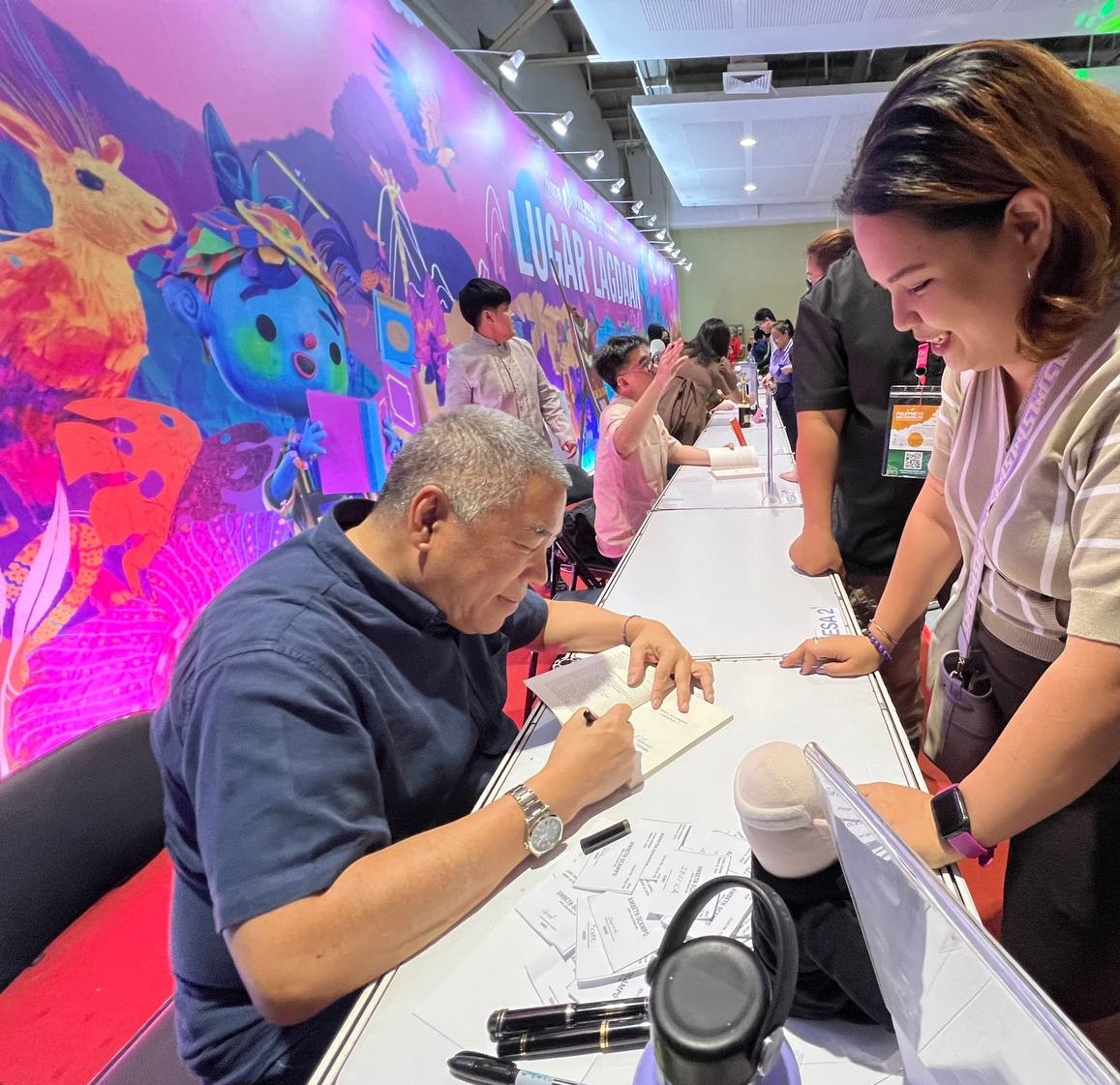
When my turn finally came, nerves took over. Yet in that moment, all I could say was, “Thank you, Sir.” It was a simple phrase, but it carried years of appreciation for his efforts in bringing history closer to our generation. His writing has a way of presenting the past with clarity and honesty, allowing readers like me to feel a personal connection to figures like Rizal. “He feels closer because of you,” I told him. “It’s like I’ve known him personally through your books.” He responded with a warm smile—an interaction brief but unforgettable. The encounter did not end there. After the signing, I had the chance to express my gratitude once more and capture the moment through photos.
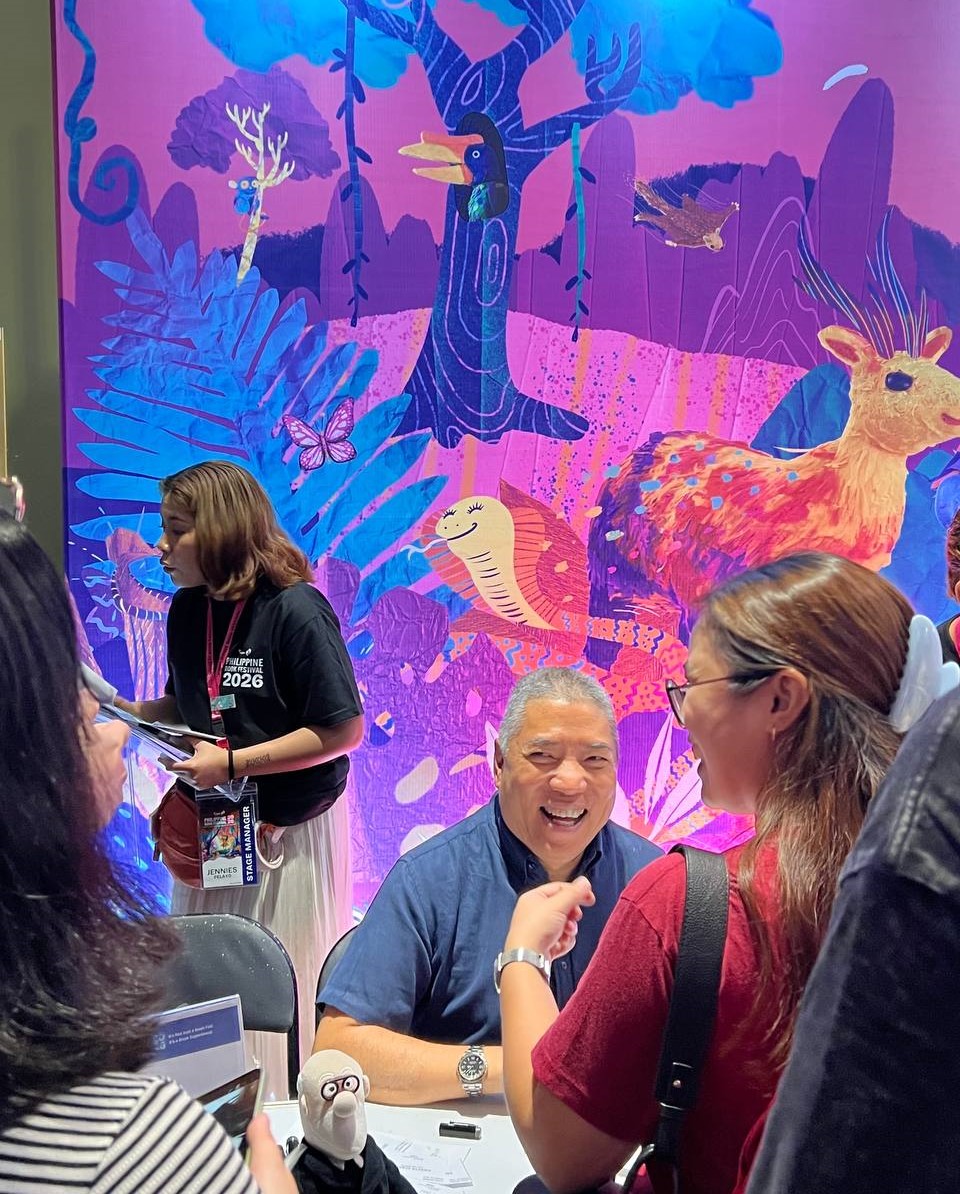
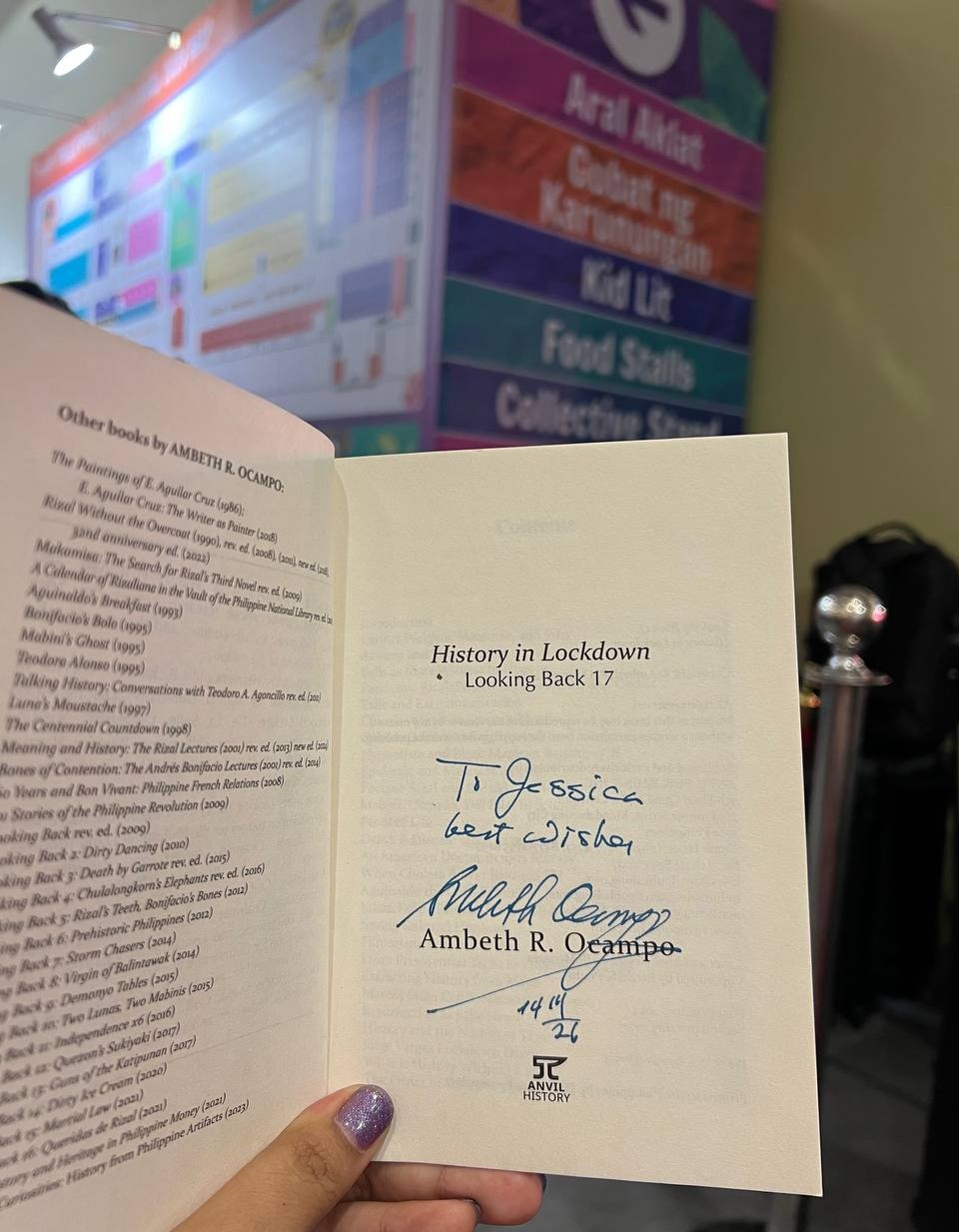
Walking away, I could still feel my heart racing, holding a signed book that symbolized years of admiration. The day continued to unfold with equally meaningful encounters.
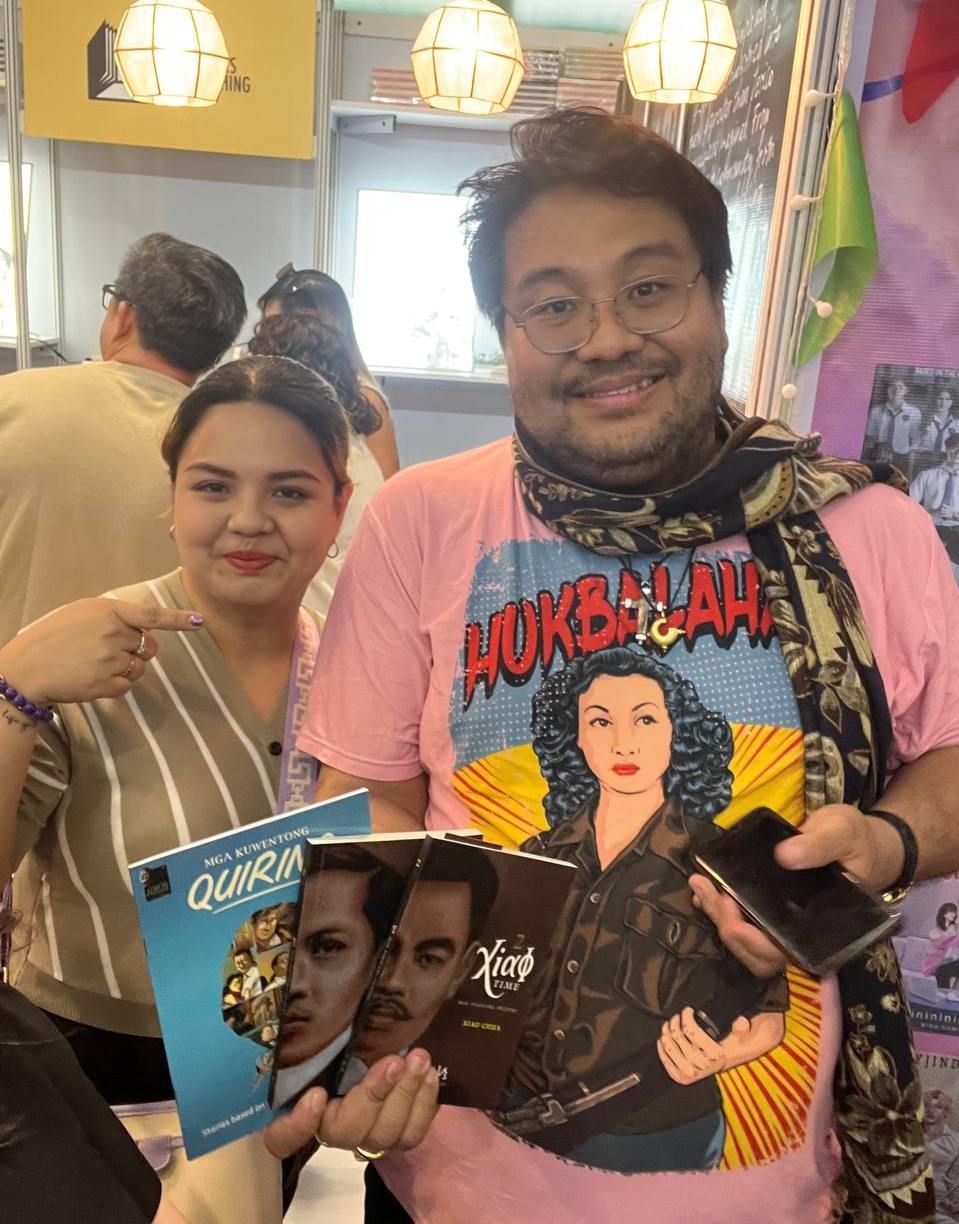
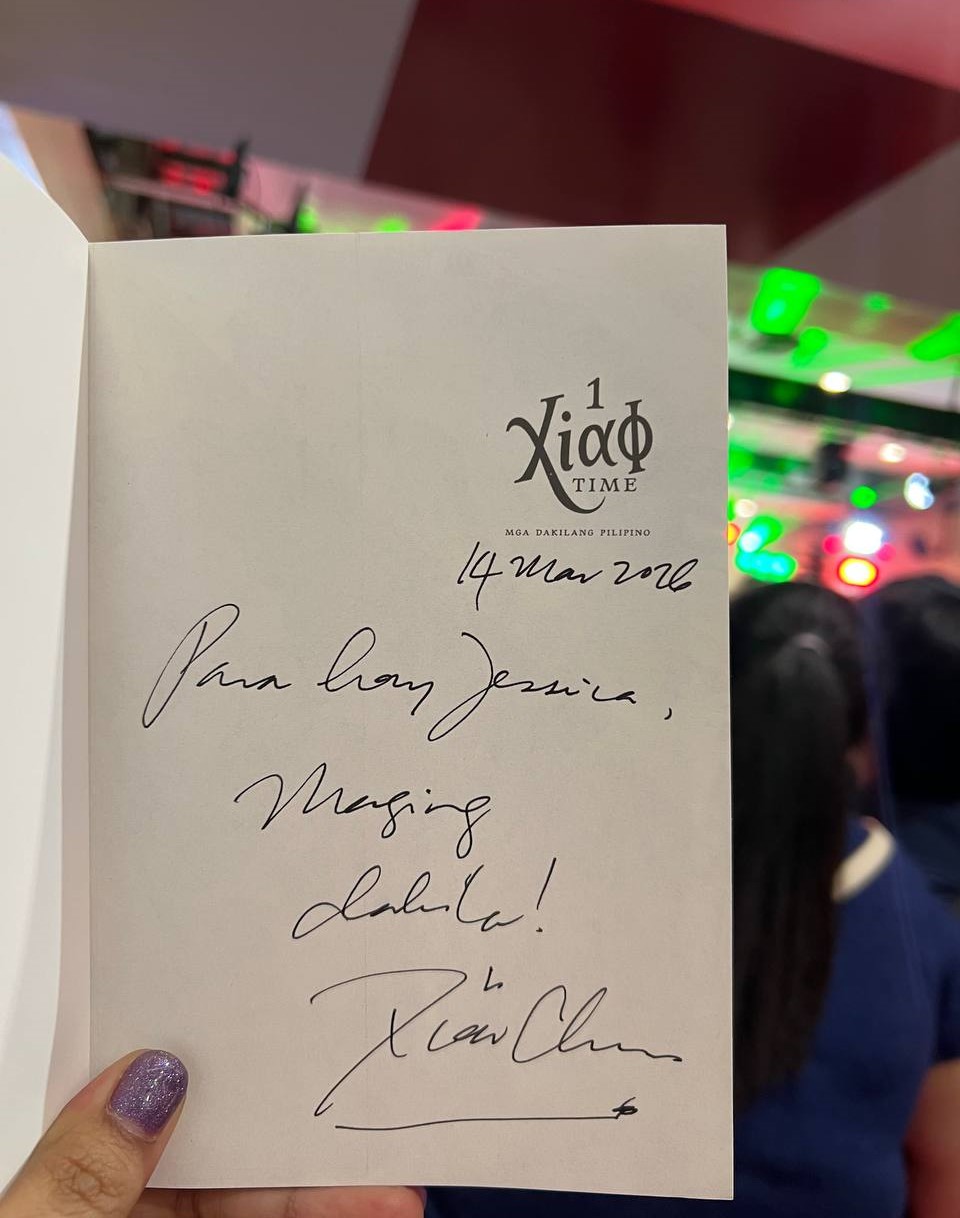
I met historian Xiao Chua, whose approachable personality and engaging storytelling have also shaped my appreciation for history. I’ve watched all his documentaries and public talks. I’ve watched all the episodes of “History with Lourd” because of him.
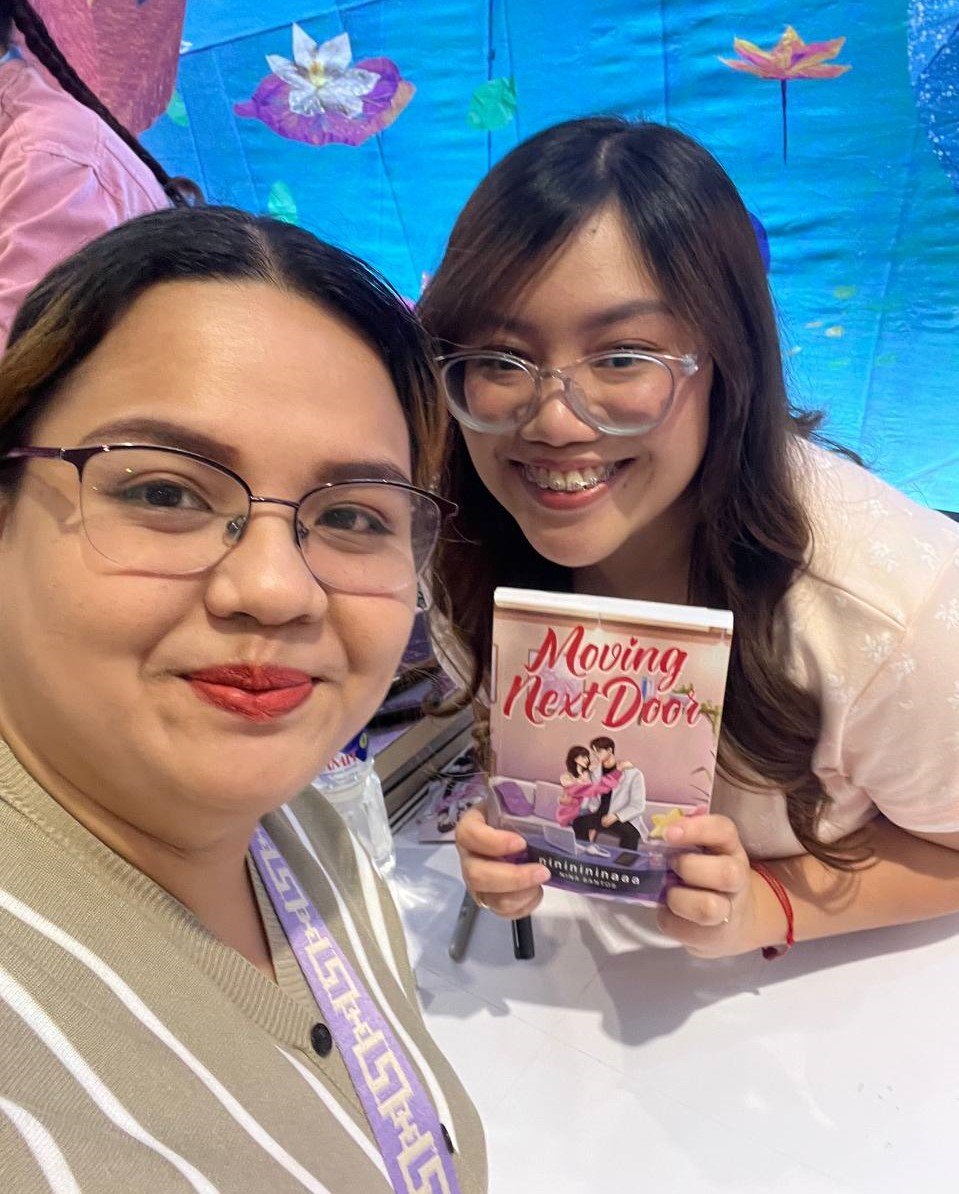
I also connected with Wattpad author Nina Santos, whose ongoing work continues to resonate with readers today. Beyond authors, the festival showcased the talents of Filipino authors such as National Artist Ricky Lee and well-known illustrators, including Manix Abrera, Pol Medina Jr., and Pepot Atienza aka Pepot Art. Their work serves as a visual extension of the stories celebrated throughout the event. More than anything, the experience reaffirmed the importance of supporting Filipino literature.
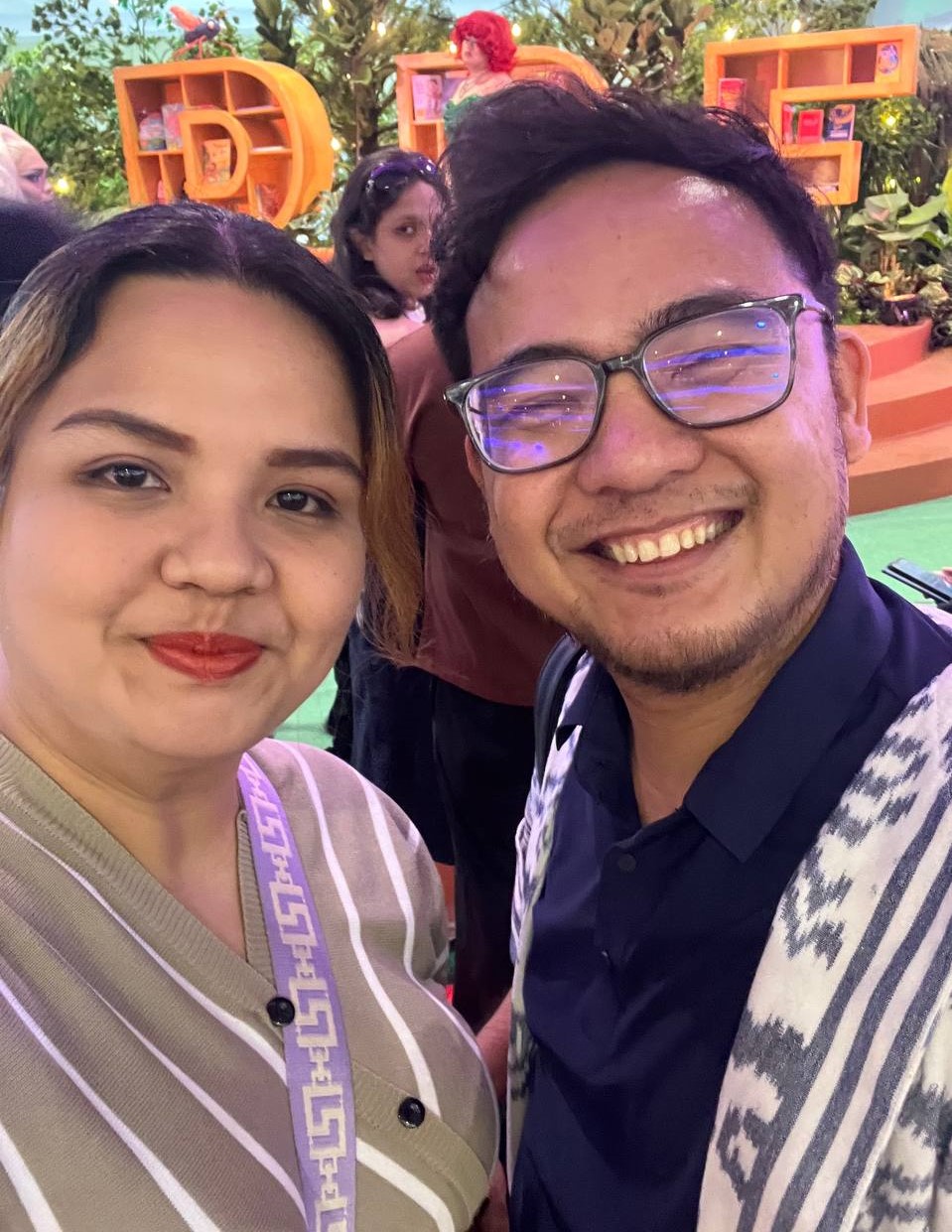
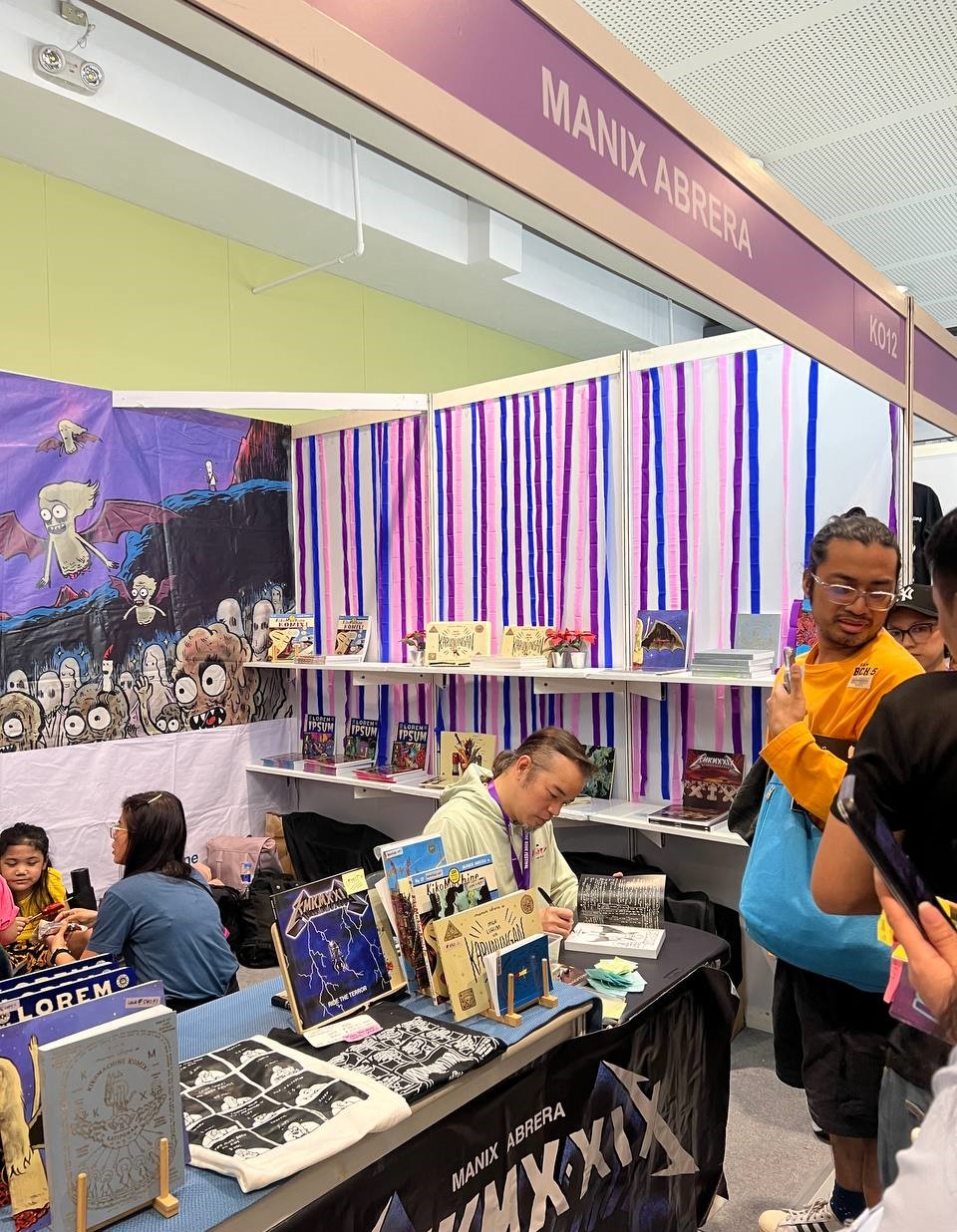
In an age where technology continues to reshape how we consume content, it is reassuring to see readers still lining up for books, still eager to meet the people behind them, and still finding joy in the written word. As I look back on #PBF2026, I carry with me not just signed books and photos, but a renewed sense of purpose as a reader—to continue learning, to keep discovering, and to support the stories that define us.
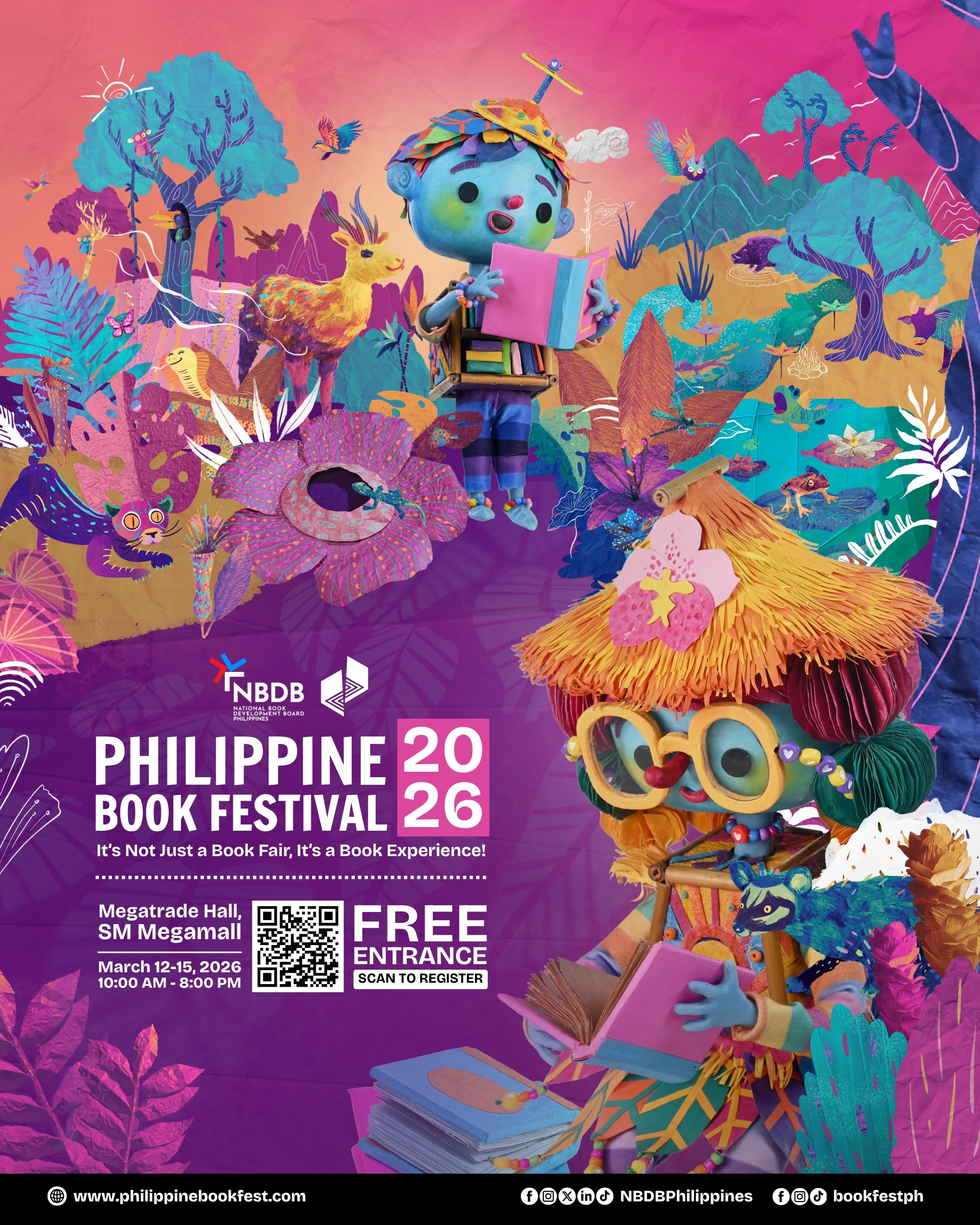
The festival may be over, but its impact lingers—reminding me that stories are not just meant to be read, but to be lived. And I will be there again next year.