
As couples transition into the empty nest phase, many experience a surprising and widespread challenge in their long-term marriage: it isn’t infidelity, financial strain, or frequent arguments that most often destabilises relationships — it’s the quiet realisation that the couple grew a family together but never consciously rebuilt their connection once the kids left home. According to relationship psychology research and expert insight, this emotional drift can lead to significant dissatisfaction, loneliness, and a sense that the marriage has stagnated despite the absence of overt conflict, a phenomenon that affects a large portion of long-established marriages.
From Partnership to Parenting Project: How Dynamics Shift Over Time
Many marriages naturally evolve into what feels more like a parenting operation than a partnership. Daily life becomes dominated by calendars, carpools, meals, homework, and household logistics, and for years this shared mission keeps couples aligned and functioning together. By the time the children are grown and gone, that unspoken “project” is no longer there, and with it disappears the implicit glue that once held the relationship together. Partners often discover that while they excelled at co-managing family life, they forgot to nurture emotional intimacy with each other.

Psychologists studying marital satisfaction emphasise that practical efficiency is not a substitute for emotional closeness. Couples may communicate perfectly about schedules and responsibilities, yet lack deep conversations about hopes, fears, evolving identities, or life goals. As a result, they end up feeling more like co-workers who’ve completed a long job than romantic partners actively invested in each other’s inner lives.
Why Emotional Curiosity Matters in Long-Term Marriage
Another key aspect identified by relationship researchers is the concept of active curiosity — the ongoing interest in understanding who your partner is becoming, not just who they were when you met. Over years of marriage, many couples stop asking new questions about each other’s thoughts, dreams, and emotional shifts. This can become especially apparent after children move out and partners have more unstructured time together but less to literally talk about.
Couples who maintain emotional curiosity tend to report higher levels of satisfaction and connection, because they adapt to change together instead of remaining stuck in outdated perceptions of one another. Conversely, couples who cease updating their mental “map” of each other often feel as if the person across the room has become a stranger — even if they’ve lived together for decades.
The Hidden Impact of Unresolved Issues
The transition to life after children often brings unresolved emotional issues to the forefront. Minor resentments, unspoken disagreements, and conversations that were always “on hold” due to busy family life don’t disappear; they just lose their cover. What was once buried under the noise of daily chaos now sits in the quiet, and couples may be forced to confront the emotional work they’ve been avoiding for years.
Psychological research underscores that long-term happiness in marriage isn’t merely the absence of conflict — it requires active engagement with emotional conflict and repair. Persistent avoidance or dismissal of underlying feelings can lead to emotional loneliness that’s harder to identify than dramatic fights but equally damaging to long-term satisfaction.
Loss of Shared Identity and Self Outside Parenthood
For many, marriage becomes so intertwined with parenting that individual identities and shared interests outside of family roles fade. When the children leave, some couples find themselves asking “Who are we without our roles as parents?” — and they may struggle to identify any common purpose or meaningful activities that bind them together beyond caregiving.
This sense of identity loss can feel disorienting and painful, because the roles that once defined the relationship are gone. Couples are left with time and silence, which can be therapeutic for some but disconcerting for others who never built a fulfilling sense of self or partnership outside their parenting duties.

How Couples Can Rebuild Intimacy and Connection
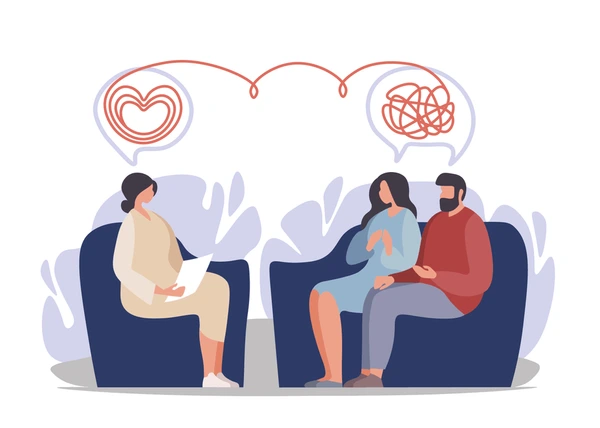
Experts in couples therapy argue that the empty nest doesn’t have to be a crisis — it can be an opportunity for renewal. Rather than trying to revisit old routines that no longer resonate, successful couples focus on building a “new normal” based on mutual growth, shared interests, and open conversation about evolving aspirations.
Psychological frameworks like the Vulnerability-Stress-Adaptation Model suggest that couples who openly discuss their vulnerabilities, adapt to life changes together, and manage stress collaboratively tend to maintain higher marital satisfaction over time. This adaptive process includes regular emotional check-ins, exploring new activities as a pair, and intentionally investing in the future as a unit rather than merely maintaining what used to be.
Marriage Beyond Parenthood: Building a Shared Future
Ultimately, psychologists emphasize that the most common marriage crisis isn’t dramatic turmoil — it’s the quiet erosion of connection that happens when partners stop actively engaging with each other’s inner lives. As couples navigate transitions like the empty nest phase, understanding the psychology of long-term relationship dynamics can help them reconnect, rediscover shared meaning, and sustain intimacy beyond parenting years.
For couples and readers alike, this insight underscores that marriage requires ongoing emotional effort, curiosity, and adaptation — not just commitment during the early years but intentional nurturing throughout life’s evolving chapters.