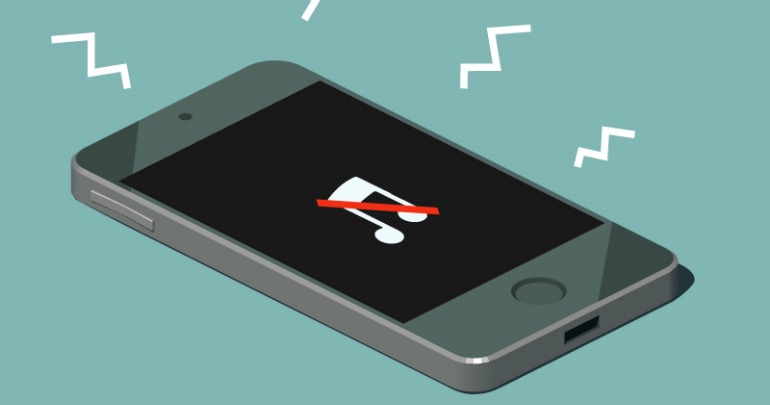

Many people today choose to keep their phones on silent mode constantly, and psychological experts say this behavior reflects more than just tech preference — it reveals how modern stress, social expectations, and emotional regulation are shaping daily life. From avoiding constant notifications to managing anxiety and preserving mental focus, research into digital habits shows that keeping mobile phones silent has become a deliberate strategy for coping with the pressures of connectivity, productivity, and interpersonal demands in an era defined by smartphones and nonstop alerts.
The Psychology Behind Silent Phone Habits
At its core, the choice to silence a phone is linked to how human attention and stress responses work. Cognitive psychologists note that frequent alerts — beeps, buzzes, and notifications — act as external triggers that repeatedly interrupt focus, increase tension, and activate the brain’s stress circuits. Every time a phone pings, even unconsciously, the brain evaluates whether the alert demands attention, which increases cognitive load and divides mental resources. Over time, this constant interruption pattern can heighten cortisol levels — a stress hormone — leading many individuals to adopt silent mode as a form of self-protective behaviour that limits unnecessary stimulation.
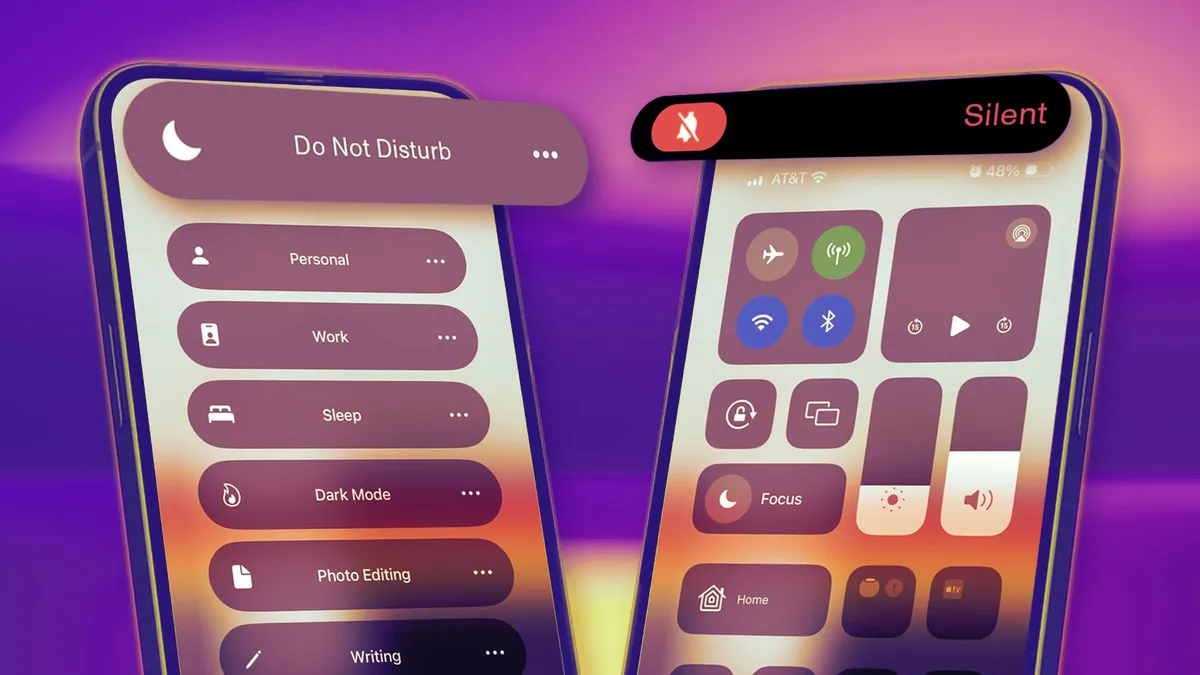
For people juggling demanding work, family obligations, or tight schedules, silencing the phone creates a controlled environment where attention can stay anchored on high-priority tasks without the distraction of incoming sounds. This practice aligns with attention restoration theory in psychology, which suggests that reducing environmental interruptions helps preserve cognitive capacity and reduces mental fatigue. By keeping their phones silent, individuals can better regulate their attention, extend periods of deep focus, and maintain a sense of productivity that constant audible notifications would otherwise undermine.
Anxiety, Social Pressure, and the Need for Control
Beyond productivity, silent phone habits are closely tied to anxiety about social expectations. For many, the fear of being obligated to respond immediately — whether to texts, calls, or social-media messages — creates internal pressure that feels stressful even before a notification arrives. Psychologists link this reduced perceived control to cognitive overload, where people feel responsible for answering every alert, leading to a refusal to let notifications dictate attention patterns.
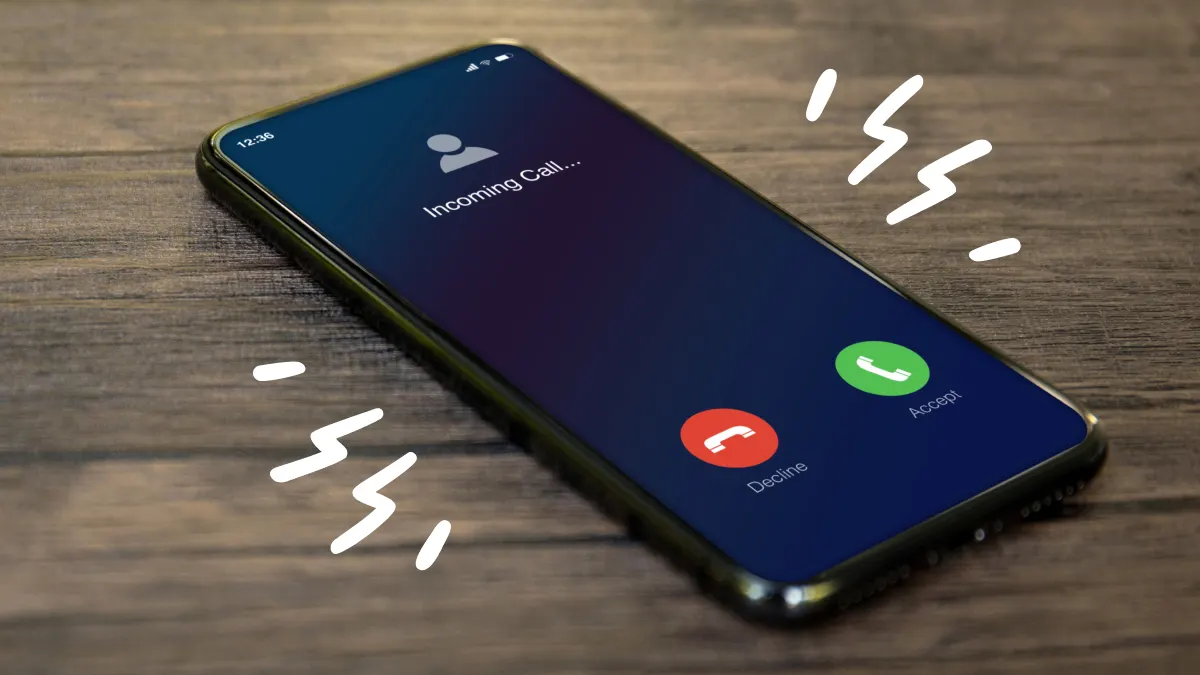
Keeping a phone on silent allows individuals to set boundaries on their time and emotional energy. Rather than reacting to every incoming sound, people can check their messages on their own terms, reducing the stress associated with hyper-vigilance — the constant monitoring for signals of social demand or urgency. For individuals with anxiety tendencies, this choice helps reduce the compulsion to multitask and shift focus, which is widely linked with higher stress levels and mental exhaustion.
Silent Phones and Sleep Hygiene
Another major reason people opt for silent mode relates to better sleep quality and mental rest. Sleep experts consistently highlight how nocturnal alerts — even subtle vibrations — interrupt sleep cycles and fragment deep rest phases. Keeping a phone silent at night thus becomes part of what psychologists call sleep hygiene: behavioural adjustments that promote uninterrupted sleep. Research shows that reducing nighttime stimuli, including sound, light, or expectation of response, can improve REM sleep and reduce early-morning brain fog. For individuals who struggle with insomnia or light sleep, silent phones are not just a convenience but a proactive step toward better health outcomes.
Avoiding Tech Burnout and Digital Overload
“Tech burnout” — a state of emotional exhaustion tied to prolonged digital engagement — has emerged as a common modern complaint. Silent phone habits serve as a buffer against this burnout by limiting constant digital interruptionsand giving users psychological permission to step back from their devices. Digital minimalism philosophies often encourage such habits, suggesting that quiet phones help users regain control over attention and prevent the creeping sense of overwhelm that arises from being always connected.
By silencing notifications, people reduce both external noise and the internal pressure to perform socially or professionally. This behaviour also supports the idea of intentional focus, where individuals decide when and how they engage with their digital worlds — a valuable skill given the cognitive demands of contemporary life.
Social Perceptions and Misunderstandings
Despite its psychological benefits, keeping a phone on silent can sometimes be misinterpreted by others as unresponsiveness or disengagement. Experts recommend that individuals communicate their boundaries clearly — for instance, by letting close contacts know they prefer non-urgent messages or setting expectations for response times. Transparency about silent-phone habits helps balance healthy digital limits with social reciprocity, preventing misunderstandings that could strain personal or professional relationships.
Moreover, adopting silent mode doesn’t mean complete digital withdrawal — it’s about reducing noise while preserving connection. Choosing which alerts to allow — for example, emergency contacts or calendar reminders — enables individuals to maintain essential communication without surrendering continuous auditory stimulation.
Balancing Connectivity and Mental Well-Being
As smartphones continue to shape daily life, understanding the psychology of silent phone behaviour offers insights into broader trends in digital health, attention management, anxiety reduction, and work-life balance. Instead of viewing silent mode as avoidance, experts frame it as a strategic tool that helps people manage cognitive resources, reduce stress triggers, and build healthier relationships with technology.
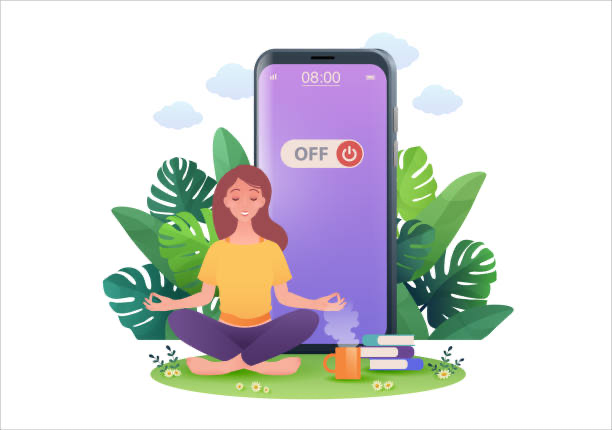
In summary, the choice to keep one’s phone on silent reflects a combination of attention management strategies, stress coping mechanisms, social boundary setting, and digital wellness practices. As more people pursue mental clarity and intentional focus in a world of overwhelming connectivity, silent phone habits represent a growing trend in self-regulated digital behaviour — one that underscores how modern psychology intersects with everyday tech use.