

Many people who identify as introverts find themselves canceling plans at the last minute — and according to psychology experts, this behavior isn’t just reluctance or poor planning. Instead, it reflects deeper emotional and neurological patterns linked to how introverts process social stimulation, manage energy, and navigate uncertainty. Understanding the psychology behind social withdrawal in introverts can help both introverts and their friends make sense of last-minute cancellations and improve how social commitments are approached.
Introversion, Social Energy, and Psychological Recharge
By definition, introverts tend to draw energy from solitude and quiet environments, whereas social interactions — especially in larger groups or unfamiliar settings — can be draining rather than energizing. This doesn’t mean introverts dislike people; rather, their nervous systems respond differently to social stimuli. Research in personality psychology points to introverts having more active cortical arousal systems, which makes external input feel more intense and tiring. As a result, introverts often need significantly more recovery time after social engagements than extroverts, and last-minute plan changes can be a coping mechanism to preserve limited emotional energy.

When an introvert says they need to recharge before a dinner, party, or outing, their brain is signaling a need for restoration rather than avoidance of people. For many introverts, canceling plans at the last minute is tied to honest self-regulation: they’ve monitored their emotional state and concluded they lack the reserves to engage meaningfully. Overextending social energy can lead to stress, irritability, and even physical symptoms like headaches or fatigue — which reinforces why understanding introversion as a personality energy model is crucial.
Anxiety, Uncertainty, and Social Pressure
Another psychological factor contributing to late cancellations among introverts is social anxiety and anticipation stress. Even when introverts genuinely want to attend an event, the build-up to social interaction — anticipating conversations, navigating small talk, or managing group dynamics — can induce anxiety that grows as the event approaches. For many introverts, the thought of performing socially becomes more strenuous over time, leading them to cancel in order to avoid mounting discomfort.
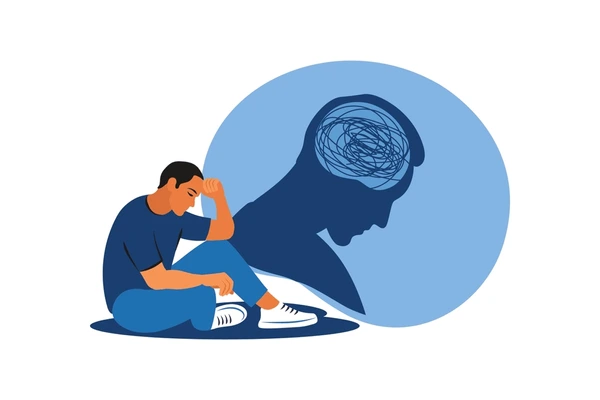
This pattern is especially common with ambiguous social situations, where expectations are unclear or the social norms feel unfamiliar. Introverts tend to prefer predictable interactions where they can prepare mentally and emotionally, so when details are uncertain — like unknown guests, loose agendas, or crowded venues — they may reassess and decide that avoiding the situation is better for their well-being.
Decision Fatigue and the Need for Solitude
Psychologists also note that introverts experience decision fatigue more intensely than extroverts when it comes to social planning. Each choice — whether to go, what to wear, how to behave — becomes part of a cognitive load that can cumulatively feel overwhelming. When that load surpasses their capacity, introverts may default to canceling plans as a form of preservation — not laziness, but a protective behavioral strategy that minimizes stress and preserves mental clarity.
Solitude then acts as a psychological reset for introverts, allowing their thoughts to reorganize, their emotions to settle, and their nervous system to return to baseline. Regular alone time isn’t just preferred; it becomes necessary for introverts to maintain emotional equilibrium. When the internal cost of social interaction outweighs the benefits, last-minute cancellations emerge as an adaptive response rather than an impulsive choice.
The Role of Communication and Social Expectations
While canceling plans spontaneously can be misunderstood by others as flakiness or disinterest, psychology clarifies that for introverts it’s less about social rejection and more about self-regulation and emotional homeostasis. Experts suggest that improving communication — such as providing context, setting realistic expectations, and offering alternative social options — helps reduce the social friction that arises when introverts cancel.
Friends, families, and partners of introverts can support them by acknowledging that quiet time and regrouping is not a sign of withdrawal from relationships, but rather a necessary part of maintaining connection without overwhelm. Practicing empathy and reframing preconceptions about last-minute cancellations can strengthen trust and reduce embarrassment or guilt for the introvert involved.
Balancing Social Life and Personal Well-Being
For introverts who want to engage more consistently with friends and events, psychologists recommend tools such as advance scheduling, buffer time before activities, and clear boundaries on social duration. These strategies help introverts conserve emotional energy without feeling obligated to withdraw suddenly, building a bridge between their internal needs and their social life.

Ultimately, last-minute cancellations among introverts are best understood through the lens of personality psychology, energy management, and emotional regulation. Rather than being seen as inconsiderate, these cancellations can reflect a deeper need for psychological balance, sustainable social engagement, and respect for individual temperament — factors that, when understood correctly, lead to stronger relationships and healthier interpersonal dynamics.