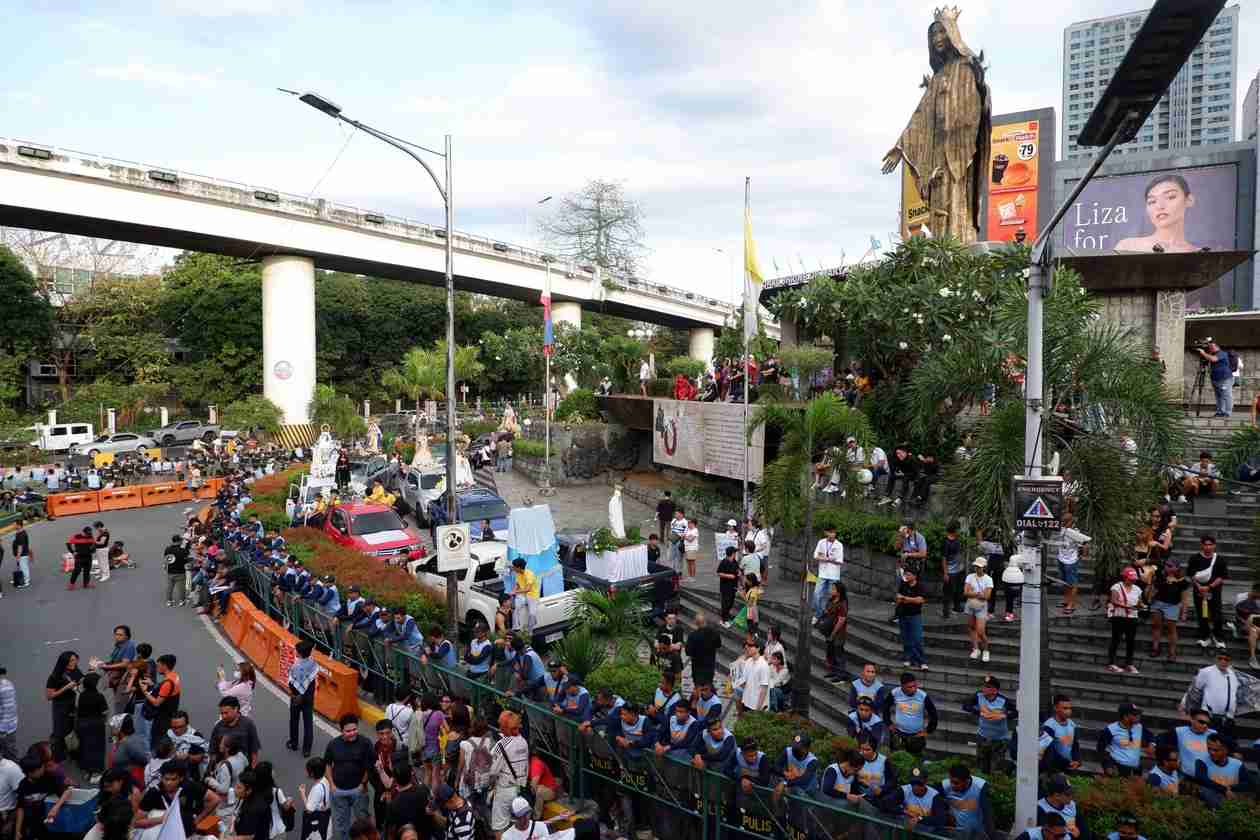

MANILA, Philippines — Four decades after the historic 1986 EDSA People Power Revolution, the EDSA Shrine and the People Power Monument continue to serve not only as memorials to a peaceful uprising but also as active venues for rallies and demonstrations.
Since the ouster of former President Ferdinand Marcos Sr. in 1986, the country has had seven presidents occupy Malacañang Palace. Yet for many Filipinos, the issues that fueled the original People Power movement—calls for democracy, accountability, and good governance—remain pressing concerns.
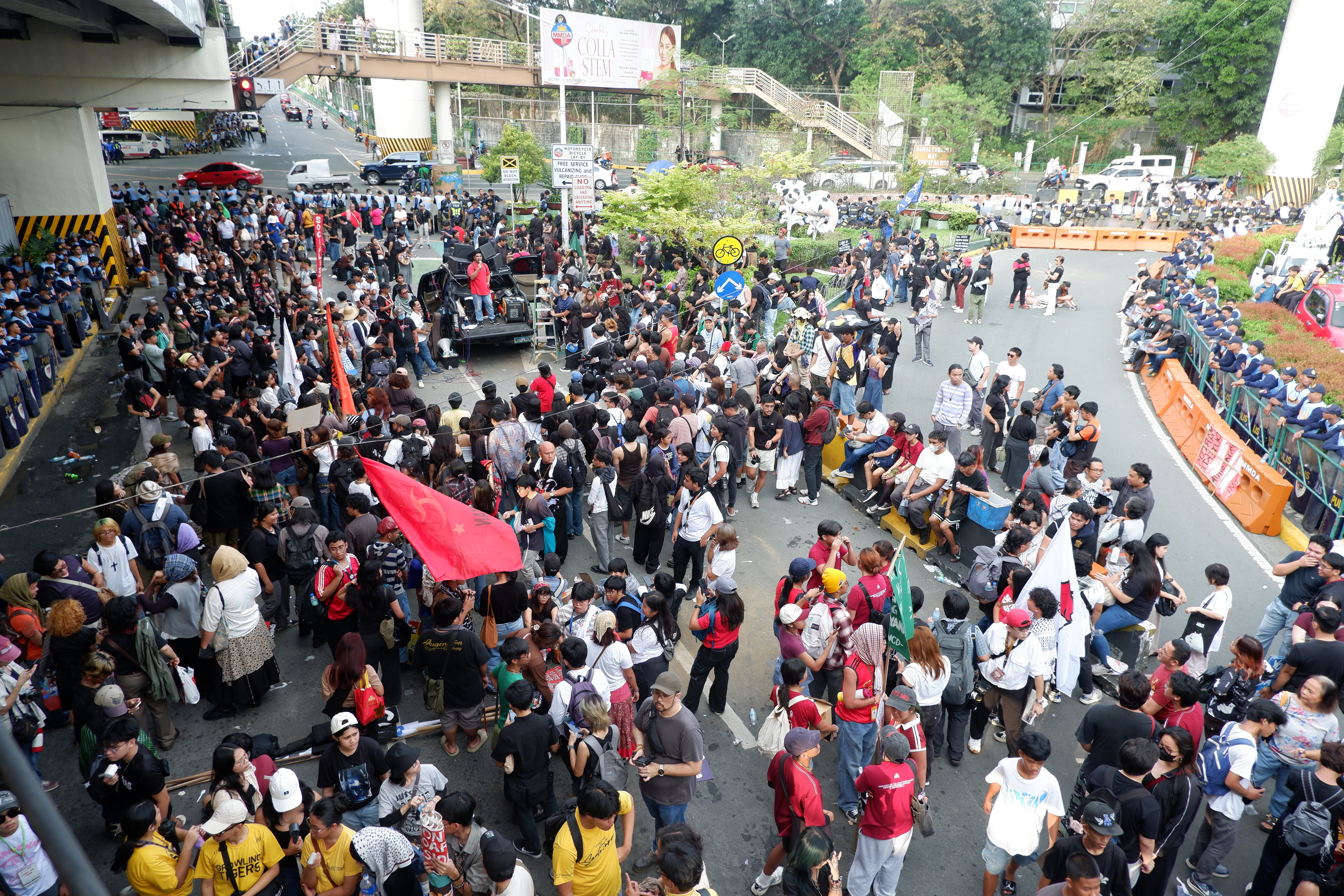
Various groups that gather at EDSA cite demands for improved public services, quality education, stronger agricultural support, better infrastructure, fair wages for minimum earners, and protection for farmers’ rights. Protesters argue that public assemblies are part of democratic expression and a means of holding leaders accountable.
Law enforcement authorities typically deploy police personnel during rallies, citing the need to maintain order and ensure public safety. Officials maintain that police presence is a precautionary measure to prevent violence, protect government property, and ensure that demonstrations remain peaceful.
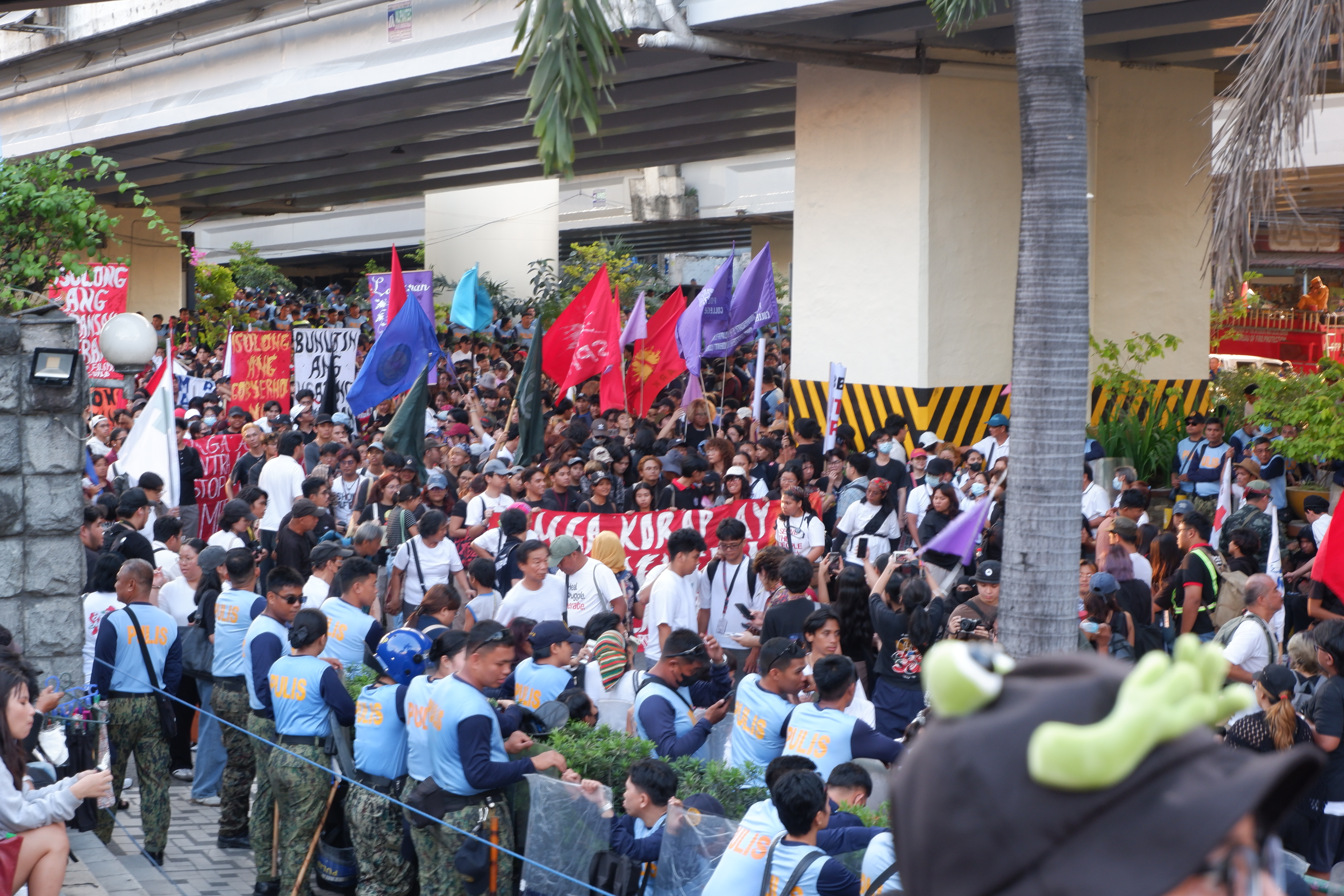
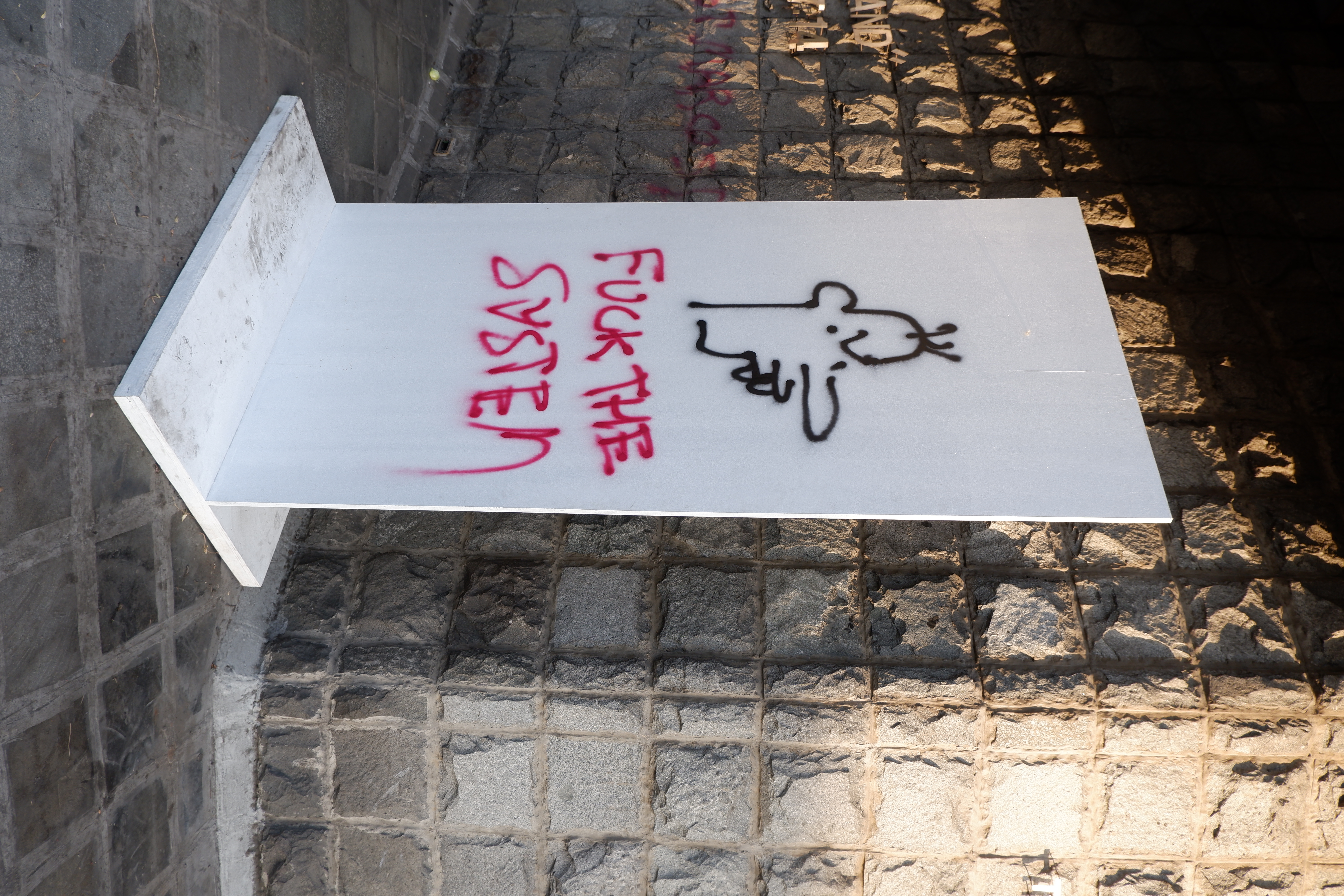
However, some activists question whether a stronger emphasis on dialogue and policy response could ease recurring tensions. They argue that frequent mobilizations reflect public dissatisfaction and that addressing citizens’ concerns directly may reduce the need for mass protests.
In recent years, certain activist groups have also raised concerns over red-tagging, or being labeled as affiliated with insurgent organizations. Civil society advocates say such accusations can discourage civic participation and stifle legitimate dissent.
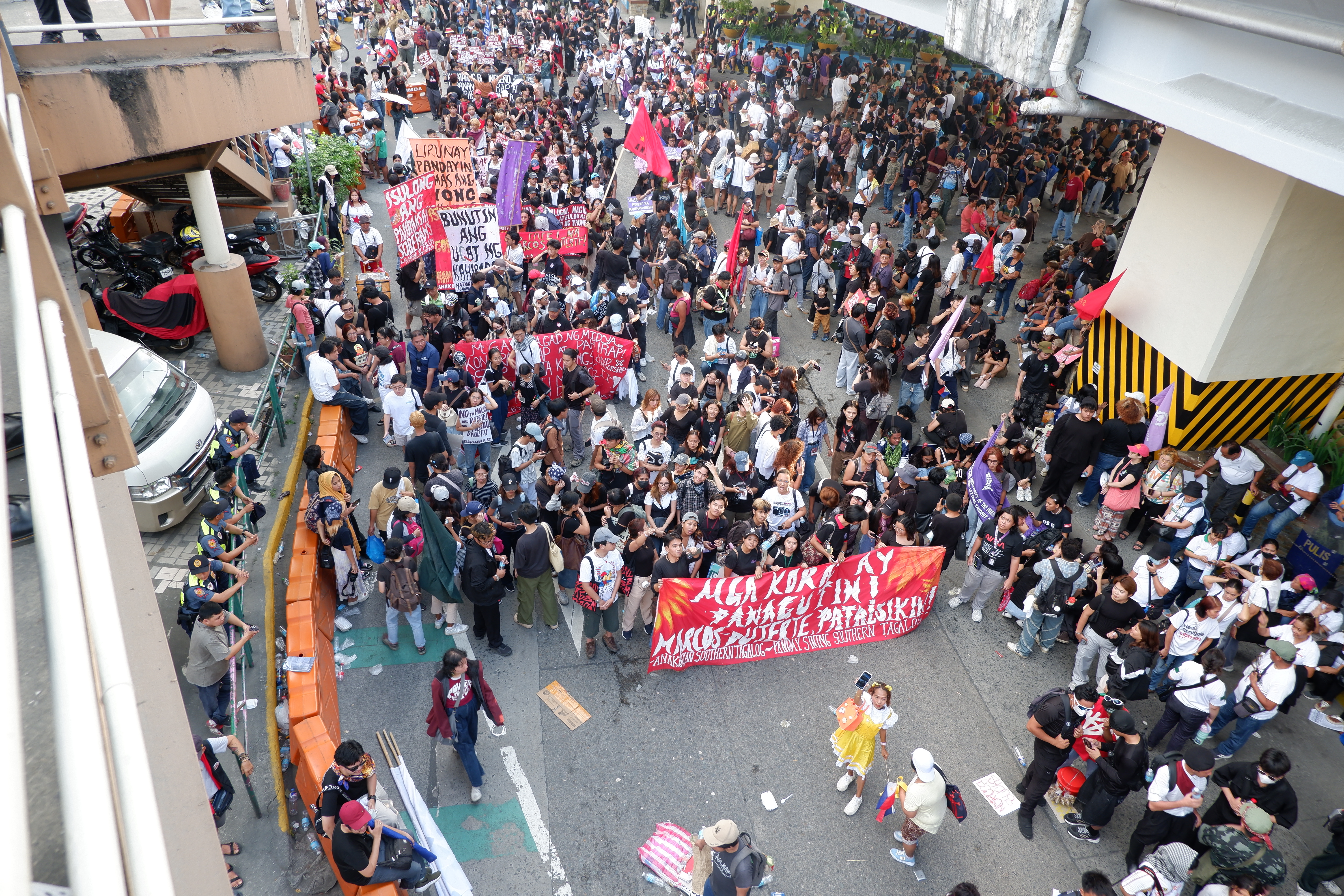
Historians note that the 1986 People Power Revolution itself was driven by ordinary citizens who gathered along EDSA to demand political change. The movement is widely recognized as a defining moment in Philippine democracy, demonstrating the power of peaceful assembly.
As the nation marks 40 years since the revolution, EDSA remains both a historical landmark and a living symbol of democratic engagement. For many Filipinos, the anniversary serves as a reminder that the right to assemble and call for accountability continues to shape the country’s political landscape.
Observers say the enduring presence of rallies at EDSA underscores an ongoing dialogue between citizens and the state—one that reflects both the strengths and challenges of Philippine democracy.