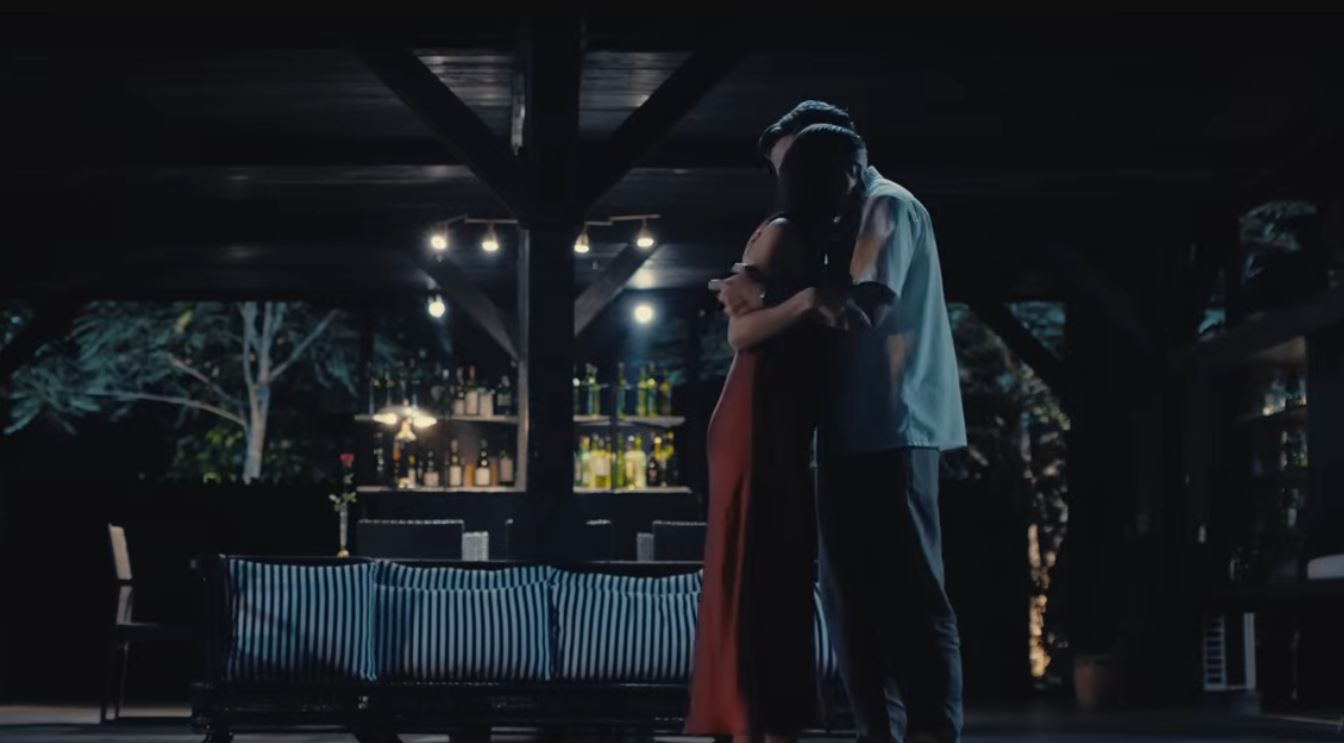

Just a day before Valentine’s Day, audiences were treated to a love story that goes beyond romance and into the complexities of perspective and emotional truth. The Loved One, starring Anne Curtis and Jericho Rosales, presents a layered narrative that challenges viewers to ask: Who really loved more? And who is truly the loved one?
The film follows Ellie and Eric, two individuals who first meet at a bar and later reconnect at a friend’s wedding. Despite their undeniable chemistry, they are fundamentally different. Ellie is spontaneous and free-spirited, embracing life as it comes. Eric, on the other hand, is a responsible breadwinner who carefully maps out his future.
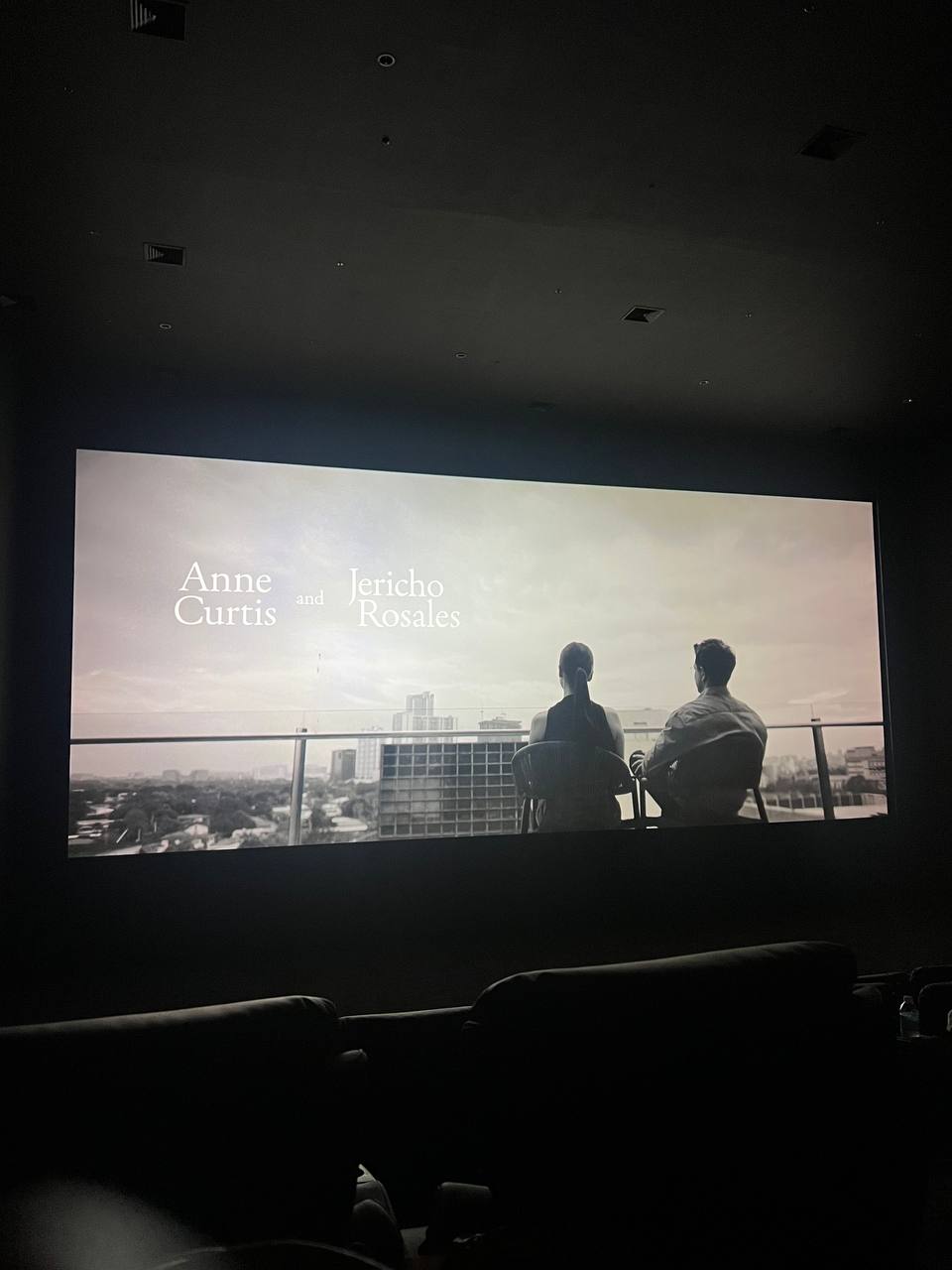
Their love story unfolds quickly — what seems like love at first sight blossoms into cohabitation and shared dreams. However, as the story progresses, the differences in their outlooks begin to surface. One lives in the present, guided by belief and emotion; the other plans ahead, driven by responsibility and structure. The contrast becomes the heart of the conflict, revealing how love can thrive in passion yet struggle in reality.
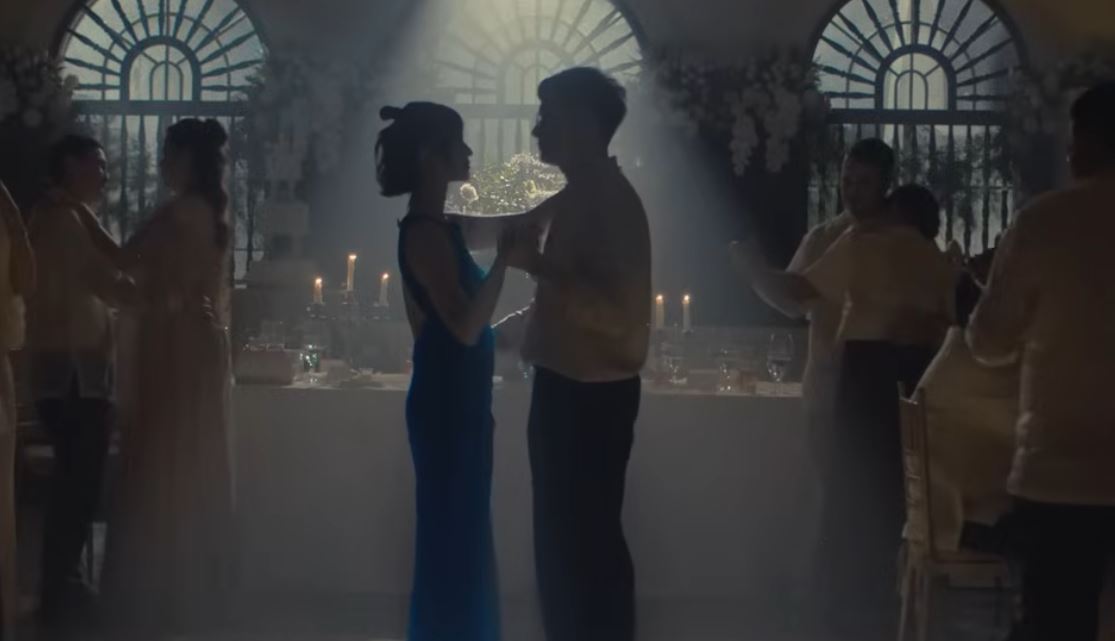
One of the film’s strongest elements is its visual storytelling. The present timeline is depicted in stark black and white, symbolizing the stripped-down reality of a long-term relationship. Meanwhile, point-of-view shifts are subtly marked through color — representing Ellie’s and Eric’s perspective.
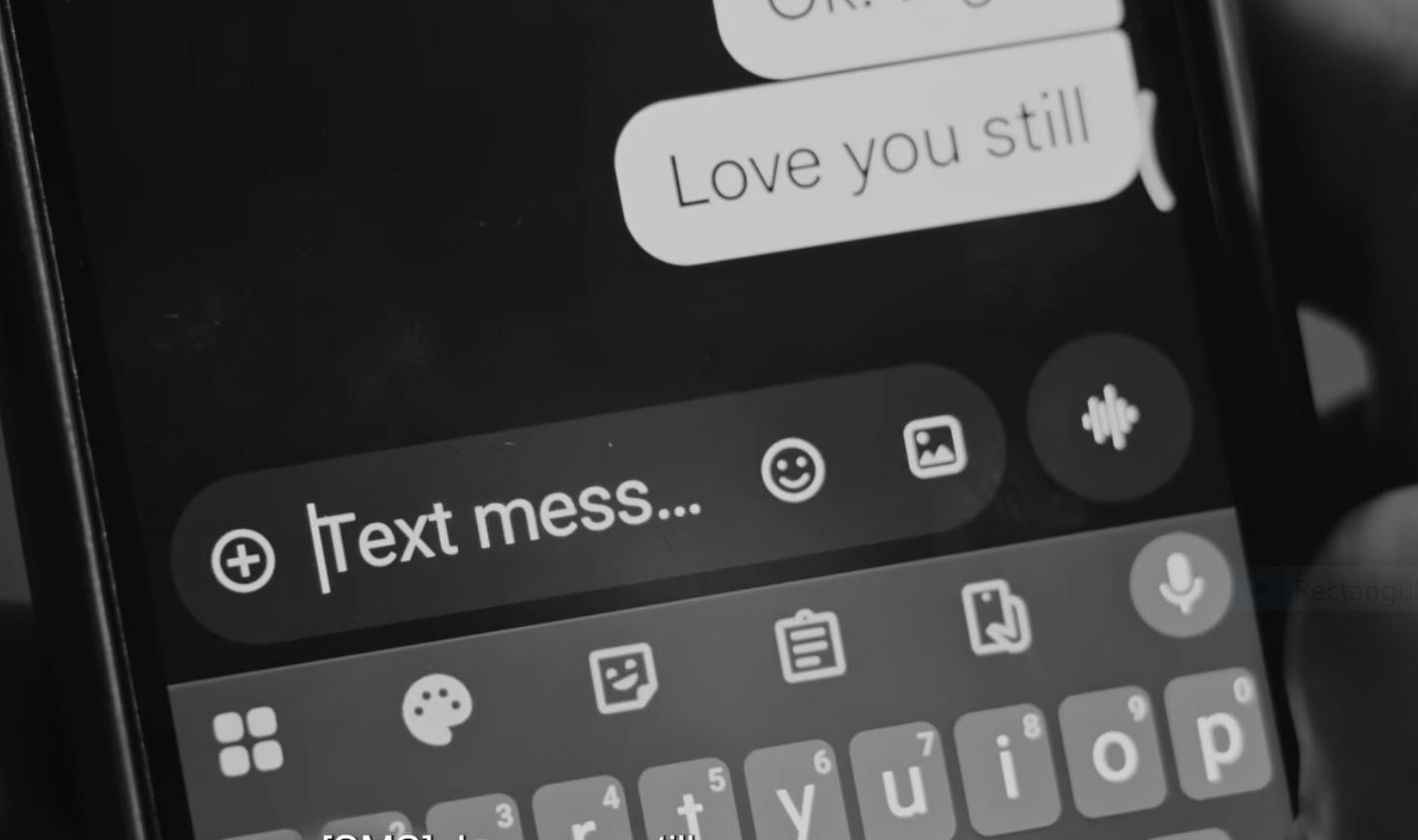
The technique requires viewers to pay close attention, as each scene carries emotional weight depending on whose version of the story is unfolding. At its core, The Loved One examines the painful question of who sacrificed more. From Eric’s perspective, he is the one who waited, compromised, and fought to keep the relationship alive, even as he wrestled with his own shortcomings. His narrative frames him as someone trying to save what they built, despite making grave mistakes, including infidelity. Ellie’s point of view, however, tells a quieter but equally heartbreaking story. While she may appear to be the one who gave up first, the film suggests that letting go can sometimes be the final act of love. Her struggle reflects someone who fought to hold everything together until staying meant causing more harm than healing.
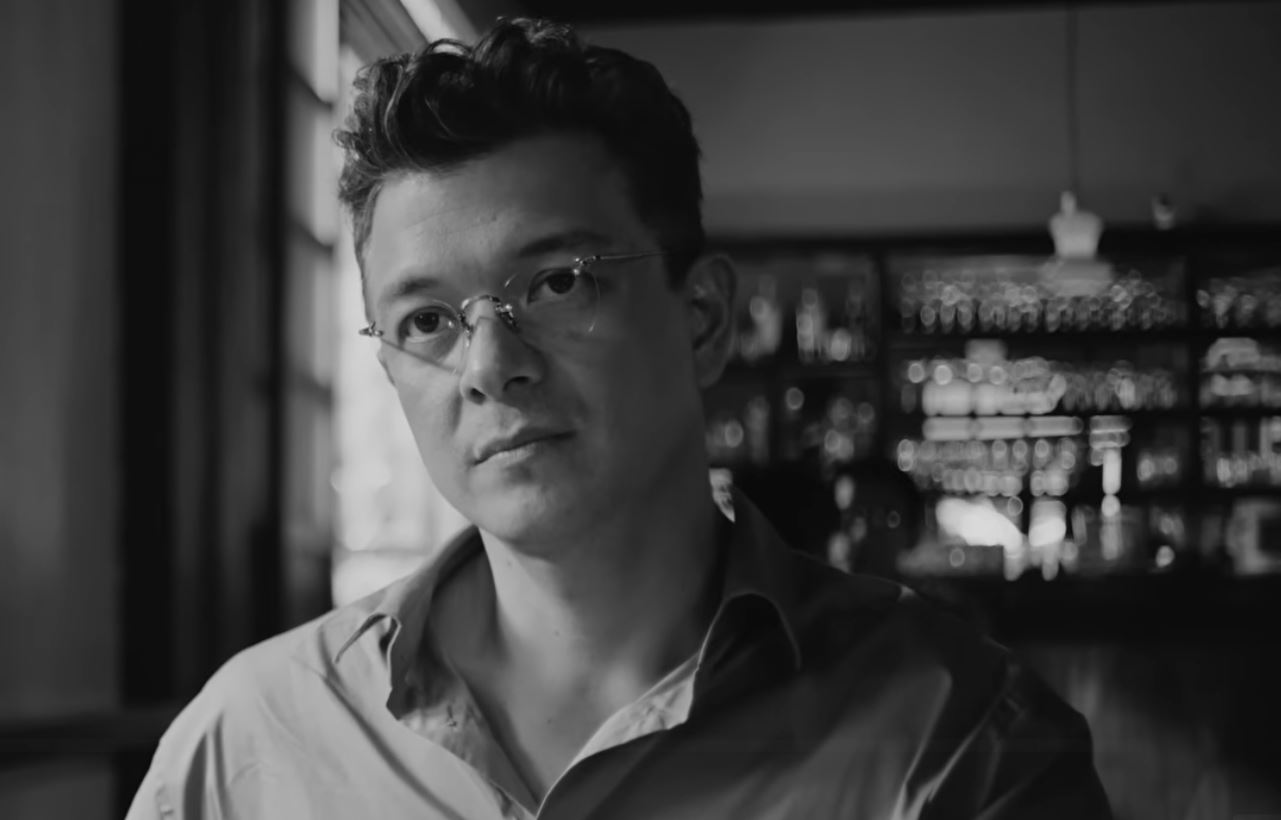
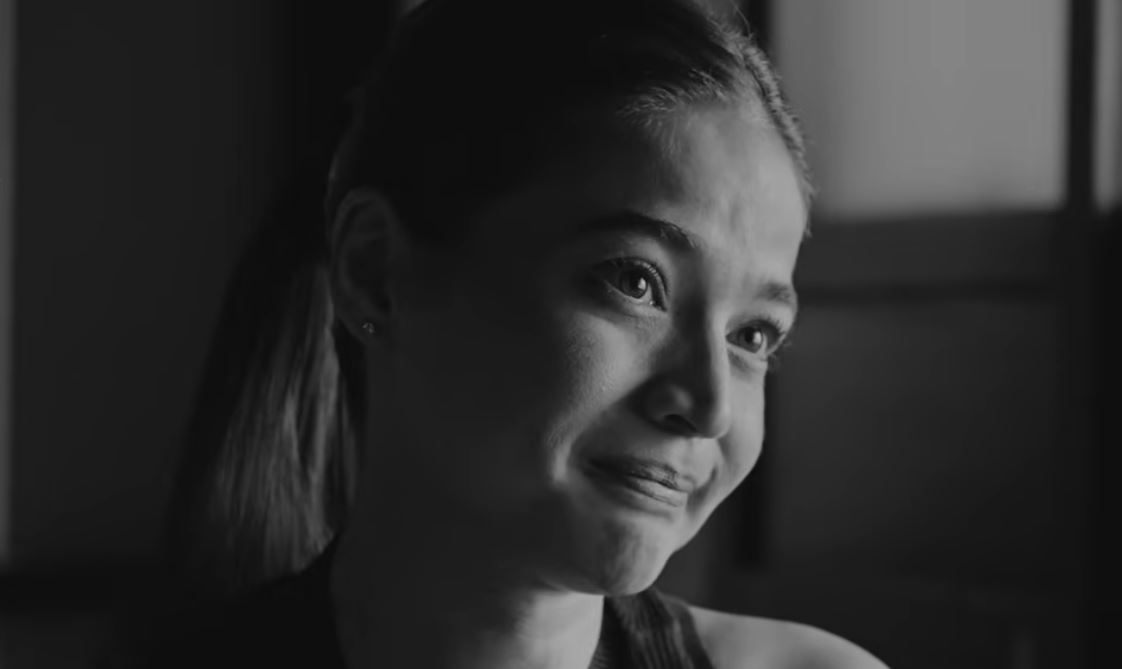
The film concludes with an open-ended finale, fading into black and white — a powerful metaphor for how even the most vibrant love stories can lose their color depending on whose memory tells them. Rather than delivering a fairy-tale ending, the film offers something more grounded: a reminder that love is not always about who stays the longest, but sometimes about who loves enough to let go. With compelling performances from Curtis and Rosales, and a thoughtful approach to narrative perspective, The Loved One stands as a reflective Valentine’s season release. It is a story about holding on and knowing when to release, about pride and vulnerability, and about the complicated beauty of loving someone in different ways. In the end, the film leaves audiences with no single answer — only the realization that love, in all its forms, remains both fragile and powerful.