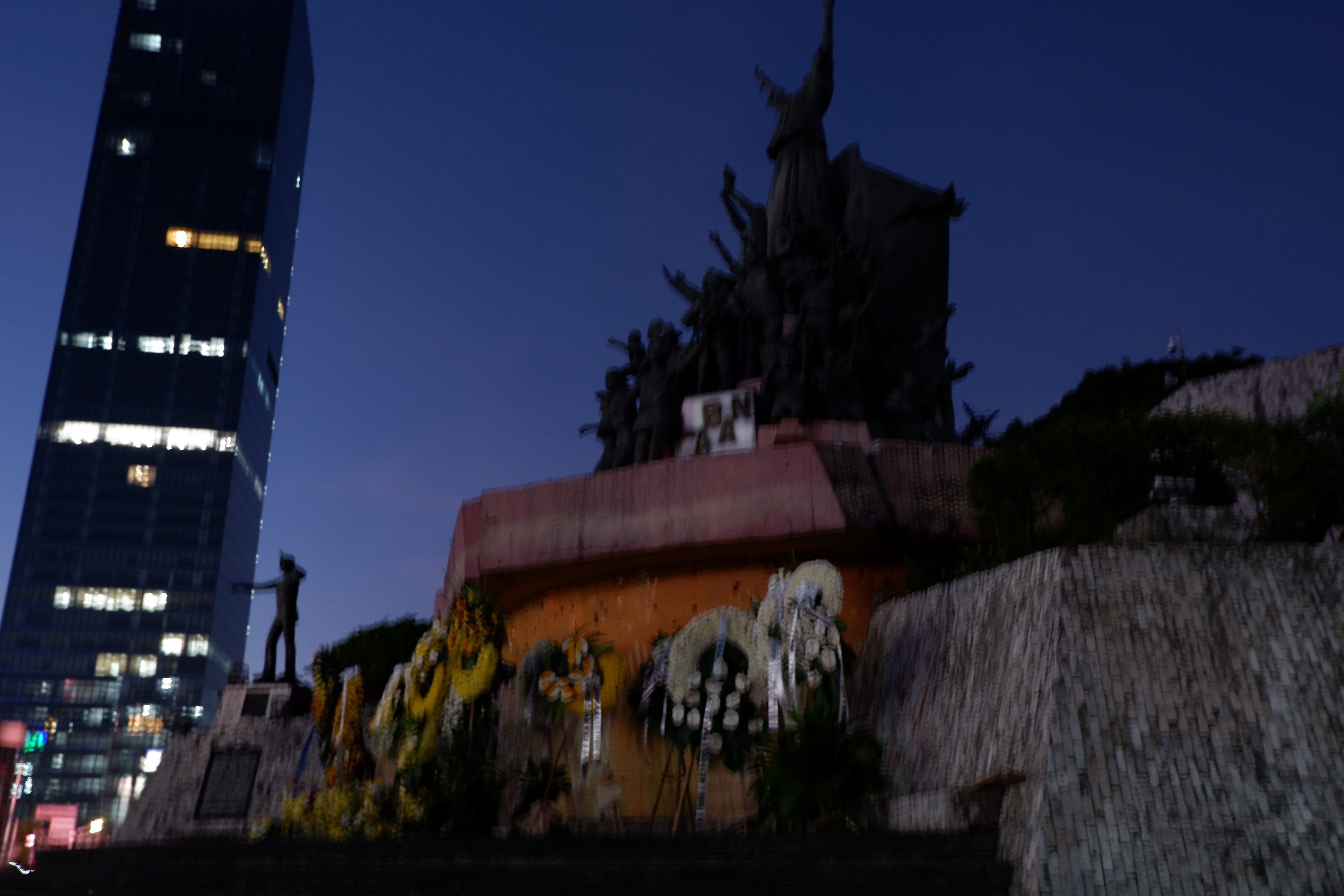

QUEZON CITY, Philippines — Forty years ago, Filipinos filled a stretch of highway that would soon become a global symbol of peaceful resistance. On February 26, the nation marked the 40th anniversary of the first EDSA Revolution, a historic uprising that led to the fall of a 20-year dictatorship and restored democratic institutions in the country.
In February 1986, millions gathered along Epifanio de los Santos Avenue in what is now known as the EDSA People Power Revolution. The largely bloodless revolt forced then-President Ferdinand Marcos to flee the country, ending two decades of authoritarian rule marked by martial law, censorship, and human rights violations. Often described as one of the proudest moments in Philippine history, EDSA became a testament to Filipino courage and unity. Religious leaders, civilians, soldiers, and activists stood side by side, armed not with weapons but with prayers, flowers, and an unwavering demand for change.
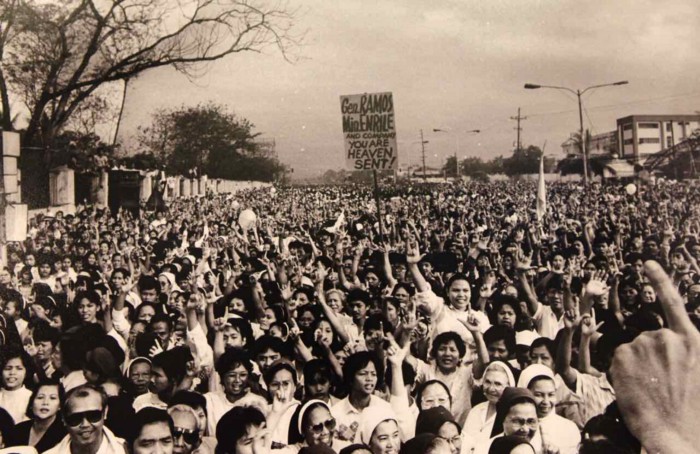
For many Filipinos born after 1986, the revolution lives on through documentaries, archived footage, and stories told by those who witnessed it firsthand. History books recount how a divided nation found common ground in its call to reclaim democracy. Yet, four decades later, questions linger about how deeply the lessons of EDSA have taken root. The anniversary comes at a time when the presidency is once again held by a Marcos — Ferdinand Marcos Jr., the son of the late dictator.
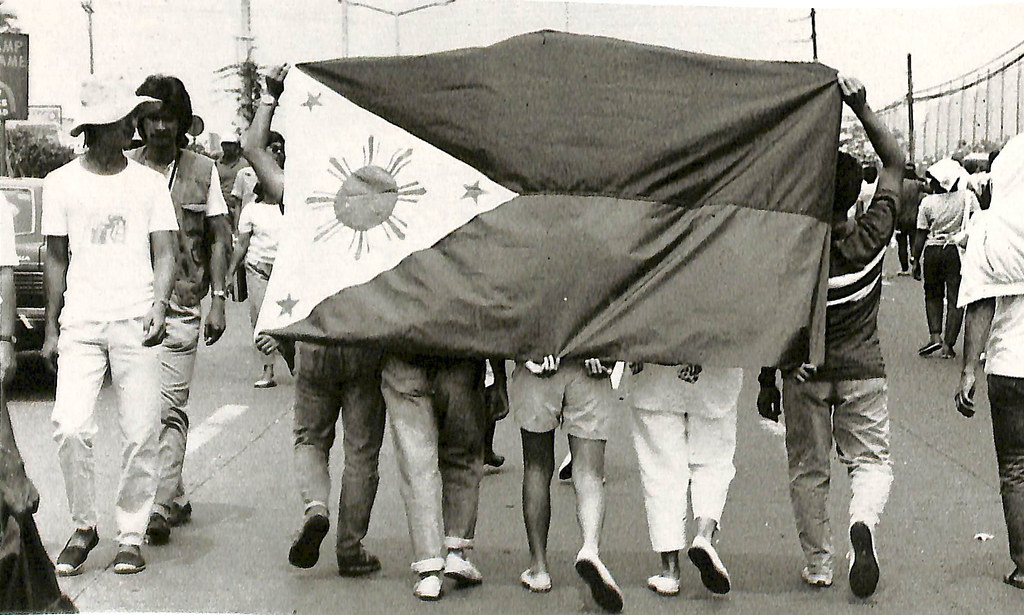
The current administration’s decision not to declare the anniversary a special non-working holiday has sparked discussions among various groups about remembrance, accountability, and the preservation of historical memory. Critics argue that failing to formally commemorate the day risks diminishing its significance, while supporters say the spirit of EDSA extends beyond holiday declarations. Regardless of political stance, the debate underscores an enduring reality: the revolution’s legacy remains contested ground. Standing at the heart of Quezon City, the EDSA Shrine continues to serve as a physical reminder of the four days in February when ordinary citizens altered the course of national history.
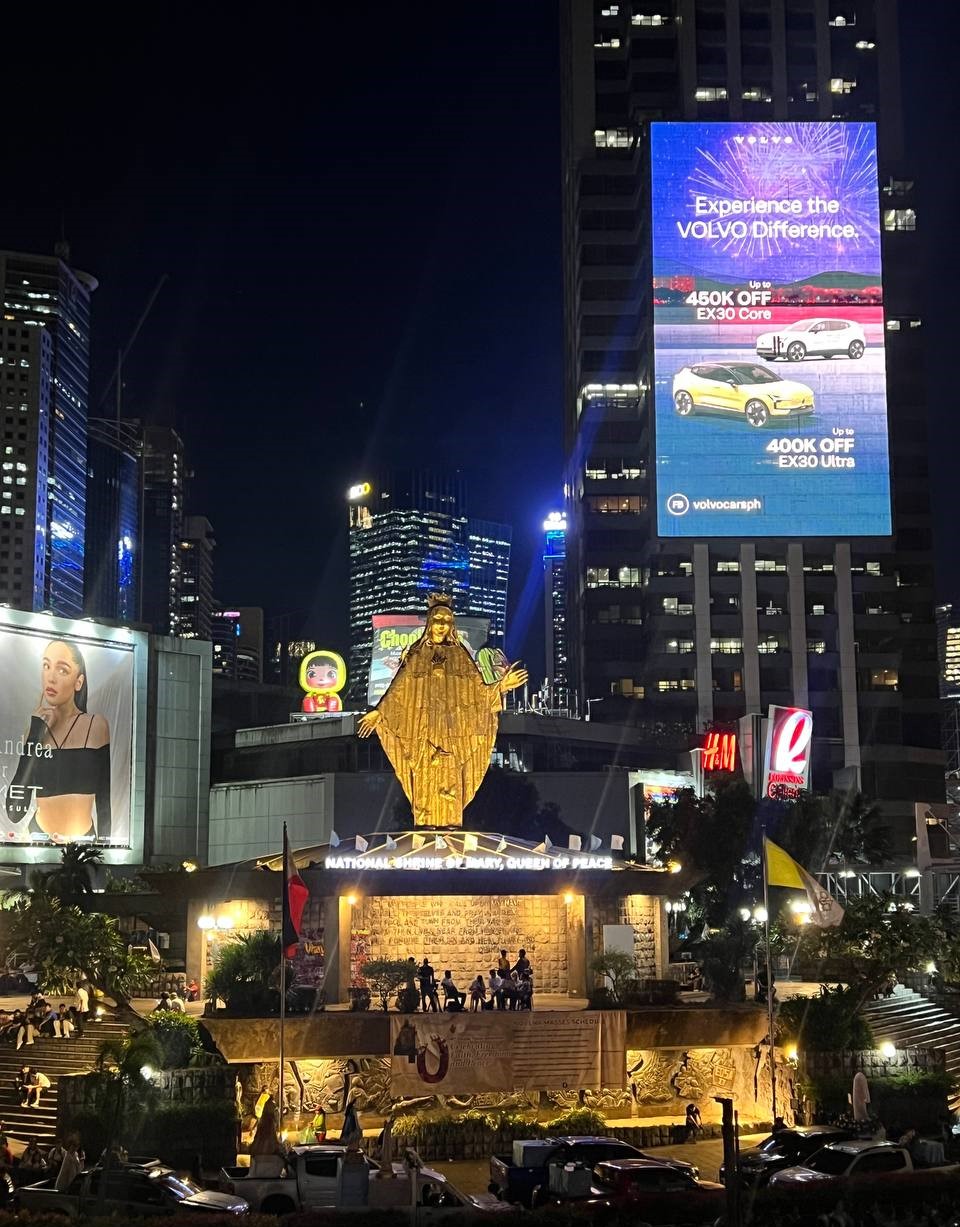
The monument symbolizes a moment when power shifted back to the people — a defining chapter that drew international praise and inspired other peaceful movements worldwide. While some Filipinos have moved forward and others may have grown distant from the memory of 1986, historians emphasize that remembrance is not merely ceremonial. It is an act of passing on collective experience to the next generation — a reminder that democracy demands vigilance.
Forty years on, the story of EDSA remains more than a historical milestone. It is a continuing conversation about freedom, responsibility, and the kind of nation Filipinos aspire to build.