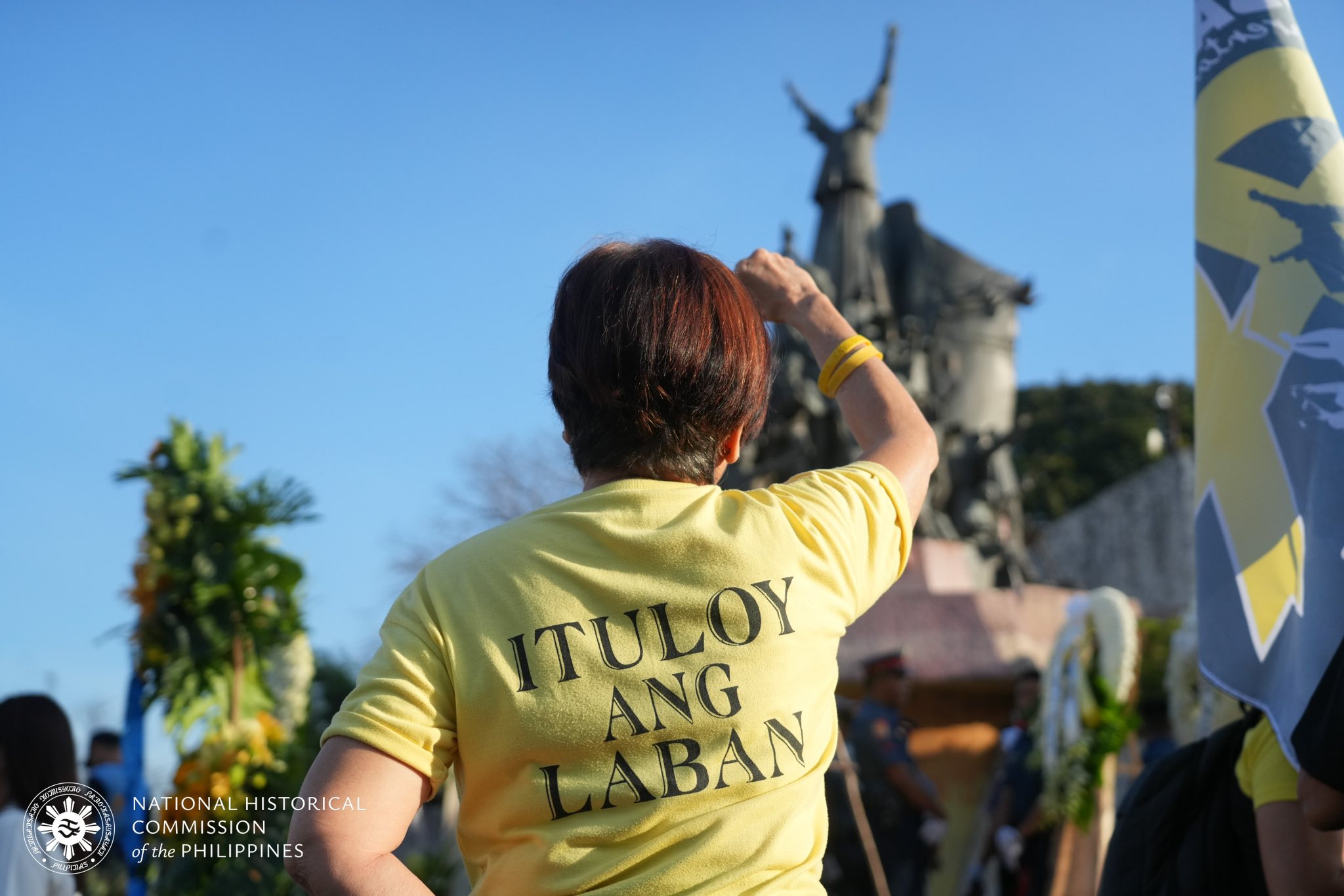

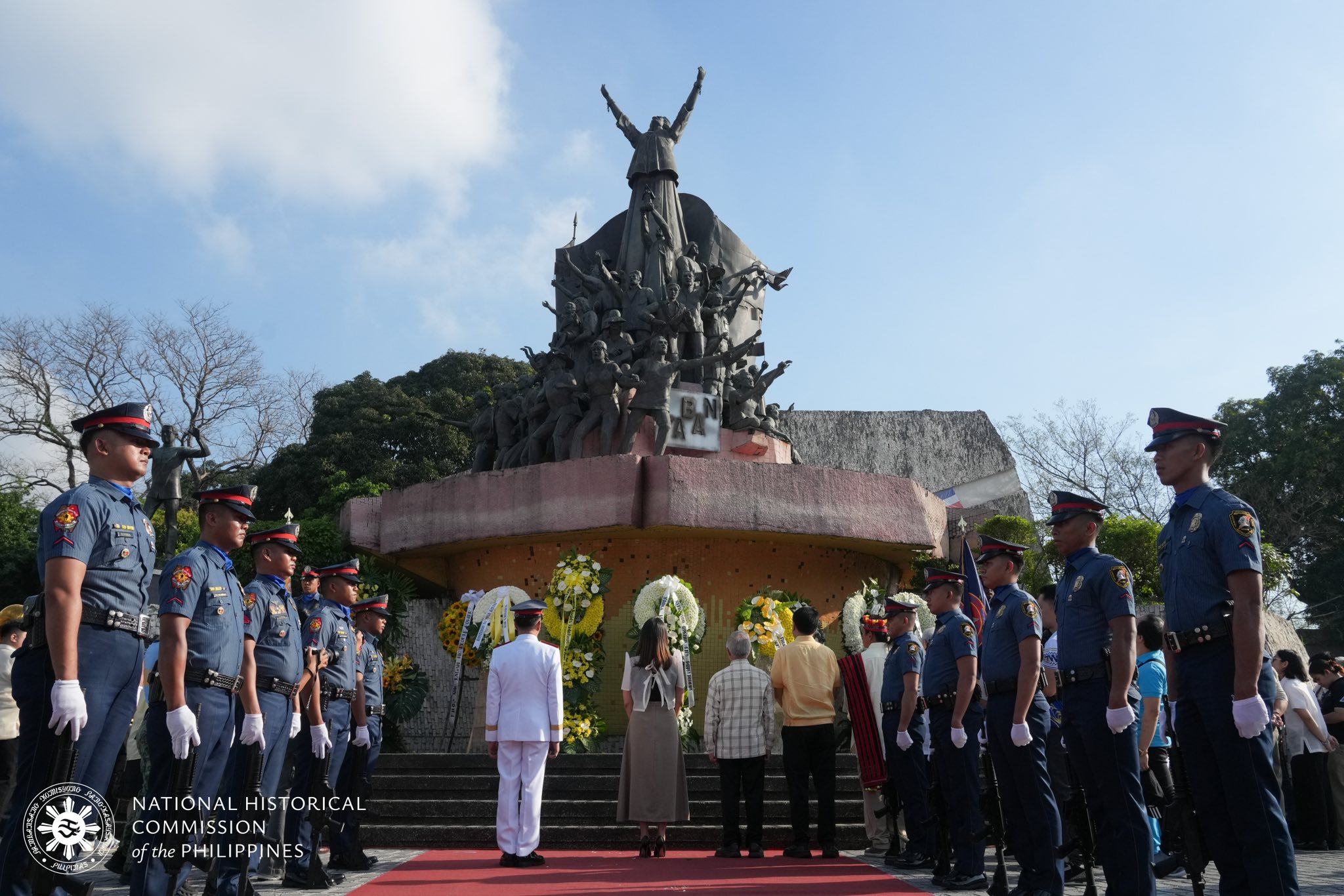
The 40th anniversary of the 1986 People Power Revolution was commemorated through a simple but solemn wreath-laying ceremony at the People Power Monument in Quezon City, led by the National Historical Commission of the Philippines (NHCP), together with the local government and the security sector. The ceremony was held on 25 February 2026, with a follow-up wreath-laying activity at the monument on the morning of 26 February 2026.
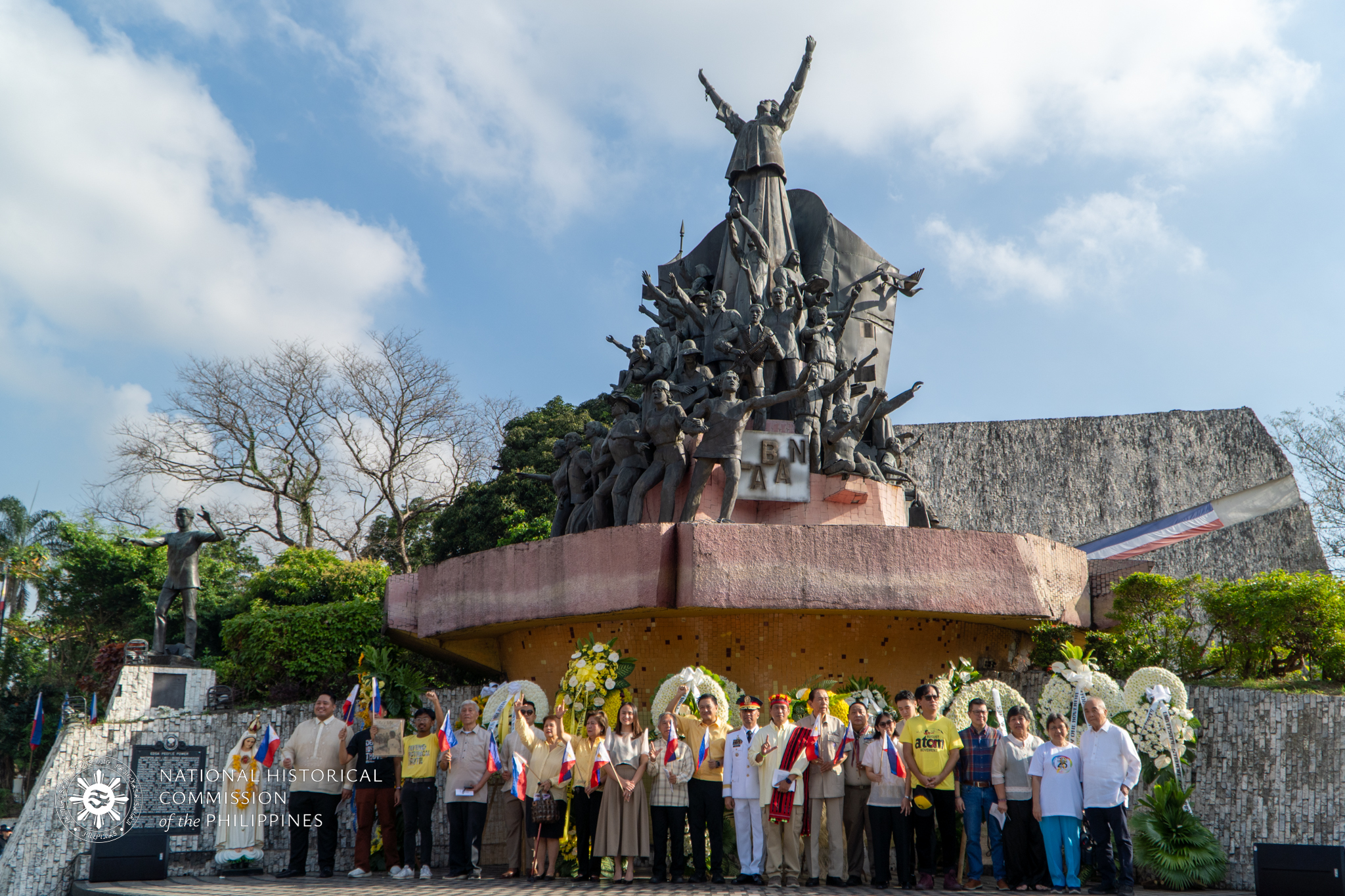
NHCP Chair Regalado Trota Jose Jr. joined representatives from various groups, including Councilor Ally Medalla, who represented Mayor Maria Josefina Belmonte; Acting Executive Director Lawrence Charles Salazar of the Human Rights Violations Victims’ Memorial Commission; and Atty. Lorenzo Tañada III and former Representative Teodoro Baguilat Jr. of the Liberal Party.
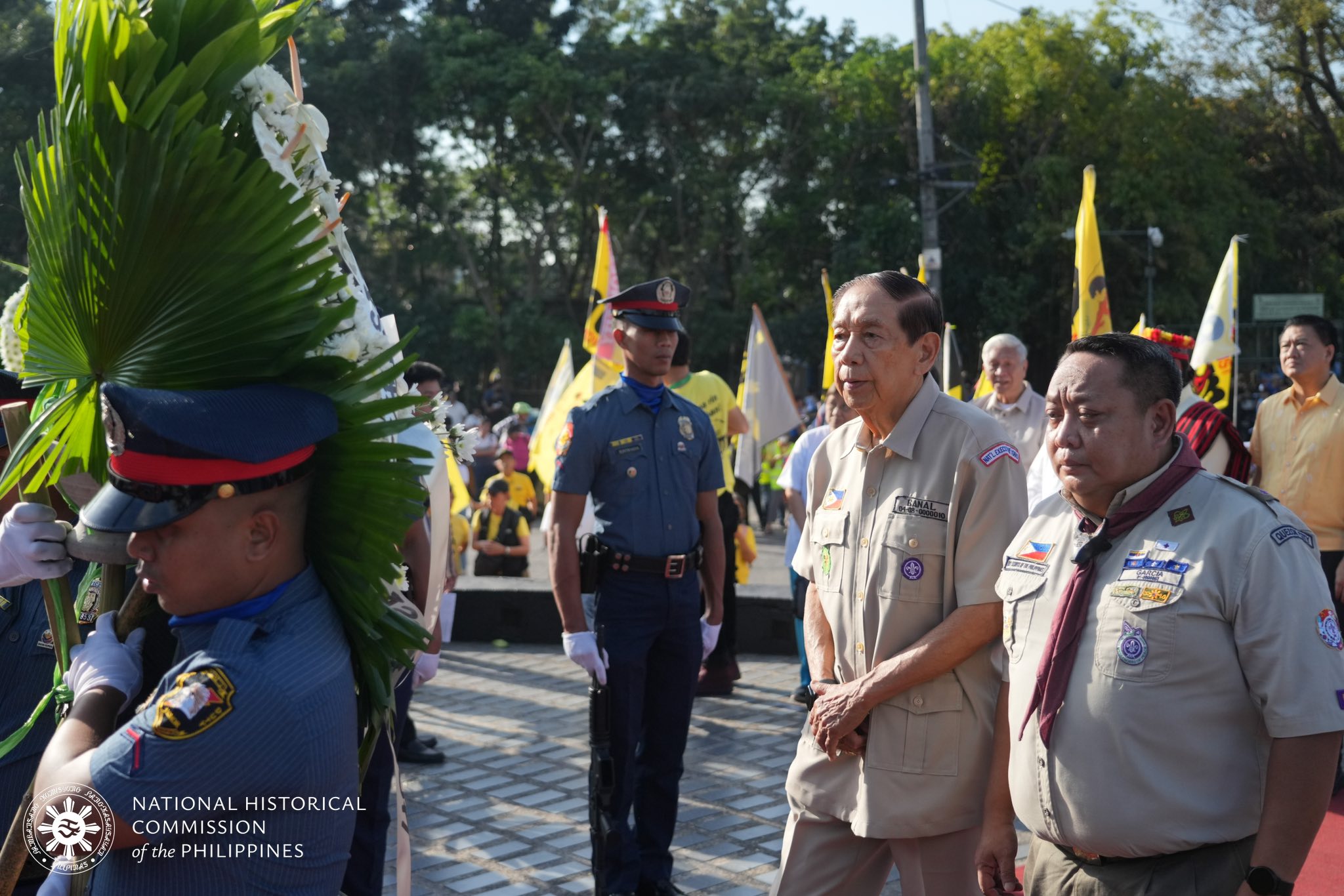
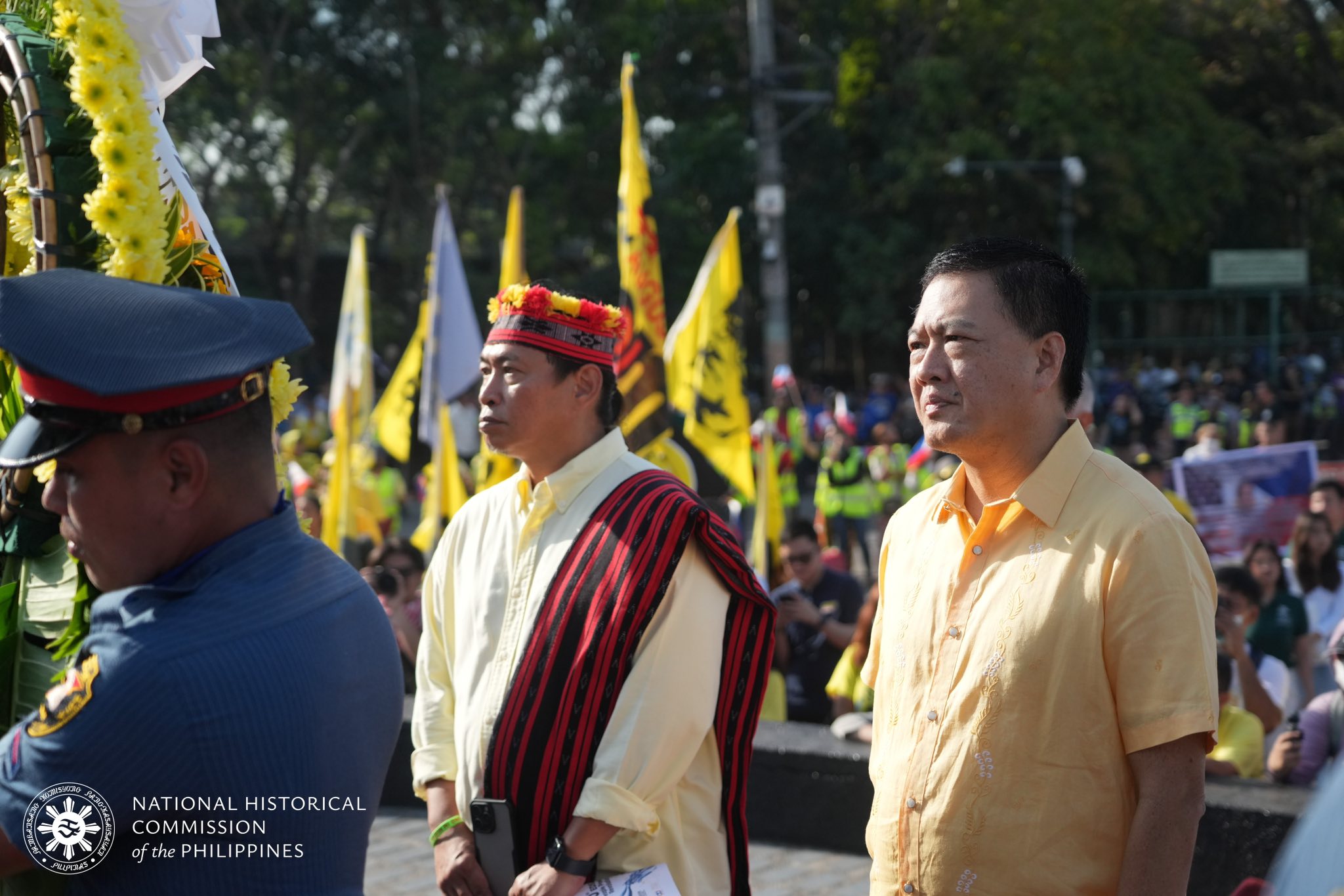
Also present were leaders and members of several civic and academic organizations, including the Bantayog ng mga Bayani Foundation, the August Twenty-One Movement (ATOM), the Chino Roces Foundation, Project Gunita PH, the Boy Scouts of the Philippines, the Ateneo Martial Law Museum and Library, and the student government of De La Salle University.
Participants offered flowers at the monument following the singing of the Philippine national anthem, a simultaneous pledge of allegiance to the flag, and a short invocation.
Remembering the 1986 People Power Revolution
The commemoration highlighted the historical significance of the events from 22 to 25 February 1986, when millions of Filipinos took to the streets to express collective discontent and call for the restoration of civil liberties during the final days of the martial law era.
The revolution unfolded along Epifanio de los Santos Avenue (EDSA), particularly between the military camps of Camp Aguinaldo and Camp Crame.
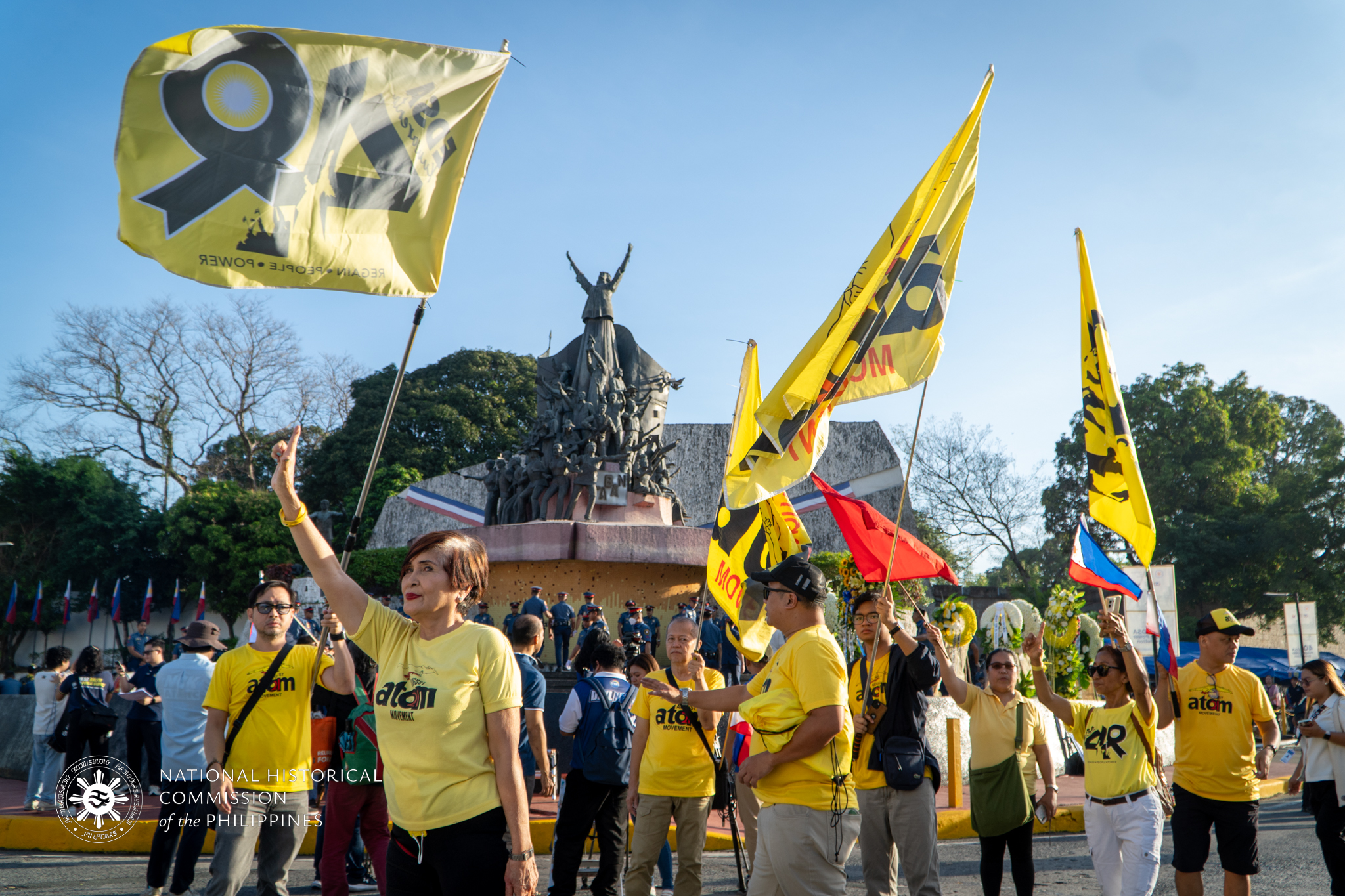
Members of the Reform the Armed Forces Movement (RAM) initially sought civilian support amid fears of a possible loyalist attack. ATOM founder Agapito “Butz” Aquino later called on supporters to gather in Cubao, while Manila Archbishop Jaime Cardinal Sin used Radio Veritas to urge the public to gather along EDSA to help protect the rebel forces led by then Defense Minister Juan Ponce Enrile and AFP Vice Chief of Staff Lt. Gen. Fidel V. Ramos.
Over the next three days, millions of unarmed civilians stood in prayer and solidarity, confronting heavily armed troops and tanks by offering rosaries, guitars, food, and flowers. The peaceful civilian mobilization helped prevent widespread violence and loss of life.
The movement quickly spread across the archipelago, with Filipinos in various regions holding their own demonstrations inspired by events in Metro Manila.
Restoration of freedoms and democratic legacy
The People Power Revolution culminated on 25 February 1986 with the inauguration of Corazon Aquino as president, marking the restoration of democratic governance after the martial law period.
The revolution also paved the way for the ratification of the 1987 Constitution of the Philippines, which reinstated key civil liberties that had been restricted during the previous regime.
Since then, People Power has become a global symbol of peaceful mass action and civic solidarity, inspiring similar movements in other countries.
NHCP message
The NHCP said the commemoration serves as a reminder that the values of People Power should remain relevant in contemporary society.
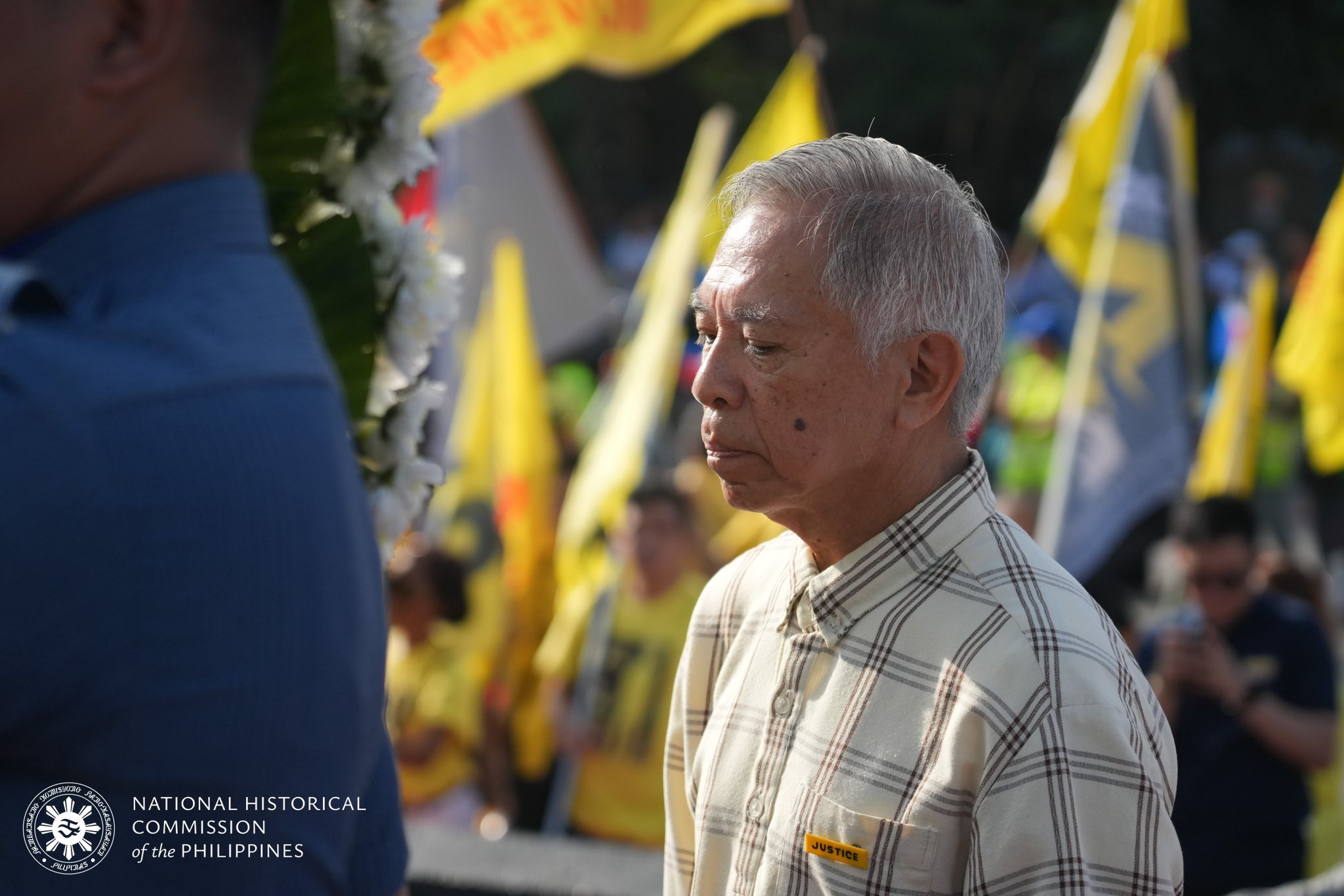
“The NHCP hopes that the values of People Power remain strong and relevant within the consciousness of our people, in the same way that our history guides us toward a better future,” the commission said.
Continuing remembrance
The 40th anniversary rites underscored the importance of preserving historical memory and promoting civic responsibility among Filipinos as the country reflects on one of the most defining moments in its modern history.