

In the midst of growing concerns over the state of the country’s tourism sector, travelers and industry stakeholders alike are increasingly vocal about something that goes far beyond glossy advertising campaigns and overseas promotions — they want substantial improvements in infrastructure and basic services before they return in larger numbers to the Philippines.
According to travel advocates and tourism experts, the Philippines’ internationally marketed image as an exotic, island‑rich destination isn’t enough on its own to sustain growth in visitor numbers. While decades of tourism campaigns have helped raise the nation’s profile abroad, tourists are now emphasizing that they value convenience, safety, and efficient transportation even more than promotional messaging.
Rising Costs, Difficult Travel Links Concern Visitors
Post‑pandemic travel dynamics have seen tour prices in the Philippines spike considerably — a trend driven by increased operational costs, higher hotel and service rates, and, critics say, inadequate investment in transport and access infrastructure. Travelers report frustrations ranging from limited flight connections to congested airports to poorly signposted ground transportation, with some saying these challenges significantly detract from the overall experience.
These infrastructure shortfalls are not just minor inconveniences; they are now cited as core factors affecting inbound tourism decisions, especially when visitors are deciding between the Philippines and other Southeast Asian destinations like Thailand or Vietnam, where connectivity and mobility are generally seen as more accessible.
Calls for Investment in Airports, Roads, Ferries and Safety
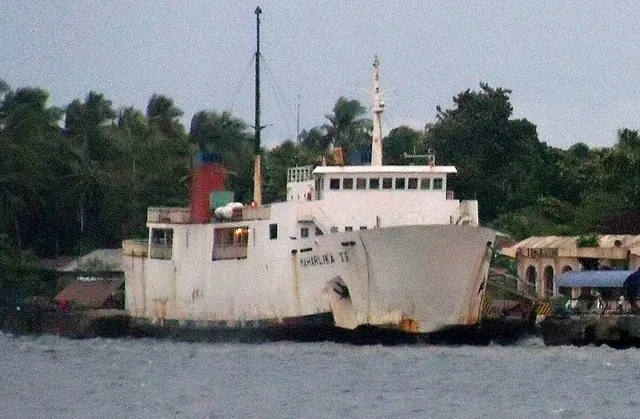
Travel industry figures and Philippine tourism observers argue that money spent on marketing campaigns yields limited returns if the underlying travel environment remains fragmented. Many foreign visitors find that domestic flight schedules are sparse, transfer services between islands are inconsistent, and opportunities to explore multiple regions on a single trip are hindered by infrastructure bottlenecks.
Beyond flights and ferries, public safety and transport clarity — from clearer shuttle signage at major airports to more reliable inter‑island connections — are seen as essential. Many tourists have pointed out that simply improving these structural and logistical aspects of travel could do far more for the Philippines’ tourism competitiveness than banner ads or sponsorship deals overseas.
Long‑Term Strategy Needed Over Short‑Term Buzz
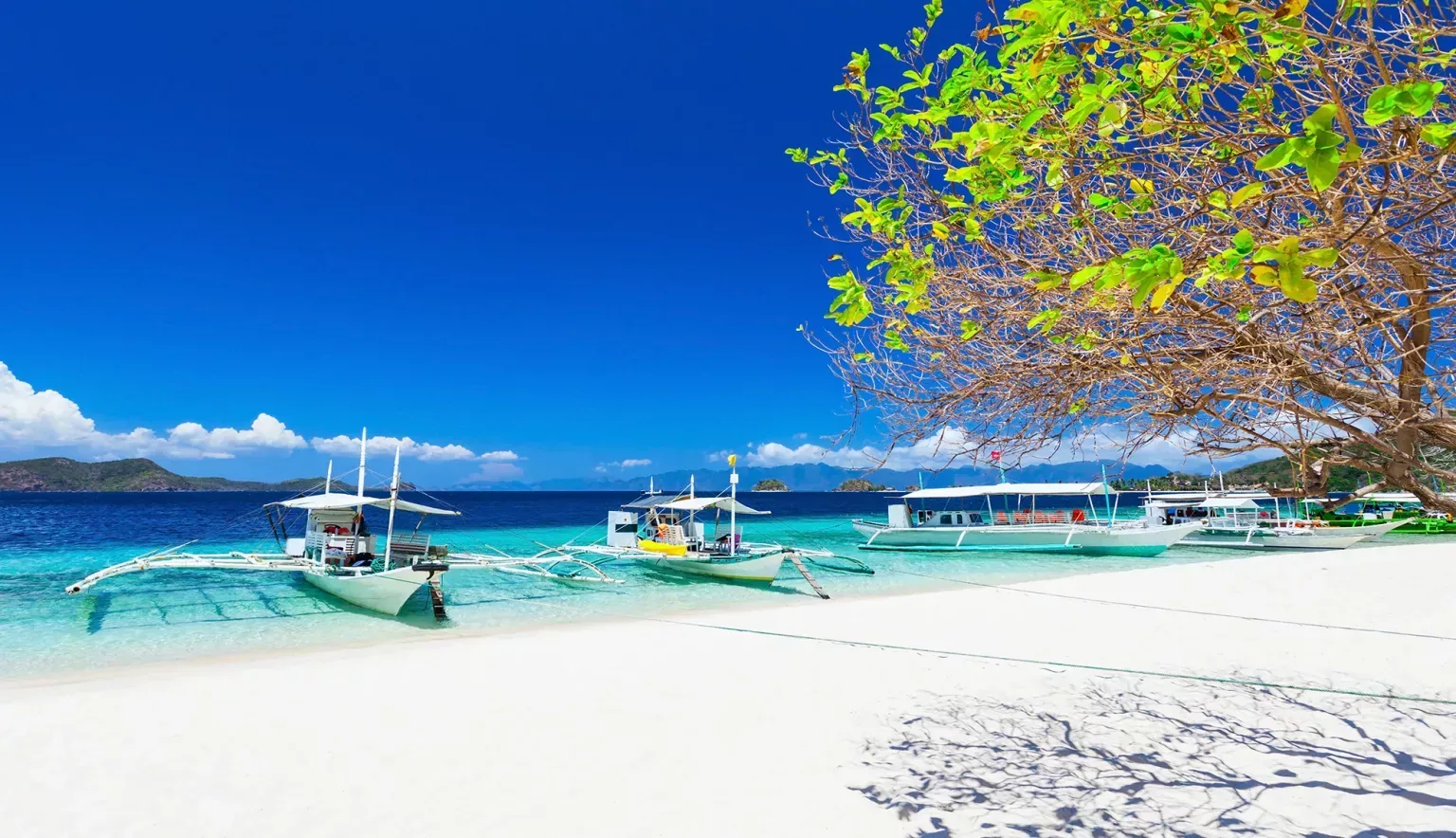
Analysts note that while promotional efforts still have an important role — particularly in rekindling global interest after pandemic disruptions — they must be accompanied by tangible improvements in infrastructure, security, and service delivery if the Philippines intends to meet international visitor targets and keep pace with regional peers.
For many stakeholders, the future of Philippine tourism hinges on a shift from marketing to meaningful investment in the groundwork that makes travel safe, smooth and affordable. Without such reforms, critics warn, the country risks missing out on vast opportunities in a tourism market increasingly characterized by traveler expectations of quality infrastructure and seamless logistics.