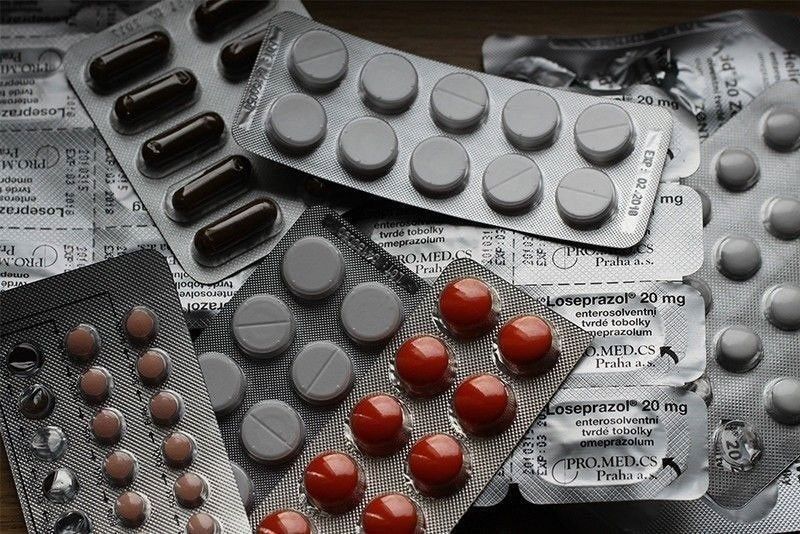

The pharmaceutical landscape in the Philippines is undergoing a seismic shift as the generic medicine market accelerates toward a projected valuation of P400 billion by the end of the decade. This aggressive growth trajectory reflects a fundamental change in consumer behavior, heightened government intervention, and an increasingly robust local manufacturing sector. As healthcare costs continue to be a primary concern for Filipino households, the transition from high-priced branded counterparts to affordable, quality-tested generics has moved from a mere alternative to a mainstream economic necessity.
Driving Factors of Market Expansion
Several critical pillars are supporting this multi-billion peso expansion. The primary catalyst remains the persistent demand for affordable healthcare solutions among the growing middle-class and low-income populations. With chronic lifestyle diseases such as hypertension and diabetes on the rise, the need for long-term, sustainable medication has made generic options the logical choice for millions. Furthermore, the expansion of the Universal Health Care (UHC) Act has placed generic drugs at the center of government procurement and public health distribution, ensuring a steady and massive volume of trade for players in this space.
Strengthening Regulatory Trust and Quality Assurance
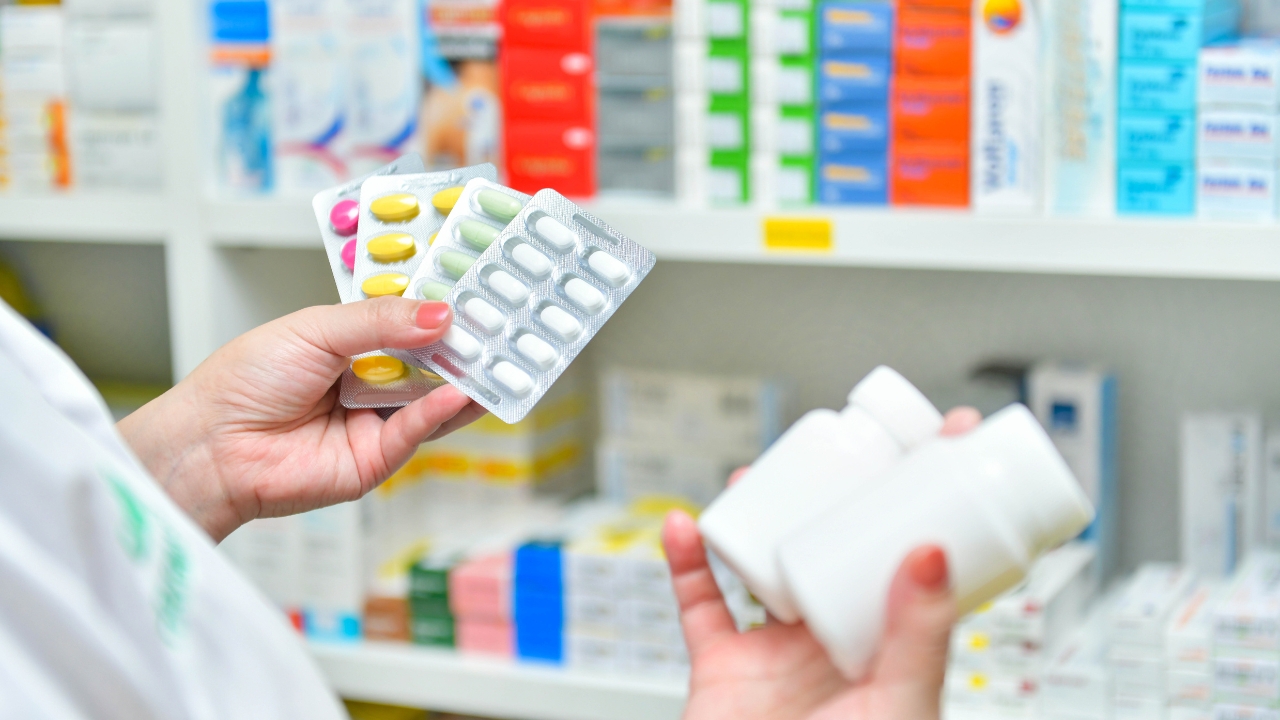
A significant barrier to generic adoption in the past was the perceived gap in quality compared to “innovator” brands. However, the Food and Drug Administration (FDA) of the Philippines has significantly tightened its bioequivalence standards and manufacturing inspections, aligning local requirements with international benchmarks. This heightened regulatory environment has fostered a new era of trust. Today, both medical practitioners and patients are more confident in the efficacy of generic formulations, recognizing that affordability does not equate to inferior quality. This psychological shift is a major contributor to the projected CAGR (Compound Annual Growth Rate) that will carry the market to the P400 billion mark.
The Role of Retail Pharmacies and Local Manufacturing
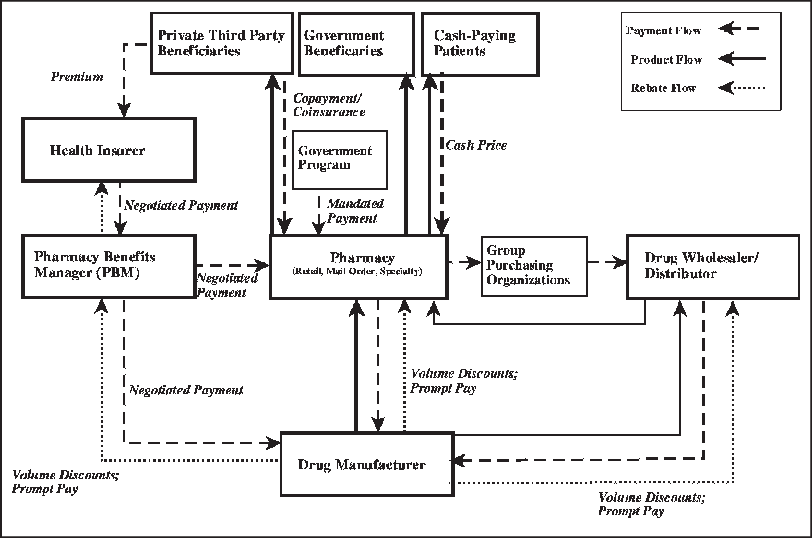
The proliferation of generic-specialty pharmacy chains across the archipelago has played a decisive role in making these medicines accessible. By establishing a presence in second and third-tier cities, these retailers have effectively decentralized the pharmaceutical market. Simultaneously, local manufacturers are scaling up their operations, investing in state-of-the-art facilities to reduce the country’s reliance on imported active pharmaceutical ingredients (APIs). This vertical integration within the local industry is expected to keep prices competitive while ensuring a more resilient supply chain that can withstand global market fluctuations.

A Future of Integrated Healthcare
Looking toward 2030, the generic medicine sector is poised to become the backbone of the Philippine healthcare system. The integration of digital health platforms and e-pharmacy services is expected to further catalyze growth, allowing for more streamlined distribution and better patient adherence. As the market approaches the P400 billion milestone, it represents more than just a fiscal achievement; it serves as a testament to the country’s progress in achieving health equity, ensuring that essential, life-saving medication is within reach of every Filipino, regardless of economic standing.
With additional report: philstar.com