
THE HAGUE, Netherlands — Prosecutors at the International Criminal Court (ICC) have laid out in detail the alleged roles of several senior Philippine officials and security commanders accused of acting as co-perpetrators in extrajudicial killings tied to former President Rodrigo Duterte’s controversial war on drugs.
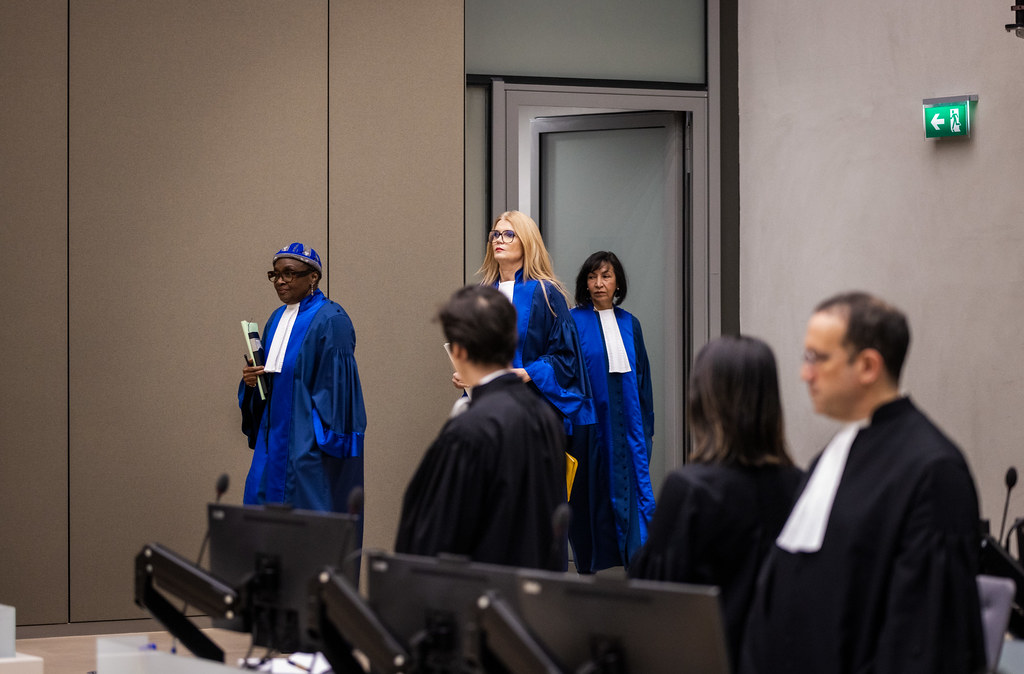
During a hearing this week in The Hague, ICC lawyers explained how individuals besides Duterte are alleged to have helped plan, coordinate and implement operations in which hundreds of suspected drug suspects were killed, according to court filings.
Prosecutors Allege Shared Criminal Plan
Prosecutors told judges that the killings were not the work of rogue agents, but part of a common plan involving Duterte and his inner circle to “neutralise” suspected narcotics personalities through lethal force. Those named include high-ranking police officials, former agency heads and lawmakers who are alleged to have exercised authority over units that carried out deadly operations.
According to details outlined by the ICC Office of the Prosecutor, these individuals allegedly:
- Supervised, coordinated or facilitated anti-drug operations linked to unlawful killings.
- Had authority over police and enforcement units implicated in the violence.
- Failed to prevent, punish or halt killings under their command.
Who Are the Co-Perpetrators?
While the full ICC list has not been published publicly, international media and Philippine press reports identify those implicated as including:
- Senators and former chiefs of the Philippine National Police
- Former heads of key law-enforcement agencies
- Senior police commanders involved in drug war raids
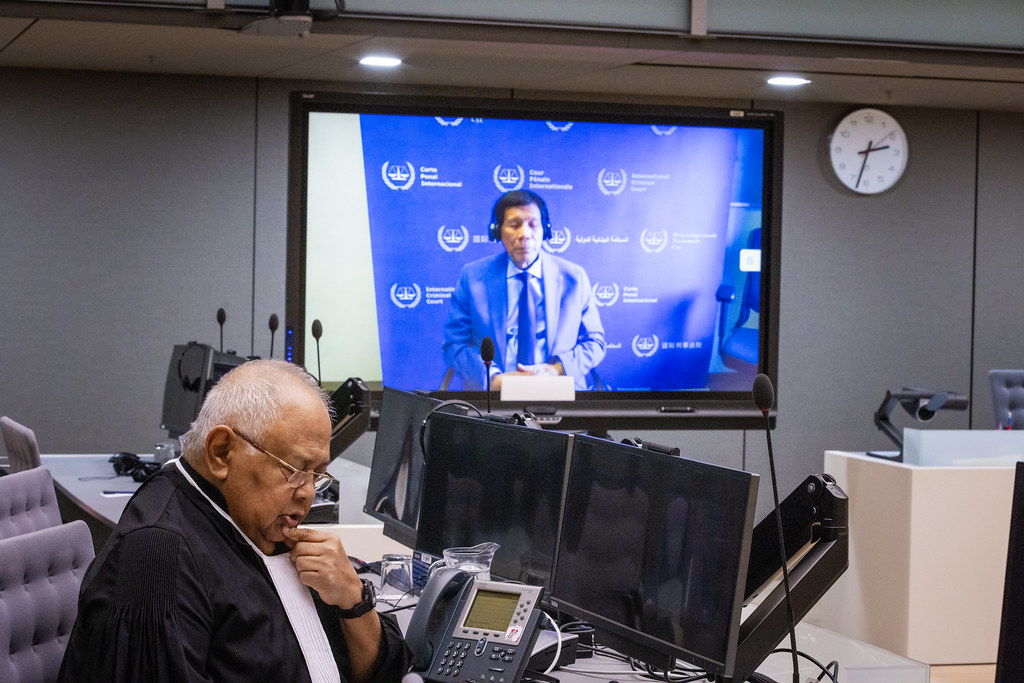
The ICC charges against Duterte himself include three counts of murder as crimes against humanity, covering dozens of incidents in which state forces allegedly carried out extrajudicial killings during and after his presidency.
Prosecutors Paint a Broader Picture
In court submissions, prosecutors emphasized that Duterte’s so-called “war on drugs” was enabled by a network of officials and commanders across law-enforcement and government agencies. They suggested that some perpetrators were motivated not just by orders, but by financial incentives and promises of immunity.
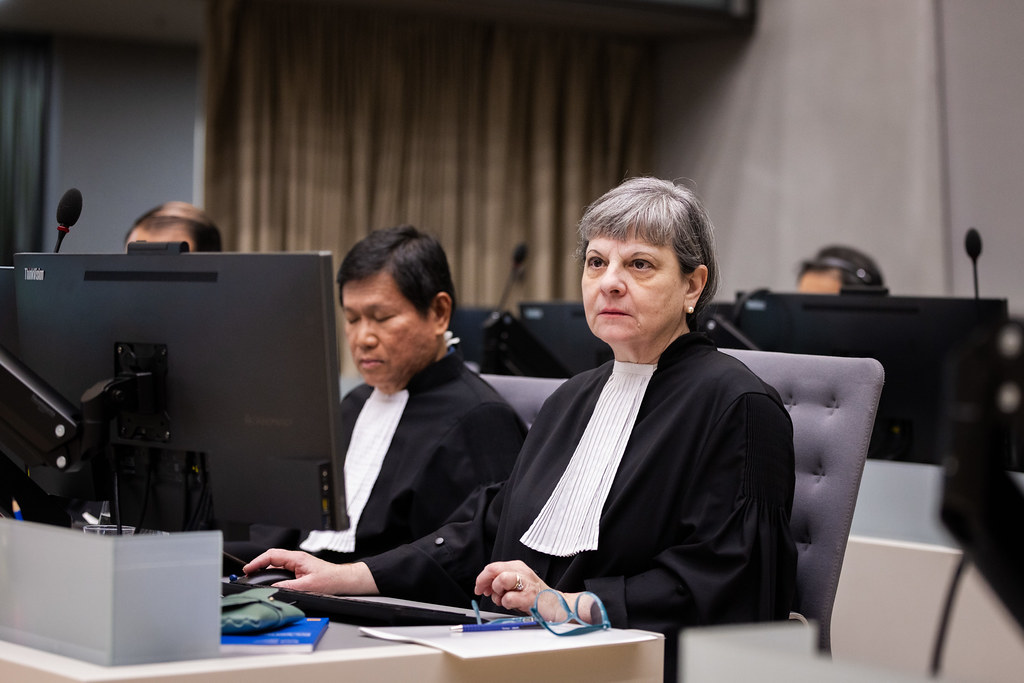
The ICC’s focus on co-perpetrators reflects prosecutors’ efforts to demonstrate that responsibility for the killings extended beyond Duterte to others in positions of authority who allegedly contributed to a culture of impunity.
What Happens Next
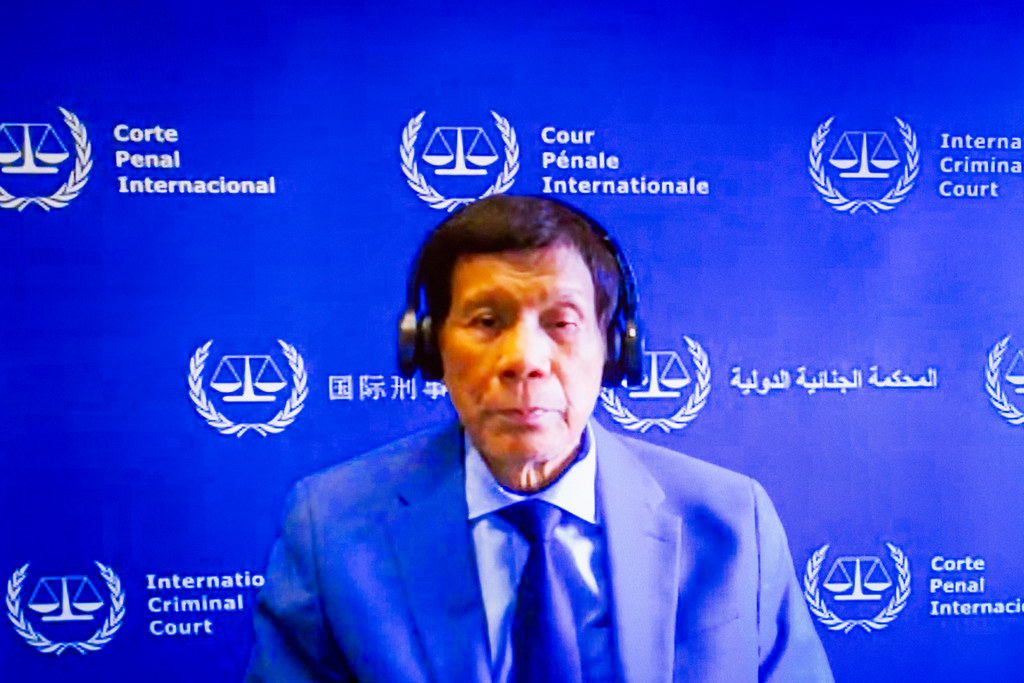
The current hearings — known as confirmation of charges — are designed to give judges a basis to decide whether there is sufficient evidence for the case to proceed to trial. Judges have up to 60 days after the hearing’s close to issue a ruling.
Duterte, who was arrested in The Hague in 2025, did not attend the hearings. His defense has called the charges politically motivated and denied that his rhetoric or policies amounted to criminal conduct.