
(TRIGGER WARNING: This article contains discussion of suicide and mental health struggles.)
A sitting senator’s recent remarks describing mental health concerns as a “weakness” among the current generation have sparked widespread backlash online, with advocates and netizens calling the statement harmful and misinformed.
In his speech, the senator suggested that the younger generation has become more emotionally fragile compared to previous decades — a claim that quickly made rounds on social media and was met with criticism from mental health advocates and members of the public.
Many online users said the remarks reflect an outdated mindset and contribute to stigma that prevents people from seeking help.
Mental Health Is Not a “Weakness,” Experts Say
Mental health advocates stressed that mental health conditions are not personality flaws, nor are they something that can simply be “toughened out.” They emphasized that mental illness is a real health concern that can affect anyone, regardless of age, gender, or background.
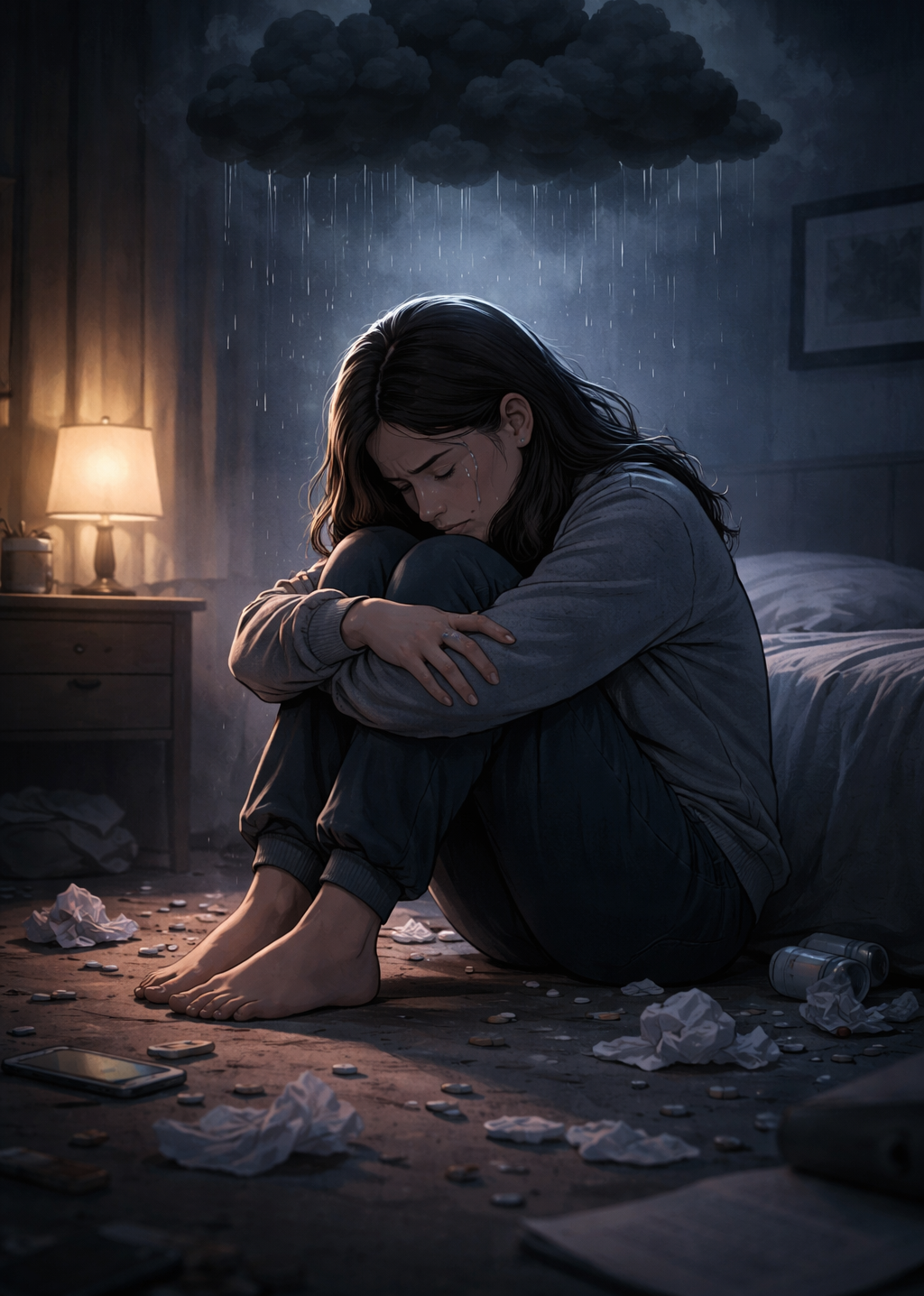
Supporters of mental health awareness also noted that symptoms may show in everyday life — including changes in lifestyle, communication, behavior, and relationships — and may go unnoticed or unacknowledged.
Suicide Data Highlights the Seriousness of the Issue
Data from the U.S. Centers for Disease Control and Prevention (CDC) shows that suicide remains a major public health concern. In the United States alone, more than 49,000 people died by suicide, with the CDC estimating one death every 11 minutes.
In the Philippines, a gender-based analysis released through the Tourism Promotions Board also highlights suicide trends in the country, showing how the issue cuts across different groups and requires stronger awareness, prevention, and support systems.
Advocates said these figures reflect the reality that mental health struggles are not a trend or a generational “excuse,” but a serious issue that affects individuals and families.
Advocates Warn Against Stigmatizing Language
Mental health groups warned that calling mental health struggles a weakness may discourage people from opening up, especially those already dealing with internal battles.
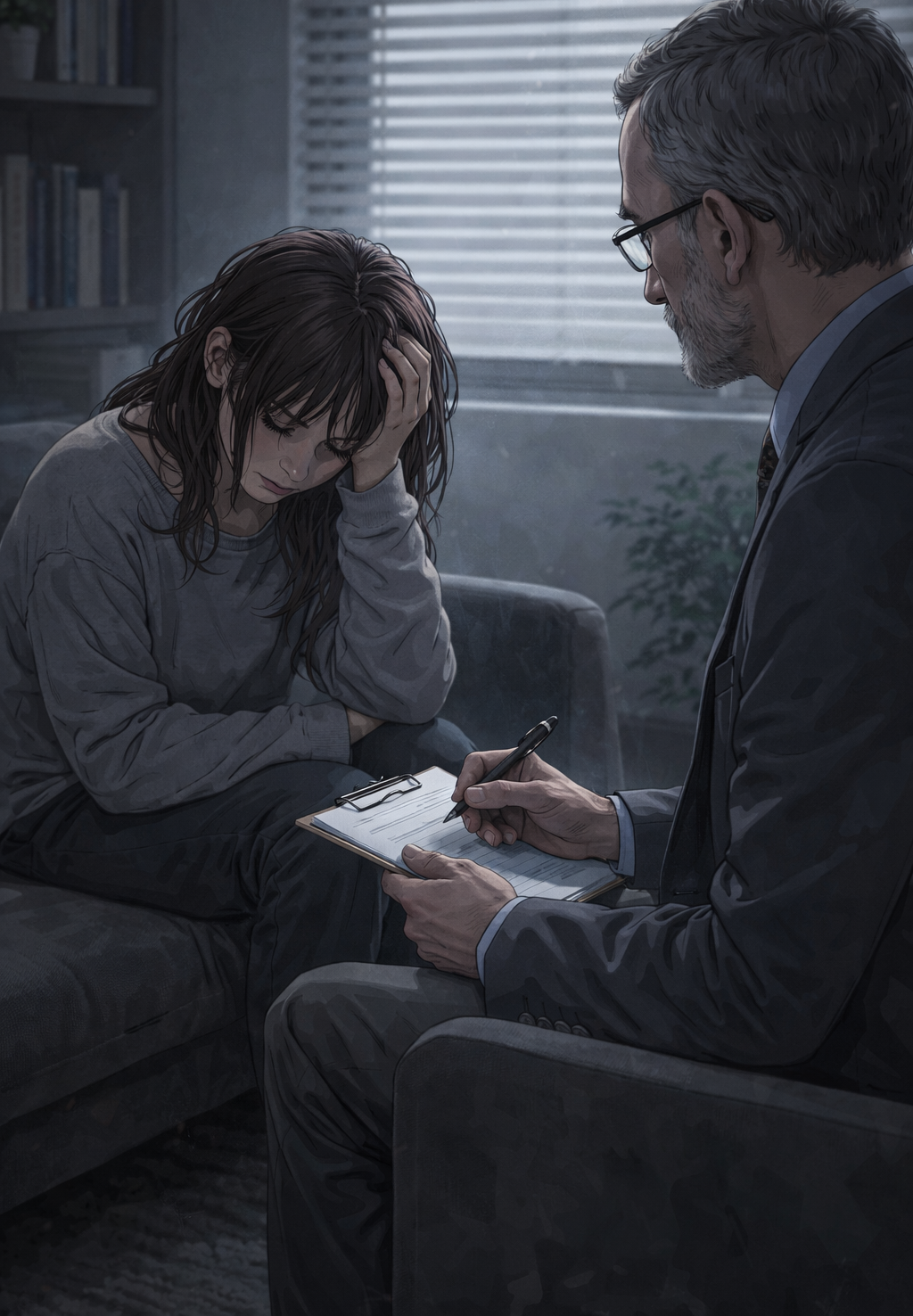
“Stigma makes people hide,” advocates said, adding that harmful public remarks can push individuals further into silence instead of encouraging them to seek help.
A Call for Kindness and Better Public Discourse
Public reaction to the senator’s statement also reignited conversations about how mental health should be discussed — especially by leaders with large platforms.
Advocates stressed that society has changed, and so have the pressures people face today. Rather than comparing generations, they urged leaders to encourage understanding, maturity, and compassion.

“Being kind is not difficult,” one mental health advocate said. “No one should be mocked for struggling.”
What is Mental Health?
Mental health is a state of emotional, psychological, and social well-being that enables individuals to cope with life’s stresses, realize their abilities, learn, work, and contribute to their community.
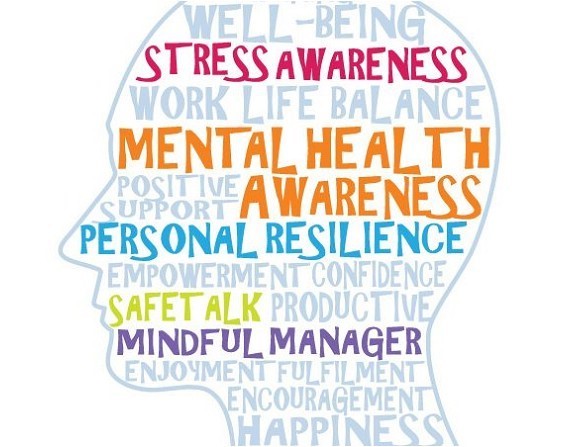
It is more than the absence of mental illness, representing an integral component of overall health. Maintaining mental health involves managing stress, nurturing relationships, and, when needed, seeking support through therapy
Help Is Available
Anyone experiencing mental health struggles is encouraged to reach out for support.
In the Philippines, the National Center for Mental Health Crisis Hotline is available 24/7:
- Mobile: 0919-057-1553
- Landline: 1800-1888-1553
- Languages: English, Filipino