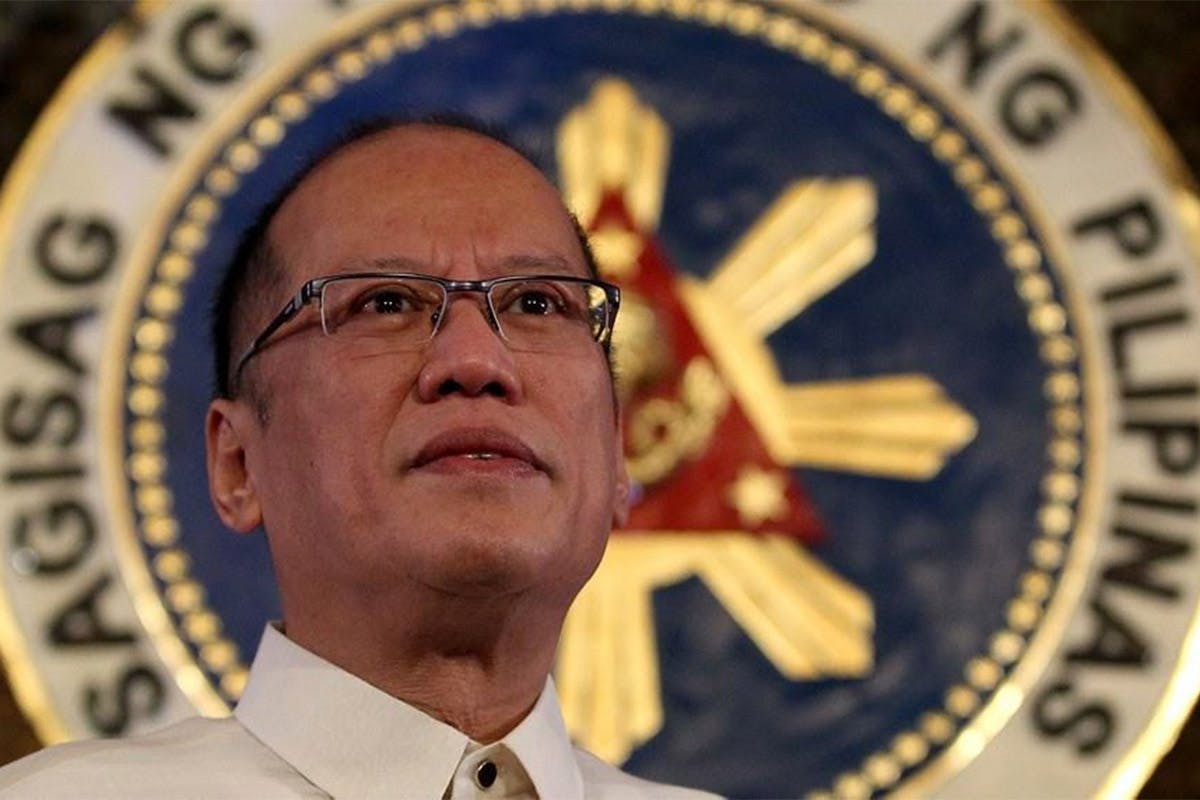

Today marks what would have been the 66th birthday of former President Benigno “Noynoy” Aquino III — a leader whose name continues to stir both praise and criticism, admiration and debate. But beyond the politics, beyond the noise of public opinion, there is one truth many Filipinos still hold close: PNoy represented a time when leadership felt more sincere, and when the country, in many ways, felt lighter.
For me, remembering PNoy is personal.
I was a first-time voter in 2010, SK (Sangguniang Kabataan) to be exact. At the time, I was already deeply interested in politics. I was familiar with political parties, candidates, and campaign strategies — not because I came from a political family, but because I genuinely enjoyed watching political documentaries, debates, and election commercials that were everywhere on TV.
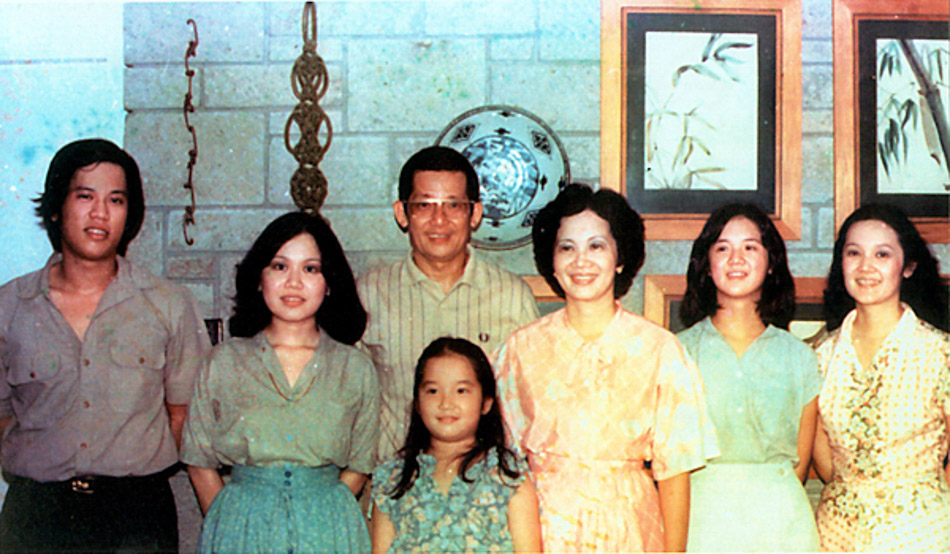
Back then, I knew Noynoy Aquino mostly through the lens of pop culture. He was widely recognized as the brother of celebrity host Kris Aquino, and of course, as the son of democracy icons — Senator Ninoy Aquino and former President Corazon Aquino. But it was after the passing of President Cory Aquino that he became even more visible to the public, and soon after, he was thrust into a national role many believed only he could carry.
When he decided to run for president, something about his campaign felt different.
A Quiet Candidate With a Loud Symbol
Unlike many candidates who relied on spectacle, noise, and endless promises, Noynoy Aquino appeared almost too quiet. He was never the type to dominate the stage. He didn’t have the loudest voice, the most dramatic speeches, or the most aggressive campaign style.
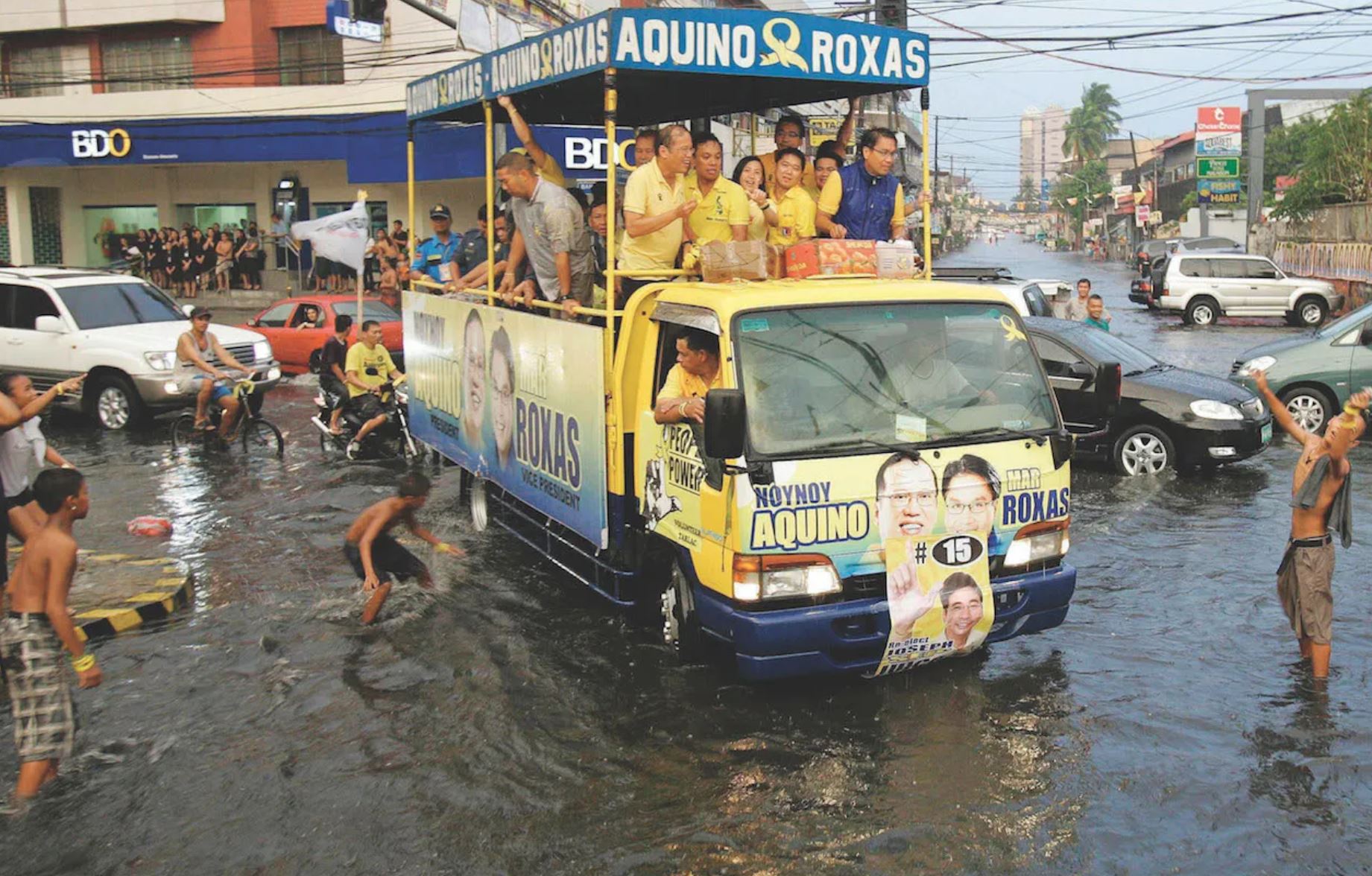
But his endorsements were loud enough.
It was hard to miss the sea of supporters wearing the famous yellow shirt with the Philippine map and the yellow ribbon — a symbol of freedom and resistance born from the Martial Law years and carried through the People Power Revolution. The color yellow was more than branding; it was identity, history, and memory. It reminded people of a time when Filipinos fought for democracy, and it reminded many of the Aquino legacy.
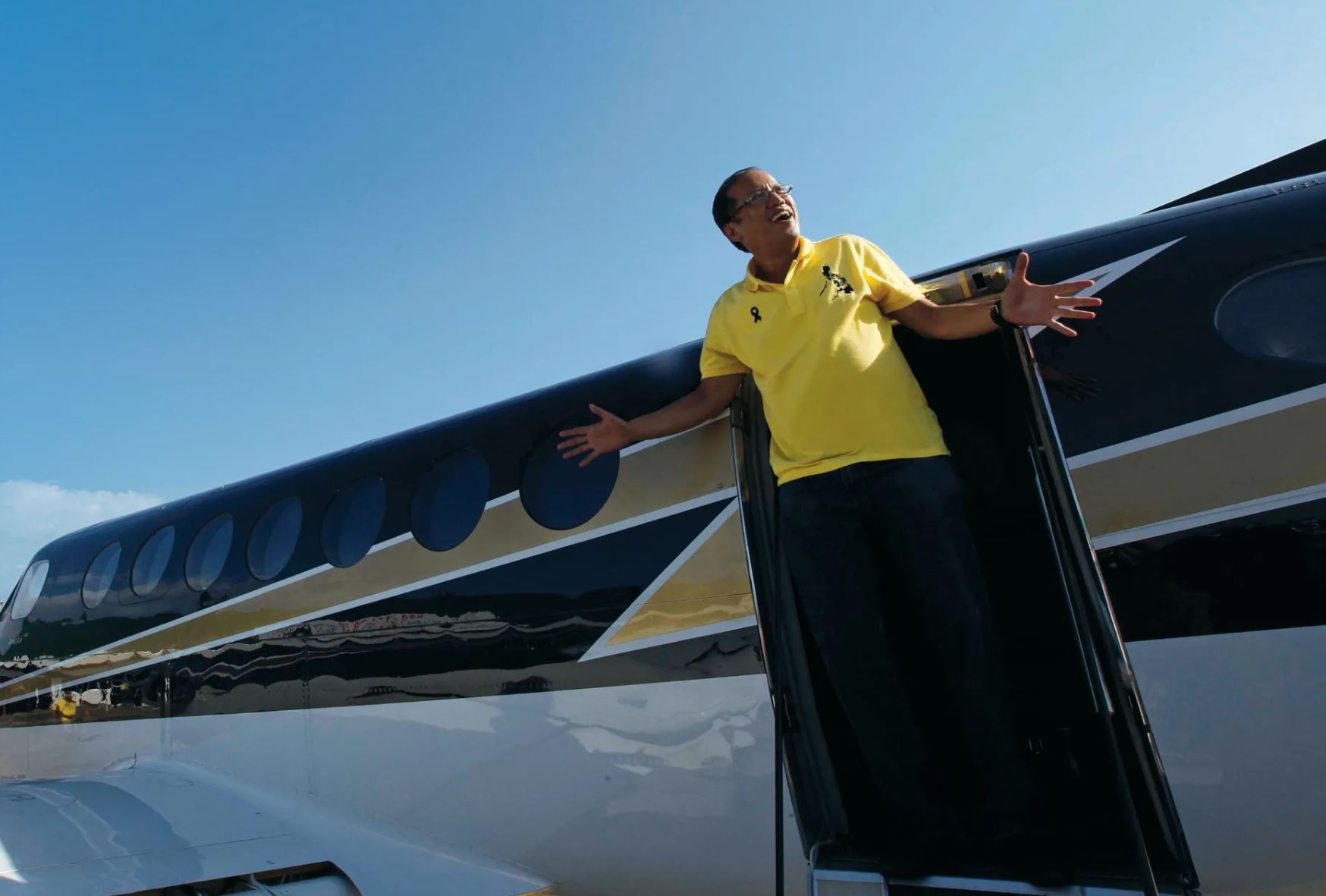
And of course, who could forget the ballers?
The campaign felt like a cultural moment. Celebrities, personalities, and ordinary citizens alike joined the movement. In many ways, it didn’t feel like people were just voting for a man — they were voting for a promise. A promise that after years of disappointment, there was still a chance to do things right.
The Daang Matuwid Years
When he won the presidency in 2010, PNoy carried a heavy burden. Expectations were enormous. Many Filipinos trusted him to be the president who would fight corruption, not hide it. His slogan, Daang Matuwid, became the centerpiece of his administration — a commitment to honesty, transparency, and reform.
Here’s a snapshot of his administration’s notable milestones:
Economic Growth & Fiscal Reforms
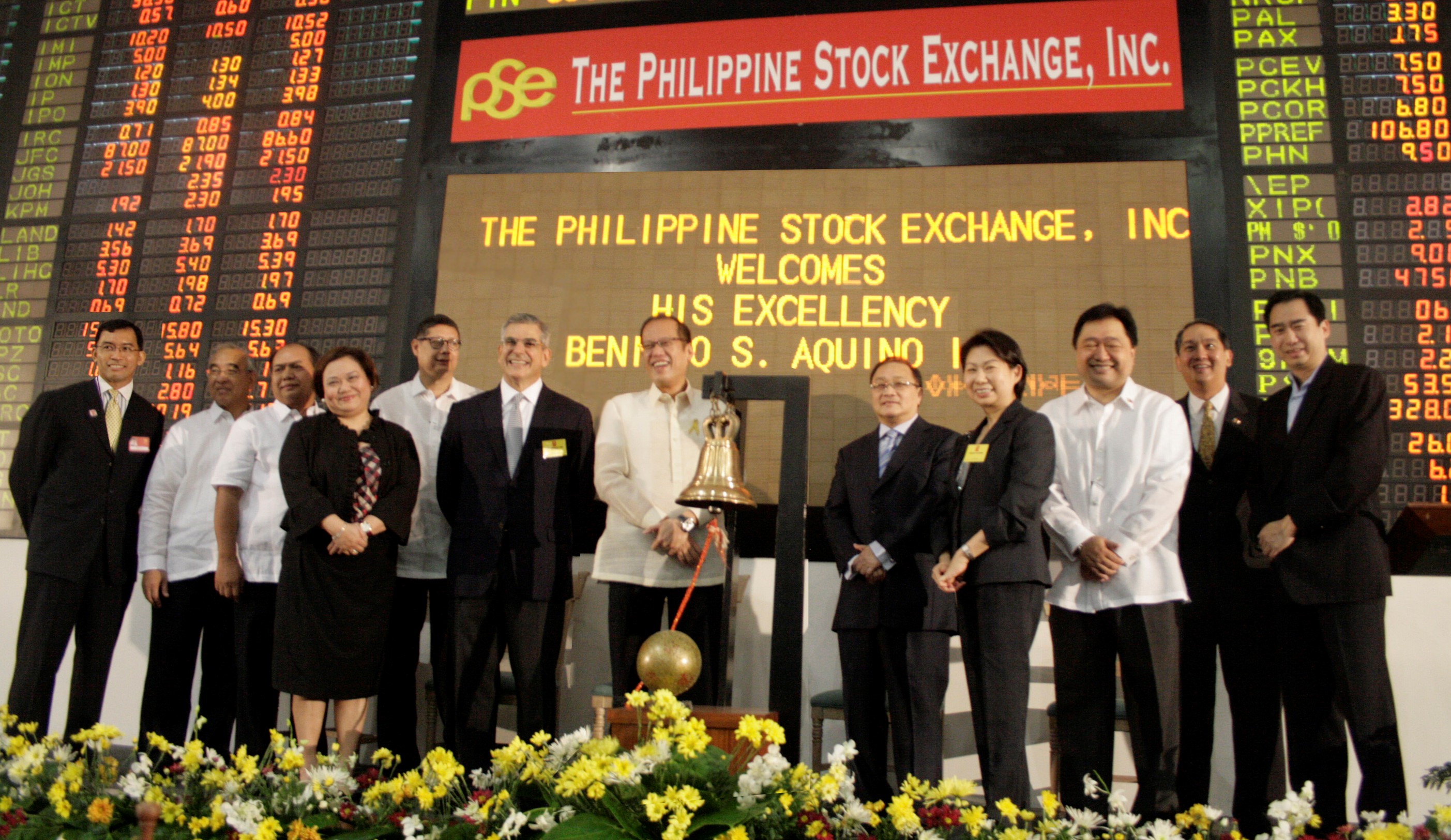
Under PNoy, the Philippines enjoyed robust economic growth, drawing investor confidence and earning its first-ever investment-grade credit rating. Budget collections improved, and the government fortified its fiscal position — factors that helped fund education, health, and social services.
Social & Education Reforms
His administration implemented the K–12 Basic Education Program, aligning Philippine education with global standards. The Reproductive Health Law, though contentious, was enacted to broaden access to family planning and health services.
Tax Reform and TRAIN Law
Among major fiscal initiatives was Republic Act No. 10351, which restructured the excise tax on alcohol and tobacco products — part of a broader effort to raise revenue for public services. This was a cornerstone of the Tax Reform for Acceleration and Inclusion (TRAIN) program aimed at making taxation more equitable and generating funds for infrastructure and social programs.
Support for Agriculture and Rural Communities
Programs were also introduced to expand credit access for small farmers and fisherfolk, helping bolster rural livelihoods and productivity.
Upholding Sovereignty at Sea
Perhaps one of the most enduring legacies of his term was the bold legal challenge against China’s maritime claims in the West Philippine Sea. In 2016, the Philippines won a landmark ruling at the Permanent Court of Arbitration in The Hague — a diplomatic affirmation of international law and an assertion of national sovereignty.
Standing Firm for the Country
One of PNoy’s most enduring and defining legacies was his administration’s decision to challenge China’s actions in the West Philippine Sea through international law.
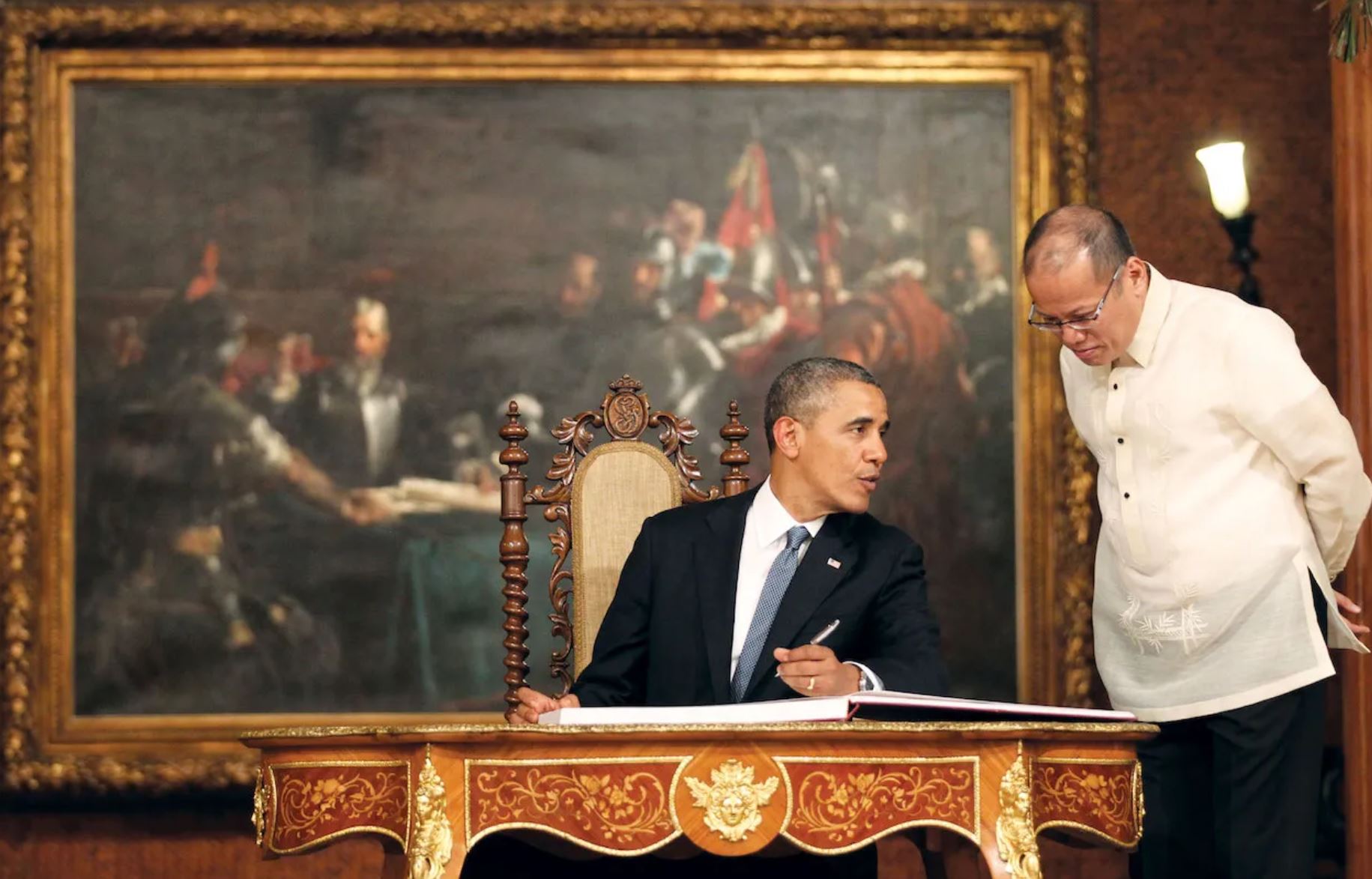
Rather than respond with pure political rhetoric, his government pursued arbitration — taking the dispute to the Permanent Court of Arbitration in The Hague. In 2016, the Philippines won a landmark ruling that favored its claims and rejected China’s sweeping assertions.
It was a historic moment for the country. Regardless of politics, many Filipinos remember that decision as one of courage — proof that the Philippines could stand up, even against a superpower, using principle and the rule of law.
Imperfect, But Accountable
Of course, PNoy’s presidency had painful chapters.
There were tragedies, controversies, and moments where Filipinos demanded more — including his administration’s handling of major national crises. These events remain part of his complicated legacy, and history will continue to judge his leadership through both achievements and shortcomings.
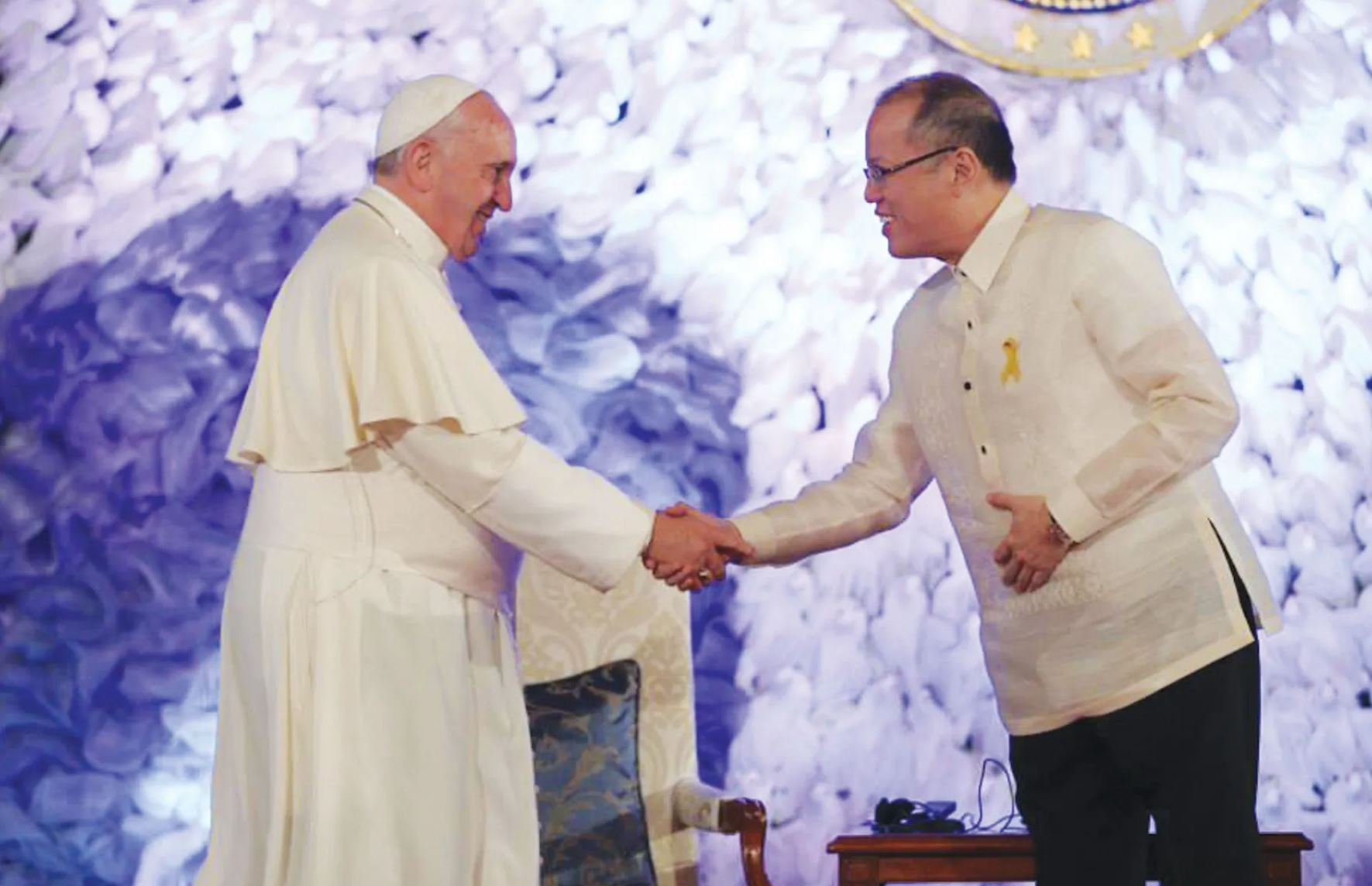
But what made PNoy different to many people was not the absence of mistakes — it was his willingness to face them.
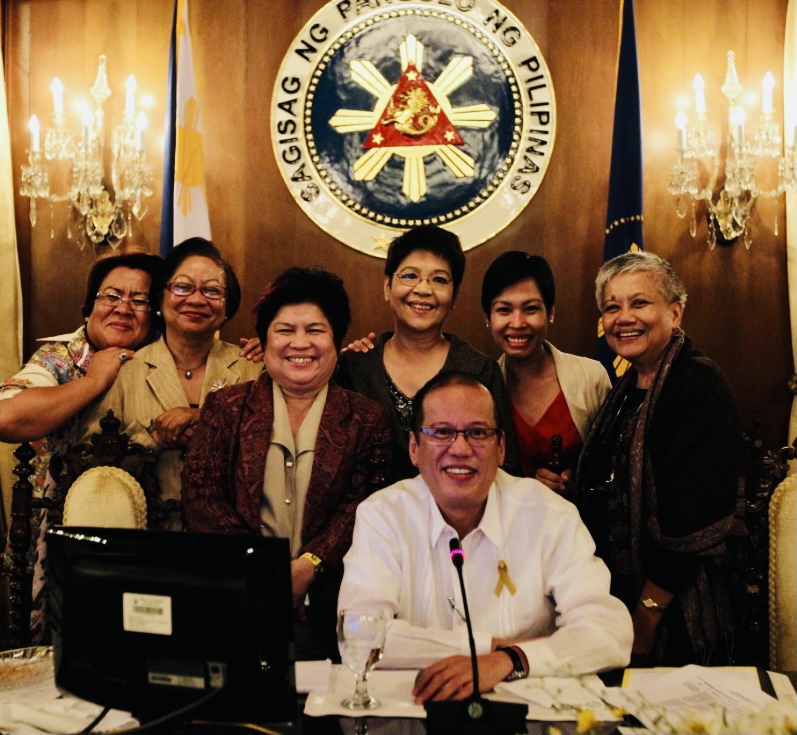
His critics will always exist, and they have their reasons. But many who worked closely with him have never stopped sharing stories about how good a boss he was — how he listened, how he respected processes, how he valued competence, and how he remained grounded despite the power he held.
He called out the norms of the past. He tried to break patterns that many administrations had treated as untouchable. And he aimed to leave behind a legacy built not on personality, but on institutions.
A Rare Kind of Exit
Perhaps one of the most striking parts of PNoy’s story was how he left power.
He stepped down at the end of his term — no extensions, no attempts to bend the rules, no dramatic farewell meant to glorify himself. After his presidency, he faced legal challenges without pleading to be exempted due to age or health. He did not hide behind allies, nor did he send others to represent him.
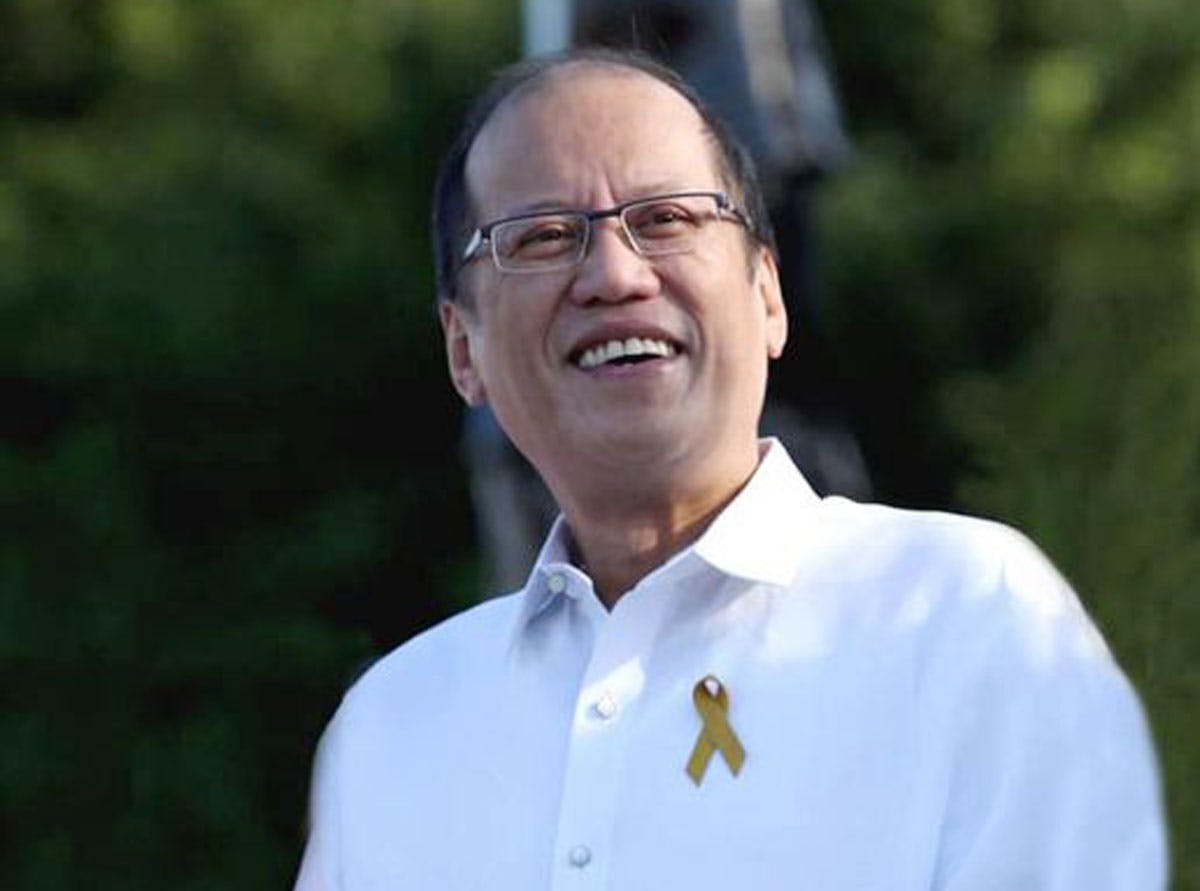
He faced things quietly.
And when his life ended, he did so the same way he lived after public service — away from the spotlight. He lived his remaining years out of public view and died without the media spectacle so common for public figures.
Looking Back, Remembering the Lightness
Some called him names. Some disrespected his memory and dismissed his contributions. And some will forever refuse to see anything good in his term.
But many Filipinos — especially those who lived through those years — cannot deny one thing: there was a certain lightness during his time.
A feeling that life was more stable. A sense that government, even if imperfect, was at least trying to be honest. A time when the country felt like it was moving forward, and when hope still had a place in national conversations.
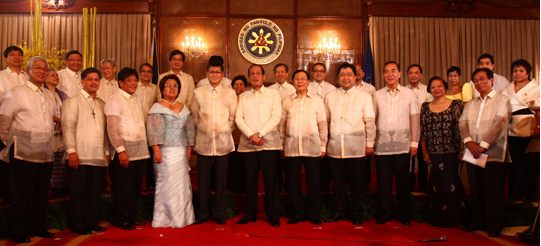
PNoy may not have been the loudest leader. He may not have been the most charismatic. But he was, in many ways, a president who led with sincerity — someone who believed in democracy, trusted the people, and respected the idea that power is borrowed, not owned.
Today, on his 66th birthday, we remember him not as a perfect man — but as a public servant who tried to do right, who chose integrity, and who left a legacy that still matters.
Happiest Birthday in heaven, PNoy! You are deeply missed.