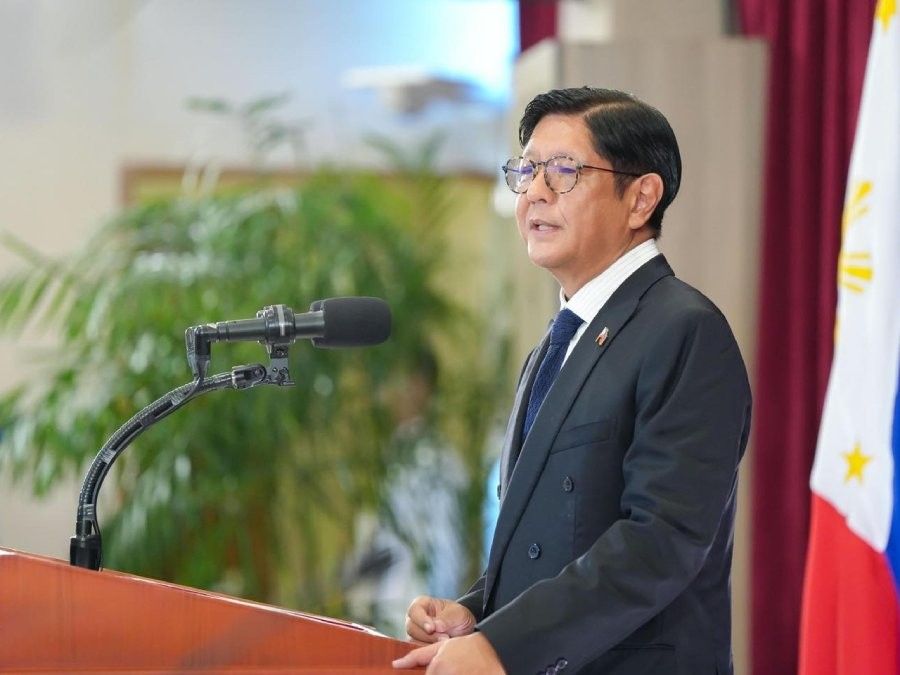

MANILA, Philippines — Efforts to file a second impeachment complaint against President Ferdinand “Bongbong” Marcos Jr. encountered a procedural snag Thursday, January 22, at the House of Representatives, even as an earlier impeachment complaint had been formally submitted this week.
Anti-corruption advocates and progressive sectoral groups attempted to lodge a second impeachment complaint with the House Office of the Secretary General (OSG) in Quezon City, citing alleged betrayal of public trust, misuse of discretionary funds and purported irregularities in infrastructure projects.
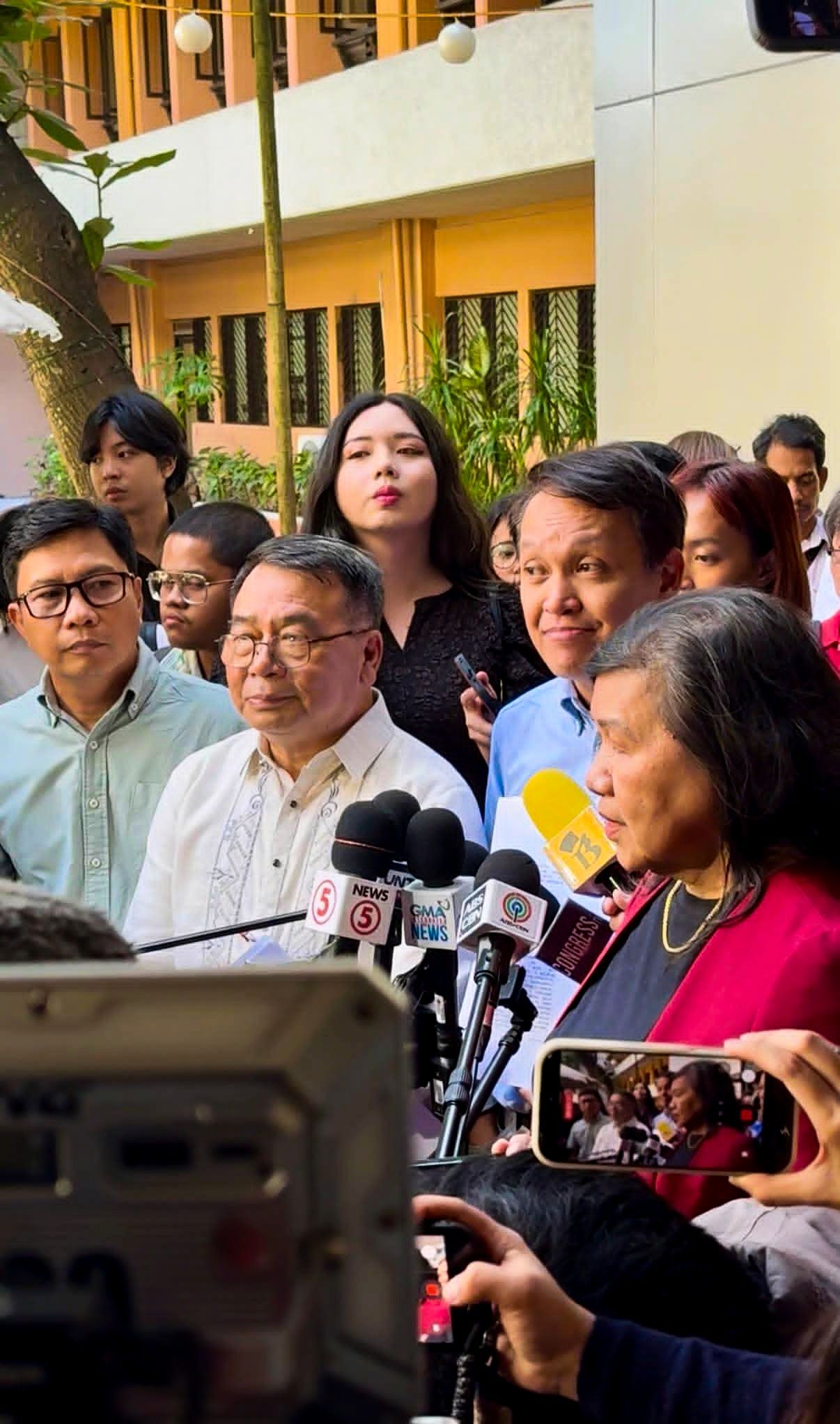
However, the OSG did not accept the filing because Secretary General Cheloy Velicaria-Garafil was out of the country attending an official event in Taipei, Taiwan, and no one else was authorized to receive the document. Critics argued that her absence should not block the submission, saying House rules require complaints to be filed with the office itself, not necessarily with Garafil in person.
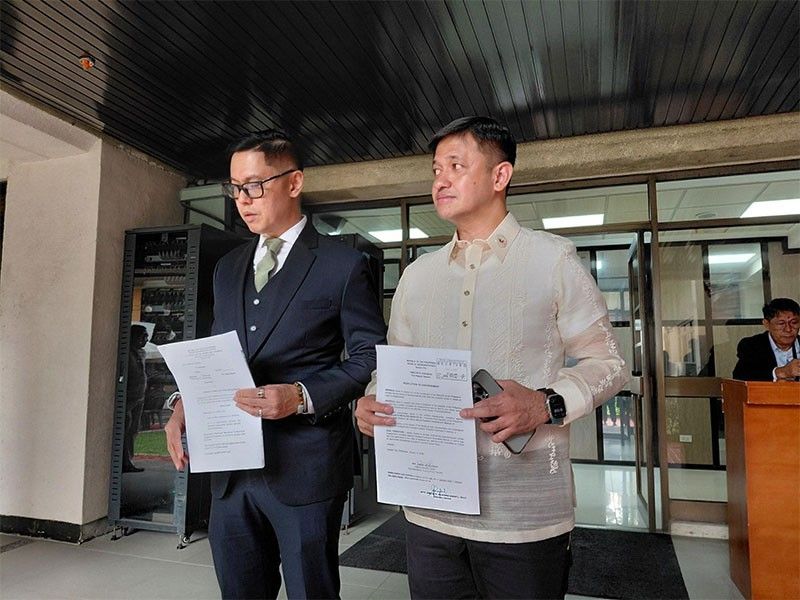
This second attempt comes after the first impeachment complaint against Marcos was filed on January 19 by lawyer Andre de Jesus and endorsed by House Deputy Minority Leader Jett Nisay of the Pusong Pinoy party-list. That complaint, which accuses Marcos of betrayal of public trust, graft and culpable violation of the Constitution, was received by the OSG and has since been transmitted to the office of House Speaker Faustino “Bojie” Dy III for appropriate action under House rules.
The initial complaint alleges, among other issues, that Marcos allowed the turnover of former President Rodrigo Duterte to the International Criminal Court (ICC) in The Hague, failed to veto unprogrammed appropriations in the national budget, and disregarded corruption linked to flood control projects. Malacañang has dismissed the allegations as baseless, maintaining that the President respects the Constitution and that government operations will continue uninterrupted.
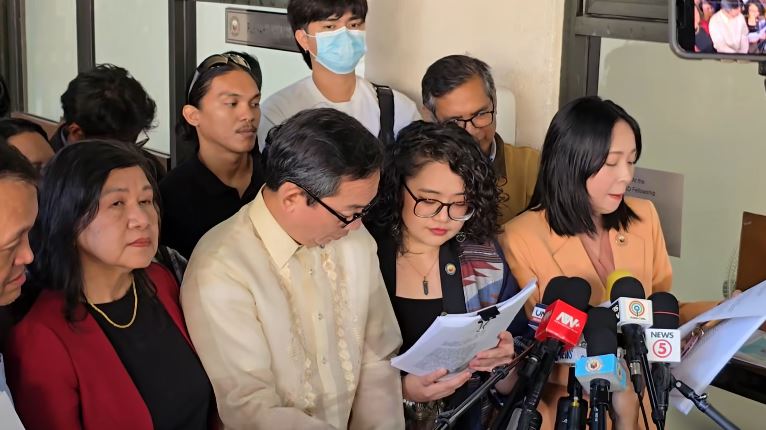
Supporters of the second complaint argued their filing should still count despite Garafil’s absence and urged Speaker Dy to ensure that both complaints are referred promptly to the House Committee on Justice. If accepted within the period before Congress reassembles on January 26, the complaints could be processed together—a move that would significantly shape the chamber’s impeachment proceedings.
Opposition to the move has come from administration lawmakers who contend that impeachment should not be used as a political weapon and that due process must be observed.
As the impeachment efforts unfold, House leaders and legal experts have highlighted that procedural rules and timing will be crucial in determining whether the complaints advance through the lower chamber’s justice committee and, ultimately, the plenary.